
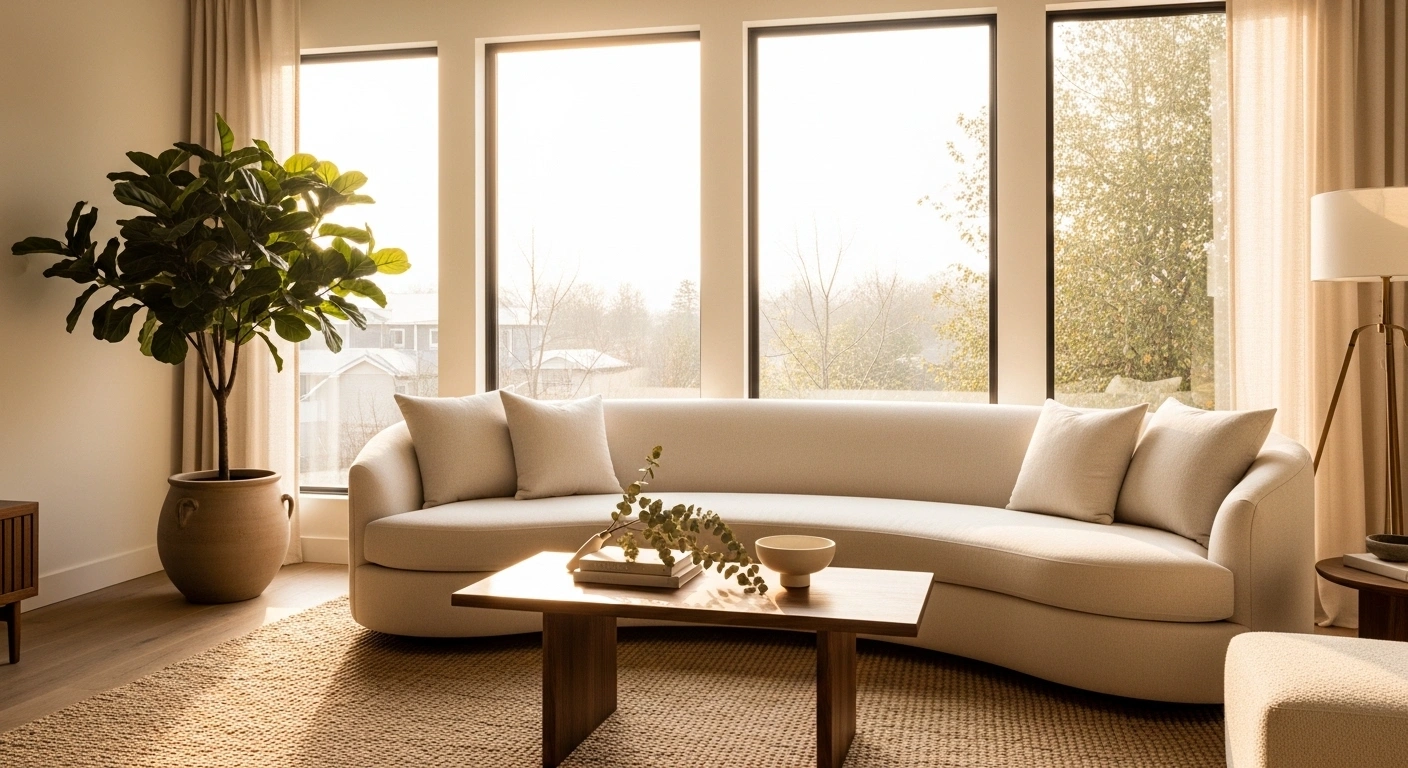
How to Shape Your Home Into a Sanctuary for Everyday Wellness
Your home should heal you. Not exhaust you. Most Americans return home after long stressful days to environments that quietly drain them further — cluttered surfaces, harsh lighting, and synthetic materials with zero consideration for how they feel. Wellness home design treats your home as an active participant in your physical health, mental clarity, and emotional restoration. This guide gives you 11 powerful practical strategies to transform every room into a genuine sanctuary for everyday wellness.
What Is Wellness Home Design and Why It Matters Now
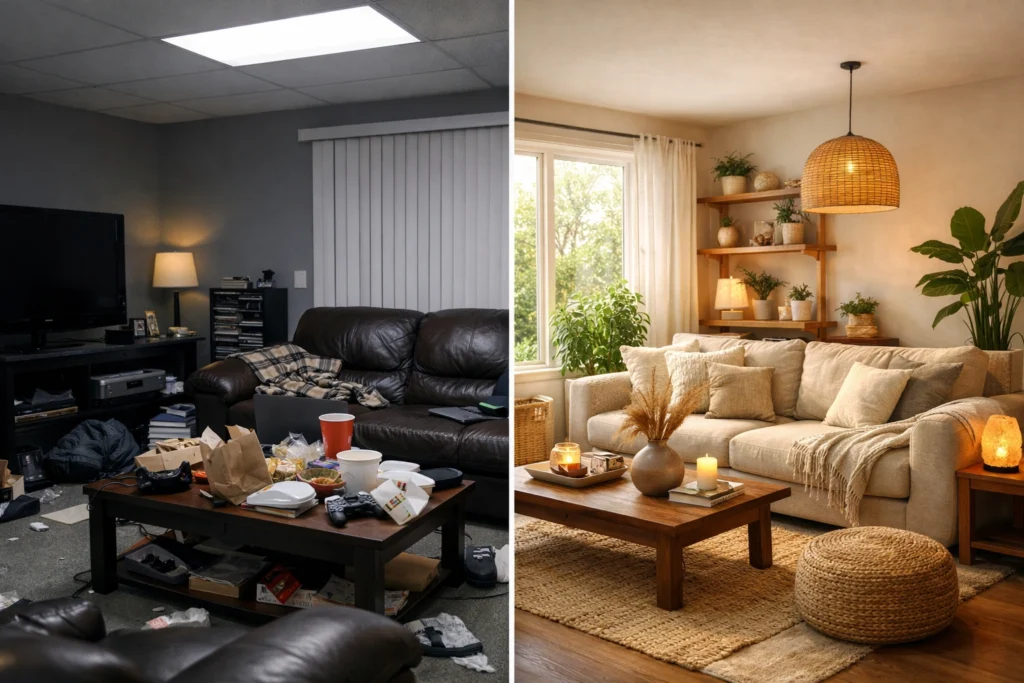
Wellness home design is the intentional practice of creating living environments that actively support physical health, mental wellbeing, and emotional balance through thoughtful choices in light, air, materials, color, and spatial organization. The EPA reports Americans spend 90% of their time indoors and indoor air can be two to five times more polluted than outdoor air. A 2022 Journal of Environmental Psychology study found intentionally designed home environments reduced cortisol levels by up to 42%. Healthy home design concepts and holistic home design ideas are no longer luxury pursuits — they’re genuine necessities for modern American life. The Global Wellness Institute values the wellness real estate market at over $134 billion proving this movement has moved permanently into the mainstream.
Start With Natural Light to Energize Every Room
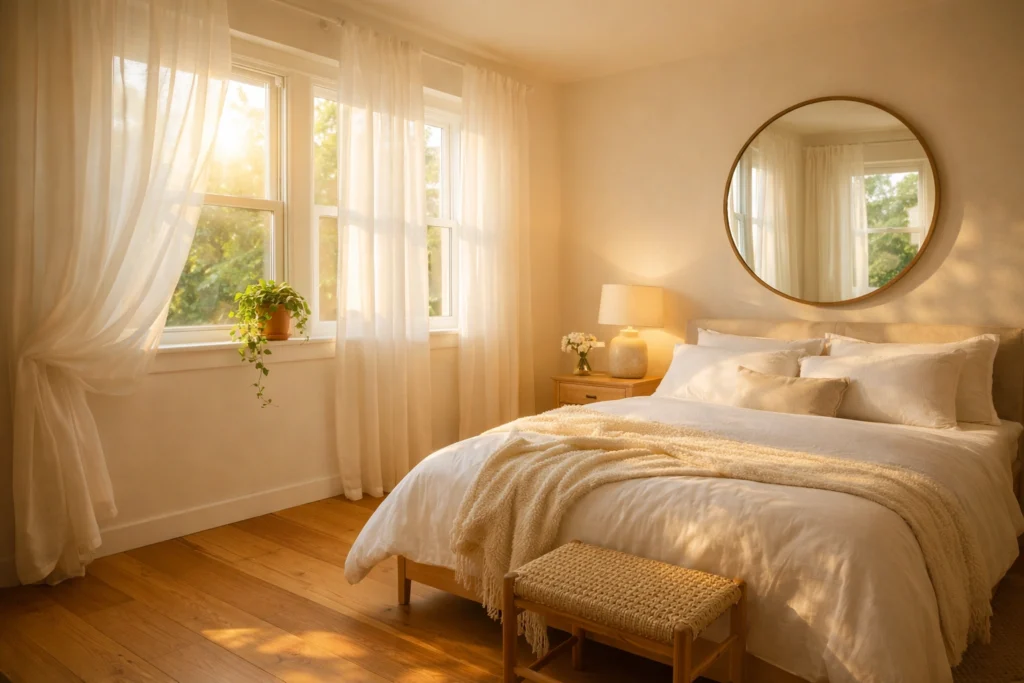
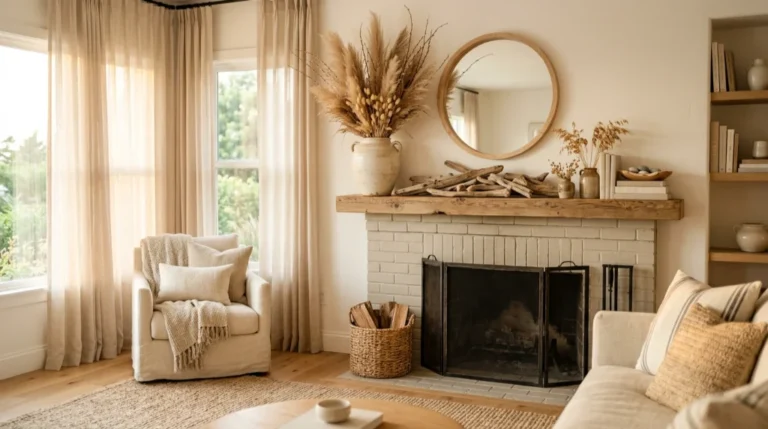
Light is the most powerful biological signal your body receives every single day. Natural light home design deliberately harnesses sunlight to regulate your circadian rhythm, boost serotonin production, and elevate mood throughout your waking hours. Cornell University research found that naturally lit environments reduced headaches and eye strain by 84% compared to artificially lit spaces. How to use natural light in wellness home design starts with replacing heavy drapes with sheer linen curtains, placing mirrors perpendicular to windows to bounce light deeper into rooms, and choosing paint colors with light reflectance values above 70. Calming home interior design that centers natural light as its primary organizing principle creates spaces that feel genuinely alive rather than artificially brightened by flat overhead fluorescent lighting that disrupts your body’s natural rhythms.
Bring the Outside In With Biophilic Design Elements
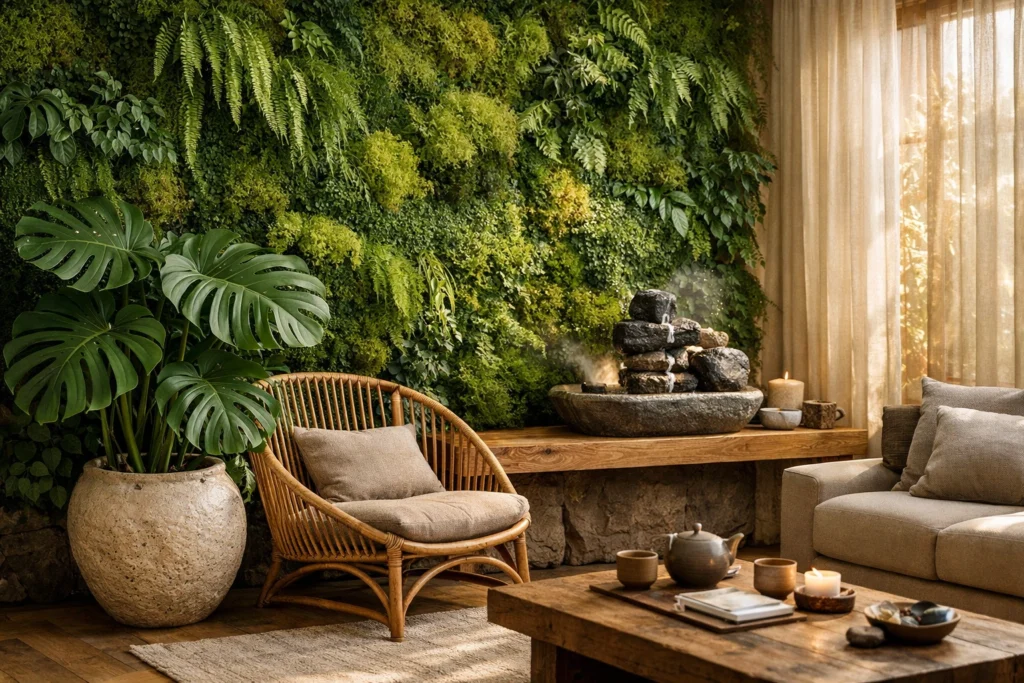
Biophilic home design operates on a profound biological truth — humans evolved over millions of years in intimate connection with nature and our nervous systems still respond to natural elements with measurable physiological relaxation. A University of Queensland study found biophilic design elements reduced physiological stress markers by 60% and improved wellbeing scores by 15% among building occupants. How to incorporate biophilic design at home includes adding living houseplants, installing a small indoor water feature, using natural wood and stone surfaces, and positioning seating to face outdoor views whenever possible. Nature inspired home interiors don’t require a complete renovation — even a single large fiddle leaf fig in a terracotta pot placed near a sunlit window delivers measurable mood and air quality benefits that synthetic decor simply cannot replicate.
you may also like this:Elevate Your Bedroom: 8 Furniture Trends That Bring Comfort, Character & Calm
| Biophilic Element | Benefit | Difficulty | Cost |
|---|---|---|---|
| Houseplants | Air quality, mood | Easy | $10–$50 |
| Natural wood surfaces | Warmth, grounding | Moderate | $50–$300 |
| Indoor water feature | Stress reduction | Easy | $30–$150 |
| Living wall | Air purification | Advanced | $100–$500 |
| Nature views | Mental restoration | Easy | Free |
Choose a Calming Color Palette That Supports Your Wellbeing
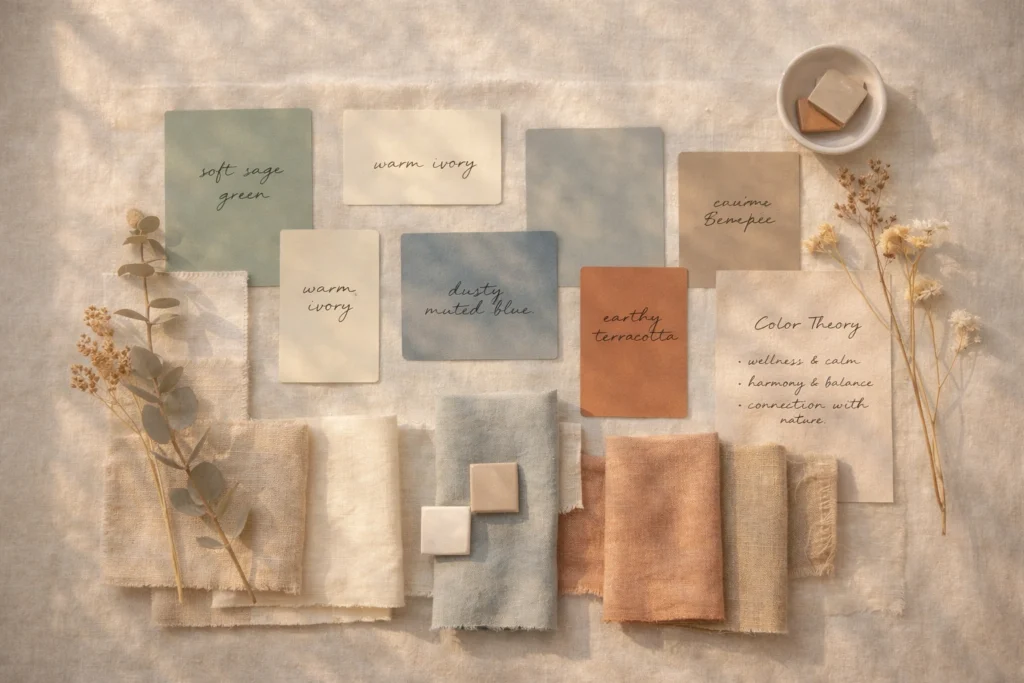
Color is silent architecture. It shapes how you feel in a room before you consciously register anything else about the space. Wellness home color palette choices draw from color psychology research showing that soft sage greens reduce anxiety, warm whites promote clarity and calm, muted earthy neutrals create grounding security, and dusty blues lower heart rate and blood pressure measurably. Best colors for a wellness home design vary by room function — cool muted greens and blues work beautifully in bedrooms where relaxation is the goal while warm ivory and soft terracotta suit living rooms where social warmth and comfort matter most. Specific paint recommendations worth considering include Benjamin Moore’s Pale Oak OC-20, Sherwin-Williams Accessible Beige SW 7036, and Farrow & Ball’s Mizzle No.266 — all proven performers in calming home interior design contexts across American homes.
Invest in Air Quality for a Truly Healthy Home
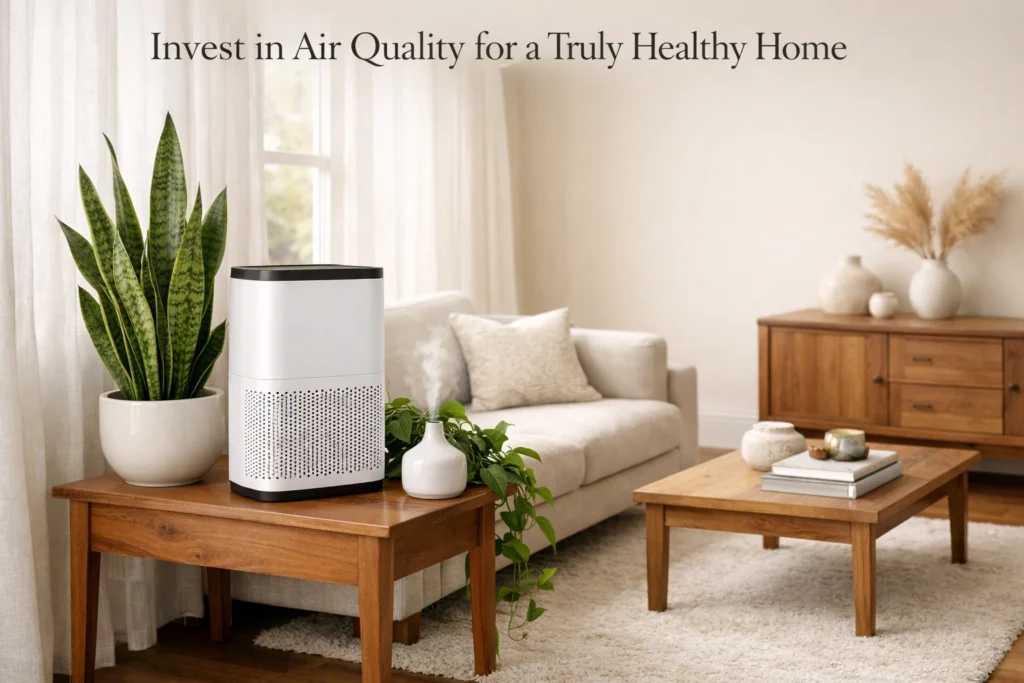
The air inside your home is almost certainly more contaminated than the air outside and air quality home design addresses this invisible threat through deliberate material, ventilation, and plant selection choices. The EPA identifies indoor air pollution as one of the top five environmental health risks facing Americans with off-gassing from synthetic furniture, VOC-laden paints, carpet adhesives, and cleaning products collectively creating a toxic chemical cocktail in poorly ventilated homes. How to improve air quality through home design involves installing HEPA air purifiers in bedrooms and living rooms, choosing VOC-free paints from brands like Benjamin Moore Natura or Sherwin-Williams Harmony, replacing synthetic carpet with natural wool or hardwood flooring, and adding air-purifying plants including snake plants, peace lilies, and pothos throughout your living spaces. Nontoxic home design materials and sustainable wellness home design principles work together here — every synthetic material you replace with a natural alternative simultaneously improves air quality and reduces your home’s environmental footprint.
| Air Quality Solution | Effectiveness | Cost | Difficulty |
|---|---|---|---|
| HEPA air purifier | High | $80–$300 | Easy |
| VOC-free paint | High | Same as regular | Easy |
| Natural wool carpet | Moderate | $3–$8/sq ft | Moderate |
| Air purifying plants | Moderate | $10–$40 each | Easy |
| HRV ventilation system | Very high | $800–$2000 | Professional |
Design a Sleep Sanctuary With Your Bedroom in Mind
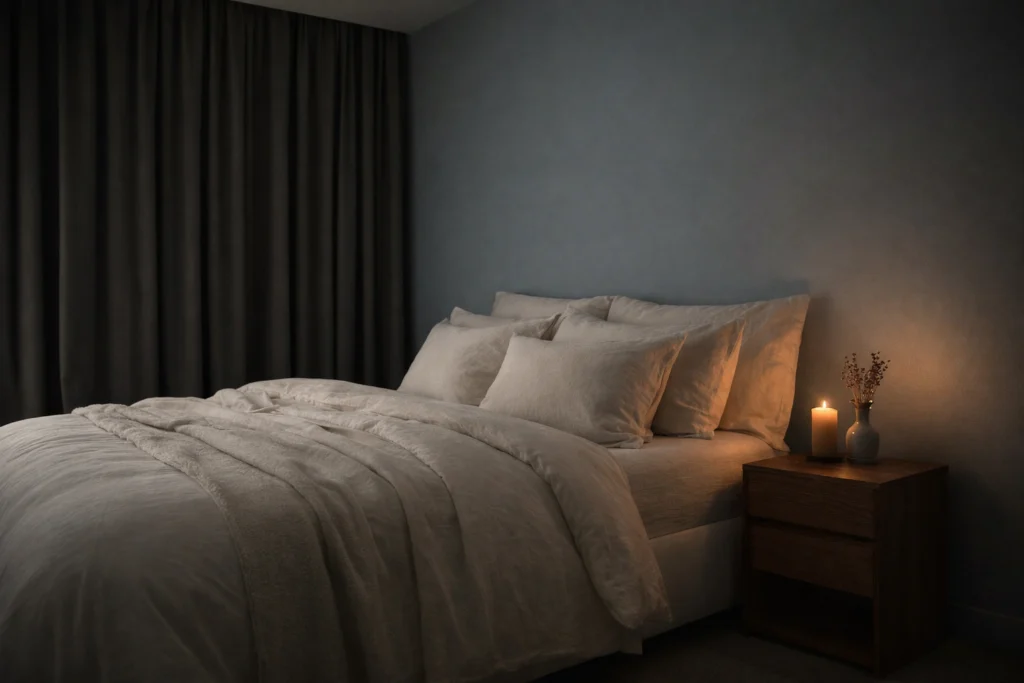
Sleep is the foundation of every other wellness practice and wellness bedroom design ideas treat the bedroom as sacred restorative territory rather than just another room in the house. How to design a stress free bedroom for better sleep centers on four environmental variables — complete darkness achieved through blackout curtains or blinds, cool temperature maintained between 65°F and 68°F, acoustic isolation from household and street noise, and total elimination of blue-light emitting screens from the sleep environment. Stress free home design ideas for the bedroom also include removing all work-related items, choosing organic cotton or linen bedding that breathes naturally, painting walls in the coolest, most muted tones in your home’s palette, and investing in a quality mattress made from natural latex or organic materials that avoid the flame retardant chemicals standard in conventional mattresses. The bedroom that does its job well becomes the most powerful wellness tool in your entire home.
Create a Spa Inspired Bathroom That Restores and Refreshes
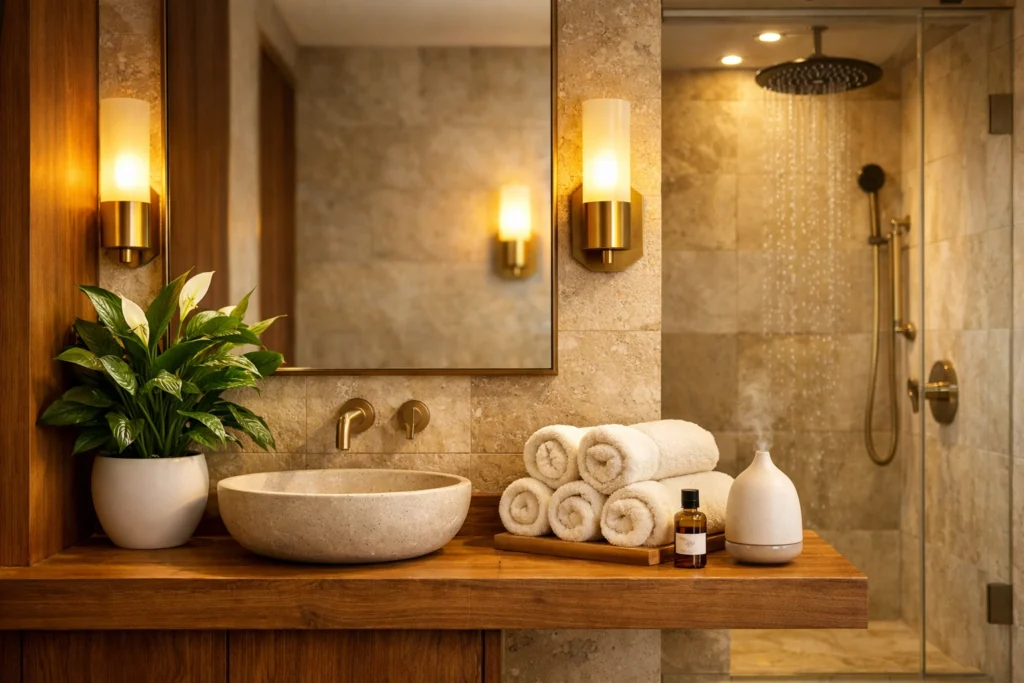
Your bathroom visits happen multiple times daily making it one of the highest-impact wellness home design upgrade opportunities in your entire house. How to design a spa inspired bathroom at home doesn’t require a full renovation — it requires intentional sensory layering using natural materials, warm lighting, living plants, and aromatherapy elements that transform routine hygiene rituals into genuine restorative micro-experiences. Replace harsh overhead lighting with warm-toned sconces at face level, swap plastic accessories for bamboo, teak, and ceramic alternatives, add a small pothos or peace lily to exploit the bathroom’s natural humidity, and install a shower filter to remove chlorine and heavy metals from your daily water exposure. Wellness bathroom design ideas and spa inspired home design consistently point to decluttering as the single highest-impact free upgrade — a visually calm bathroom surface immediately signals to your nervous system that this is a space for restoration rather than rushed morning chaos.
Build a Mindful Wellness Corner or Home Meditation Space
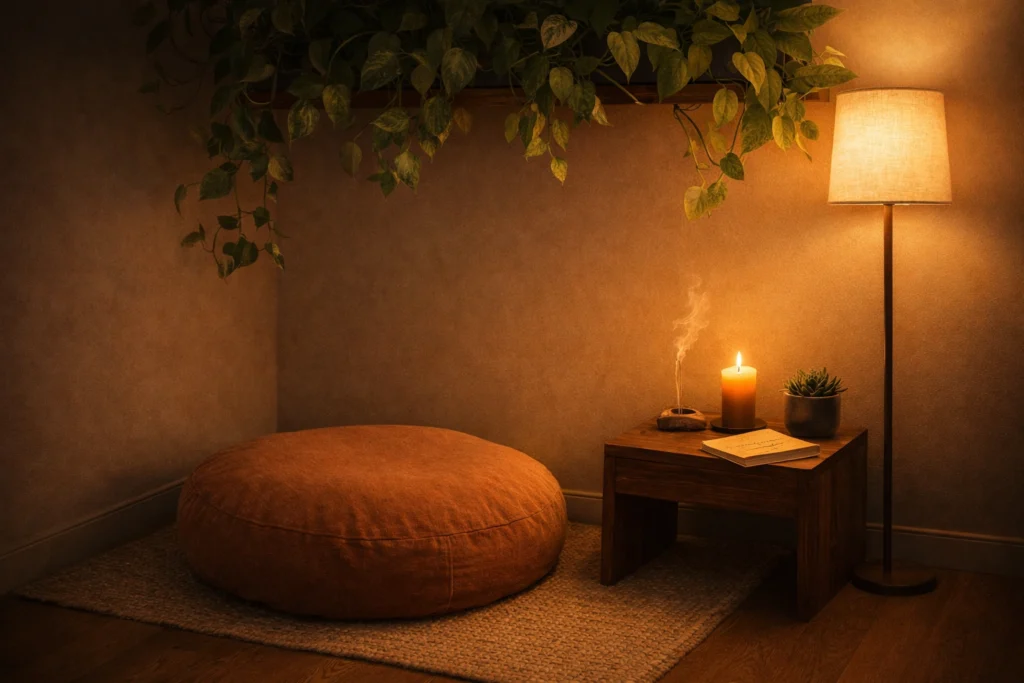
Dedicated wellness spaces dramatically improve the consistency of any mindfulness, meditation, or restorative practice because your brain quickly associates specific physical locations with specific mental states through repeated use. How to create a healing space in your home requires as little as a four-foot-by-four-foot corner of any room — a comfortable floor cushion or low chair, a small side table holding a candle and a plant, a soft lamp providing warm low light, and a few personally meaningful objects that signal transition from everyday activity into intentional restoration. Healing space interior design and mindful living space design both emphasize the importance of visual boundaries — a small area rug, a sheer curtain partition, or even a simple bookshelf can effectively separate your wellness corner from the surrounding room’s energy. Wellness home design ideas for small spaces frequently leverage this corner approach to create powerful dedicated restoration zones within apartments and compact homes where a dedicated meditation room simply isn’t feasible.
Choose Nontoxic Natural Materials Throughout Your Home
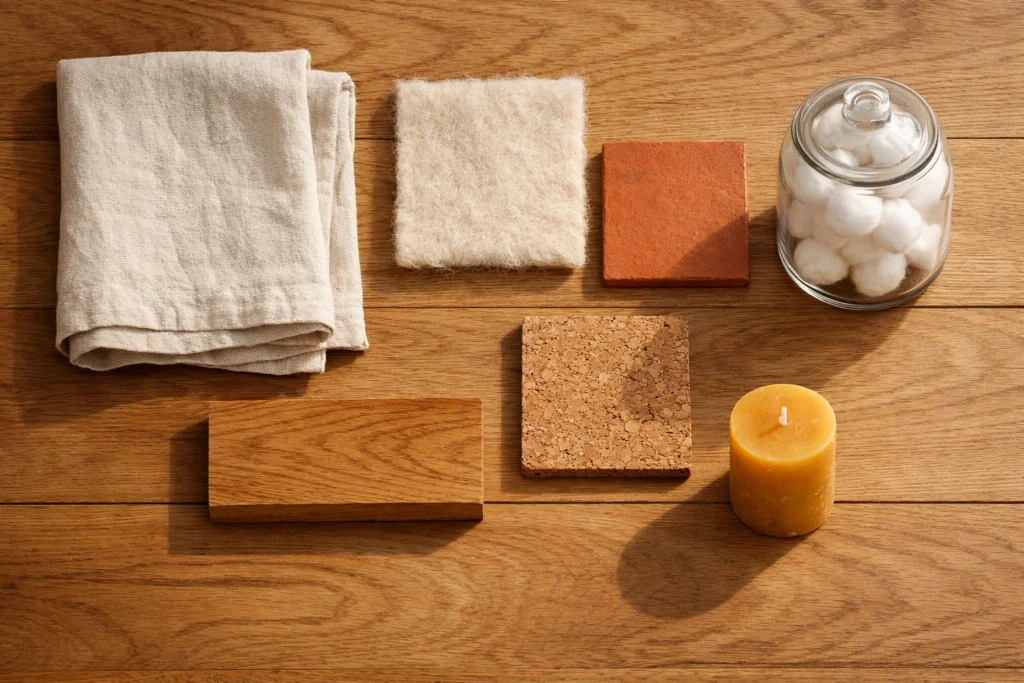
Conventional American homes contain a startling inventory of synthetic materials that continuously off-gas chemical compounds linked to hormone disruption, respiratory issues, neurological effects, and carcinogenic exposure — problems that nontoxic home design materials eliminate at the source rather than trying to filter after the fact. Best natural materials for wellness home interiors include solid hardwood furniture free of formaldehyde-containing pressed wood products, organic cotton and linen textiles free of pesticide residues and synthetic dye chemicals, natural wool rugs that avoid brominated flame retardants, ceramic and glass storage containers replacing plastic food storage, and beeswax or soy candles replacing paraffin alternatives that release benzene and toluene when burned. Organic modern wellness design and sustainable wellness home design share a common foundation in natural material preference — choosing wood over MDF, wool over synthetic carpet, linen over polyester, and ceramic over plastic consistently moves your home toward both greater beauty and significantly reduced toxic load simultaneously.
| Material | Toxic Alternative | Health Benefit | Cost Difference |
|---|---|---|---|
| Solid hardwood | MDF/particleboard | No formaldehyde | +20–40% |
| Organic cotton | Conventional cotton | No pesticide residue | +15–30% |
| Natural wool rug | Synthetic carpet | No flame retardants | +25–50% |
| Beeswax candles | Paraffin candles | No benzene release | +10–20% |
| Ceramic storage | Plastic containers | No BPA/phthalates | +10–25% |
Design a Wellness Home Office That Protects Your Mental Health
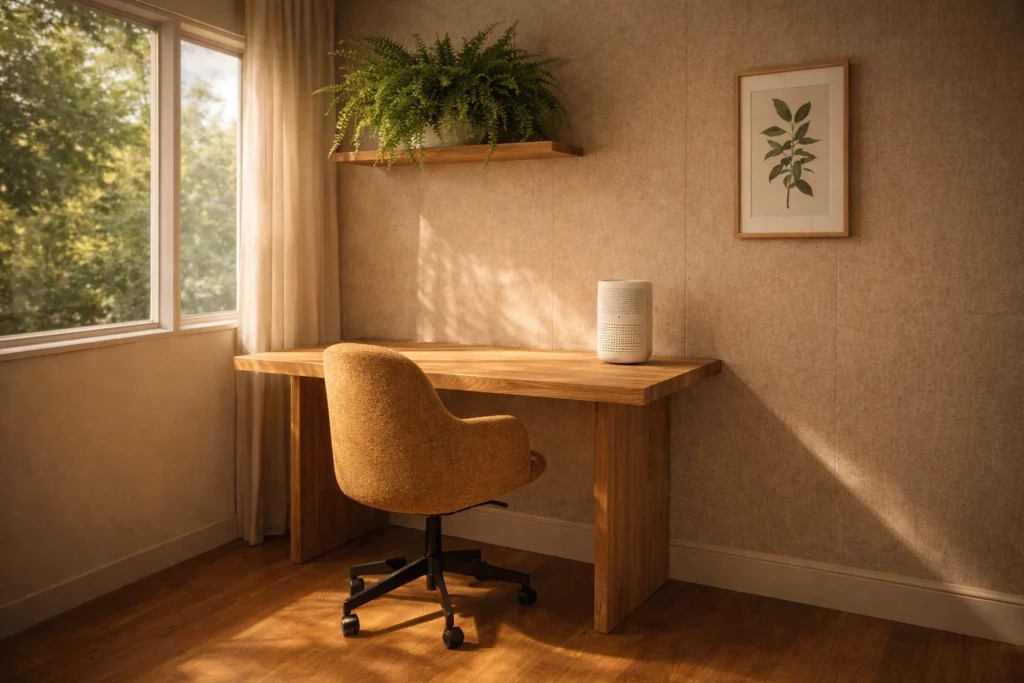
Remote work permanently transformed the American home and wellness home office design has become one of the most critical and most neglected aspects of whole-home wellness strategy in the post-pandemic era. Best wellness home office design ideas center on five non-negotiable elements — ergonomic seating that protects spinal alignment during long work sessions, maximum natural light positioned to illuminate your face without creating screen glare, living plants that restore attention capacity through the documented phenomenon of attention restoration theory, acoustic treatments that reduce stress-inducing background noise, and deliberate physical separation from living spaces that allows your brain to genuinely transition out of work mode when the workday ends. How to design a holistic home environment for remote workers specifically includes creating a ritual-based transition practice — a short walk, a tea ceremony, or a brief meditation — that signals the nervous system that work has ended and home life has begun, preventing the chronic boundary dissolution that drives remote work burnout throughout the USA.
Use Sound and Scent to Complete Your Wellness Home Experience
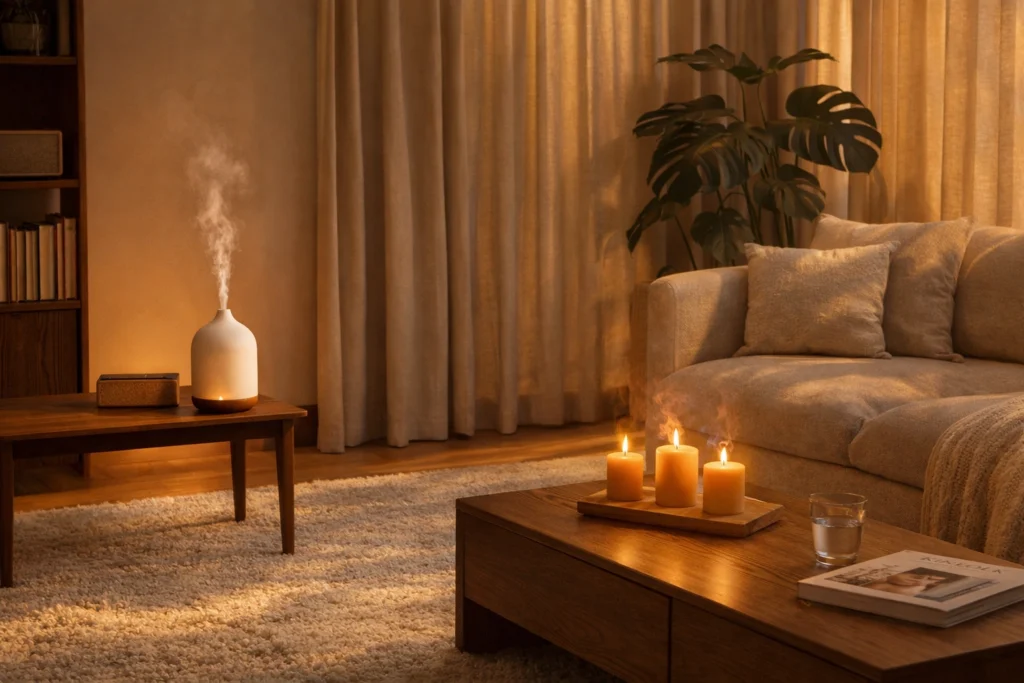
Zen home design inspiration and restorative home design ideas consistently identify sound and scent as the two most overlooked and most neurologically powerful dimensions of a complete wellness home environment. Sound profoundly shapes your stress response — hard surfaces like bare floors, glass, and drywall create acoustic environments full of sharp reflections and echoes that subtly elevate cortisol throughout the day while soft surfaces including rugs, upholstered furniture, curtains, and acoustic panels absorb these reflections and create a sonically calm environment your nervous system interprets as safe and restorative. Scent operates through the olfactory bulb’s direct neural connection to the limbic system — the brain’s emotional center — making it the only sense that bypasses the cortex entirely and creates immediate emotional and physiological responses. How to make your home feel like a wellness retreat through scent means choosing lavender and chamomile diffuser blends for bedrooms, energizing citrus and peppermint for home offices, grounding cedarwood and sandalwood for living rooms, and eucalyptus and mint for bathrooms — creating a complete multisensory wellness home design environment that actively supports your wellbeing from the moment you wake until the moment you fall into restorative sleep.
Conclusion
Wellness home design proves that your environment is either your greatest health ally or your most persistent obstacle. Every element covered in this guide — from natural light and biophilic elements to nontoxic materials, spa bathrooms, and multisensory scent design — works together as a coherent system that transforms your home from a passive shelter into an active healing force in your daily life. Start with one change this weekend. Just one. The momentum that single intentional step creates will carry you further than you expect.
Frequently Asked Questions
Q1: What is wellness home design?
Wellness home design is the intentional creation of living environments that actively support physical health, mental wellbeing, and emotional restoration through deliberate choices in light, air quality, materials, color, sound, and spatial organization.
Q2: How do I start designing a wellness home on a budget?
Wellness home design on a budget starts with three free or low-cost changes — maximizing natural light by removing heavy window treatments, adding one air-purifying houseplant, and decluttering your bedroom completely. These three steps deliver immediate measurable wellbeing improvements at minimal cost.
Q3: What colors are best for a wellness home?
The most effective wellness home color palette choices include soft sage green, warm ivory, muted dusty blue, earthy terracotta, and warm taupe — all colors that measurably reduce anxiety and cortisol levels according to environmental psychology research.
Q4: How does biophilic design improve mental health?
Biophilic home design improves mental health by activating the parasympathetic nervous system through exposure to natural elements — plants, natural materials, water features, and nature views all trigger measurable reductions in cortisol, heart rate, and blood pressure within minutes of exposure.
Q5: What are the most important elements of a wellness home?
The five most impactful wellness home design elements are maximized natural light, clean indoor air quality, nontoxic natural materials, a dedicated sleep sanctuary bedroom, and at least one biophilic design element — together these five changes deliver the most significant and measurable improvements to daily health and wellbeing.

One Comment