
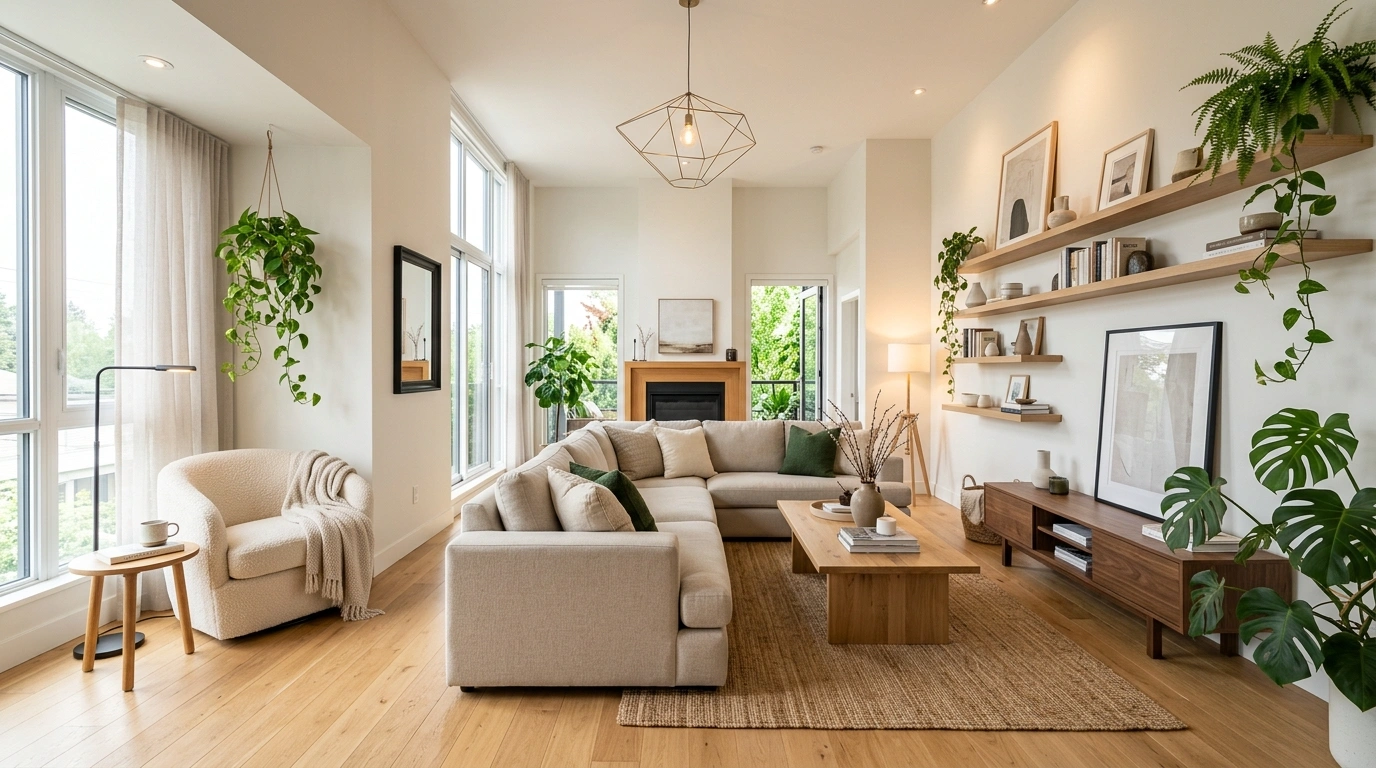
Turning Forgotten Living Room Areas into Purposeful Places
Walk into almost any home in America and you’ll find them — those quiet, ignored corners. That blank wall nobody touches. The awkward gap between furniture that collects dust. The stretch of space behind the sofa that has never once been used with intention. Most homeowners live with these spots for years without ever fixing them. But here’s the thing — turning forgotten living room areas into purposeful places doesn’t require a big budget or a professional designer. It just takes the right ideas and a shift in how you see your space. This guide walks you through every neglected living room space in your home and shows you exactly what to do with each one.
What Are Forgotten Living Room Areas?
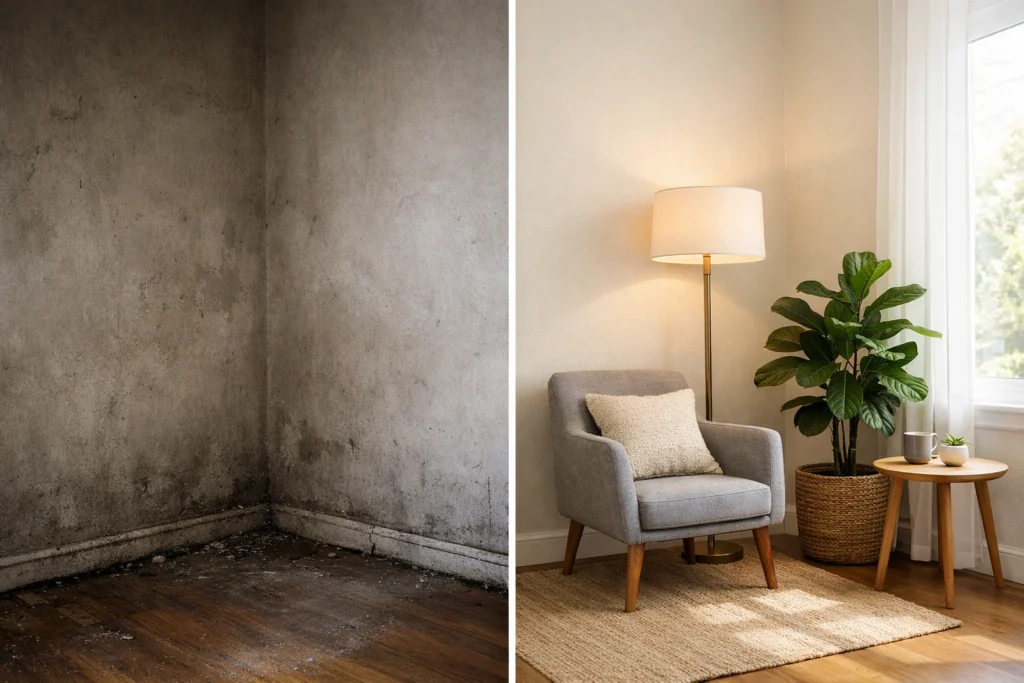
Most people don’t even realize their living room has unused corners in living room spaces that are quietly bringing the whole room down. These are the spots your furniture doesn’t naturally cover — narrow wall sections, shadowy corner triangles, the wall above the sofa, the gap beside the bookshelf, and the dead strip behind a floating couch. They sit at the edges of attention and get skipped over every time.
Overlooked home décor areas like these aren’t design flaws. They’re opportunities. Every corner, every blank wall, every forgotten nook holds real potential. Once you start seeing these spaces differently — not as problems but as blank canvases — your entire approach to living room design ideas changes completely. The most interesting and personal rooms are almost always the ones where every single inch has been considered.
Why Most People Ignore These Living Room Spaces
The reason underutilized living room spots stay empty comes down to one thing: uncertainty. Decorating a sofa or choosing a rug feels straightforward. But styling an awkward corner? That’s where most people freeze up and walk away. There’s no obvious template and that blank space just stays blank — sometimes for years.
Dead space in living room areas also suffer from a psychological quirk. Human eyes naturally drift toward the center of a room — the main seating group, the TV wall, the coffee table. The edges get ignored literally and figuratively. However, once you train yourself to look at your room’s borders with the same attention you give its center, everything changes. The edges of your living room become just as rich with possibility as the middle.
The Empty Corner Problem — And How to Fix It
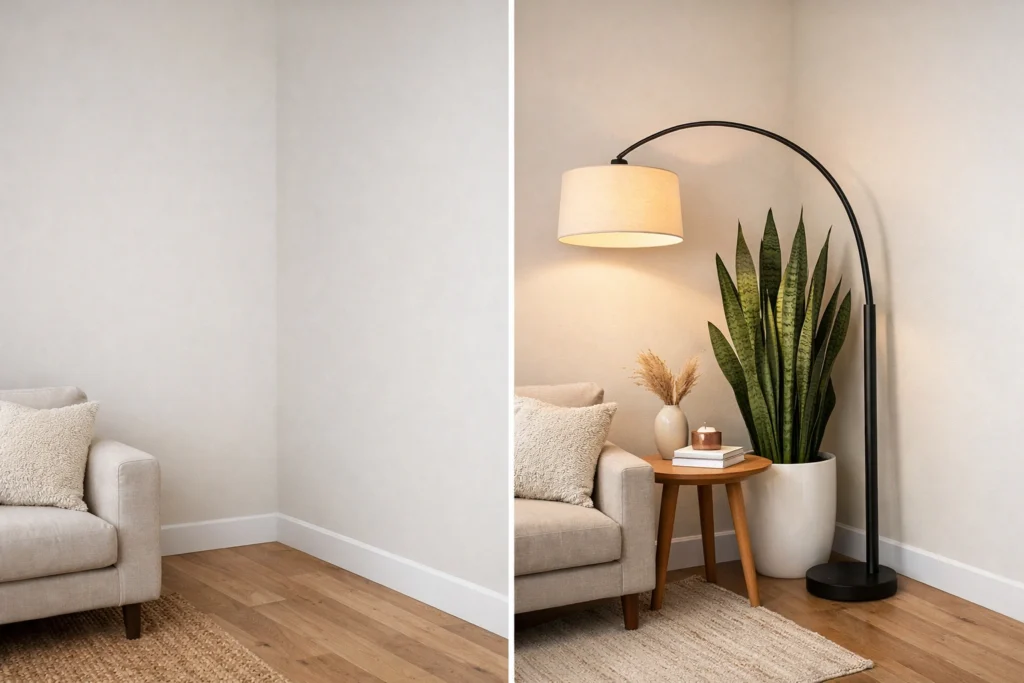
Nothing signals an unfinished room quite like a barren corner. It pulls your eye and creates a subtle feeling that something is missing — even if you can’t name exactly what. Awkward living room corners are the single most common decorating complaint among American homeowners and the good news is they’re also the easiest to solve.
you may also like this:Simple Touches That Instantly Elevate Your Home’s Curb Appeal
| Corner Type | Best Solution | Estimated Cost |
|---|---|---|
| Small, dark corner | Floor lamp + snake plant | $50–$120 |
| Large, bright corner | Reading chair + side table + lamp | $150–$400 |
| Narrow, tall corner | Ladder shelf with plants and books | $80–$200 |
| Corner near window | Accent chair or bar cart | $100–$300 |
| Awkward angled corner | Floating corner shelves | $40–$150 |
How to Turn Dead Wall Space into a Décor Statement
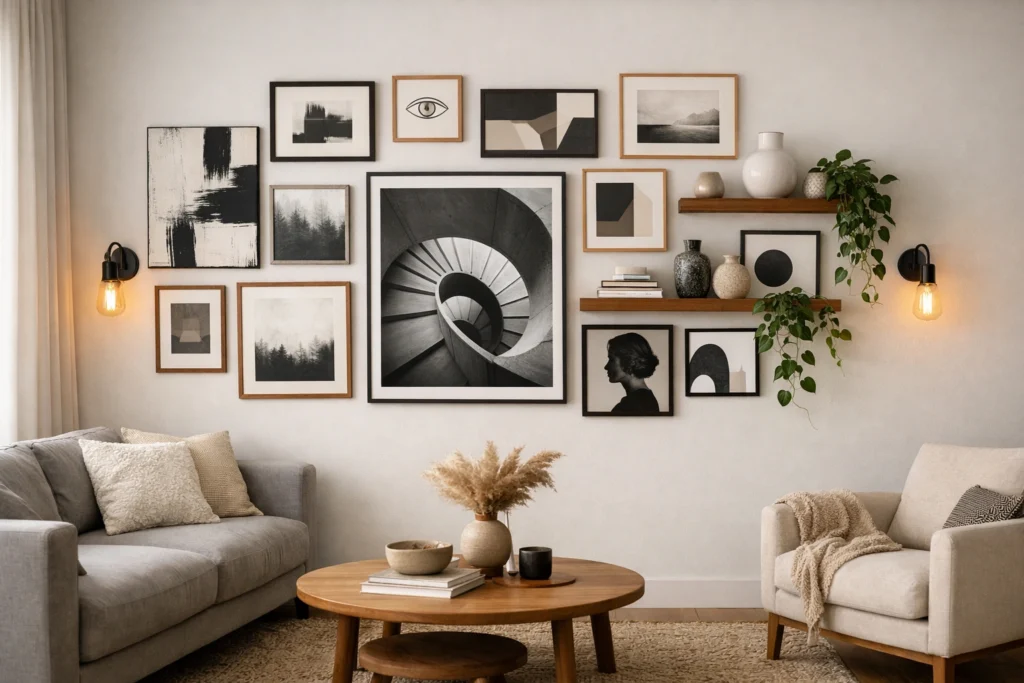
Bare walls are free real estate — and most homeowners waste every inch of it. Unused wall space décor delivers some of the highest decorating impact at the lowest cost of anything you can do in a living room. A well-styled wall stops people mid-step. A bare wall does exactly the opposite.
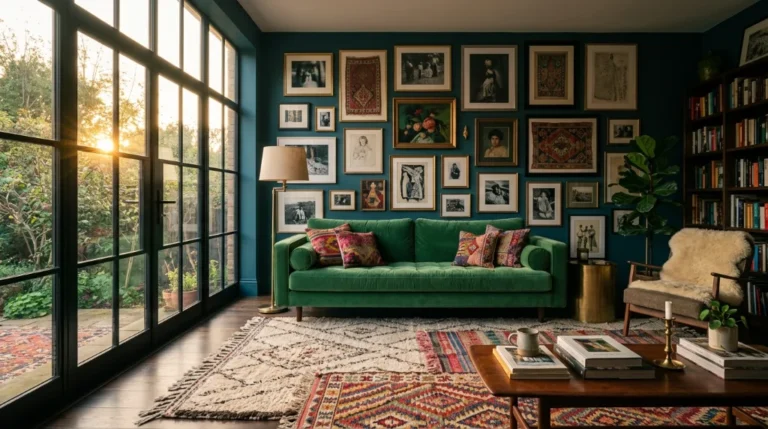
Decorating tips for forgotten wall spaces start with scale. The most common mistake is hanging art that’s too small and too high. A single large piece — at least 24 inches wide for a standard sofa — creates a clean, confident anchor. A gallery wall spanning the full width of a sofa, extending about two-thirds of the sofa’s total length on each side, feels balanced and intentional. Living room accent areas along blank walls also respond beautifully to floating shelves layered with objects — small plants, framed photos, ceramic vessels — which create depth and visual storytelling on any empty surface.
Forgotten Living Room Areas Above the Sofa — What to Do
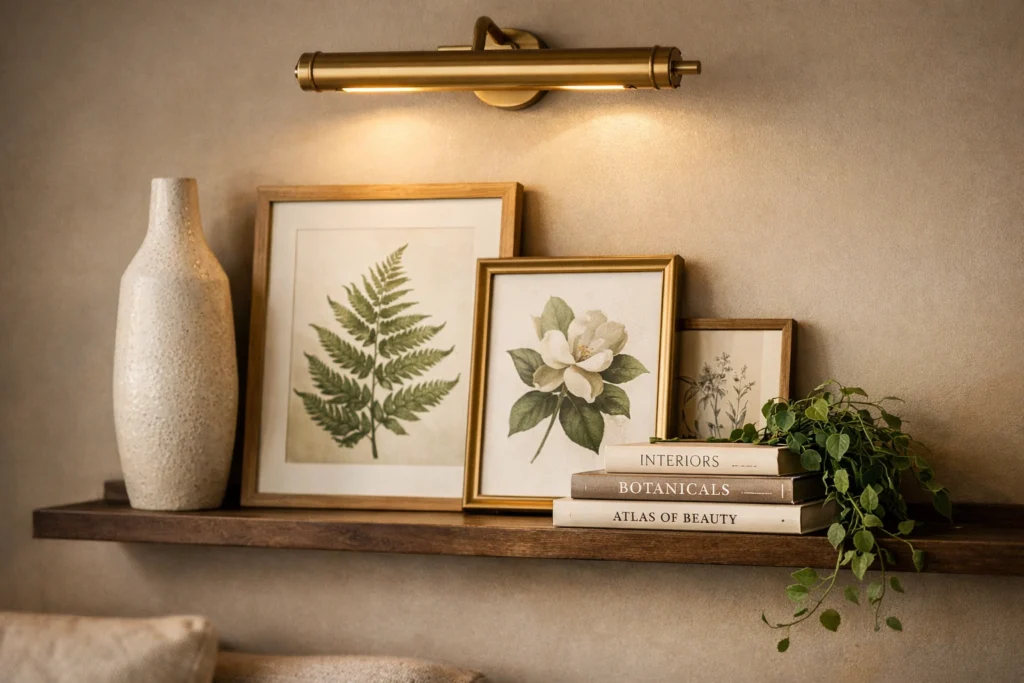
The wall directly above your sofa is prime decorating territory and one of the most wasted surfaces in the American home. Most people either leave it completely bare or hang one small piece of art that floats awkwardly in too much white space. Neither choice works. How to decorate above the sofa wall space requires a treatment that’s proportional, anchored, and scaled correctly to the furniture below.
Living room styling tips from top designers consistently point to the same rule: hang art 6 to 8 inches above the sofa back. A gallery wall that spans the sofa’s width feels bold and deliberate. A single oversized canvas creates a clean, modern look that’s hard to get wrong. Floating shelves above the sofa work beautifully in casual or eclectic rooms where mixing books, plants, and small objects feels natural. Forgotten wall spaces at home like this one respond to almost any treatment — the key is simply choosing one and committing to it with intention.
The Space Behind Your Sofa Is Wasted — Here’s the Fix
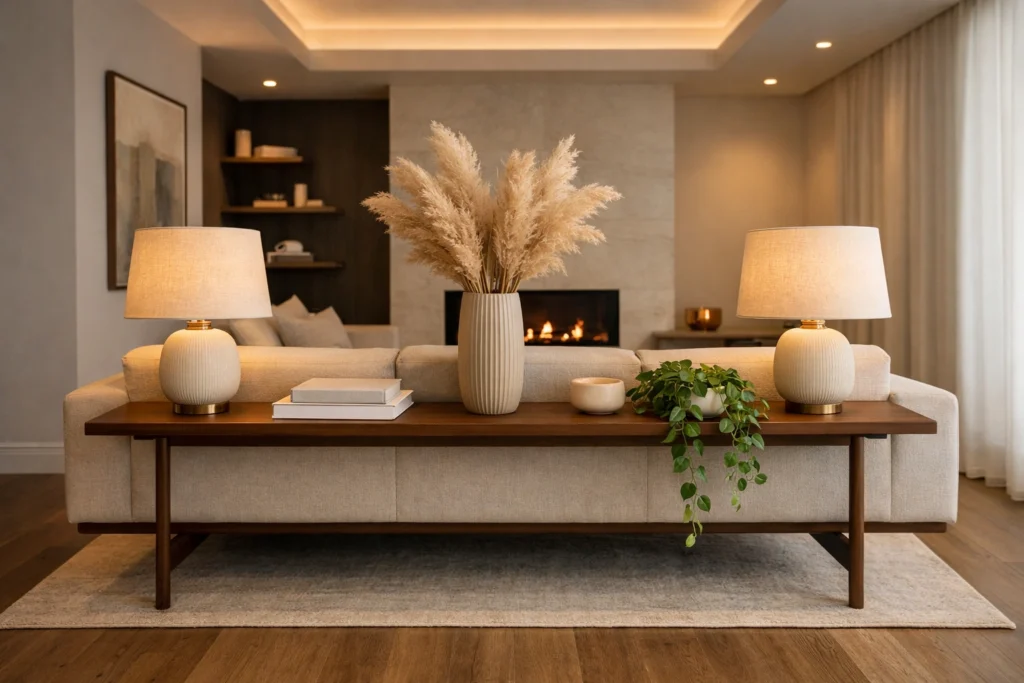
If your sofa floats in the middle of the room rather than sitting against a wall, the strip of space directly behind it becomes a classic example of wasted space in living room design. It feels purposeless, breaks the room’s flow, and often becomes a dumping ground for random objects. But this zone is actually one of the most versatile spaces you have when treated correctly.
What to do with the space behind the sofa has a simple and elegant answer: a console table. Choose one that sits close to the sofa’s height — typically 28 to 32 inches tall — and style it with a pair of table lamps, a plant, a small tray, and a stack of books. This instantly gives the floating sofa a visual anchor and adds functional surface space the room genuinely needs. Living room furniture arrangement experts consistently recommend this solution because it defines zones within an open floor plan without adding walls. A narrower sofa table in contrasting wood or metal works beautifully in smaller rooms. Some homeowners even style this zone as a casual bar setup — a tray, a few bottles, and two glasses look effortlessly pulled-together.
How to Create a Cozy Reading Nook in Unused Living Room Corners
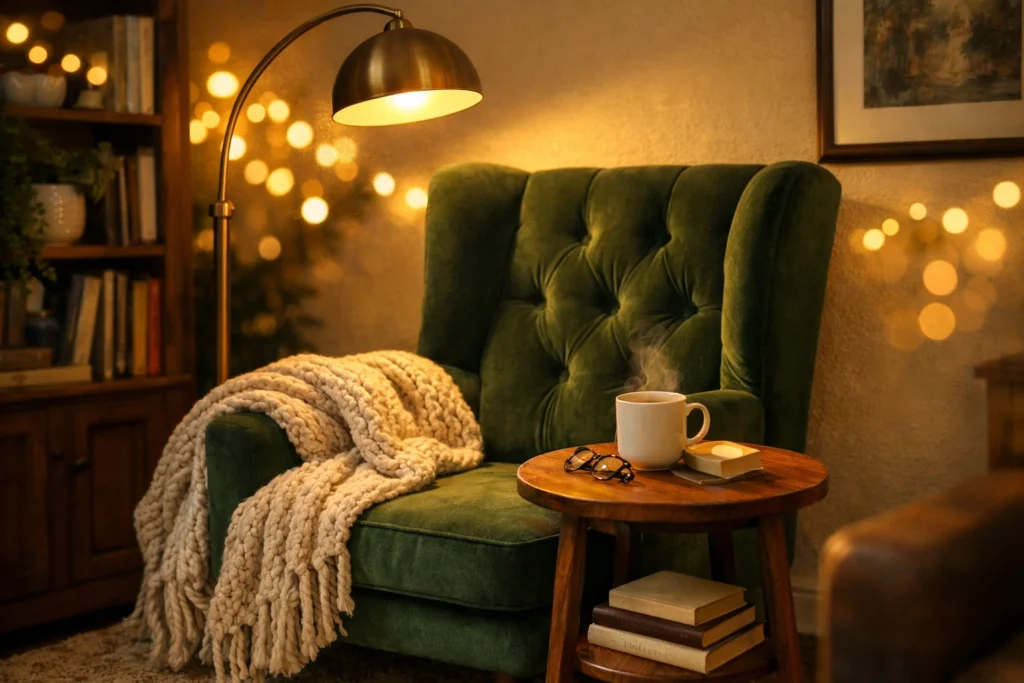
Few things in a home feel as genuinely personal as a cozy living room nook tucked quietly into an unused corner. It says this space was designed for real life — not just for show. How to style a reading nook in living room corners is one of the most rewarding decorating projects you can take on and it doesn’t require much space at all to pull off beautifully.
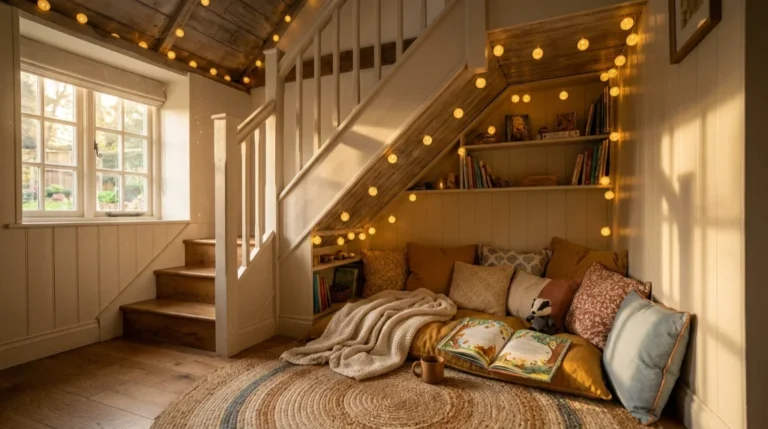
Living room nook ideas work best when they start with the right chair. A high-back accent chair creates a natural sense of enclosure that makes reading feel private and calm. Add a small side table at arm’s reach for a drink or a bookmark and position a floor lamp just over your shoulder for proper reading light. A small area rug placed beneath the chair grounds the entire nook visually and separates it from the main seating area. Layer in a soft throw blanket and two cushions and the whole setup transforms from a piece of furniture into a destination. How to make a cozy nook in your living room comes down to one principle: it should feel like a room within a room — connected to the larger space but quietly separate from it.
Turning Neglected Living Room Spots into a Home Office Nook
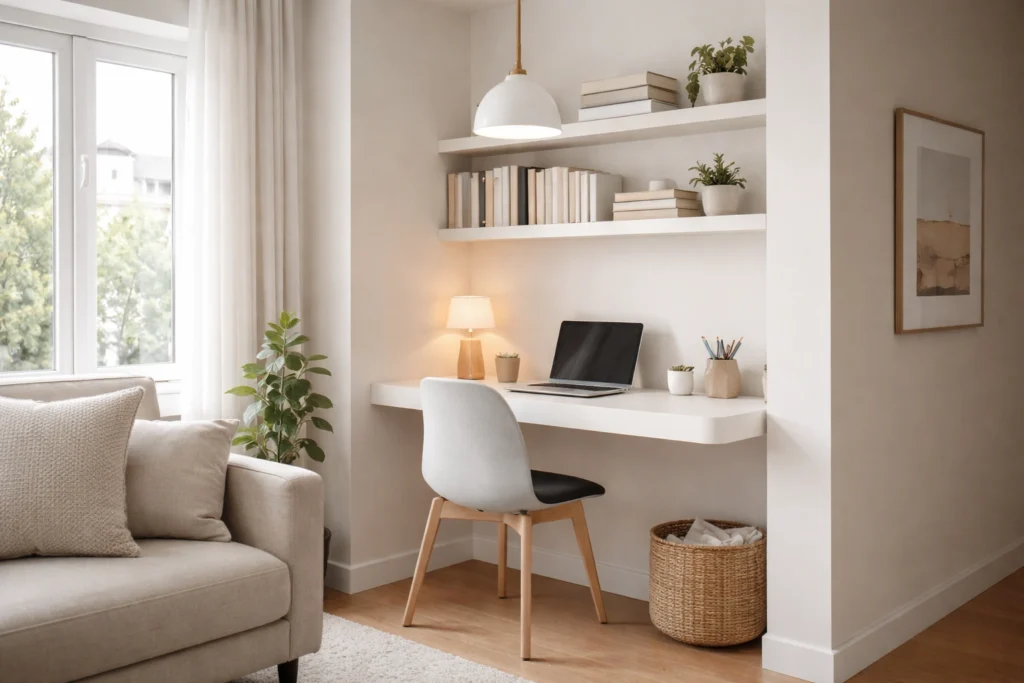
Remote work has permanently changed how Americans use their living rooms. The hidden living room potential of unused corners and wall sections is perhaps nowhere more valuable than in creating a compact home office nook that doesn’t visually disrupt the rest of the room. Neglected living room spaces like a corner alcove, a blank wall section, or the narrow space beside a bookshelf are ideal candidates.
| Home Office Nook Setup | Space Required | Cost Range |
|---|---|---|
| Wall-mounted floating desk + shelf | 30–48 inches wide | $80–$200 |
| Corner floating desk | Corner space only | $100–$250 |
| Ladder shelf repurposed as desk area | 18–24 inches wide | $60–$150 |
| Console table as standing desk | 48–60 inches wide | $80–$200 |
| Built-in alcove desk | Alcove space | $200–$600 |
Best Plants for Forgotten Living Room Corners
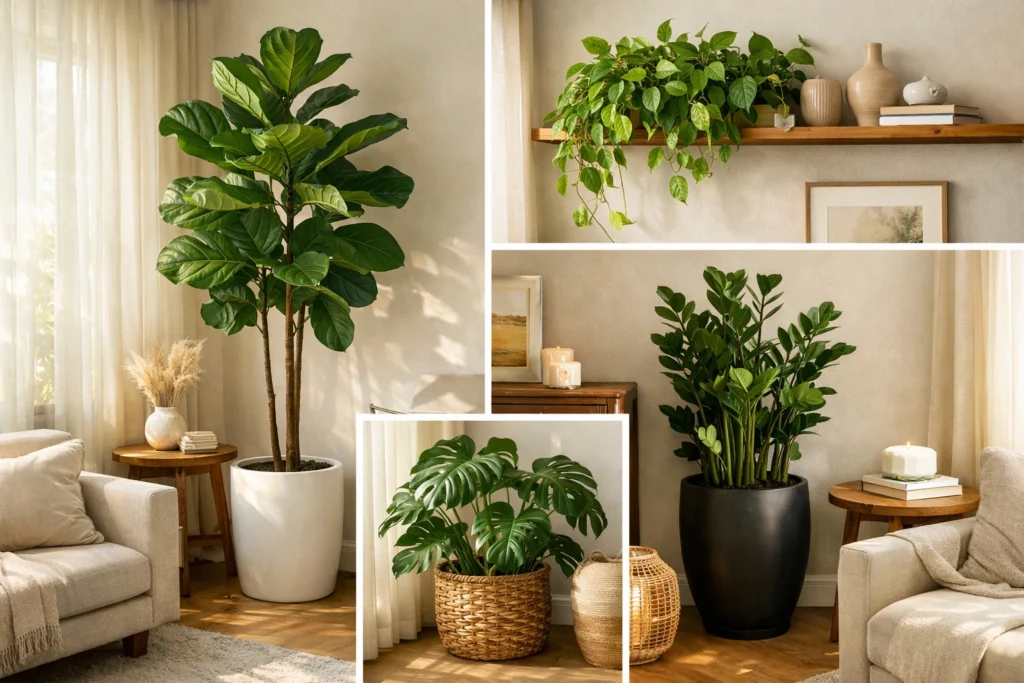
Plants are the most powerful single tool for transforming a forgotten living room area — and they thrive in the exact conditions most corners naturally have. A well-chosen plant adds height, texture, color, organic movement, and genuine life to any neglected spot in your home. Best plants for forgotten living room corners vary based on how much light the corner receives but there are excellent options for every light condition.
| Plant | Light Level | Water Frequency | Best Placement |
|---|---|---|---|
| Snake Plant | Low to indirect | Every 2–3 weeks | Dark narrow corners |
| ZZ Plant | Low to indirect | Every 3–4 weeks | Low-maintenance corners |
| Pothos | Low to medium | Weekly | Shelves, hanging baskets |
| Monstera | Indirect, medium | Weekly | Large open corners |
| Fiddle Leaf Fig | Bright indirect | Weekly | Statement bright corners |
| Bird of Paradise | Bright indirect | Weekly | Dramatic tall corners |
| Parlor Palm | Low to indirect | Every 1–2 weeks | Elegant, tropical corners |
| Rubber Plant | Medium indirect | Every 1–2 weeks | Mid-size modern corners |
Budget-Friendly Ideas for Overlooked Living Room Spaces
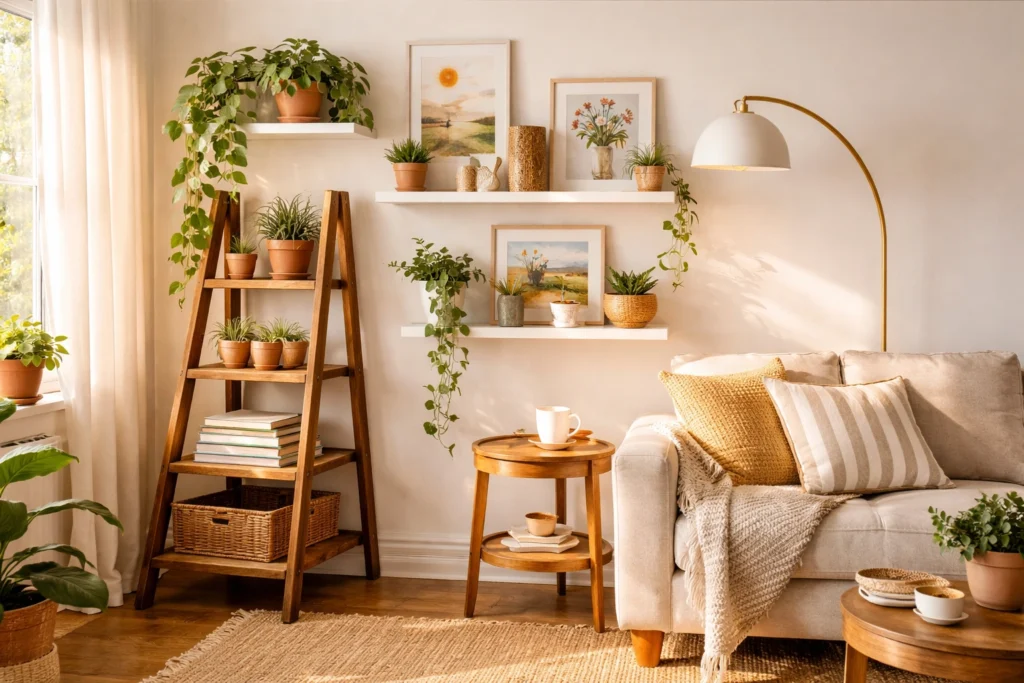
Transforming overlooked spaces in the home doesn’t require a renovation budget or a designer on retainer. Some of the most impactful living room makeover ideas cost less than $50 — and several of the best ones cost nothing at all. Budget-friendly living room space ideas start with what you already own.
| Budget Upgrade | Estimated Cost | Visual Impact |
|---|---|---|
| Trailing pothos plant | $8–$15 | High |
| Floating corner shelves | $25–$60 | Very High |
| Thrifted floor lamp | $15–$40 | High |
| Gallery wall (mixed prints) | $30–$80 | Very High |
| Console table (secondhand) | $40–$100 | Very High |
| Small area rug for corner nook | $25–$75 | High |
| Woven basket + throw blanket | $20–$50 | Medium-High |
| Decorative ladder (thrifted) | $10–$30 | Medium-High |
How Lighting Can Transform Forgotten Areas in Your Living Room
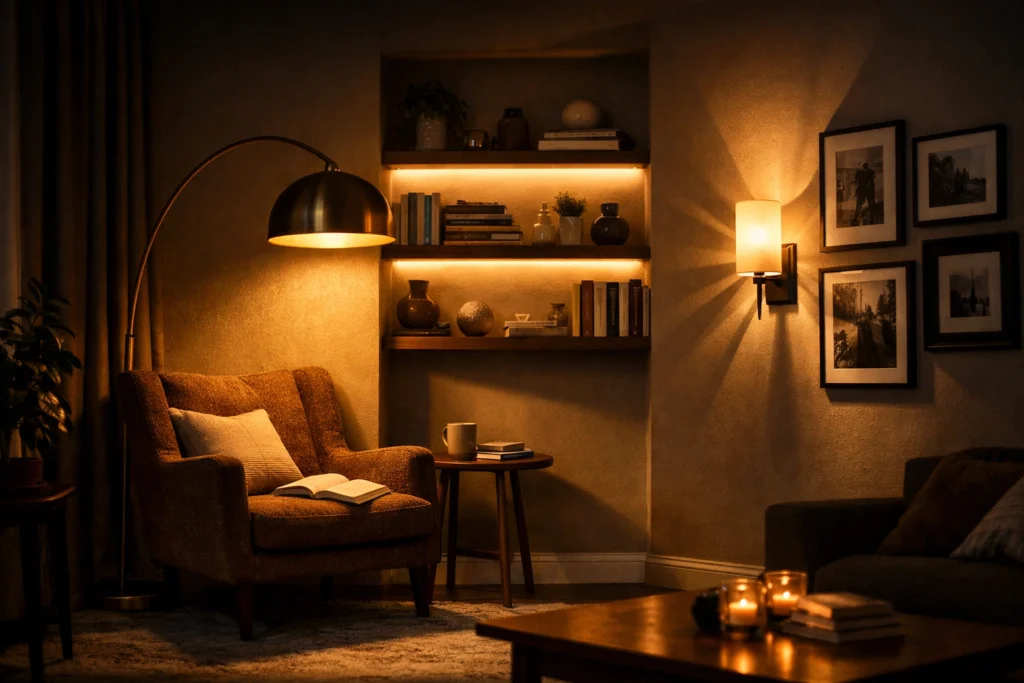
Lighting is the most underestimated design tool in the home. Most homeowners install one overhead fixture, call it done, and live with a flat, uninspiring room forever. Living room interior design professionals know something different — layered light transforms any space. And forgotten living room areas respond to thoughtful lighting more dramatically than almost anything else you can add.
Floor lamps are the workhorses of corner transformation. An arc floor lamp over a reading chair creates warm task lighting and a visual anchor in a previously dark spot. Wall sconces mounted on either side of a gallery wall add depth and theater without consuming any floor space. LED strip lighting installed along the back edge of floating shelves casts a warm ambient glow that makes even a simple shelf arrangement look gallery-worthy. For dark plant corners, a stylish grow light solves the low-light problem and adds a decorative element simultaneously. What furniture works best in awkward spaces is an important question — but equally important is how you light those spaces once the furniture is in place. Creative living room décor zones only reach their full potential when the lighting layer is present.
Furniture Ideas for Awkward and Underutilized Living Room Spaces
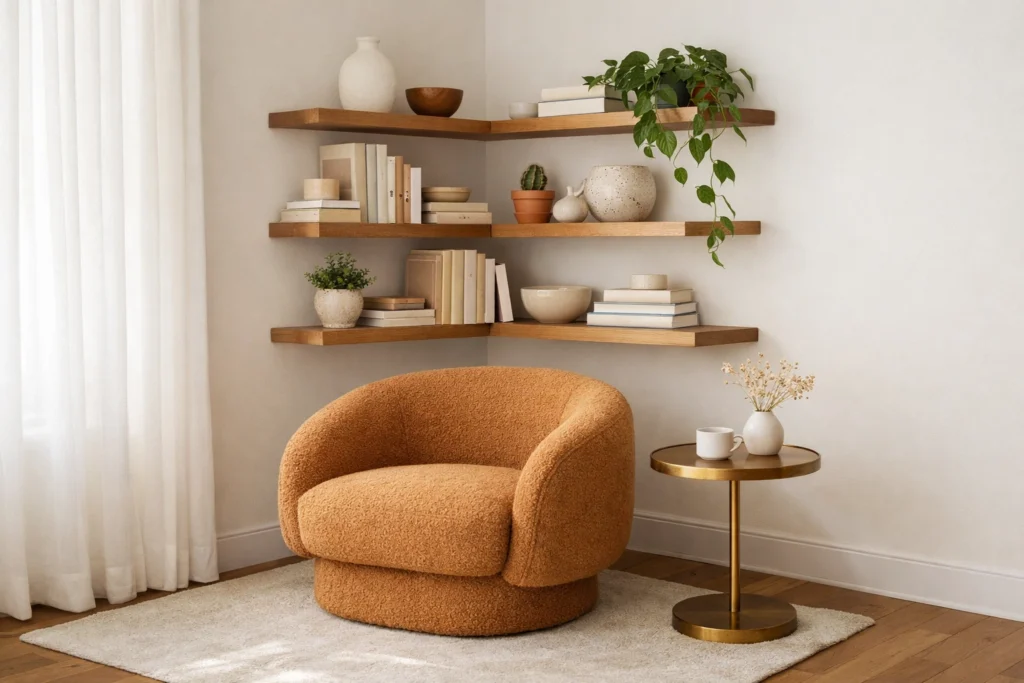
Awkward living room corners and oddly shaped wall sections challenge even experienced decorators. Standard rectangular furniture rarely fits these zones well and the wrong choice makes an already difficult area feel worse. Easy fixes for awkward living room layouts start with choosing pieces specifically designed for unusual geometry.
Corner shelving units — both freestanding and floating — are purpose-built for exactly the angle where two walls meet. They maximize display and storage space without wasting the triangular floor area that makes corners so frustrating to furnish. Slim console tables work brilliantly in narrow wall sections too tight for a sofa but too wide to leave bare. A curved accent chair or a round pedestal side table softens rigid corner angles and introduces organic shape into a space dominated by straight lines. For very tight spots, a tall narrow ladder shelf provides significant visual height and genuine storage in a footprint as slim as 18 inches. Living room corner furniture that stacks — modular shelving systems, nesting tables, fold-down desks — offers remarkable flexibility for spaces that need to serve multiple purposes throughout the day.
How to Use Vertical Space in Small Living Room Areas
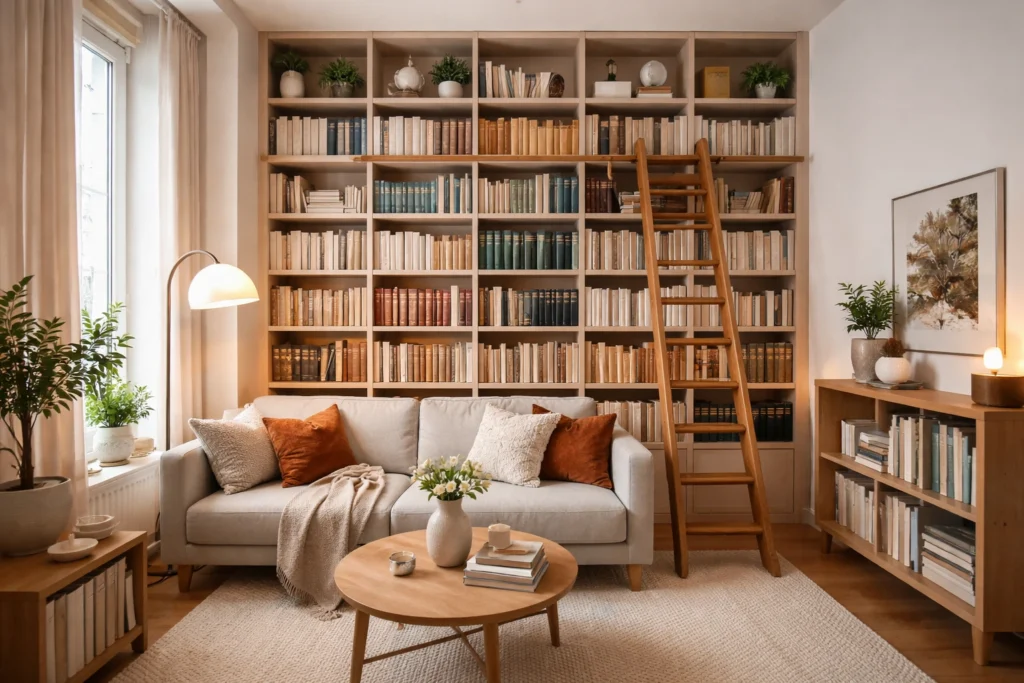
Most homeowners think horizontally when they decorate. They fill the floor and push furniture toward walls and measure success in square footage. But the vertical plane — that generous stretch of wall between your furniture tops and your ceiling — sits almost completely wasted in the average American living room. In a small living room layout, using vertical space effectively can double your usable surface area without touching the floor plan at all.
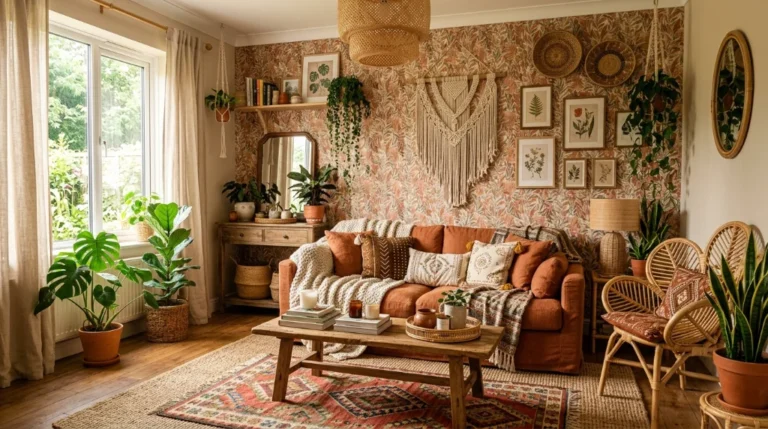
How to use vertical space in a small living room starts with floor-to-ceiling bookcases. They draw the eye upward, make ceilings feel taller, and provide enormous amounts of both storage and display space. Freestanding tall bookcases from IKEA or similar retailers achieve nearly the same visual effect as custom built-ins for a fraction of the cost. Hanging macramé planters, wall-mounted pot holders, and tiered hanging shelves all use the vertical plane to lift plants and objects completely off the floor. Living room space optimization through vertical layering — multiple floating shelves installed at varying heights, gallery walls running from eye level up toward the ceiling line — makes every forgotten living room area feel considered, complete, and genuinely larger than it actually is.
Forgotten Living Room Areas That Can Become Stylish Display Zones
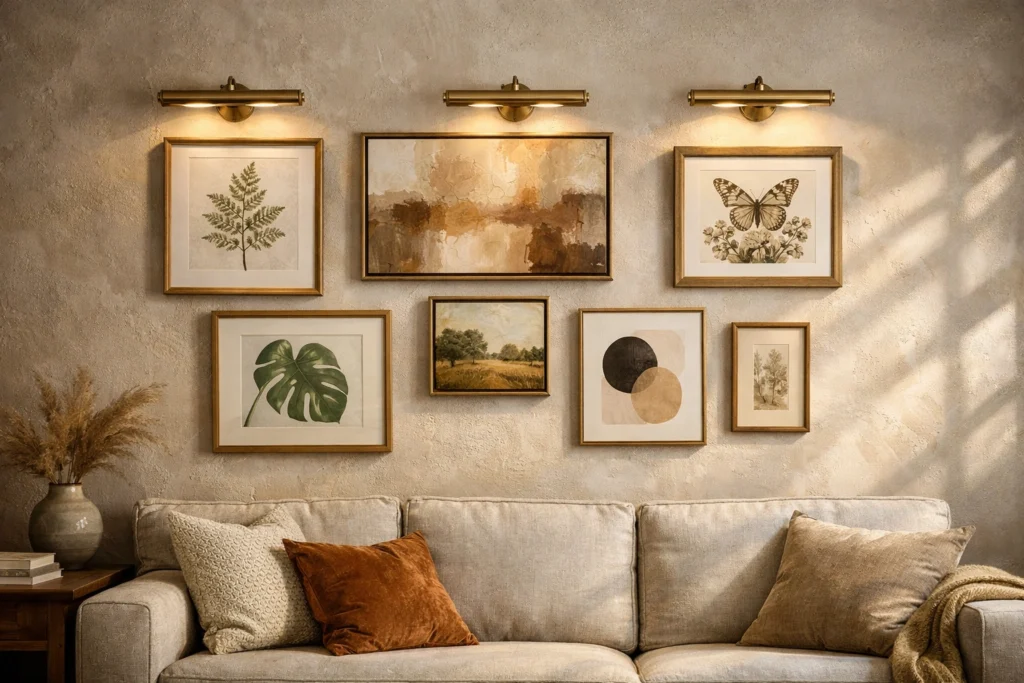
Display zones are the curated moments in a room. They’re the arrangements of objects, art, and plants that tell your story, express your taste, and make your home feel uniquely yours. Every forgotten living room area has the potential to become one of these moments. The wall above the console table. The corner beside the fireplace. The narrow ledge above the doorframe. Each one is a stage waiting for its scene.
Creative living room décor zones follow one simple principle: vary height, vary texture, vary scale. A tall ceramic vase beside a short stack of books beside a small framed print creates visual rhythm that feels intentional and alive. How to style neglected areas in your living room works best when you use odd numbers — three or five objects arranged in a loose triangle feel balanced without being rigid or symmetrical. Gallery ledges — narrow floating shelves designed for leaning art — are among the most flexible display solutions available because you can swap pieces in and out without adding new holes in the wall. Simple ways to refresh neglected living room areas don’t need to be complicated or expensive. One beautiful object on a small pedestal, lit by a directional lamp, is all it takes to transform a forgotten corner into the most intentional spot in the room.
Final Thoughts — Every Corner of Your Living Room Has Purpose
Every forgotten living room area in your home is waiting for a second chance. The bare corner. The blank wall. The awkward gap. The space nobody touches. None of these spots are design failures — they’re simply opportunities that haven’t been addressed yet. And as this guide has shown, the solutions are accessible, affordable, and genuinely rewarding to implement. A $10 plant. A rearranged bookshelf. A thrifted floor lamp placed with intention. These aren’t small gestures — they’re the difference between a room that’s furnished and a room that’s truly finished.
Turning forgotten living room areas into purposeful places is ultimately about making your home feel complete — every inch of it deliberate, every corner considered. The living room is where life happens. It deserves to be fully, unapologetically designed. Start with one corner. Give it purpose. Watch how the rest of the room responds. You’ll wonder why you waited so long to start.
One Comment