
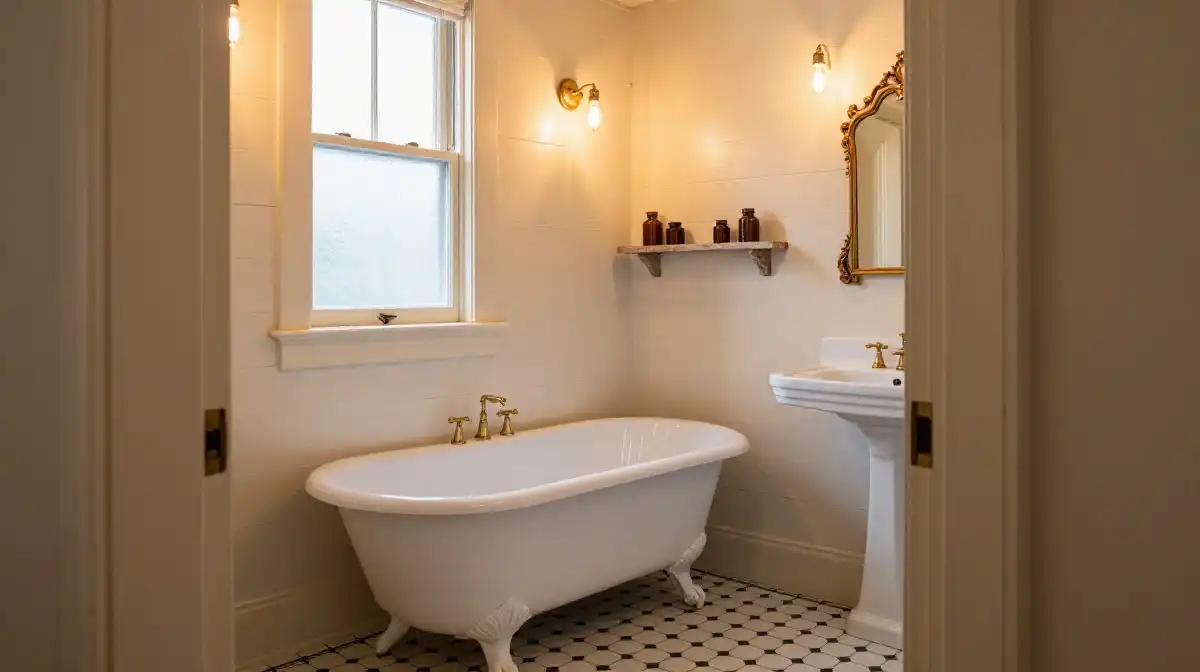
14 Small Vintage Bathrooms The Complete Guide to Creating a Timeless and Charming Space You Will Never Want to Leave
Some rooms in a home feel purely functional. The bathroom doesn’t have to be one of them. Small vintage bathrooms prove every single day that a compact space can carry extraordinary character — the kind that makes guests pause at the doorway and ask who designed it. Vintage style isn’t about recreating the past perfectly. It’s about selecting the most beautiful elements of earlier eras and weaving them into a space that feels genuinely timeless. This guide gives you everything you need to do exactly that.
What Makes a Small Bathroom Truly Vintage and Why This Style Is Having Its Biggest Moment Yet
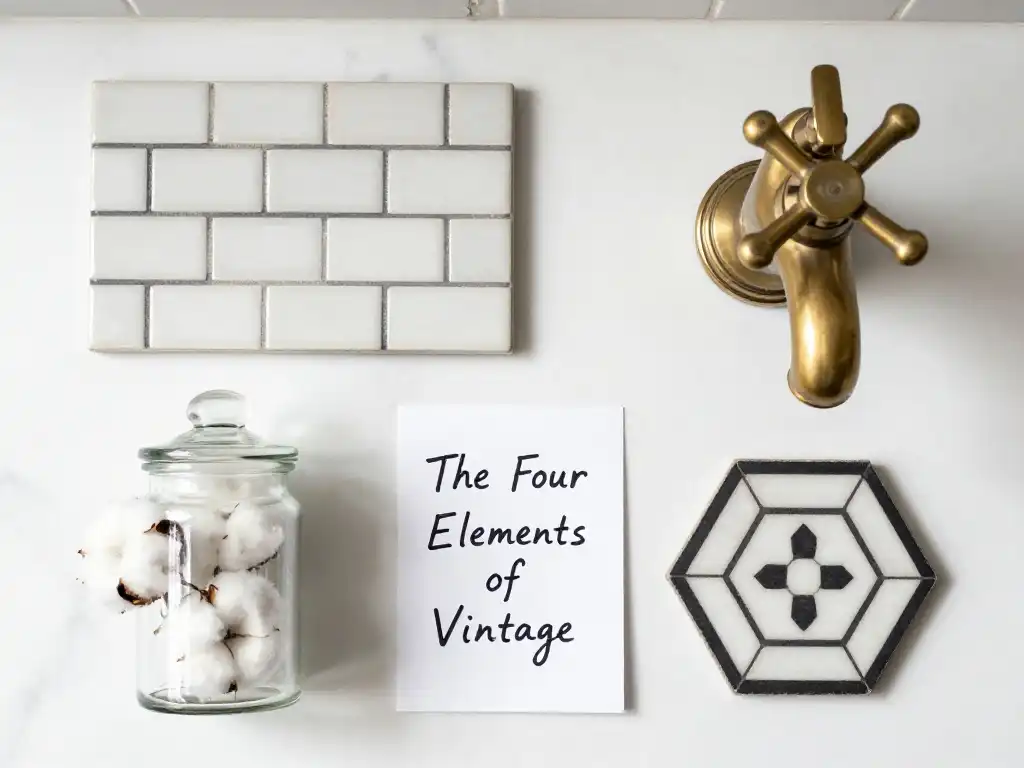
A bathroom earns the vintage label through authenticity of detail rather than age of materials. What makes a bathroom look vintage comes down to four elements working together — period-appropriate fixtures, tactile surface materials, a restrained color palette and carefully chosen accessories that tell a cohesive visual story. Miss one of these and the space reads as merely old-fashioned rather than intentionally curated.
The vintage bathroom revival is accelerating across the USA right now and the reasons aren’t difficult to understand. Modern all-white minimalist bathrooms have dominated interior design for over a decade. People are craving warmth, character and spaces that feel genuinely personal. Vintage style bathroom design delivers all three simultaneously. Social media platforms have amplified the movement dramatically — a beautifully executed small vintage bathroom design generates engagement that a standard white-tile renovation never could.
Best Color Palettes for Small Vintage Bathrooms That Feel Timeless and Elegant

Color is the first decision that shapes everything else in a vintage bathroom color ideas project. The most enduring vintage bathroom palette is the classic black and white tile combination — a black and white palette that has defined American bathroom design from the 1920s through the 1950s and looks just as fresh today as it did a century ago. White walls with black hex tile floors. White subway walls with black grout. The contrast is crisp, clean and unmistakably vintage.
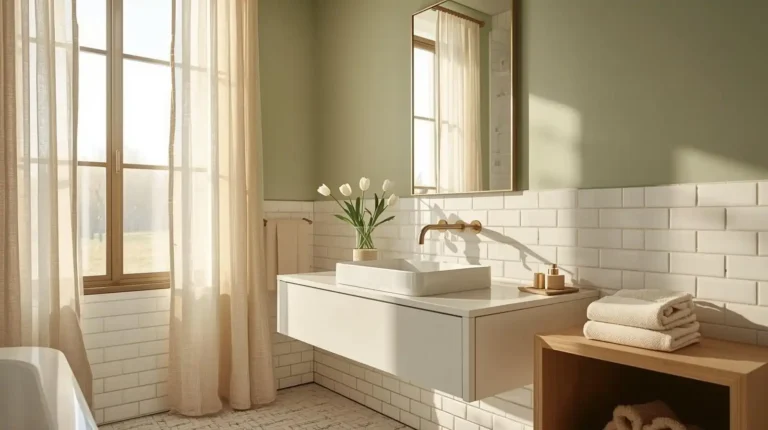
Beyond black and white, the retro color palette of the mid-century era opens up beautifully in small spaces. Soft sage green, dusty blush pink, warm butter yellow and pale aqua all appear authentically in vintage bathrooms from different decades. These muted, slightly chalky tones photograph beautifully and feel genuinely period-appropriate rather than trendy. For a vintage bohemian bathroom ideas approach, combine two or three of these soft tones — sage green beadboard with dusty pink walls and warm cream fixtures creates a layered, maximalist vintage atmosphere that feels deeply personal and completely distinctive.
Best Vintage Color Palettes by Era
| Era | Dominant Colors | Accent Colors | Best Style Match |
|---|---|---|---|
| 1920s–1930s | White, black | Chrome, ivory | Victorian, Art Deco |
| 1940s–1950s | Pale pink, mint green | White, chrome | Retro, farmhouse |
| 1950s–1960s | Aqua, yellow, pink | White, gold | Mid-century retro |
| 1970s | Avocado, harvest gold | Brown, cream | Eclectic vintage |
| Timeless | Black and white | Brass, warm white | Any vintage style |
Best Vintage Tile Ideas for Small Bathrooms That Add Character to Every Corner
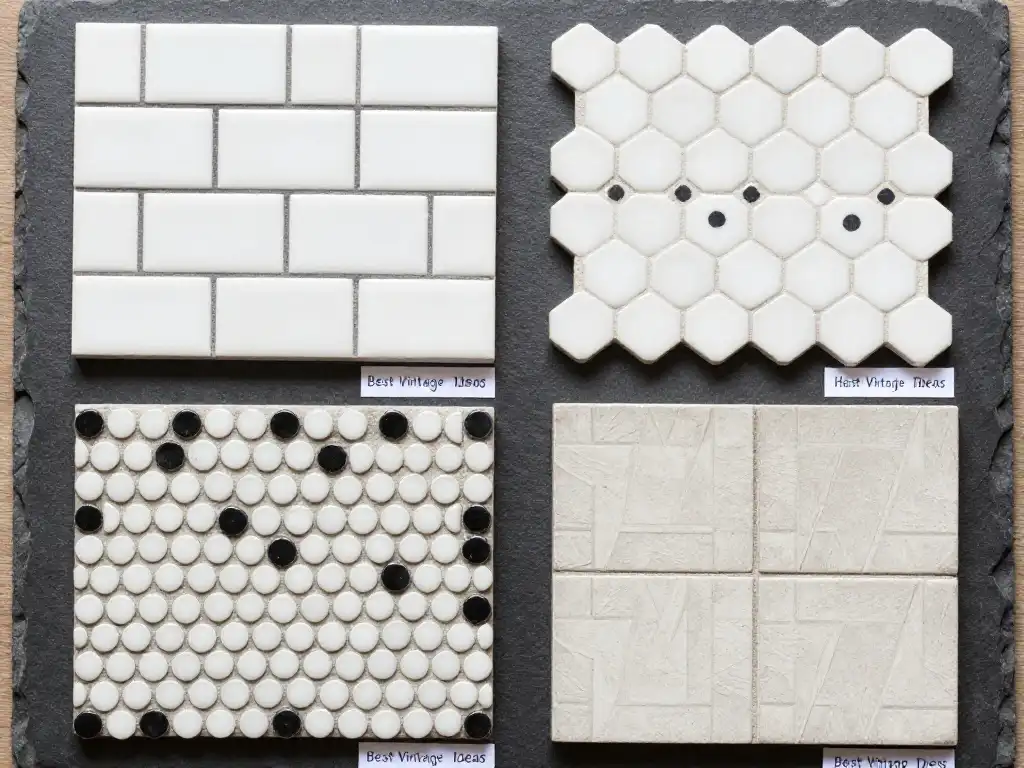
Tile is the most permanent and most powerful vintage statement you can make in a bathroom. What tiles are best for a vintage bathroom depends on which era you’re drawing from but several tile types span the full vintage spectrum with equal authenticity. Subway tiles are the most versatile — rectangular white ceramic subway tiles appeared in American bathrooms from the early 1900s onward and remain the single most recognizable marker of vintage bathroom design today.
you may also like this:13 Emerald Green Bathroom Ideas That Feel Luxurious and Bold
Small vintage bathroom tiles gain maximum character from how they’re installed as much as from which tile is chosen. Subway tiles laid in a classic brick pattern with contrasting dark grout read as deeply vintage. The same tiles laid vertically with white grout read as modern. Hexagon floor tiles — particularly the classic small white hexagon with black dot accents — are the definitive vintage bathroom floor and appear in more period-home restorations than any other tile type. Penny tile floor designs using small round ceramic tiles in white or black and white patterns deliver equally authentic vintage character and work beautifully in compact spaces because the small scale of the tile actually makes a small floor feel more expansive rather than busy.
How to Choose the Perfect Vintage Vanity or Sink for a Small Bathroom

The vanity or sink is the functional centerpiece of every bathroom. In a vintage bathroom vanity small space, the choice between a pedestal sink and an antique vanity shapes everything about how the room looks and functions. These two options represent very different design philosophies and understanding the tradeoff between them is essential before making any purchase.
A pedestal sink is the most space-efficient choice for a genuinely small bathroom. Its slender column base takes up minimal floor space, allows the eye to travel to the floor unobstructed — which makes small rooms feel larger — and immediately establishes a Victorian or early-American vintage aesthetic. The significant tradeoff is storage. A pedestal sink provides none. For anyone who needs under-sink storage, a vintage pedestal sink small bathroom setup requires supplementary storage solutions elsewhere in the room. An antique vanity — whether a genuine period piece or a quality reproduction — provides both sink and storage in one unit. Look for pieces at antique markets, estate sales and architectural salvage yards where genuine period vanities can be found at prices that often undercut modern reproduction pieces significantly.
Best Vintage Fixtures and Hardware That Instantly Transform Any Small Bathroom
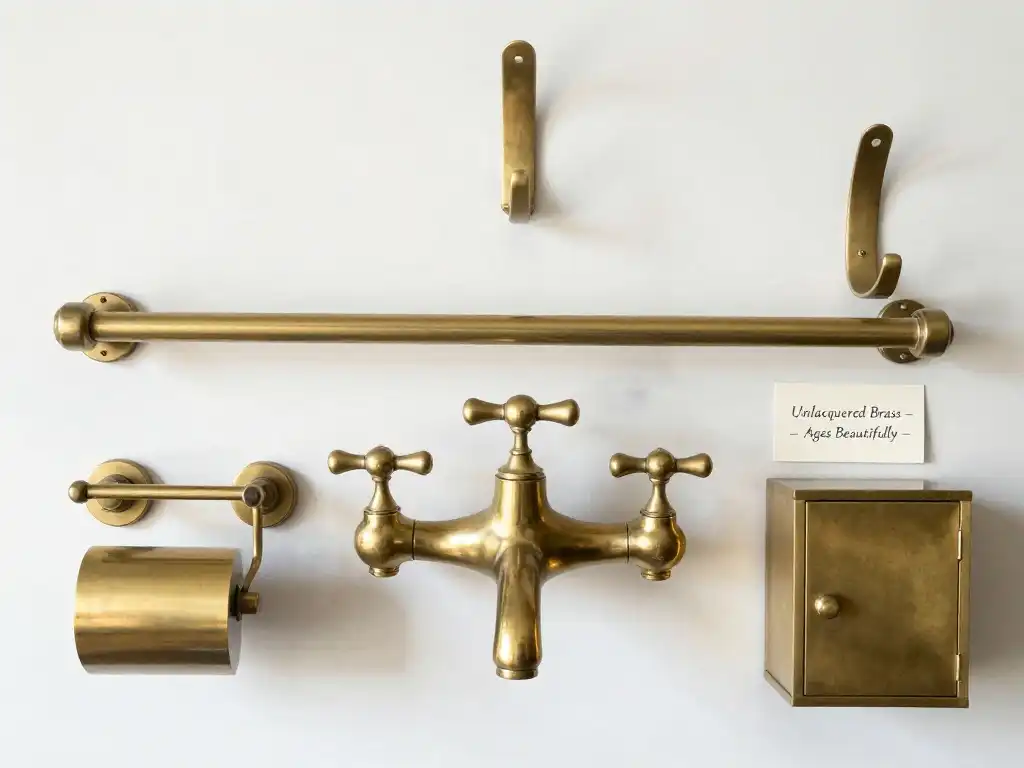
Fixtures and hardware are the jewelry of a bathroom. They’re small in scale but enormous in visual impact. Vintage bathroom fixtures in the right finish can transform an otherwise ordinary bathroom into something that looks genuinely period-authentic. Brass fixtures are currently the most sought-after choice for vintage bathroom design — their warm, golden tone works beautifully against white subway tiles, hex floors and painted walls in any vintage palette.
Antique hardware in unlacquered brass develops a natural patina over time that actually becomes more beautiful with age — deepening in color and character in a way that polished chrome never does. This aging quality is precisely what makes it feel authentically vintage rather than mass-produced. A vintage faucet in a cross-handle design — the kind with separate hot and cold taps — immediately signals pre-modern plumbing aesthetics and costs no more than a standard modern faucet at most plumbing supply retailers. Pair a cross-handle vintage faucet with a matching towel bar, robe hook and toilet paper holder in the same brass or oil-rubbed bronze finish and the entire bathroom transforms without touching a single tile.
How to Use Vintage Wallpaper in a Small Bathroom Without Making It Feel Smaller
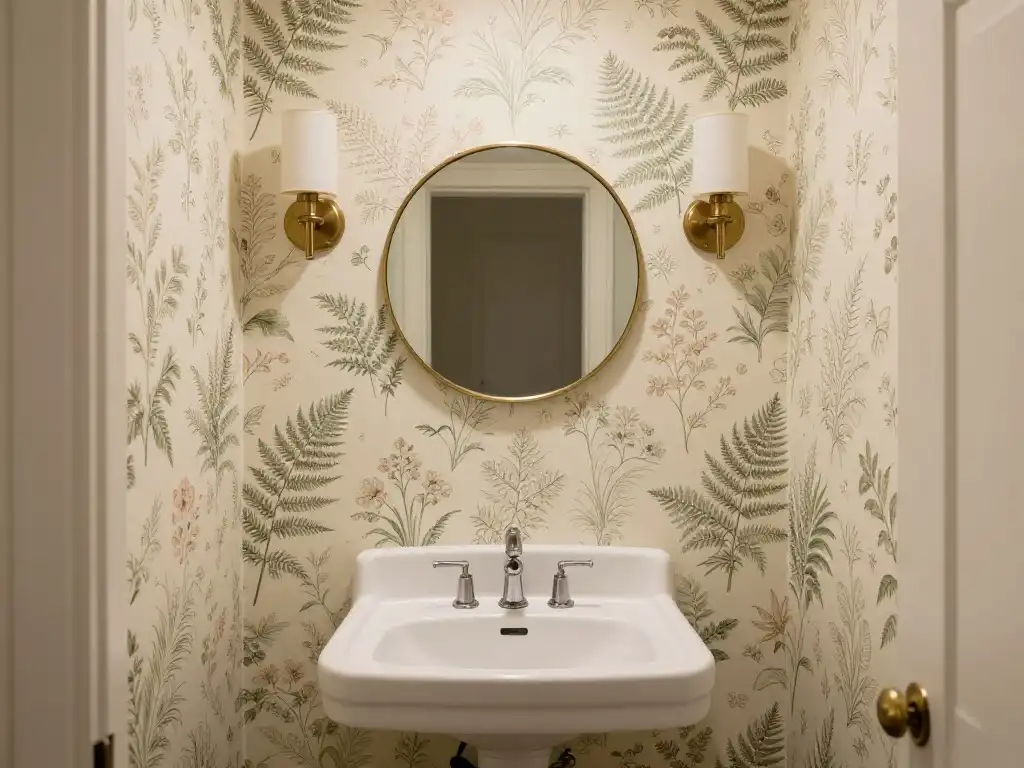
Vintage wallpaper is the most dramatically transformative single element available in small vintage bathroom design — and also the one that most homeowners approach with the most anxiety. The fear is understandable. Wallpaper in a small room risks overwhelming the space and making it feel claustrophobic. Done correctly, however, it does the opposite — it gives the eye something beautiful to engage with and makes a small bathroom feel intentionally designed rather than merely compact.
How to use vintage accessories in a small bathroom wallpaper context follows one clear principle — scale. Choose a pattern where the individual design elements are no larger than four to five inches in their largest dimension. Smaller-scale patterns — delicate florals, small geometric repeats, fine botanical prints — maintain visual interest without visually compressing the walls. Vintage wallpaper in a small vintage powder room ideas space benefits from being applied on all four walls rather than just one accent wall — full coverage creates an immersive jewel-box effect that makes a tiny powder room feel genuinely luxurious rather than small.
Best Flooring Ideas for Small Vintage Bathrooms That Look Original and Authentic
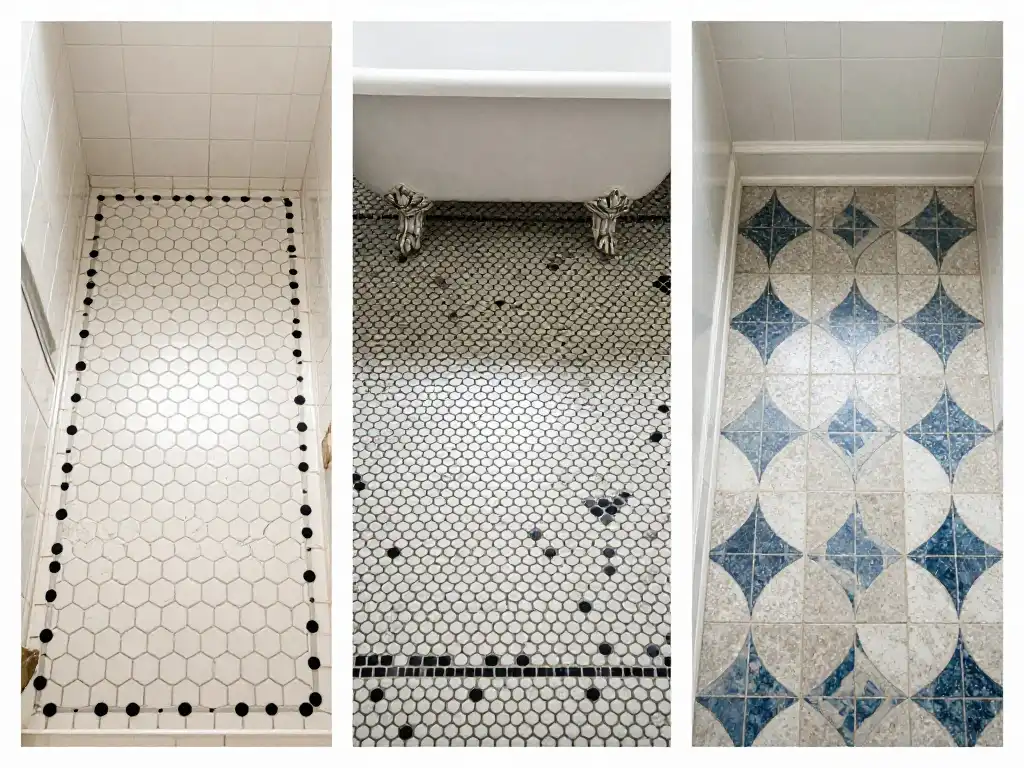
What flooring suits a vintage small bathroom is a question with a beautifully clear answer — the floors that look most authentic are almost always the ones that appeared in American bathrooms during the period you’re referencing. For Victorian and early twentieth-century aesthetics, hexagon floor tiles in white ceramic with black accent dots are the definitive choice. They appear in virtually every period-home bathroom restoration and in countless new vintage-inspired designs because their scale and pattern work with almost every vintage color palette.
Penny tile floor — small round ceramic mosaic tiles in white, black or a combination — offers a slightly more artisanal, hand-crafted quality that suits cottage and bohemian vintage styles beautifully. For a small vintage farmhouse bathroom, wide-plank wood-effect flooring in a warm honey or aged grey tone connects the bathroom to the farmhouse aesthetic without the moisture risk of actual wood. Encaustic cement tiles in geometric patterns are the most dramatic vintage floor option — their rich colors and intricate patterns make the floor itself the focal point and work brilliantly in a vintage eclectic small bathroom where maximalism is the intended aesthetic.
How to Light a Small Vintage Bathroom to Bring Out Its Full Charm and Warmth
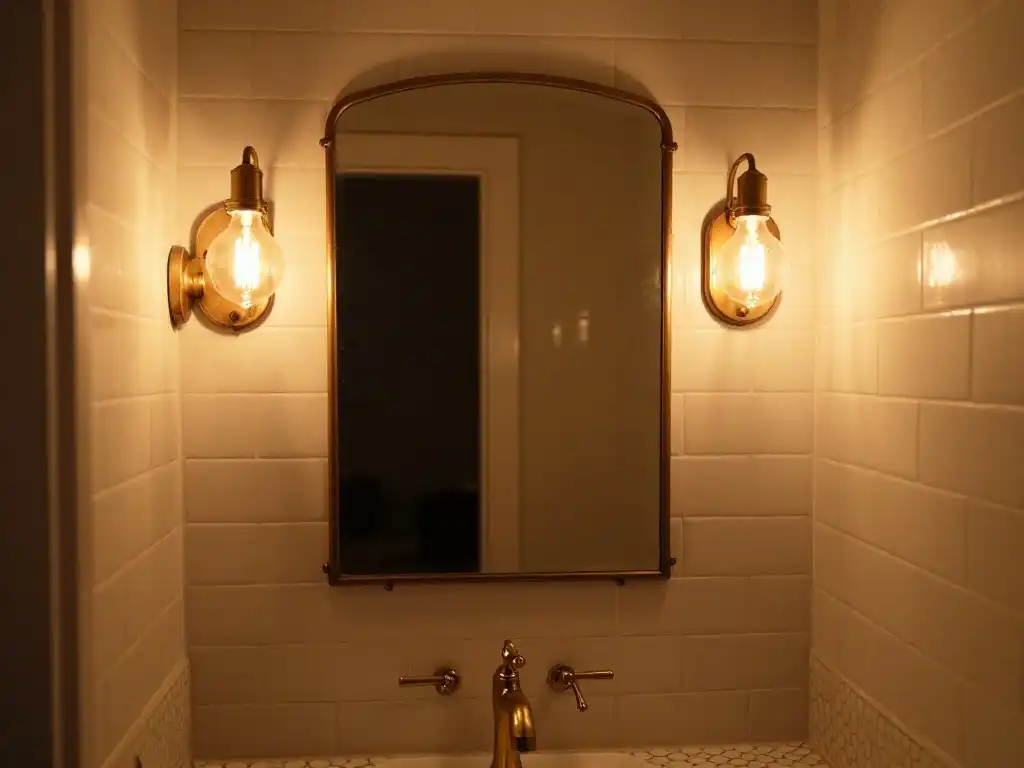
What lighting works best in a vintage bathroom is answered by understanding how light worked in period bathrooms — warmly, softly and from multiple sources rather than a single overhead fixture. Modern recessed lighting floods a bathroom with flat, even illumination that erases shadows and depth. Vintage lighting creates warmth, dimension and atmosphere through the quality and direction of light rather than just its quantity.
Vintage light fixtures in the form of wall-mounted sconces flanking the mirror are the most authentic and most flattering lighting arrangement for a small vintage bathroom. Sconces positioned at eye level — roughly 60 to 65 inches from the floor — eliminate the harsh downward shadows that overhead lighting creates on the face. Choose vintage light fixtures with Edison bulb exposure — clear globe bulbs, cage-style fixtures or milk glass shades all read as period-appropriate and produce warm amber light that flatters both the bathroom finishes and the people using the space. A vintage style sconce in aged brass or antique bronze with a warm-white Edison bulb creates exactly the kind of atmospheric, flattering illumination that makes a vintage style bathroom feel genuinely lived-in and beautiful.
Best Wall Treatment Ideas for Small Vintage Bathrooms Using Beadboard and Wainscoting
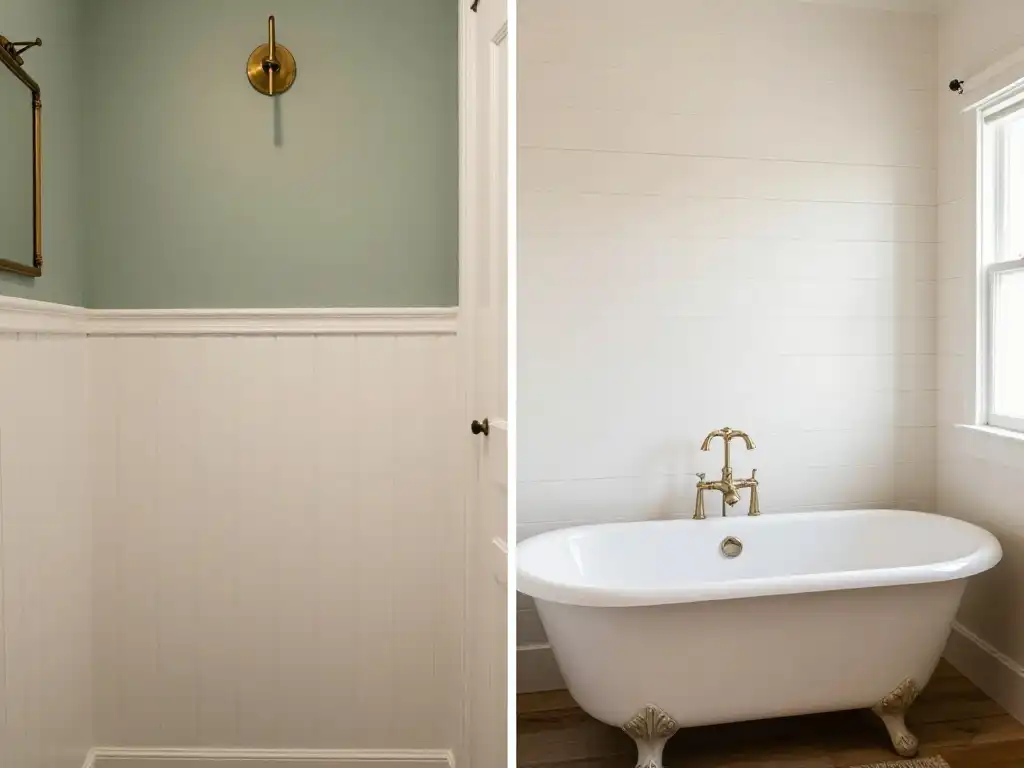
Wall treatments add architectural character that paint alone can never achieve. In small vintage bathrooms, the wall surface between the floor and the ceiling is prime real estate for the kind of detail that makes a space feel genuinely designed rather than decorated. Beadboard paneling and wainscoting panels are the two most historically authentic choices for vintage bathroom walls and both work beautifully in compact spaces.
Beadboard paneling — the classic narrow-plank vertical paneling with a routed bead groove between each plank — appears authentically in American bathrooms from the late 1800s through the 1950s. Installed to chair-rail height at approximately 36 inches and painted in a crisp white or soft color, it immediately transforms a plain bathroom into something that looks genuinely period-appropriate. Shiplap walls offer a slightly more rustic alternative to beadboard — the horizontal overlapping planks suit a small vintage farmhouse bathroom or cottage aesthetic particularly well. Wainscoting panels with a more formal raised-panel design suit Victorian and Colonial revival aesthetics and add significant architectural gravitas even in the smallest powder room. A small vintage bathroom with shiplap on one wall behind the freestanding tub creates a focal point that photographs beautifully and requires only basic carpentry skills to install.
How to Add a Clawfoot Tub or Freestanding Tub to a Small Vintage Bathroom
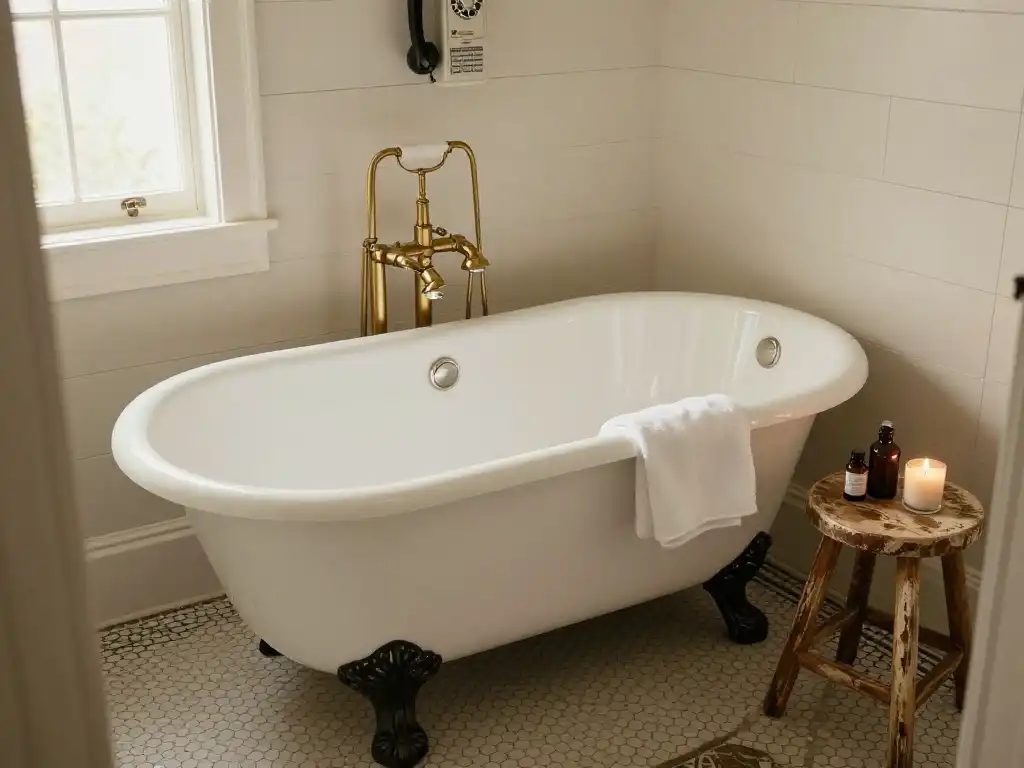
A clawfoot bathtub is the single most iconic element of vintage bathroom design. Nothing else communicates Victorian domestic luxury quite as immediately or as powerfully. The question most homeowners ask is whether a clawfoot tub small bathroom is actually viable — and the answer is yes, with the right planning. A standard clawfoot bathtub measures approximately 55 to 60 inches long by 30 inches wide. Any bathroom with at least 5 feet by 7 feet of floor space can accommodate one if the other fixtures are arranged efficiently.
A freestanding tub that doesn’t qualify as a traditional clawfoot bathtub — without the ornate feet — offers a slightly more streamlined silhouette that suits modern vintage and transitional aesthetics beautifully while taking up no more floor space. Cast iron tub construction is the most authentic and most durable option — cast iron tub models retain heat dramatically longer than acrylic alternatives and develop a beautiful aged patina over decades of use. For a vintage cottage bathroom ideas with limited space, a slipper-style freestanding tub with one raised end positions beautifully against a shiplap walls feature wall to create a focal vignette that looks deliberately styled and genuinely spectacular.
Best Storage Solutions for Small Vintage Bathrooms That Are Beautiful and Functional
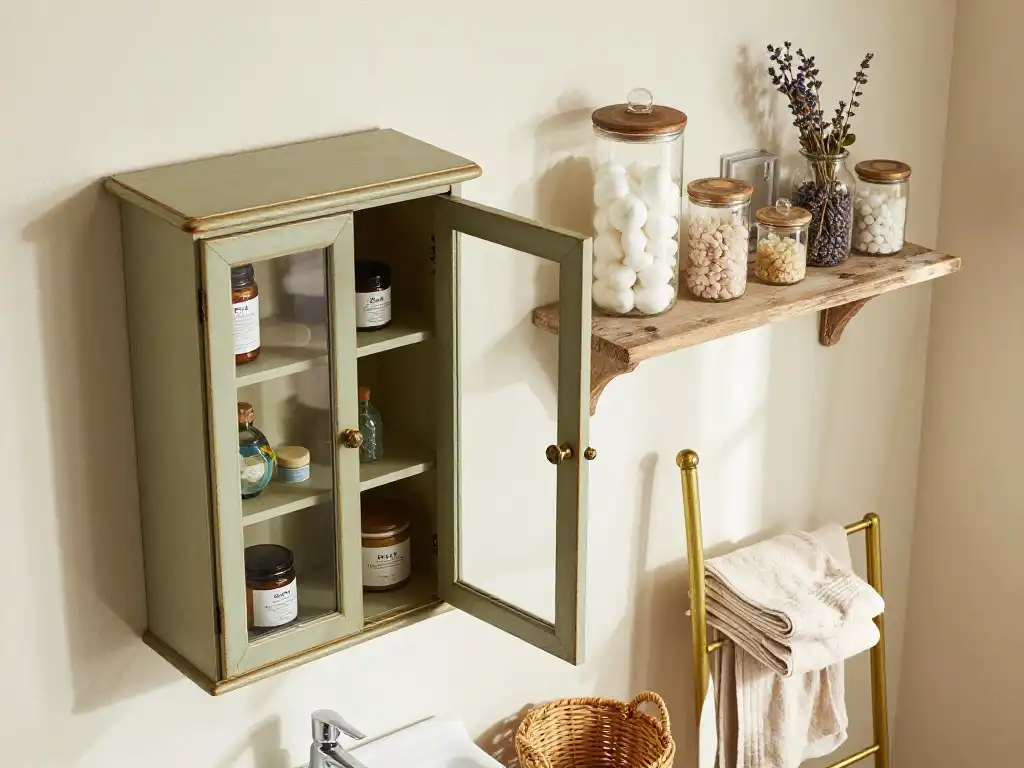
Best storage ideas for small vintage bathrooms solve the fundamental challenge of the pedestal sink — all that beautiful exposed floor space that the sink creates comes at the cost of the under-sink cabinet storage that most bathrooms rely on. The solution is building storage into the walls, above the toilet and onto surfaces in ways that look intentional rather than compensatory.
A vintage medicine cabinet recessed into the wall above the sink solves two problems simultaneously — it provides mirror functionality and hidden storage in a zero-footprint installation. Period-appropriate vintage medicine cabinet designs with beveled glass doors and dark wood or painted frames suit any vintage aesthetic from Victorian to mid-century. A distressed wood floating shelf above the toilet provides display and storage space for apothecary jars filled with cotton balls and bath salts, folded hand towels and small potted plants. A vintage towel rack in a freestanding ladder design leans against the wall and holds multiple towels without requiring any mounting. These layered storage solutions keep a small vintage bathroom genuinely functional without compromising the aesthetic integrity that makes the design work.
How to Decorate a Small Vintage Bathroom With Accessories and Finishing Touches

Accessories are where vintage bathroom personality lives. The structural elements — tile, fixtures, tub — establish the period and the palette. The accessories communicate the specific character and personal sensibility of the person who designed the space. How to use vintage accessories in a small bathroom means choosing objects that feel genuinely collected rather than purchased as a matching set from a single retailer.
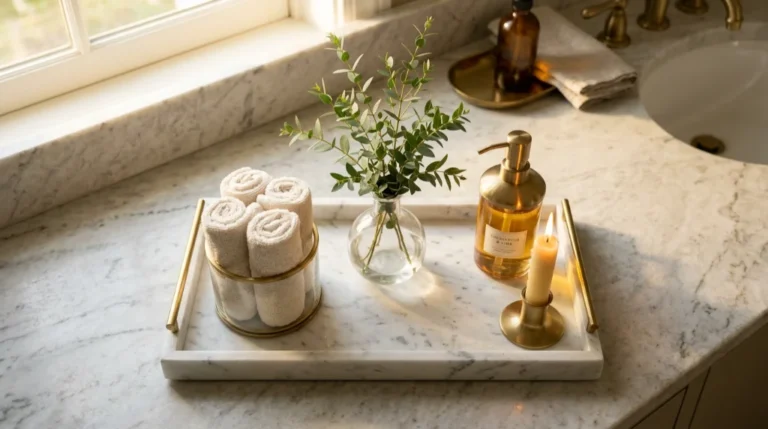
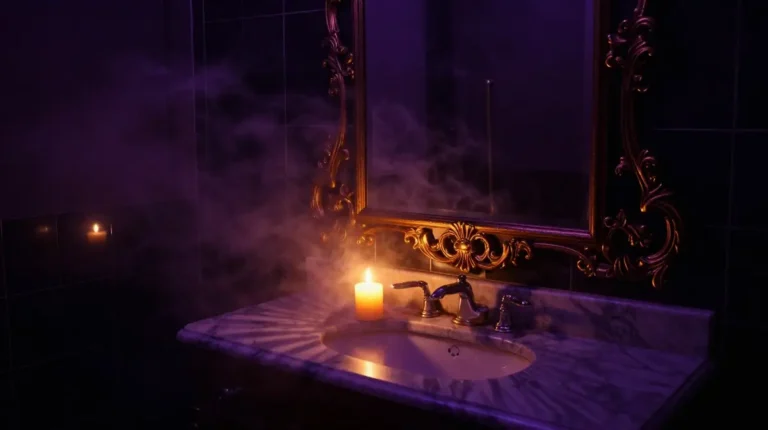
Apothecary jars in clear glass filled with bath salts, cotton balls or dried botanicals create instant vintage apothecary atmosphere on any shelf or countertop surface. A framed vintage mirror with an ornate gilt or dark wood frame hung above the pedestal sink serves both function and focal-point duty simultaneously. A vintage window frame repurposed as a decorative wall piece adds architectural salvage character. Apothecary jars alongside a small vintage tray, a porcelain soap dish and a hand-painted ceramic toothbrush holder create a coordinated yet collected vanity vignette. Fresh or dried botanicals — eucalyptus, lavender, pampas grass — in a small apothecary jars vessel or slender bud vase add organic softness that contrasts beautifully against the hard tile and porcelain surfaces of a vintage bathroom.
How to Create a Small Vintage Bathroom on a Budget Without Sacrificing Style
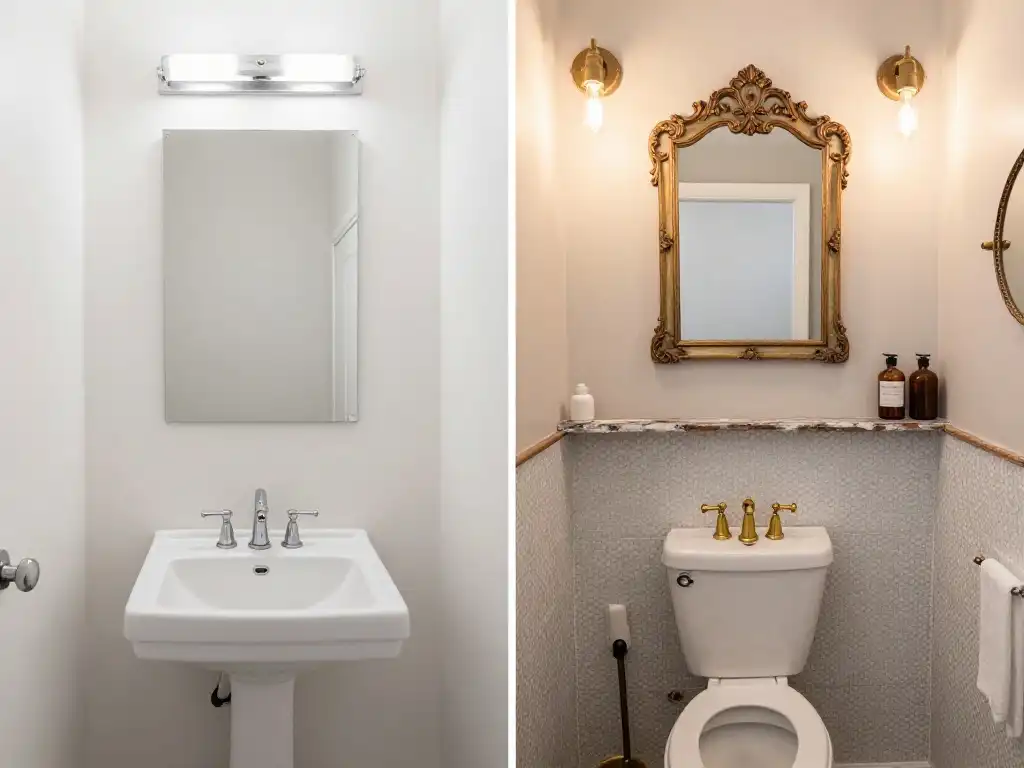
Small vintage bathroom on a budget is genuinely achievable because vintage style rewards resourcefulness. The most beautiful vintage bathrooms often combine thrifted finds, salvaged materials and inexpensive updates with one or two higher-quality investment pieces that anchor the whole design. Vintage bathroom on a budget means knowing which elements are worth spending on and which can be sourced cheaply without anyone noticing.
Invest in the fixtures — a quality brass fixtures faucet and matching hardware set makes the biggest visible impact per dollar of any single purchase in a vintage bathroom. Cut costs on everything that can be sourced secondhand. Estate sales, architectural salvage yards, Facebook Marketplace and Craigslist regularly list antique vanity pieces, vintage mirror frames, vintage light fixtures and even clawfoot bathtub units at prices far below retail reproduction costs. Paint is the lowest-cost highest-impact update available — repainting a bathroom in a period-appropriate color costs thirty to fifty dollars in materials and transforms the space completely. A small vintage bathroom makeover executed with one quality fixture investment, secondhand vintage finds and a fresh paint job in a vintage color routinely achieves results that look like they cost five times what was actually spent.
Best Small Vintage Bathroom Ideas for Renters Who Cannot Make Permanent Changes
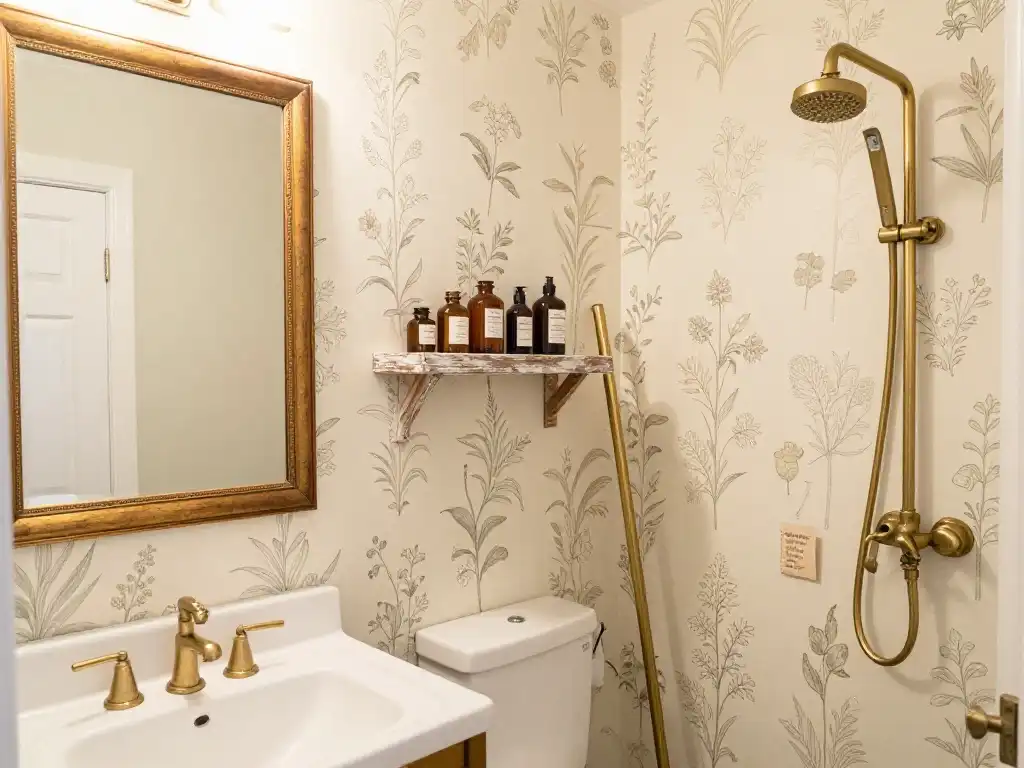
Renting a home doesn’t mean accepting a bathroom you don’t love. How to add vintage style to a small bathroom without permanent changes is genuinely possible with a focused approach to removable and non-invasive updates. The key is targeting the elements that have the highest visual impact and can be reversed completely when it’s time to move out.
Vintage wallpaper in a peel-and-stick format — available from dozens of retailers including Spoonflower, Chasing Paper and Tempaper — installs and removes cleanly without damaging walls. A freestanding vintage towel rack ladder or a freestanding antique vanity that doesn’t require plumbing changes can transform a rental bathroom dramatically. Swap the existing builder-grade mirror for a framed vintage mirror — keep the original mirror stored safely and reinstall it when you leave. Replace a basic showerhead with a vintage-style telephone shower or rainfall showerhead — this requires a simple screw-on installation and is completely reversible. Add apothecary jars, a vintage medicine cabinet mounted with removable adhesive strips and a collection of distressed wood shelves on removable brackets and a rental bathroom transforms into a genuine vintage style bathroom without a single permanent modification.
Frequently Asked Questions About Small Vintage Bathrooms
How small is too small for a vintage clawfoot tub?
A bathroom with at least 5 feet by 7 feet of floor space can accommodate a standard clawfoot bathtub or freestanding tub. In spaces smaller than this, a compact slipper tub measuring around 52 inches long works in as little as 5 feet by 6 feet if other fixtures are positioned efficiently. Measure twice and plan the layout on paper before committing to any tub purchase.
What is the most authentic vintage tile for a small bathroom floor?
Hexagon floor tiles in small white ceramic with black dot accents is the single most historically authentic choice for American vintage bathroom floors. Penny tile floor in white or black and white is equally authentic and particularly popular in bathrooms referencing the 1920s through 1940s. Both tile types are widely available at home improvement stores and specialty tile retailers at very reasonable price points.
Can I mix vintage eras in one small bathroom?
Absolutely. The most interesting vintage eclectic small bathroom designs deliberately mix elements from different periods — Victorian hardware with mid-century color tiles, Art Deco mirror with farmhouse shiplap. The key is maintaining a cohesive color palette and consistent finish on all metal hardware so the mixed elements feel curated rather than confused.
What single change makes the biggest vintage impact in a small bathroom?
Replacing builder-grade chrome fixtures with brass fixtures in a cross-handle or lever design delivers more vintage impact per dollar than almost any other single change. It affects every element you touch in the bathroom — the faucet, the towel bar, the toilet paper holder, the robe hook — and immediately shifts the entire room’s character from modern to period-appropriate.
How do I make a small vintage bathroom feel bigger?
How to make a vintage bathroom feel bigger involves several techniques used together. A pedestal sink instead of a vanity cabinet exposes the floor and visually expands the space. Hexagon floor tiles in a small scale make the floor feel larger than large-format tiles do. A vintage mirror sized generously above the sink doubles the perceived depth of the room. Light vintage light fixtures positioned at eye level on both sides of the mirror eliminate shadows and make the space feel brighter and more open.
One Comment