
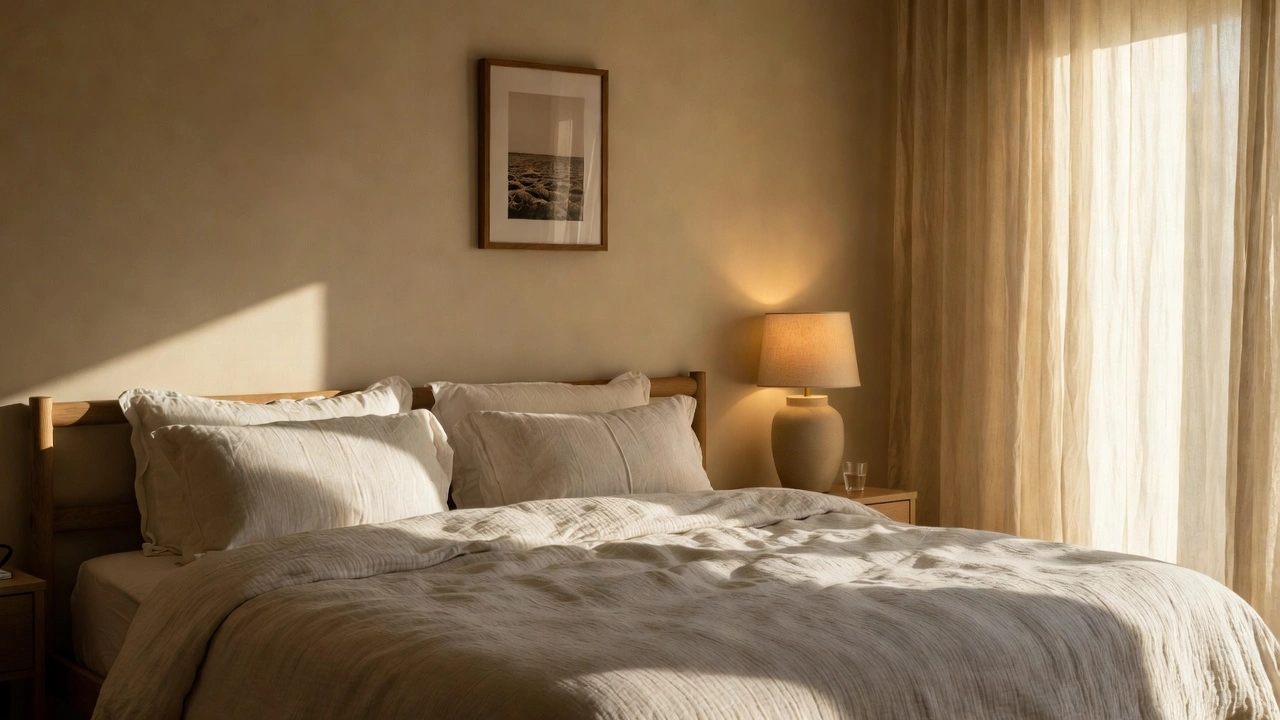
12 Easy Slow Living Bedroom Ideas for a Sleep Sanctuary
Creating a slow living bedroom transforms your most intimate space into a haven of rest. A bedroom designed with intention becomes more than just a place to sleep. It becomes your personal sanctuary where stress melts away and your body naturally prepares for deep, restorative rest.
The modern bedroom is often cluttered with distractions. Your phone buzzes with notifications. Your closet overflows with unworn clothes. Your nightstand stacks with forgotten books and random objects. These visual and mental interruptions keep your nervous system activated when it should be winding down. A slow living bedroom eliminates these distractions. Instead, it invites calm, clarity, and genuine rest into your daily life.
What Is a Slow Living Bedroom and Why It Supports Better Sleep
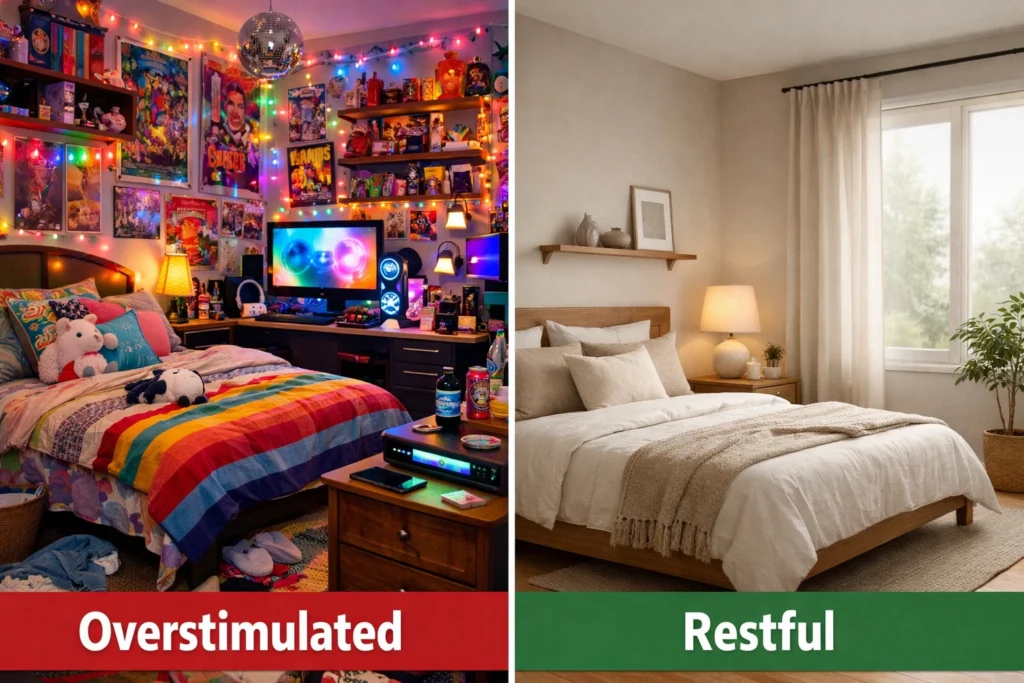
A slow living bedroom represents a deliberate approach to sleep space design. It prioritizes quality, intentionality, and purpose over trends and excess. The philosophy of slow living comes from a broader movement that resists constant consumption and rushing. In the bedroom, this means choosing fewer items that serve real functions. It means selecting natural materials that feel good and last longer. It means creating an environment that signals to your body: “This is a place of rest.”
you may also like this:Slow Living Decor Swaps on a Budget: Transform Your Home Mindfully and Affordably
The connection between bedroom environment and sleep quality is deeply rooted in sleep science. When your bedroom feels chaotic, your brain stays in a state of alert vigilance. This triggers your sympathetic nervous system—the “fight or flight” response. Your cortisol levels remain elevated. Melatonin, the hormone that induces sleep, struggles to rise to optimal levels. Your sleep becomes fragmented and unfulfilling. A slow living bedroom design reverses this pattern. A calm, uncluttered space signals safety to your nervous system. Visual calm and sensory restraint activate your parasympathetic nervous system—the “rest and digest” mode. Your body recognizes this environment as safe for vulnerability and deep rest. Scientific research consistently shows that people sleeping in minimalist, intentionally designed bedrooms report better sleep quality, fewer nighttime awakenings, and improved daytime mood and energy.
Benefits of Creating a Slow Living Sleep Sanctuary

The advantages of building a slow living bedroom extend far beyond better sleep. When you invest in a thoughtfully designed sleep space, the returns compound across every area of your life. Better sleep improves your immune function, emotional resilience, metabolism, and cognitive performance. A restful sleep bedroom design gives your body the recovery it needs to function optimally. People who sleep in intentionally designed environments report feeling more grounded and present during their waking hours.
Beyond health benefits, a clutter-free bedroom provides profound mental and emotional relief. Your brain processes visual information constantly, even when you don’t consciously notice it. Every object in your room requires mental processing energy. When your bedroom contains only items you truly need and love, your mind relaxes. You experience what researchers call “decision fatigue reduction.” You’re not subconsciously making constant micro-choices about the clutter around you. This mental spaciousness carries into your sleep and your waking life. Additionally, the cozy bedroom aesthetic created through intentional, minimalist design proves more sustainable than trend-based decoration. You’re investing in quality items that last years rather than fast furniture that requires constant replacement. This aligns with both environmental values and long-term financial wellness.
| Sleep Quality Improvements | Percentage of Users Reporting Benefit |
|---|---|
| Faster sleep onset | 78% |
| Fewer nighttime awakenings | 82% |
| Deeper, more restorative sleep | 85% |
| Improved daytime alertness | 81% |
| Reduced morning grogginess | 76% |
| Better mood and emotional stability | 79% |
Choose a Calm and Neutral Color Palette
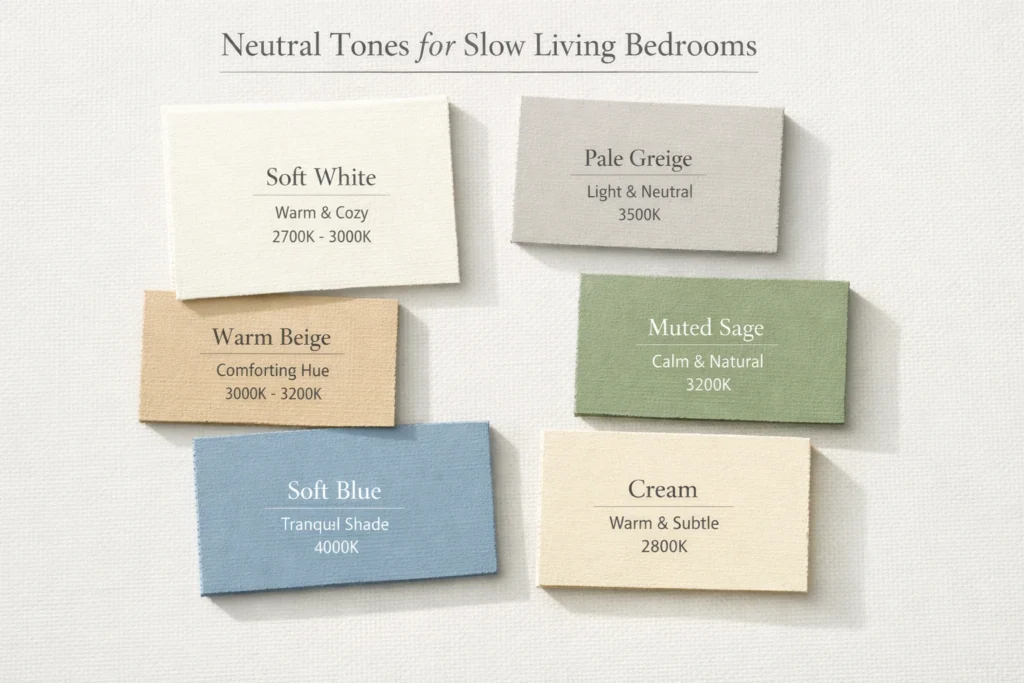
Your bedroom’s color scheme profoundly influences your nervous system response. Colors carry physiological weight. Bright reds and oranges stimulate alertness. Bold patterns trigger visual processing demands. A neutral color palette does the opposite. Soft whites, warm grays, muted beiges, and pale earth tones create a visual environment that your brain recognizes as restful. These colors align with natural environments—sand, stone, cloudy skies, bare branches—that have historically signaled safety and rest to humans.
The science behind color and sleep involves both psychology and physiology. Cooler tones like pale blues and soft greens can lower heart rate and blood pressure. Warm neutrals like cream, taupe, and soft caramel create warm minimalism that feels inviting rather than cold or clinical. Most sleep experts recommend choosing one primary neutral as your wall color, then adding warmth through natural textures and organic materials rather than through additional wall colors. If you’re renting and can’t paint, removable wallpaper or fabric wall hangings in neutral tones work beautifully. The goal is visual simplicity that feels human and comfortable rather than sterile or impersonal.
Declutter Your Bedroom for Mental and Visual Peace
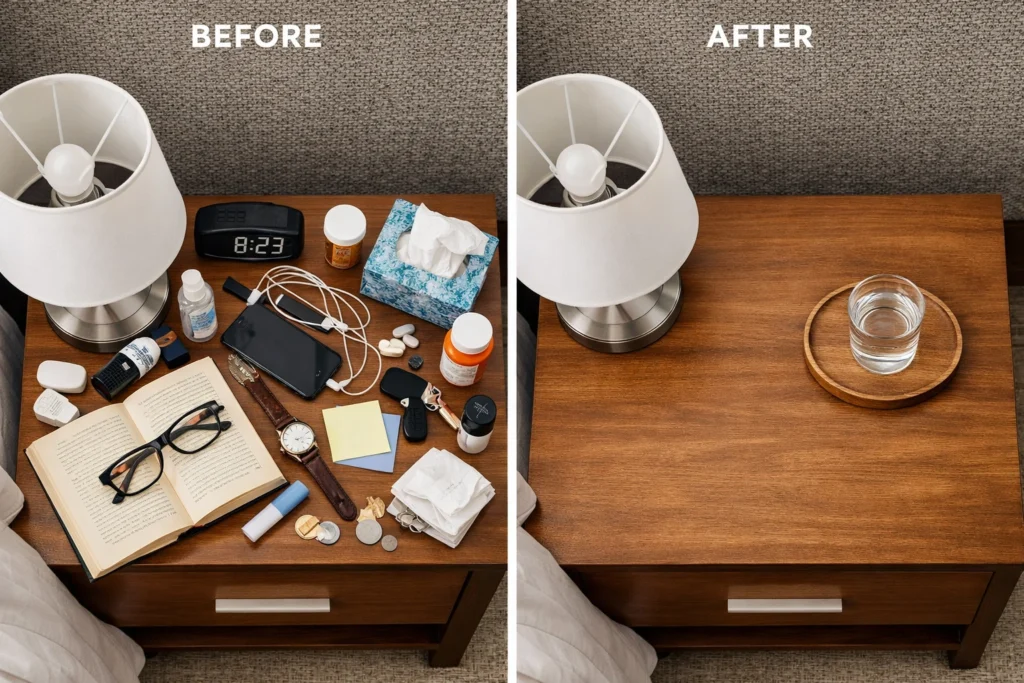
Clutter is visual noise. Every object competes for your brain’s attention. A study by UCLA researchers found that people with cluttered homes have higher cortisol levels and more depression symptoms than those living in organized spaces. Your brain never fully relaxes in a chaotic environment. Creating a clutter-free bedroom isn’t about perfectionism or sterility. It’s about removing the mental burden of excess. It’s about surrounding yourself only with items that serve a genuine function or bring authentic joy.
Start your decluttering process by removing everything from one area—perhaps your nightstand or dresser top. Touch each item and ask: “Does this serve my sleep and rest? Do I actually use this? Do I love this enough to keep it in my sanctuary?” Items that fail both tests go. Old magazines, random trinkets, forgotten gifts, and decorative items that don’t genuinely make you happy drain your mental energy. Keep your bedroom surfaces as clear as possible. A peaceful bedroom design features open surfaces, not crowded ones. One simple lamp on your nightstand beats a collection of mismatched items. An empty dresser top with a small wooden tray for necessary items beats a surface buried in objects. This visual clarity becomes a form of self-care. When you enter your bedroom, you feel the spaciousness immediately. Your nervous system responds to that emptiness with relief.
Use Natural Materials to Create a Restful Bedroom
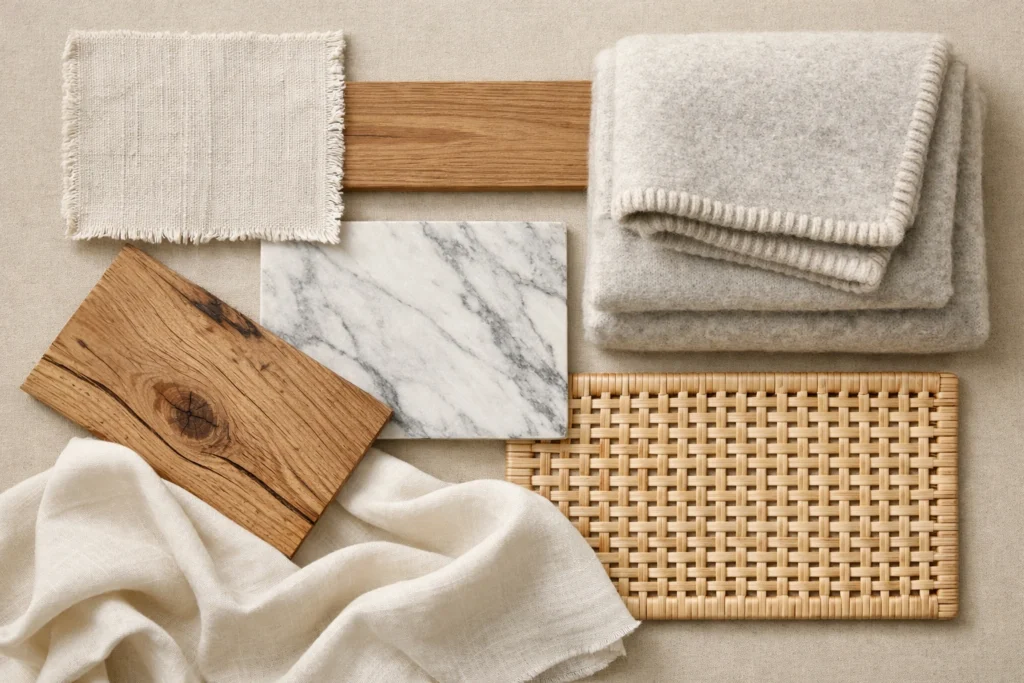
Natural bedroom decor involves choosing materials that come from nature rather than from industrial chemistry labs. Natural materials like wood, cotton, linen, wool, and stone have properties that support sleep. They’re often breathable, temperature-regulating, and free from off-gassing chemicals that can disrupt sleep. A wooden bed frame, linen bedding, organic materials in your furnishings—these choices create a bedroom that feels connected to nature rather than to commerce.
Synthetic materials often emit volatile organic compounds (VOCs) for months or years after purchase. These off-gas into your bedroom air while you sleep, potentially disrupting your respiratory and nervous systems. Breathable fabrics like linen bedding allow air circulation, which helps regulate your body temperature during sleep. Linen becomes softer with washing and lasts for decades. Organic cotton bedding is grown without pesticides, making it safer for your skin and the environment. Wool blankets provide natural temperature regulation without electricity. Wooden furniture made from sustainably harvested wood creates warmth in your space. Stone nightstands or shelves add grounding texture. These natural textures aren’t just aesthetically beautiful—they actively support better sleep. The sensory experience of touching natural materials calms your nervous system. When you get into bed made of soft linen against a wooden frame in a room decorated with natural elements, your body recognizes this as a safe, natural resting place.
Invest in Comfortable and Breathable Bedding

Your bedding is the interface between your body and your sleep environment. Quality matters profoundly. Cheap polyester sheets feel wrong against your skin. They trap heat and moisture. They deteriorate quickly, forcing replacement and creating waste. Breathable fabrics support better sleep physiology. Your body temperature naturally drops by 2-3 degrees during sleep. This temperature drop signals your body that it’s time to rest. Sheets and bedding that trap heat interfere with this natural process.
Linen bedding remains one of the best choices for sleep. Linen is made from flax plants and offers exceptional breathability. It wicks moisture away from your skin. It naturally regulates temperature, keeping you cool in summer and warm in winter. The slight texture of linen gets softer with every wash, never pilling or deteriorating. Organic cotton sheets are another excellent choice, offering a smooth, soft surface that feels luxurious. Thread count marketing is largely misleading—anything above 400 thread count provides little additional benefit. Instead, focus on fiber quality and weave type. Sateen weaves feel silky, while percale weaves feel crisp. Choose based on your personal preference, but prioritize breathability over thread count numbers.
| Bedding Material | Benefits | Durability | Cost |
|---|---|---|---|
| Linen | Breathable, temperature-regulating, gets softer | 15+ years | Higher |
| Organic cotton | Soft, breathable, no pesticides | 5-7 years | Medium |
| Wool blankets | Natural temperature control, sustainable | 10+ years | Medium |
| Bamboo | Soft, antibacterial, sustainable | 3-5 years | Medium |
| Standard polyester | Affordable | 1-2 years | Low |
Create Soft Lighting for a Relaxing Sleep Environment

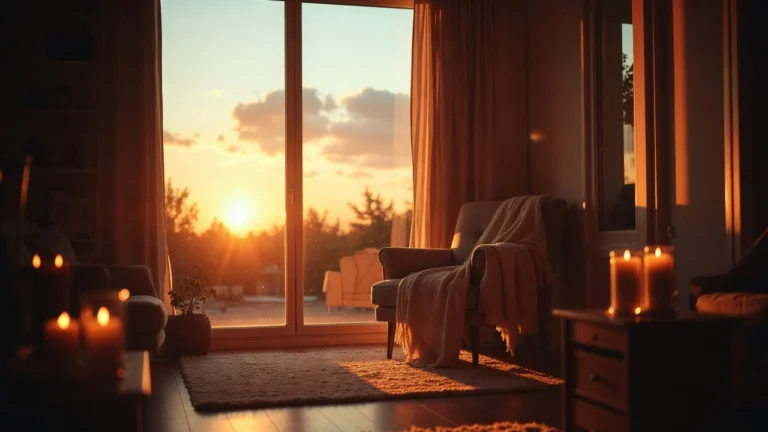
Lighting controls your circadian rhythm more powerfully than almost any other environmental factor. Your eyes contain specialized cells that detect blue light wavelengths. When these cells register blue light, they signal your brain: “It’s daytime. Stay alert.” This is why evening exposure to blue light from phones, computers, and bright overhead lights disrupts your ability to fall asleep. Creating a bedroom with soft lighting aligned with your natural sleep cycle is transformative.
Your evening bedroom should contain zero bright, white overhead lights at least two hours before bed. Instead, use warm-toned lamps with bulbs around 2700 Kelvin—the color temperature of candlelight or sunset. These warm tones don’t suppress melatonin production. A bedside lamp with a dimmer allows you to read comfortably without harsh light. Consider blackout curtains or shades that eliminate all light once you’re ready to sleep. Total darkness triggers maximum melatonin production. If you need gentle light during the night for safety, consider motion-activated night lights that use red-spectrum bulbs. Red light doesn’t disrupt your circadian rhythm the way white or blue light does. In the morning, expose yourself to bright, natural light—ideally sunlight—to reset your circadian rhythm and feel alert. Some people use light therapy lamps that simulate sunrise, gently increasing light intensity to wake them naturally.
Keep Bedroom Decor Simple and Intentional

Simple bedroom decor doesn’t mean bare or cold. It means every item present has been chosen deliberately. Rather than covering your walls with gallery walls of artwork, select one piece you genuinely love—perhaps a nature photograph in a simple frame or an abstract piece that speaks to you. Rather than filling shelves with decorative objects, leave them mostly empty or add a few natural textures like a woven basket or a simple wooden object.
Your slow living bedroom decor becomes more meaningful when it’s spare. Each item stands out rather than being lost in visual noise. If you love plants, choose one beautiful plant in the corner rather than covering surfaces with many small pots. If you enjoy art, one painting on your wall creates more impact than five mediocre pieces. This principle applies to everything in your space. Mindful bedroom styling means asking before adding anything: “Does this serve my sleep? Does it bring me joy? Can I live without this?” Most decorative items fail these questions. Your bedroom’s primary purpose is rest, not displaying your possessions. Keep this central purpose in mind with every decoration choice.
Add Cozy Textures Without Overdecorating

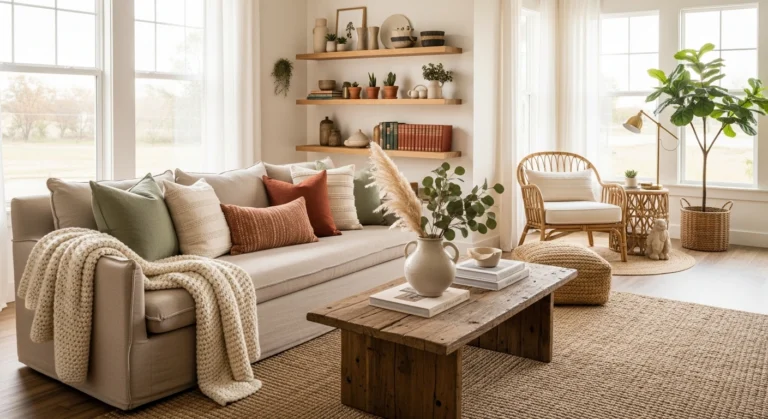
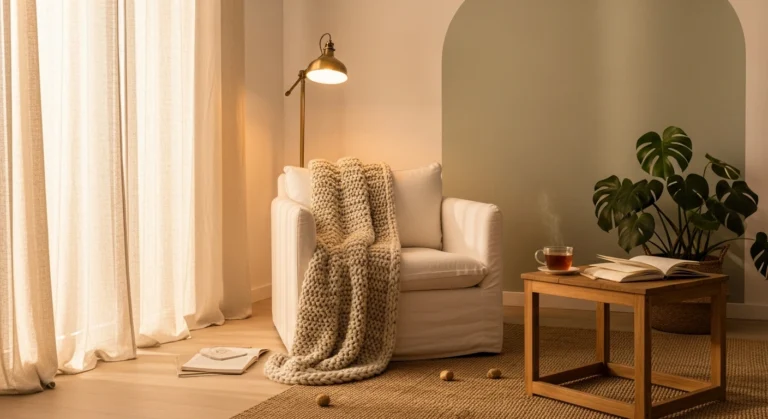
Minimalism doesn’t mean discomfort. A cozy bedroom aesthetic combines visual simplicity with tactile richness. You’re reducing visual elements while maintaining sensory comfort. A few natural textures layered thoughtfully create a cozy atmosphere without clutter. A soft wool throw at the foot of your bed provides warmth and texture. Linen pillowcases in varying neutral tones create subtle visual interest while maintaining calm. A woven jute area rug adds earthiness underfoot.
Texture provides sensory input that calms your nervous system. When your environment offers pleasant tactile experiences—soft blankets, smooth wood, natural fibers—your body relaxes. This is different from visual stimulation. You can have a bedroom with minimal visual clutter but rich textural variety. Perhaps you have neutral walls, but your bedding includes different fabric weights and weaves. Your nightstand is wooden, your rug is woven, your throw is chunky knit. These textures create interest and comfort without the visual busyness of color or pattern. The key is intentionality. Each texture element serves comfort, not decoration.
Design a Screen-Free Bedroom for Deeper Rest
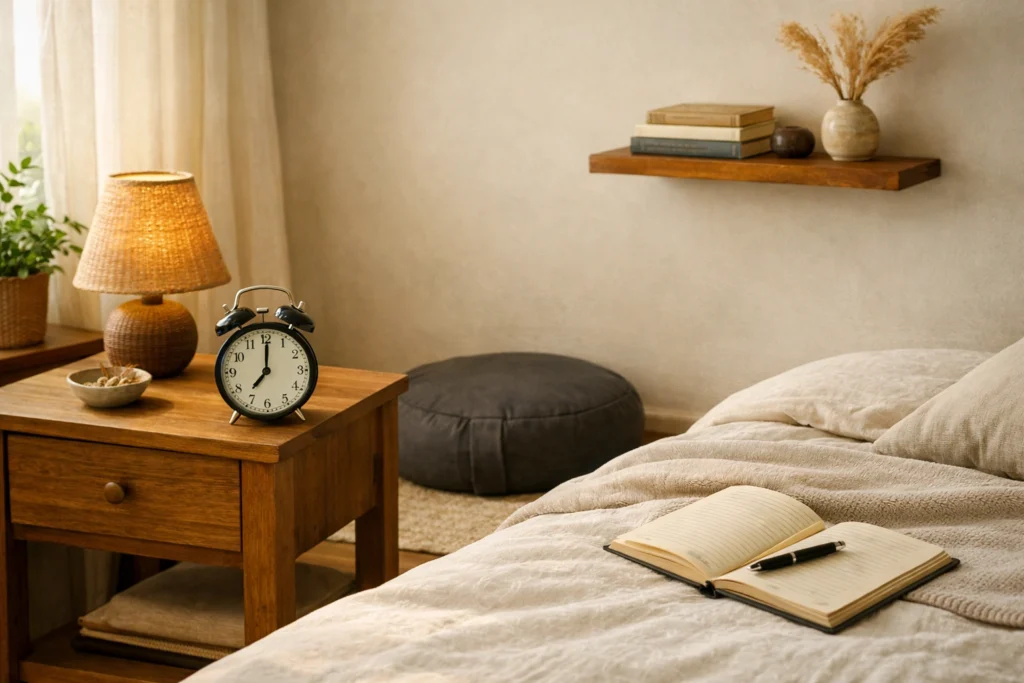
Your bedroom should be a technology-free zone. This is perhaps the most transformative change you can make for sleep quality. Screens—phones, tablets, televisions, computers—emit blue light that suppresses melatonin. They also overstimulate your brain with notifications, news, and social media engagement when you should be winding down. The presence of your phone alone, even powered off, creates a subtle stress response. Your brain knows it’s there. You’re aware of the connection to work, messages, and endless information.
A screen-free bedroom signals to your body that this space is separate from your productive, connected life. It’s a sanctuary from constant stimulation. Without screens to distract you, you might read a physical book, listen to music, practice meditation, or engage in conversation with a partner. These slow morning routine activities align with the slow living philosophy. You’re present. You’re not scanning through feeds or checking notifications. Your nervous system genuinely shifts into rest mode. If you use your phone as an alarm, replace it with a traditional alarm clock. If you watch television in bed, move it to another room or eliminate it entirely. The adjustment takes a few weeks—you may feel bored or antsy without your phone. This feeling passes. Once your body fully adjusts to screen-free bedroom evenings, your sleep quality improves dramatically.
Slow Living Bedroom Ideas for Small or Minimal Spaces
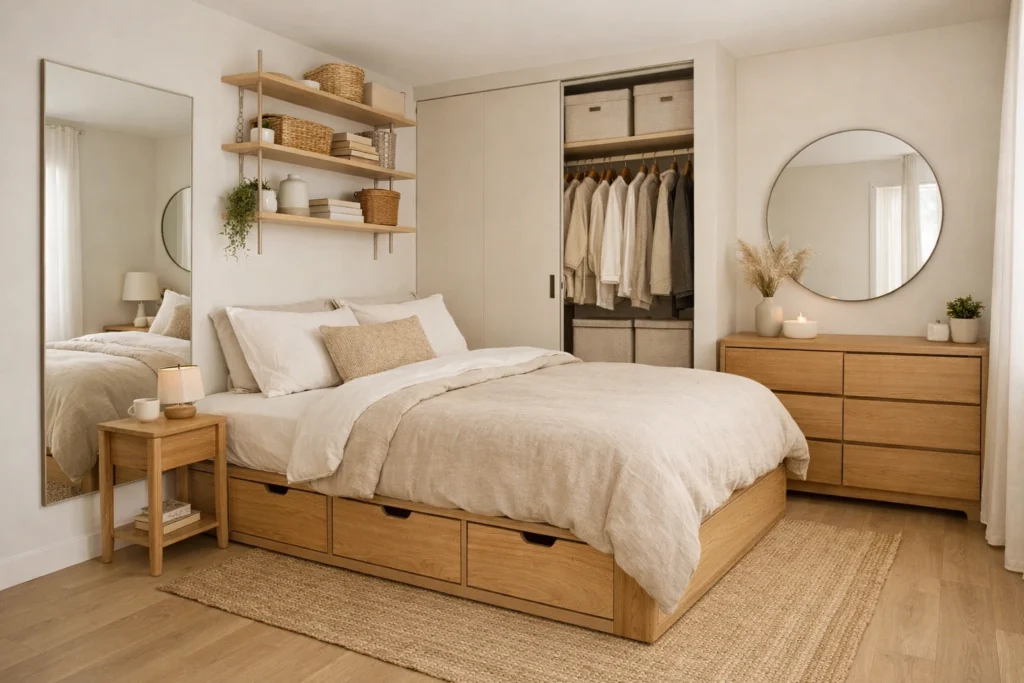
Creating a slow living bedroom in a small apartment or minimal space requires strategic choices. You have less square footage, so every item must work harder. Your goal isn’t less comfort—it’s smarter choices about which items deserve your limited space. Multi-functional furniture becomes your friend. A bed with storage drawers underneath, nightstands with shelving, and a closet system that maximizes vertical space allow you to live minimally without feeling restricted.
Small bedrooms benefit enormously from the slow living approach because clutter becomes impossible to ignore. One extra item makes the space feel cramped. One less item creates noticeable spaciousness. Wall color becomes even more important in small rooms—a warm neutral bedroom with pale walls feels larger than the same room painted dark. Mirrors create perceived space expansion, but use them sparingly to avoid competing visual elements. Vertical storage using wall shelves, hanging organizers, and tall bookcases keeps your floor clear. A single piece of wooden furniture in the corner works better than multiple small pieces scattered around. Renters can use removable wallpaper, adhesive wall organizers, and freestanding shelving to achieve slow living design without permanent changes.
Simple Daily Habits That Support a Slow Living Sleep Sanctuary
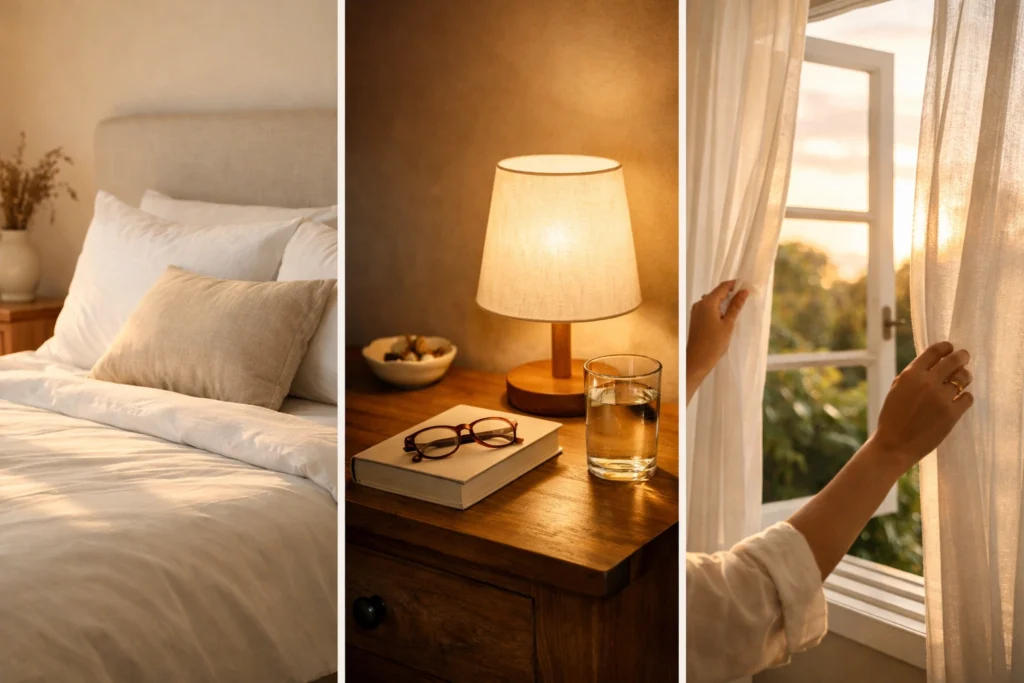
Your bedroom’s design matters, but your daily habits matter equally. These intentional living practices maintain your sanctuary and deepen its benefits. Begin your morning by making your bed. This simple ritual takes three minutes but signals that your rest space is cared for. It creates a small sense of order and accomplishment before your day begins. Throughout the day, keep your bedroom door closed so you’re not visually exposed to it constantly. This creates psychological separation between your productive spaces and your rest space.
Each evening, take ten minutes to tidy your bedroom before bed. Clear your nightstand of the day’s accumulation. Lay out tomorrow’s clothes so your closet isn’t creating decision burden. Open your windows for fresh air. This brief reset ritual signals transition into evening mode. It’s part of your slow morning routine in reverse—a way of honoring the space. Before bed, practice a moment of gratitude for your bedroom. Notice the softness of your sheets, the calm colors, the peaceful silence. This mindfulness deepens your connection to the space and primes your body for rest. Weekly, change your bedding and do a gentle dust of surfaces. Monthly, do a deeper assessment—are items creeping back in? Does the space still feel calm? These habits of maintenance preserve your sanctuary month after month.
Conclusion
Building a slow living bedroom is an investment in your health, peace, and quality of life. Every principle in this guide—from choosing a neutral color palette to eliminating screens—serves one central purpose: creating an environment where your body can fully rest. You don’t need to implement all twelve ideas at once. Start with one change. Perhaps you remove your television and replace it with a reading lamp. Or you invest in quality linen bedding that makes sleep genuinely comfortable. Or you clear your nightstand of clutter. One change builds momentum. Small improvements compound. After a few weeks, you notice your sleep deepening. After a few months, you realize you’re calmer throughout your day.
Your bedroom is more than a room where you sleep. It’s a restful environment where you recover from life’s demands. It’s a sanctuary where you practice intentional living by surrounding yourself only with what truly serves you. It’s proof that you value your own wellness enough to invest time and resources into it. A serene bedroom interior isn’t a luxury for wealthy people with spacious homes. It’s accessible to anyone willing to make mindful choices. Whether your room is 60 square feet or 200 square feet, whether you have a budget of $50 or $5,000, slow living bedroom principles adapt to your reality. Start today. Choose one small change. Notice how it feels. Then choose another. Your sleep sanctuary awaits.
Frequently Asked Questions
How much does creating a slow living bedroom cost?
Creating a slow living bedroom ranges from nearly free to quite expensive, depending on your starting point and choices. If you’re renting, the primary cost involves time and effort. Decluttering costs nothing. Repainting walls might cost $50-$100 in materials. Replacing cheap bedding with quality organic materials might run $200-$500 for sheets and blankets. A new mattress represents the largest investment at $500-$2,000 depending on quality. The beautiful aspect of slow living is that it emphasizes quality over quantity. You might spend less overall by buying fewer, better items than by continuously replacing cheap furniture and decor.
Can I implement slow living bedroom ideas in a rental apartment?
Absolutely. Many slow living bedroom concepts work perfectly in rentals. Decluttering and organizing require no landlord approval. Removable wallpaper, adhesive wall organizers, and freestanding shelving create design impact without permanent changes. Quality bedding, lighting, and breathable fabrics work in any space. The only limitation is painting walls or making permanent structural changes. Renters might focus energy on bedding quality, decluttering, and sensory comfort rather than permanent design elements. Your effort toward creating a restful sleep bedroom design benefits you immediately and moves with you when you relocate.
What’s the best mattress for slow living bedroom design?
The “best” mattress depends on your body, sleep style, and budget. Innerspring mattresses last long and provide traditional support. Natural latex mattresses offer eco-friendly comfort and durability. Hybrid mattresses combine springs with foam for balanced support. Memory foam options provide contouring comfort. The most important factors are trying before buying through trial periods, ensuring the mattress is made with organic materials rather than conventional chemicals, and choosing a firmness level that supports your spine alignment. A quality mattress represents perhaps your most important bedding investment.
How long does it take to see sleep quality improvements?
Most people notice improvements within one to two weeks of making changes. When you remove screens from your bedroom, your sleep typically improves within a few days as melatonin production normalizes. Decluttering and design improvements create psychological calm that impacts sleep onset within a week. A new quality mattress and breathable fabrics feel beneficial immediately. However, full adjustment to a completely redesigned space takes four to eight weeks as your body fully acclimates. Trust the process. Initial improvements strengthen over time.
Should I use essential oils or diffusers in a slow living bedroom?
Essential oils and diffusers occupy a middle ground in slow living philosophy. They add a sensory element without visual clutter. Lavender, chamomile, and cedarwood scents can support relaxation. However, avoid synthetic fragrances with numerous chemical additives. If using scent, choose high-quality pure essential oils in simple diffusers. Keep scent subtle rather than overwhelming. Remember that slow living sometimes means purity—no added scent at all. If oils support your sleep, use them. If they feel unnecessary, your bedroom functions perfectly without them.



One Comment