

Slow Living Sunday Routines for a Calm and Productive Week
Modern life moves fast. Notifications ping constantly. Work emails arrive during dinner. Social media demands attention every waking moment. By the time Sunday evening rolls around, many people feel exhausted rather than refreshed. The upcoming week looms like a mountain to climb without proper rest or preparation. This relentless cycle creates burnout, anxiety, and disconnection from what truly matters in life.
Slow living Sunday routines offer a transformative alternative to this chaos. Instead of treating Sundays as errand marathons or passive screen time, these intentional practices create sacred space for restoration and renewal. Embracing a relaxing Sunday routine means consciously choosing activities that nourish your mind, body, and spirit while preparing you mentally for the days ahead. Research shows that people who establish peaceful Sunday habits experience lower stress levels, improved sleep quality, and enhanced focus throughout their workweek. The philosophy behind slow lifestyle Sunday tips isn’t about doing nothing—it’s about doing what matters most with full presence and awareness.
This comprehensive guide explores twelve essential components of creating your personalized Sunday reset routine. You’ll discover practical strategies for morning mindfulness, afternoon restoration, evening rituals, and everything in between. Whether you’re a busy professional, a parent juggling multiple responsibilities, or someone simply seeking more balance, these slow living Sunday ideas adapt to your unique circumstances and needs. The goal isn’t perfection but progress toward a calmer, more intentional living approach that ripples positively through every aspect of your existence.
What Is a Slow Living Sunday and Why It Matters

A slow living Sunday represents far more than simply sleeping late or lounging around aimlessly. This concept embraces the deliberate choice to step off life’s treadmill for one precious day each week. The slow weekend habits philosophy encourages people to engage fully with present-moment experiences rather than rushing through activities on autopilot. Slow living rejects hustle culture’s message that constant productivity determines human worth. Instead, it recognizes that rest, reflection, and rejuvenation serve as essential foundations for sustainable success and genuine happiness. When you commit to a mindful Sunday schedule, you’re essentially pressing a reset button that clears mental clutter accumulated throughout the previous six days.
you may also like this:Slow and Peaceful Holiday Season: How to Celebrate Mindfully and Stress-Free
Why does dedicating one day to deceleration matter so profoundly? Neuroscience research reveals that our brains require regular downtime to process information, consolidate memories, and restore cognitive resources depleted by decision-making and problem-solving. Without adequate recovery periods, stress hormones like cortisol remain chronically elevated, damaging everything from immune function to emotional regulation. A Sunday self-care routine creates neurological breathing room that enhances creativity, sharpens focus, and improves overall wellbeing. Additionally, establishing calm Sunday morning ideas as weekly rituals provides psychological anchoring—a reliable sanctuary you can count on regardless of external circumstances. This predictable oasis of tranquility reduces anticipatory anxiety about the upcoming week while fostering gratitude for life’s simple pleasures.
Benefits of Following a Slow Living Sunday Routine
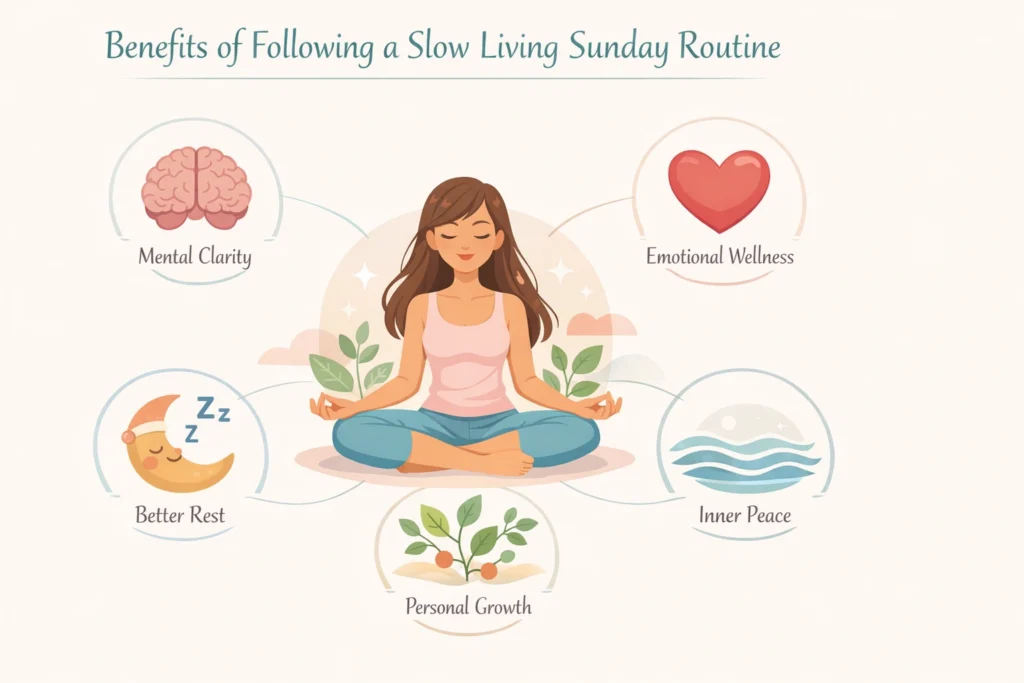
Implementing stress-free Sunday activities delivers remarkable advantages that extend far beyond the day itself. Mental health professionals consistently observe that clients who practice Sunday reset routine strategies report decreased anxiety symptoms, better emotional balance, and increased resilience when facing challenges. The act of deliberately slowing down activates the parasympathetic nervous system—your body’s natural relaxation response—which counteracts stress-induced fight-or-flight activation. This physiological shift lowers blood pressure, reduces muscle tension, and improves digestive function. Furthermore, mindful mornings spent without immediately checking devices allow your brain to wake naturally, supporting healthier cortisol rhythms that influence energy levels throughout the entire week ahead.
Physical benefits accompany these mental health improvements in profound ways. People who consistently follow a weekend slow living schedule often experience enhanced sleep quality because their nervous systems receive genuine restoration rather than surface-level rest interrupted by screens and stimulation. Better sleep then creates a positive cascade affecting everything from immune response to metabolic health. Productivity paradoxically increases when you prioritize intentional living over constant busyness—studies demonstrate that well-rested individuals accomplish more in less time while making fewer errors. Relationships flourish too, as calm and slow pace interactions allow deeper connection with partners, children, and friends. The creativity boost from unhurried journaling and reflection time generates innovative solutions to both personal and professional challenges that rushed thinking simply cannot access.
| Benefit Category | Specific Improvements | Long-Term Impact |
|---|---|---|
| Mental Health | Reduced anxiety, enhanced mood, emotional regulation | Greater life satisfaction, resilience |
| Physical Health | Better sleep, lower blood pressure, improved digestion | Disease prevention, increased longevity |
| Productivity | Sharper focus, efficient task completion, fewer mistakes | Career advancement, goal achievement |
| Relationships | Quality time, present-moment connection, patience | Stronger bonds, reduced conflict |
| Creativity | Novel ideas, problem-solving breakthroughs, artistic expression | Personal growth, professional innovation |
Start Your Morning Mindfully

Mornings set the energetic tone for entire days. Rather than jolting awake to blaring alarms and immediately diving into your phone’s digital chaos, calm Sunday morning ideas emphasize gentle emergence into consciousness. Consider allowing natural light to wake you gradually instead of harsh sounds. Many people discover that opening curtains before bed enables sunrise to gently rouse them, aligning their circadian rhythms with nature’s patterns. Upon waking, resist the powerful urge to check notifications, emails, or social media—these can wait. Instead, spend those precious first moments stretching languorously in bed, taking several deep breaths, and mentally acknowledging three things you feel grateful for right now.
Creating a tea or coffee ritual transforms ordinary beverage consumption into a meaningful ceremony. Rather than gulping down caffeine while multitasking, dedicate fifteen to twenty minutes purely to the experience of preparing and savoring your drink. Notice the water heating, inhale the aromatic steam rising from your cup, feel the warmth against your palms, taste each sip with full attention. This simple practice exemplifies mindful mornings perfectly—you’re not adding complex activities but rather infusing ordinary actions with extraordinary presence. Some practitioners enhance this time with gentle background music, sitting by a window watching birds, or reading a few pages from an inspirational book. The key involves resisting productivity pressure and instead honoring your body’s need for a gradual, peaceful transition into wakefulness.
Plan a Relaxing and Intentional Afternoon
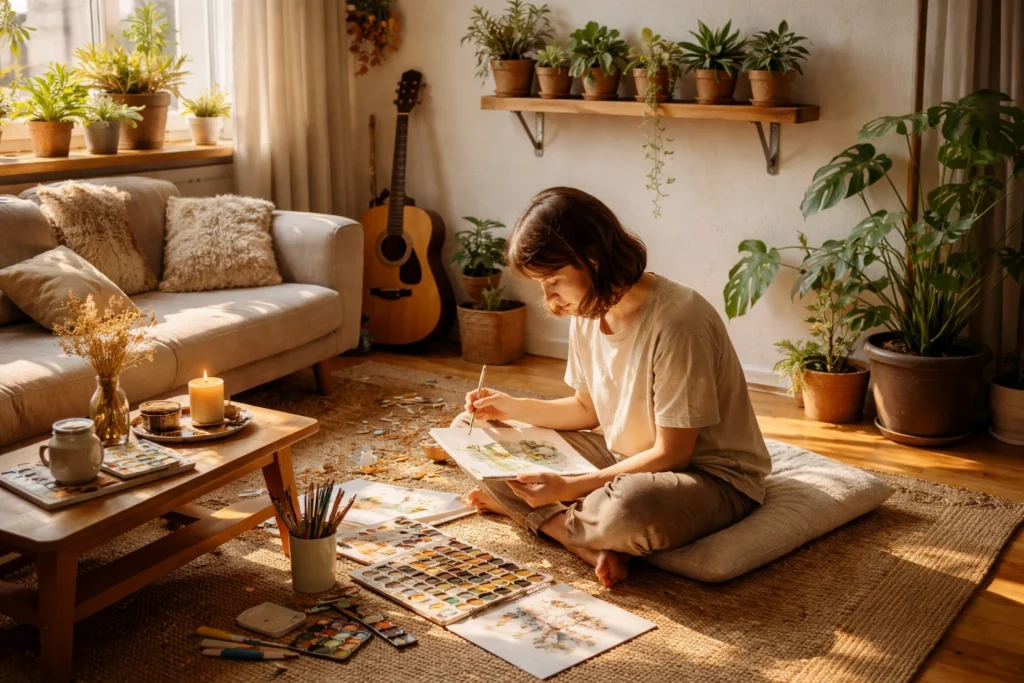
Afternoons present opportunities to engage in activities that genuinely replenish your spirit rather than obligations disguised as leisure. The mindful Sunday schedule approach suggests structuring these hours around joy and curiosity instead of shoulds and musts. Perhaps you’ve always wanted to try watercolor painting, learn basic bread-making, or explore that nature preserve across town—Sunday afternoons offer perfect windows for such explorations. The beauty lies in pursuing these interests without attachment to outcomes or performance. You’re not painting to become an artist or baking to impress anyone. You’re simply allowing yourself the freedom to play, experiment, and discover what brings pleasure.
Slow meal preparation transforms cooking from a chore into a meditative practice when approached mindfully. Select a recipe that requires hands-on techniques—kneading dough, chopping vegetables, stirring risotto. These repetitive motions induce flow states similar to meditation, where time seems to dissolve and worries fade into background noise. Cooking with calm and slow pace lets you fully experience textures, aromas, and transformations happening right before your eyes. Invite family members or housemates to join this process, turning meal creation into quality connection time rather than solitary labor. The nourishment extends beyond the food itself to encompass the peace cultivated through unhurried preparation.
Incorporate Self-Care Activities for Mental Calm

True self-care transcends commercialized notions of bubble baths and face masks, though these certainly have their place. Authentic self-care rituals address your actual needs rather than performing activities marketed as wellness. Mental calm requires attending to emotional, physical, and spiritual dimensions simultaneously. Emotional self-care might involve setting boundaries around difficult conversations, giving yourself permission to feel complex emotions without judgment, or seeking support from trusted friends or therapists. Physical care includes hydrating adequately, moving your body gently, and nourishing yourself with foods that genuinely satisfy rather than just fill you up.
Cozy and calm environment creation dramatically impacts your nervous system’s ability to relax completely. Assess your living space through sensory lenses: What do you see, hear, smell, touch, and even taste in your surroundings? Perhaps harsh overhead lighting could be replaced with softer lamps or candles. Maybe clutter creates visual stress that tidying would alleviate. Consider introducing pleasant scents through essential oils, fresh flowers, or baked goods. Soft textures—plush blankets, comfortable cushions, warm slippers—signal safety to your brain. Curating environments that support relaxation isn’t superficial indulgence but rather practical nervous system regulation.
Enjoy Slow Meals and Mindful Eating

Slow meal preparation begins with intentional ingredient selection and extends through every stage of cooking and consumption. Visit a farmers market if possible, choosing seasonal produce while chatting with growers about their cultivation practices. This connection to food sources transforms eating from mechanical fuel consumption into participation in larger ecological cycles. When cooking, engage all your senses fully: notice how garlic sizzles and releases its pungent aroma, observe vegetables brightening as they roast, feel dough’s texture change as you knead. These sensory experiences anchor you completely in the present moment, crowding out worry and rumination.
The act of eating deserves equal attention and reverence. Set a proper table even if dining alone—place a napkin, use real plates rather than eating from containers, maybe add a single flower or candle. Sit down rather than standing at counters. Before your first bite, pause to acknowledge everyone and everything involved in bringing this meal to you: farmers, truckers, grocery workers, your own effort. Then eat slowly, chewing thoroughly, putting utensils down between bites. Notice flavors evolving, textures contrasting, satisfaction building gradually. This mindful Sunday schedule approach to eating improves digestion, increases satisfaction from smaller portions, and transforms meals into genuine rest periods rather than rushed refueling stops.
Disconnect from Digital Devices and Social Media

Digital detox Sundays might sound extreme initially, yet countless practitioners report this single change creates the most profound shift in their entire routine. Constant connectivity hijacks attention, fragments focus, and triggers comparison spirals that erode contentment. Each notification activates your brain’s reward system, releasing small dopamine hits that create addictive checking patterns. Breaking this cycle even temporarily allows your nervous system to recalibrate and your mind to wander productively rather than reactively consuming content others create.
Start gradually if complete disconnection feels overwhelming. Designate specific phone-free hours—perhaps Sunday mornings until noon or afternoons from two to six. Use this time for activities impossible to truly enjoy while simultaneously scrolling: nature walks on Sunday, face-to-face conversations, creative hobbies, or simply sitting quietly without external stimulation. Many people discover that initial restlessness gives way to profound relief. The imagined urgency of staying constantly connected reveals itself as largely illusory. Very few messages genuinely require instant responses, and the world continues functioning perfectly well during your brief absence.
| Digital Detox Strategy | Implementation | Expected Benefits |
|---|---|---|
| Phone-Free Mornings | Don’t check devices until after breakfast | Better sleep quality, reduced anxiety |
| Social Media Sabbath | Delete apps temporarily or use screen time limits | Less comparison, more presence |
| Tech-Free Zones | Designate bedroom, dining table as device-free | Improved relationships, mindful eating |
| Airplane Mode Walks | Turn off connectivity during outdoor time | Enhanced nature connection, creativity |
| Notification Management | Disable all non-essential alerts | Decreased stress, improved focus |
Engage in Gentle Movement or Nature Walks

Nature walks on Sunday provide multifaceted benefits that extend far beyond simple exercise. Research in environmental psychology demonstrates that spending time in natural settings reduces cortisol, lowers blood pressure, and improves mood more effectively than equivalent time in urban environments. The Japanese practice of shinrin-yoku (forest bathing) involves walking slowly through wooded areas while consciously engaging all senses—listening to birdsong, feeling bark textures, smelling earth and plants, observing light filtering through leaves. This isn’t about fitness goals or step counts but rather absorbing nature’s inherent tranquility.
Gentle movement practices honor your body’s need for activity without depleting energy reserves better saved for the week ahead. Restorative yoga, tai chi, or qigong combine flowing motions with breath awareness in ways that increase circulation, release muscular tension, and calm mental agitation. These stress-free Sunday activities differ fundamentally from intense workouts that leave you exhausted. Instead, you finish feeling energized yet relaxed, loose yet stable. Even simple stretching routines performed on your living room floor while listening to soothing music can transform stiff, tired bodies into fluid, comfortable ones.
Journaling and Reflection to Reset Your Week

Journaling and reflection serve as powerful tools for processing experiences, clarifying values, and intentionally shaping the week ahead. Unlike rushed morning pages scribbled before work, Sunday journaling can unfold leisurely without time pressure. Begin by reviewing the past week: What went well? What challenged you? What patterns do you notice? Writing these observations externalizes swirling thoughts, making them easier to examine objectively rather than ruminating endlessly. This practice builds self-awareness while providing valuable data about what supports or undermines your wellbeing.
Future-focused reflection helps you approach the upcoming week proactively rather than reactively. Consider questions like: “What are my top three priorities?” “Where might I need to establish boundaries?” “What small act of kindness could I offer someone?” This isn’t rigid planning that eliminates spontaneity but rather clarifying intentions that guide decisions when challenges arise. Some practitioners create personal growth activities around theme journaling—exploring topics like gratitude, forgiveness, hope, or courage through written exploration that deepens understanding and emotional intelligence over time.
Create a Cozy and Peaceful Evening Ritual

Evening rituals bookend your relaxing Sunday routine beautifully, creating smooth transitions into restful sleep and mentally preparing you for Monday without anxiety. As daylight fades, begin dimming artificial lights throughout your home. This signals your brain to increase melatonin production, supporting your natural sleep-wake cycle. Swap bright overhead fixtures for warm lamps, candles, or even firelight if available. The cozy and calm environment you create now dramatically influences sleep quality and how you feel waking Monday morning.
Tea or coffee rituals shift in the evening toward caffeine-free herbal blends that actively promote relaxation. Chamomile, lavender, passionflower, and valerian root all contain compounds with mild sedative properties. The ritual itself matters as much as the beverage—preparing tea mindfully, holding the warm cup, sipping slowly while perhaps reviewing positive moments from your day. Some people combine this with light reading and relaxing material: comforting fiction, poetry, or spiritual texts rather than news or work-related content. The goal involves gently winding down mental activity rather than stimulating new thoughts.
Evening Practices for Restorative Sleep
Progressive muscle relaxation offers an effective technique for releasing physical tension that might interfere with sleep. Starting with your toes, systematically tense each muscle group for five seconds, then release completely while noticing the contrast between tension and relaxation. Work upward through legs, abdomen, chest, arms, neck, and face. This practice takes about ten minutes and often leads directly into sleep when performed in bed. Meditation and breathing exercises work similarly—the 4-7-8 breathing mentioned earlier works excellently as a pre-sleep practice.
Simple Habits to Maintain a Stress-Free Sunday
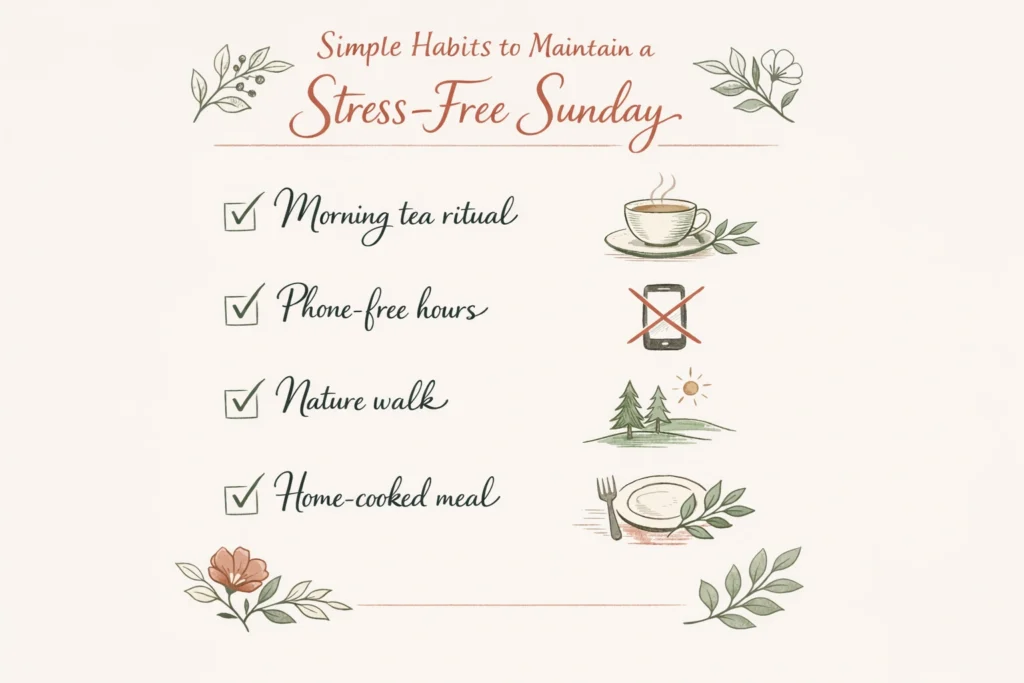
Protecting your Sunday self-care routine requires establishing clear boundaries around what you will and won’t accommodate. Learning to decline invitations or requests that compromise your restoration time isn’t selfish but rather essential self-preservation. Practice phrases like “I’m keeping Sundays reserved for rest” or “That won’t work for me, but I could meet you Thursday instead.” Most people respect clearly communicated boundaries, and those who don’t perhaps don’t deserve access to your limited time and energy anyway.
Batch-preparing weekday necessities can happen Sunday without overwhelming yourself if approached strategically. Rather than cooking seven complete dinners, perhaps prepare components: wash and chop vegetables, cook grains, marinate proteins. These building blocks allow quick weeknight assembly without Sunday devolving into marathon cooking sessions. Similarly, reviewing your schedule and confirming appointments takes less than thirty minutes but prevents Monday morning scrambles. The weekend slow living schedule philosophy applies even to these practical tasks—doing them mindfully, without rushing, transforms chores into meditative activities.
How Slow Living Sunday Routines Improve Your Overall Wellbeing

The cumulative benefits of consistently practicing slow living Sunday routines extend far beyond surface-level relaxation. Neurologically, regular rest periods allow your brain to consolidate learning, process emotions, and restore cognitive resources depleted throughout the week. This translates into sharper decision-making, enhanced creativity, and greater emotional resilience when facing inevitable challenges. People who maintain these practices often report feeling more centered and less reactive—able to respond thoughtfully to situations rather than automatically reacting from stress or habit.
Physical health improves through multiple pathways when intentional living becomes weekly practice. Better sleep quality strengthens immune function, regulates appetite hormones, and supports cellular repair processes. Lower chronic stress reduces inflammation linked to numerous diseases including cardiovascular problems, diabetes, and autoimmune conditions. The gentle movement incorporated into peaceful Sunday habits maintains flexibility and circulation without the injury risks of overtraining. Perhaps most significantly, the deep sense of balance and contentment these routines cultivate protects against burnout—that state of complete depletion affecting increasing numbers of people across all professions and life stages.
Conclusion
Transforming Sundays from frantic catch-up days or passive screen time into intentional slow living Sunday routines offers one of the most accessible yet powerful changes you can make for your overall wellbeing. The practices explored throughout this guide—from mindful mornings and digital detox Sundays to nature walks on Sunday and evening rituals—work synergistically to create a weekly reset that ripples positively through every other day. You don’t need to implement everything simultaneously or achieve perfect execution. Simply choosing two or three practices that genuinely resonate with your current needs and circumstances creates meaningful progress.
Remember that the essence of slow lifestyle Sunday tips involves intention rather than rigidity. Your relaxing Sunday routine should evolve as your life changes, adapting to different seasons, circumstances, and developmental stages. What matters most isn’t following prescribed rules but rather cultivating genuine presence, self-compassion, and connection with whatever brings you peace. Start this Sunday by waking without immediately reaching for your phone. Prepare one meal mindfully. Take a short walk outside. These small beginnings plant seeds that gradually blossom into sustainable practices supporting not just productivity but authentic wellbeing and joy. Your future self—more rested, balanced, and resilient—will thank you for the gift of this weekly sanctuary you’re creating right now.
Frequently Asked Questions
What exactly is a slow living Sunday routine?
A slow living Sunday routine represents an intentional approach to spending Sundays in ways that restore rather than deplete your energy. Instead of rushing through errands, passively scrolling social media, or working through weekends, this practice emphasizes mindful mornings, gentle activities, self-care rituals, and preparation for the week ahead—all undertaken at a calm and slow pace. The routine typically includes elements like disconnecting from devices, spending time in nature, preparing nourishing meals, journaling, and creating peaceful environments. Core components focus on presence, simplicity, and activities that genuinely replenish your mental, emotional, and physical resources.
How long does it take to establish a slow living Sunday habit?
Research on habit formation suggests that simple behaviors become automatic after about twenty-one days of consistent practice, while more complex routines may require sixty to ninety days before feeling natural. Most people notice immediate benefits from their first Sunday reset routine—better sleep, reduced anxiety, improved Monday morning mood. However, the profound transformative effects accumulate over several months of consistent practice. Start with just one or two calm Sunday morning ideas rather than attempting complete lifestyle overhauls. Gradually add practices as earlier ones become established. Individual timelines vary based on current stress levels, existing habits, and life circumstances. Patience with yourself during this process matters more than perfect execution.
Can I practice slow living Sundays with a busy family schedule?
Absolutely, though it requires communication, creativity, and sometimes compromise. Family members often appreciate the invitation to slow down together once they understand the benefits. Involving children in slow meal preparation, nature walks on Sunday, or creating cozy and calm environment moments teaches valuable life skills while building connection. Partners can alternate taking primary responsibility for kids, allowing each person some solo restoration time. Even busy households can implement modified versions: perhaps phone-free family breakfast, afternoon nature outings together, or shared evening rituals. The key involves explaining why these practices matter and inviting everyone to contribute ideas for stress-free Sunday activities that work for your unique family dynamics.
What if I can only dedicate a few hours to slow living on Sundays?
Even brief periods of intentional slowing create meaningful benefits. If full-day commitment feels impossible currently, designate specific time windows—perhaps Sunday morning from waking until noon or afternoon from two to six. Within these boundaries, fully embrace mindful Sunday schedule principles: disconnect from devices, engage in one nourishing activity completely, practice presence rather than multitasking. Quality matters far more than quantity. Thirty minutes of genuine meditation and breathing exercises provides more restoration than three hours of distracted half-rest while simultaneously scrolling and worrying. As you experience benefits from these focused periods, you may naturally find yourself expanding them or becoming more protective of this time.
Do slow living Sunday routines actually improve weekday productivity?
Extensive research confirms that adequate rest dramatically enhances productivity, creativity, and decision-making quality. Studies from Stanford University demonstrate that productivity per hour declines sharply when working more than fifty hours weekly, and output above fifty-five hours becomes negligible. The Sunday self-care routine approach works similarly—by genuinely restoring cognitive resources Sunday, you arrive Monday with sharper focus, greater energy, and enhanced problem-solving capacity. Well-rested individuals accomplish more in less time while making fewer errors. Additionally, the journaling and reflection component of Sunday routines helps clarify priorities, ensuring you invest weekday energy in high-impact activities rather than busy work. The productivity paradox reveals itself: doing less on Sundays enables accomplishing more Monday through Friday.





One Comment