
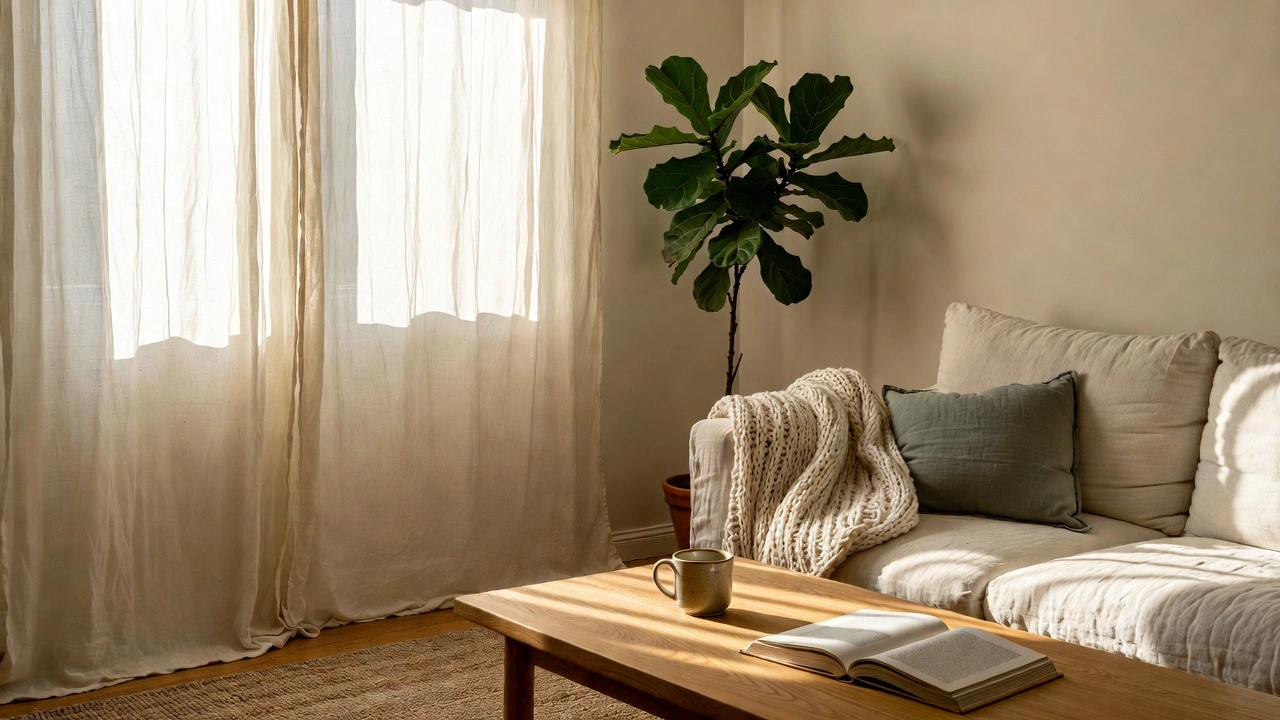
10 Easy Swaps To Design A Peaceful Slow Living Home
Picture this: you walk through your front door after a draining day, but instead of relief, you’re greeted by visual chaos. Cluttered countertops scream for attention. Harsh overhead lights glare down mercilessly. Your shoulders tense rather than relax because your home feels like just another place demanding something from you. This scenario isn’t uncommon in modern living, where homes often prioritize trends over tranquility. But what if transforming your space into a serene sanctuary didn’t require a complete overhaul or designer budget? The beauty of slow living home design lies in its simplicity—small, intentional shifts that cultivate peace without demanding perfection.
These easy home design swaps work because they address how environments shape our mental state. When you replace chaos with calm, your nervous system responds accordingly. You’re not just rearranging furniture; you’re redesigning how you experience daily life. The ten swaps ahead require minimal effort but deliver maximum serenity. They’re rooted in beginner home styling tips that honor your space’s unique character while eliminating what drains you. Whether you’re working with a studio apartment or sprawling house, these budget friendly design ideas adapt to your reality. You’ll discover that creating a peaceful sanctuary isn’t about buying more—it’s about choosing better.
Why Slow Living Design Creates a More Peaceful Home
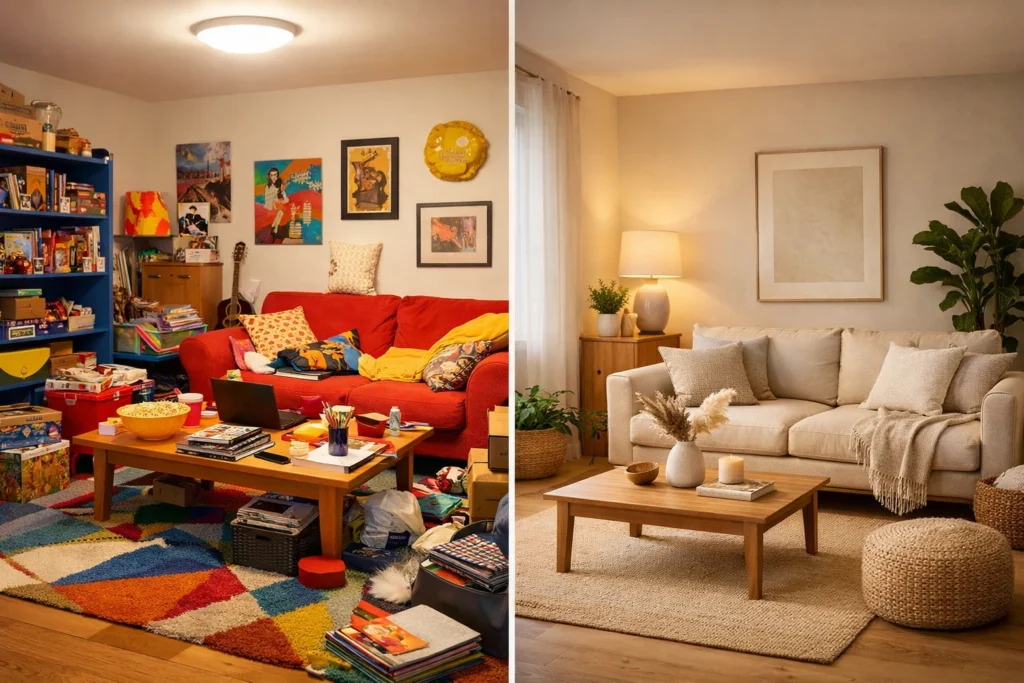
The connection between your surroundings and emotional wellbeing runs deeper than most realize. Neuroscience reveals that cluttered environments elevate cortisol levels, keeping your stress response perpetually activated. Meanwhile, thoughtfully curated spaces with visual balance allow your brain to rest. This isn’t abstract philosophy; it’s measurable biology. When you remove sensory overload through simple interior design upgrades, you’re literally giving your nervous system permission to downshift. The modern home often feels like a showroom—perfectly styled for Instagram but exhausting to inhabit. Slow living design flips this script entirely by focusing on how spaces make you feel rather than how they photograph.
What distinguishes a slow living home from conventional decor approaches? It’s the emphasis on presence over presentation. Every item earns its place through utility or genuine joy, not because a magazine deemed it trendy. Functional decor becomes the standard rather than excess. This philosophy embraces quality materials that age gracefully instead of disposable pieces requiring constant replacement. Sustainability naturally follows when you’re intentional about what enters your space. The aesthetic leans toward minimalist styling without the cold sterility often associated with minimalism. Warmth, comfort, and personality remain intact—you’re simply stripping away the noise that prevents you from experiencing them fully. Your environment acts as an external nervous system, either amplifying stress or promoting the cozy atmosphere you desperately need after navigating the outside world.
Swap Clutter for Intentional, Minimal Spaces
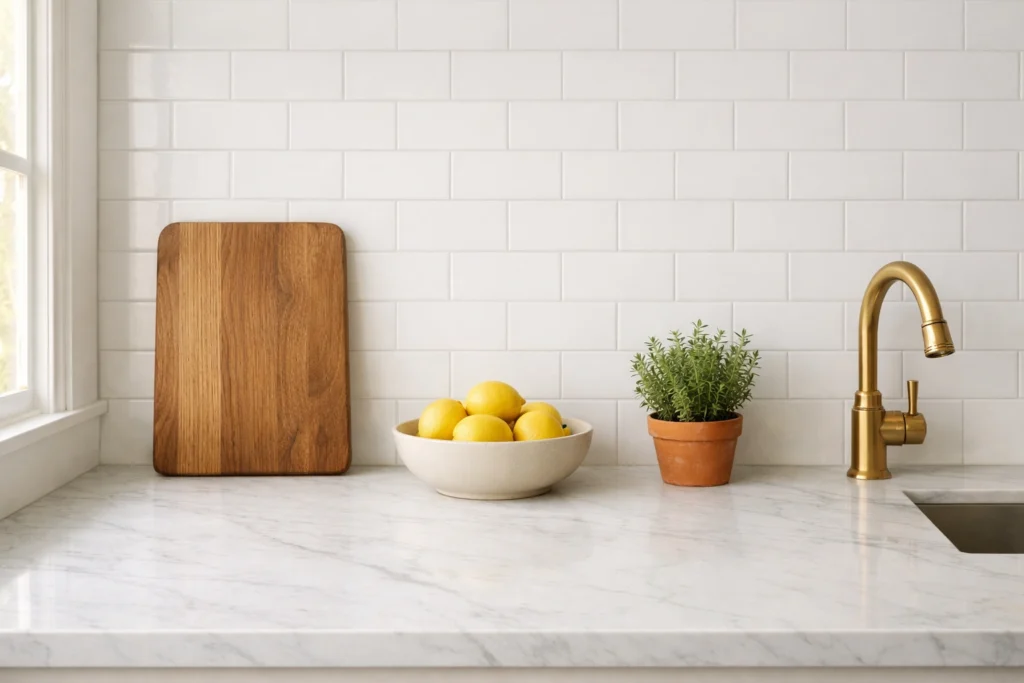
Clutter represents deferred decisions. Each item occupying space without purpose drains mental bandwidth because your subconscious knows it requires eventual action. The first and most impactful swap involves ruthlessly evaluating what truly serves you. This doesn’t mean embracing stark emptiness; it means curating your environment with the same care you’d apply to close friendships. Simple living space makeover projects often start here because addressing clutter unlocks every subsequent improvement. You can’t properly assess lighting, color, or flow when chaos obscures your space’s bones. Start by removing everything non-essential from surfaces—counters, tables, dressers. Clear them completely, then thoughtfully return only what you use daily.
you may also like this:5 Grounding Techniques That Help Slow Your Life Down
This quick interior refresh immediately creates visual balance that your eyes crave. The rule of three applies beautifully: group decorative elements in odd numbers for aesthetic appeal without crowding. For storage, embrace hidden solutions that maintain clean sightlines. Closed cabinets beat open shelving for most people because they contain visual noise. Decluttered space doesn’t feel empty when you’ve retained meaningful items; it feels intentional, which transforms how you inhabit the room. Kitchen counters should hold only three items maximum. Bedroom surfaces need just nightstand essentials. Living room coffee tables work better with one beautiful book or plant rather than seven competing objects. This approach to space optimization creates breathing room that allows your mind to actually rest when you’re home.
Replace Harsh Lighting with Soft, Natural Glow
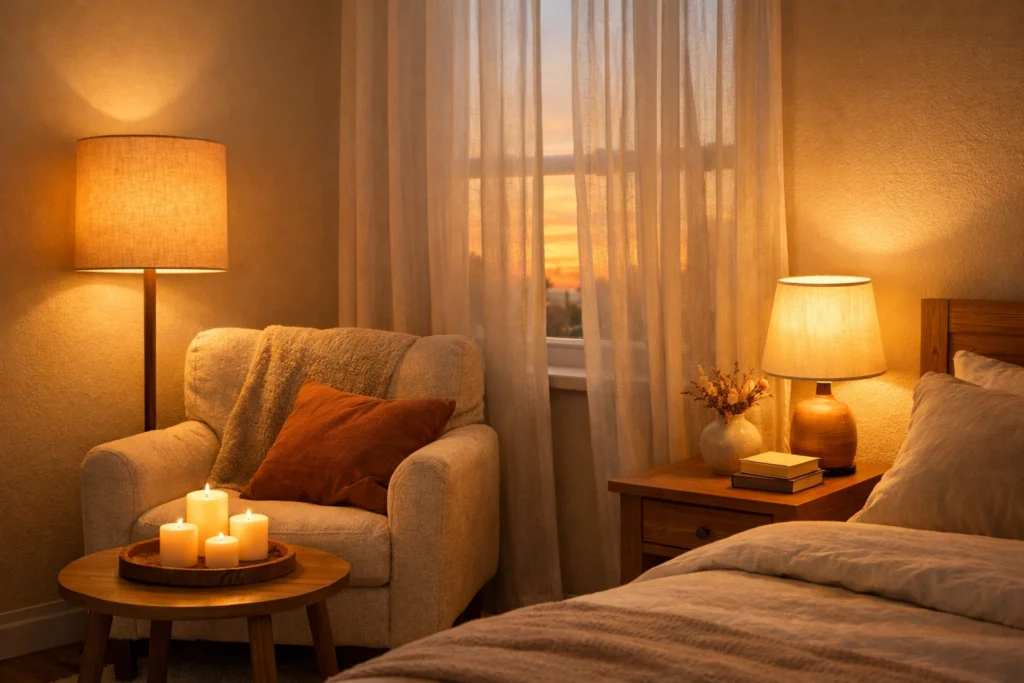
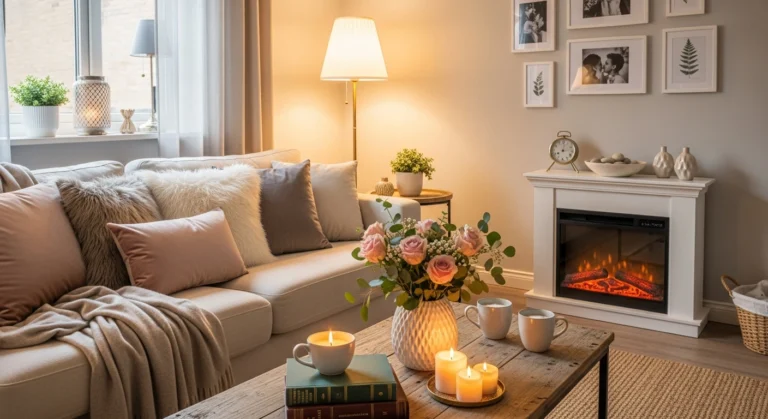
Lighting transforms mood more dramatically than almost any other design element, yet it’s frequently overlooked in favor of flashier upgrades. Harsh overhead fixtures flood spaces with unflattering, energy-sapping illumination that works against relaxation. This lighting upgrade swap involves layering multiple sources at varying heights to create depth and warmth. Think bedside lamps, floor lamps near reading chairs, and candles for evening ambiance rather than relying on ceiling fixtures alone. Easy home design swaps rarely deliver more impact per dollar than thoughtful lighting changes. The goal involves mimicking natural light’s quality throughout your day—bright and cool-toned in morning spaces, warm and dimmed for evening areas.
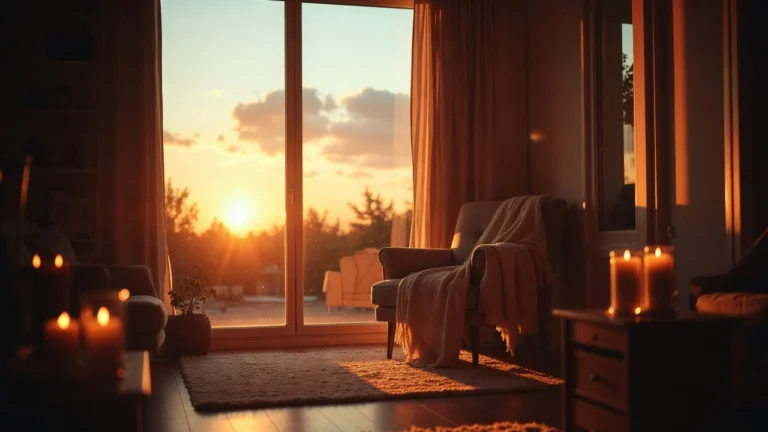
Installing dimmer switches on existing fixtures provides flexibility without rewiring. This budget friendly design idea allows you to adjust intensity based on activity and time. Salt lamps create cozy atmosphere through their amber glow. Floor lamps positioned behind seating create gentle uplighting that’s infinitely more flattering than overhead glare. Replace all bulbs with 2700K-3000K warm white LEDs in living areas and bedrooms for instant transformation. Avoid anything above 4000K in residential spaces; those blue-toned bulbs belong in offices where alertness matters more than comfort styling. Candles remain unmatched for instant mood enhancement—group varied heights on trays for visual balance, lighting them during evening wind-down routines. This ritual signals your nervous system that daytime demands are releasing their grip.
Choose Calming Colors for a Relaxed Atmosphere
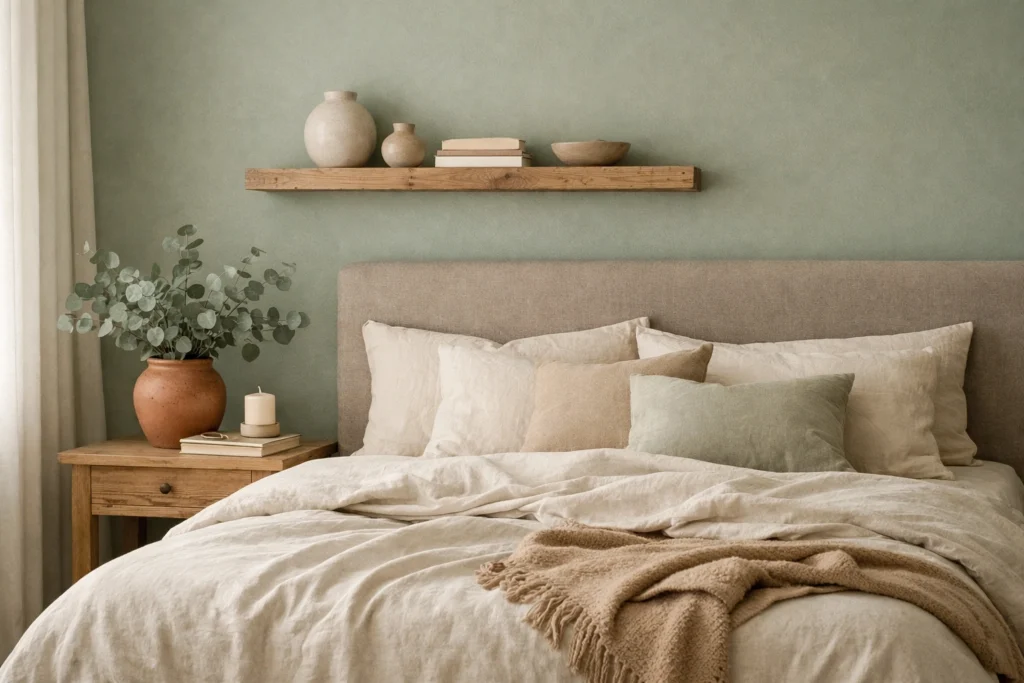
Color psychology isn’t mystical; it’s rooted in how wavelengths affect brain chemistry and cultural conditioning. Cool blues and greens demonstrably lower heart rate and blood pressure, which explains their prevalence in spas and healthcare settings. Warm neutrals like terracotta, cream, and soft taupe create grounded cozy atmosphere without the clinical feel cooler palettes sometimes produce. The slow living home embraces nature-inspired hues because they trigger innate responses—our ancestors felt safe in environments displaying these colors. This simple living space makeover through paint or textiles provides profound shifts in how rooms feel without requiring massive investment or permanent commitment.
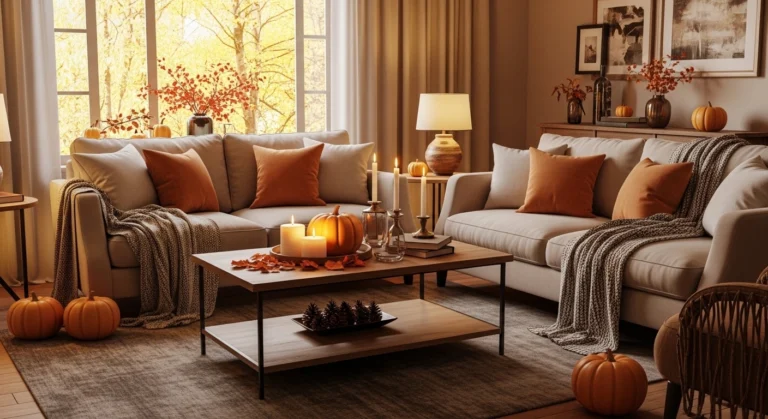
You needn’t repaint entirely to implement this swap. Introduce calming colors through textiles, artwork, or accent pieces first. A sage green throw blanket, cream linen curtains, or terracotta pots for plants can shift a room’s energy significantly. If you do paint, prioritize bedrooms and primary living spaces where you spend restorative time. The key involves color harmony—choose a palette of three to five hues that relate to each other, then distribute them throughout your home for design cohesion rather than each room screaming different personalities. Earth tones like ochre, clay, sage, and sand ground spaces while maintaining warmth. They pair beautifully with natural materials like wood and stone, enhancing the texture layering that creates depth and interest in your peaceful sanctuary.
Upgrade Textures to Add Warmth and Comfort
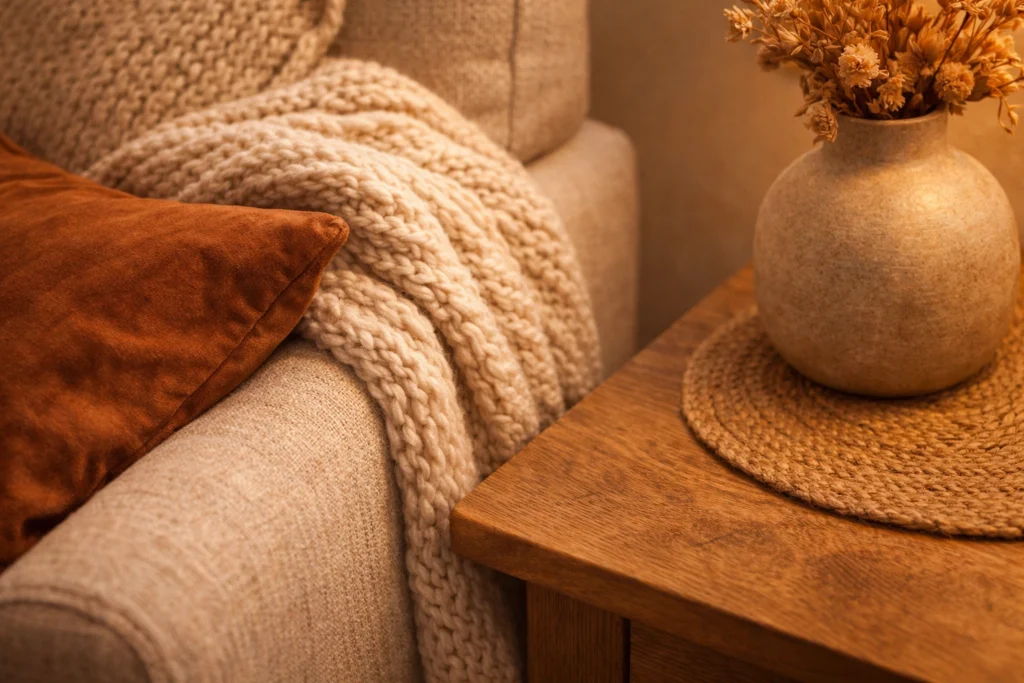
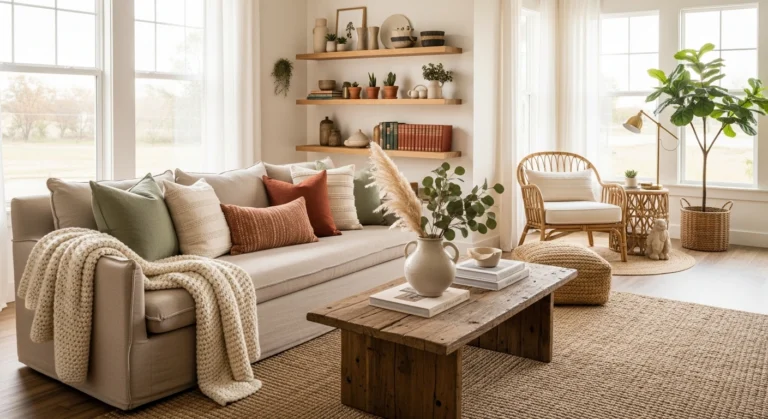
Visual appeal alone can’t create the cozy atmosphere you’re seeking. Tactile experience matters enormously because touch engages your nervous system differently than sight. Cold, smooth surfaces like glass and metal feel modern but can read as unwelcoming in excess. This swap involves introducing natural, varied textures that invite interaction. Think chunky knit throws replacing synthetic fleece, linen curtains instead of polyester, wool rugs over vinyl. These small design improvements add warmth without cluttering because texture provides richness through quality rather than quantity. Texture layering creates depth that makes spaces feel finished and inviting without overwhelming your senses.
The rule involves combining smooth, rough, and soft elements within each room. A smooth ceramic vase, rough jute rug, and soft velvet pillow create visual balance through contrast. Natural materials age beautifully, developing character rather than looking worn. This aligns perfectly with slow living philosophy—investing in pieces that improve rather than deteriorate over time. Home styling on a budget can absolutely incorporate quality textures through thrift stores, estate sales, or even natural elements you gather yourself like driftwood or river stones. Bedding deserves particular attention since you spend a third of your life enveloped in it. Linen sheets regulate temperature better than cotton while developing a lived-in softness that embodies the practical elegance slow living embraces. Layer these effortless decor swaps seasonally for fresh feelings without permanent changes.
Trade Digital Distractions for Mindful Corners
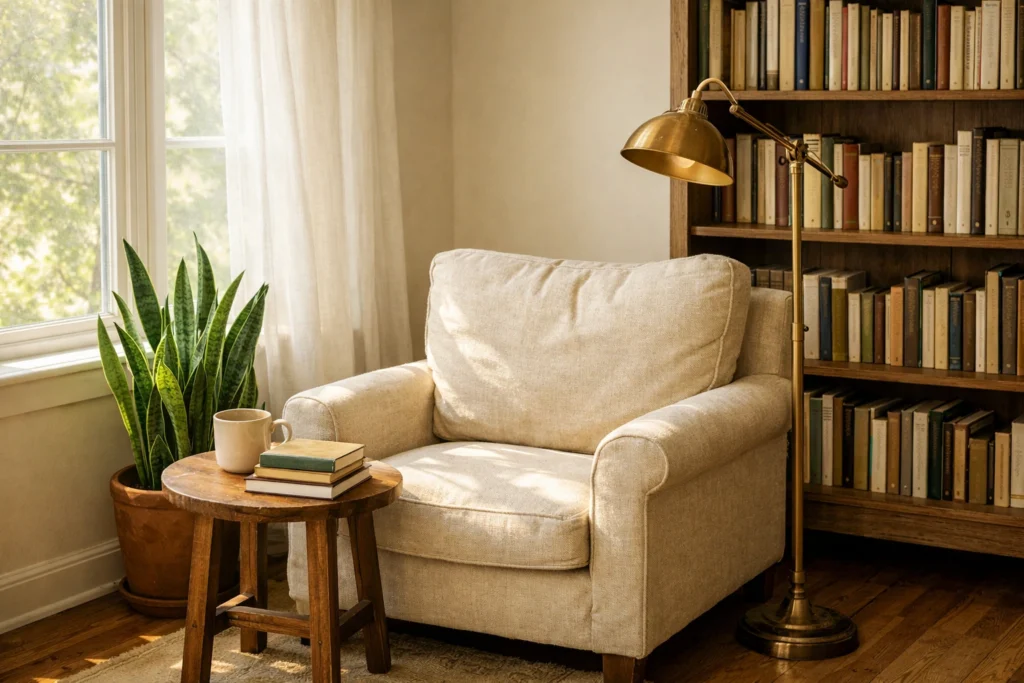
Technology infiltrates every corner of modern homes, fragmenting attention and preventing genuine rest. Screens emit blue light that disrupts circadian rhythms while delivering constant stimulation that keeps your nervous system activated. This swap involves designating tech-free zones where analog activities reclaim space. You’re not renouncing technology entirely; you’re creating boundaries that protect restoration time. The slow living home recognizes that constant connectivity undermines the presence required for peace. Quick home decor changes that support this shift include removing TVs from bedrooms, creating charging stations away from gathering areas, and designing spaces that encourage screen-free activities like reading or conversation.
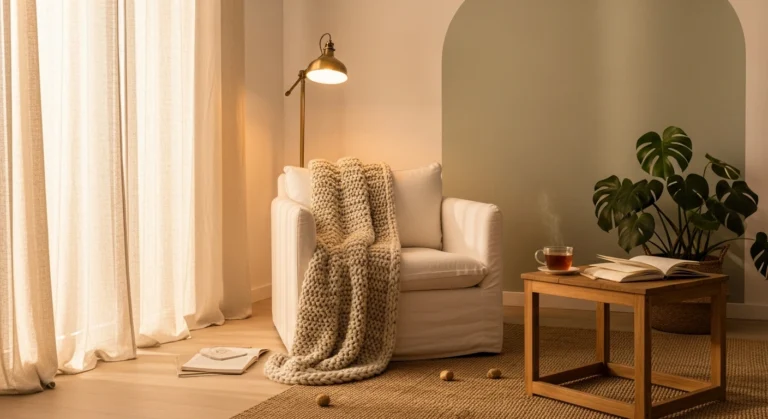
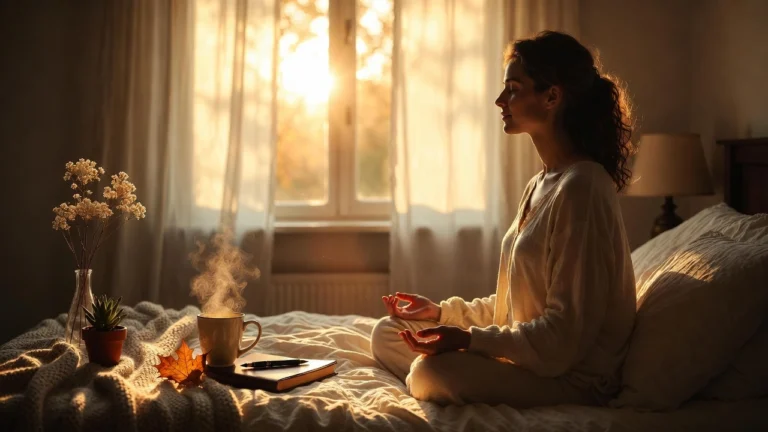
Mindful corners serve as physical reminders to pause. A reading nook with comfortable seating, good lighting, and nearby bookshelves invites you to engage with printed pages rather than scrolling. A meditation cushion in a quiet corner with a small plant creates a designated space for breathwork or reflection. These simple interior design upgrades don’t require square footage; a chair positioned near a window with a side table for tea suffices. The presence of these intentional spaces influences behavior more than you’d expect—you naturally gravitate toward activities the environment supports. Establish a basket near the entrance where phones live during meals to create functional decor that supports connection. Fill these spaces with appealing alternatives like vinyl records, physical books on beautiful shelves, or board games in attractive storage that signal their availability for modern home refresh ideas.
Introduce Nature-Inspired Decor for Serenity
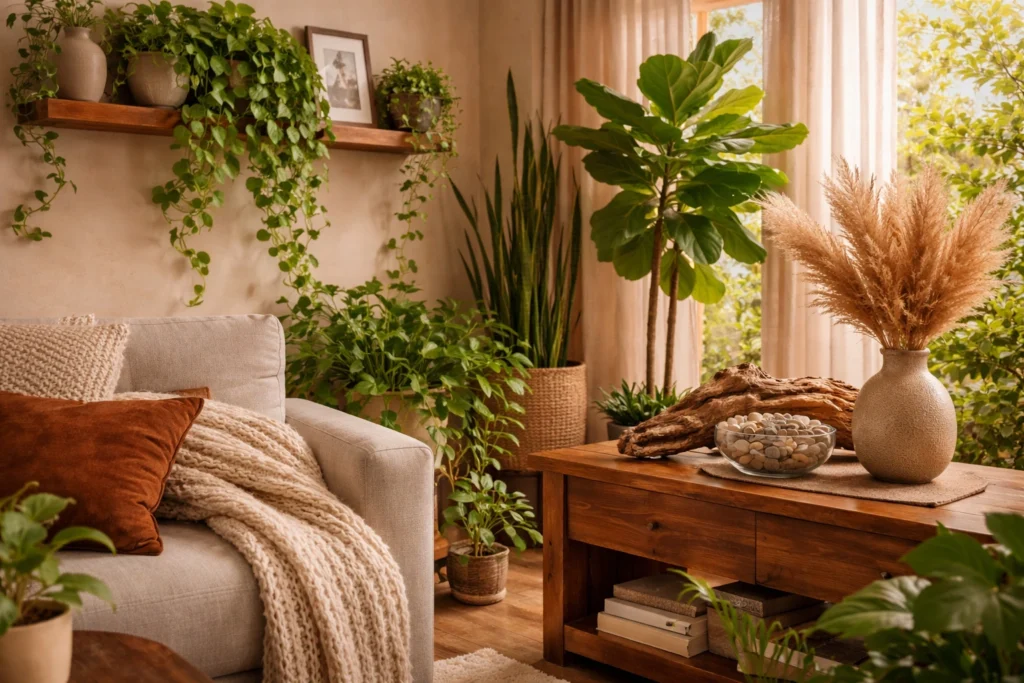
Biophilic design—incorporating natural elements indoors—addresses a fundamental human need for connection with the living world. Studies show that even minimal exposure to natural elements reduces stress hormones and improves mood significantly. This swap brings the outdoors in through plants, natural materials, and nature-inspired imagery. You needn’t transform your home into a jungle; strategic placement of a few well-chosen plants and natural objects creates the cozy atmosphere you’re cultivating. Easy home design swaps rarely offer better return on investment than adding greenery that purifies air, increases humidity, and provides living focal point areas that change with seasons.
Plants do more than look attractive. Even people without green thumbs can succeed with hardy varieties like pothos, snake plants, or ZZ plants that tolerate neglect. Beyond living plants, incorporate natural materials—driftwood, river stones, pine cones, or dried botanicals. These items collected from nature walks cost nothing while bringing organic shapes and textures that contrast beautifully with manufactured goods. One substantial floor plant in a high-impact area like the living room corner creates an instant focal point while improving air quality. Herbs on kitchen windowsills serve double duty—attractive and functional for this budget friendly design idea. Natural materials beyond plants contribute equally through driftwood becoming sculptural art, smooth river stones filling glass bowls, or dried pampas grass adding height. These decorative elements introduce organic shapes that create visual balance through variety while connecting you to the natural world.
Simplify Furniture Layout for Better Flow
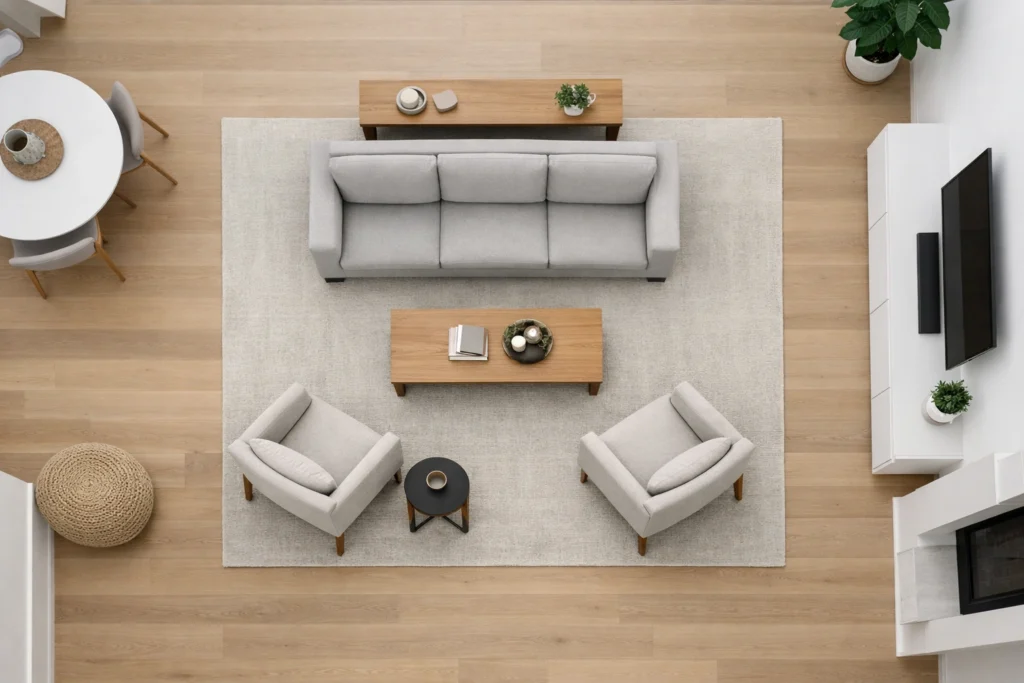
Furniture arrangement profoundly affects how you move through and experience space. Most people push everything against walls, creating a bowling alley effect that feels awkward and disconnected. This swap involves thoughtful placement that prioritizes room flow and space optimization over maximizing floor space. Pulling furniture away from walls creates conversation groupings that feel intimate and intentional. Area rugs define zones within larger rooms, providing visual balance and spatial layout clarity. Even in small spaces, strategic arrangement outperforms cramming furniture wherever it fits. The principle involves considering traffic patterns and activity zones for practical elegance.
Negative space—areas intentionally left empty—provides visual rest and physical circulation. Western design often fears emptiness, leading to over-furnished rooms that feel cluttered despite quality pieces. Embrace breathing room between furniture groupings for this minimalist styling approach. Pull your sofa away from the wall by a foot or more, placing a console table behind it for plants or lighting. This creates depth while making the room feel larger paradoxically. Conversation groupings should allow people to sit facing each other at comfortable distances. Furniture serving multiple purposes maximizes utility while minimizing visual clutter through storage ottomans, nesting tables, or Murphy beds. These fast room makeover ideas often require zero purchases, just rearranging what you own with more intention. Choose furniture with exposed legs rather than skirted pieces for aesthetic appeal that makes rooms feel more spacious.
Replace Noise with Quiet, Cozy Elements
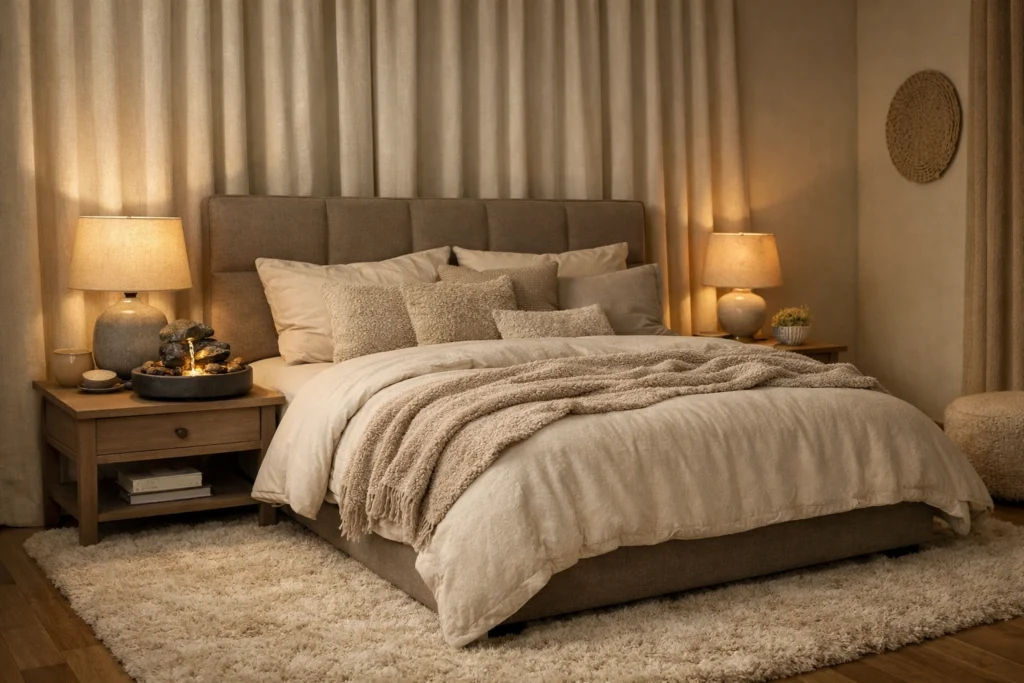
Sound often goes unconsidered in design, yet acoustic environment dramatically affects stress levels. Hard surfaces—tile, wood, glass—reflect sound, creating echo and amplifying noise. Soft, absorbent materials dampen sound, creating the hushed quality that feels peaceful. This swap involves introducing textiles and soft goods that quiet your space acoustically while adding comfort styling visually. Heavy curtains, upholstered furniture, and area rugs all serve double duty as sound dampening decorative elements. These easy home design swaps transform how your home sounds, which directly impacts how it feels. Textile layering serves acoustic purposes beyond aesthetics through thick curtains muffling street noise and rugs reducing echo.
Beyond dampening unwanted noise, consider introducing intentional soundscapes. Complete silence can feel oppressive for some people; gentle background sounds like wind chimes, water features, or crackling fireplaces provide pleasant audio that masks jarring noises without demanding attention. The goal involves curating your sonic environment as carefully as visual aesthetics for mood enhancement. White noise machines mask disruptive sounds without creating their own distracting content. Wind chimes near entryways provide melodic greetings when you arrive home, signaling transition from outside chaos to inside sanctuary. Choose materials carefully—bamboo produces softer tones than metal. These effortless decor swaps through sound don’t require physical changes but shift your environment substantially while supporting the cozy atmosphere and modern touch you’re building throughout your home.
Add Meaningful Decor That Sparks Joy
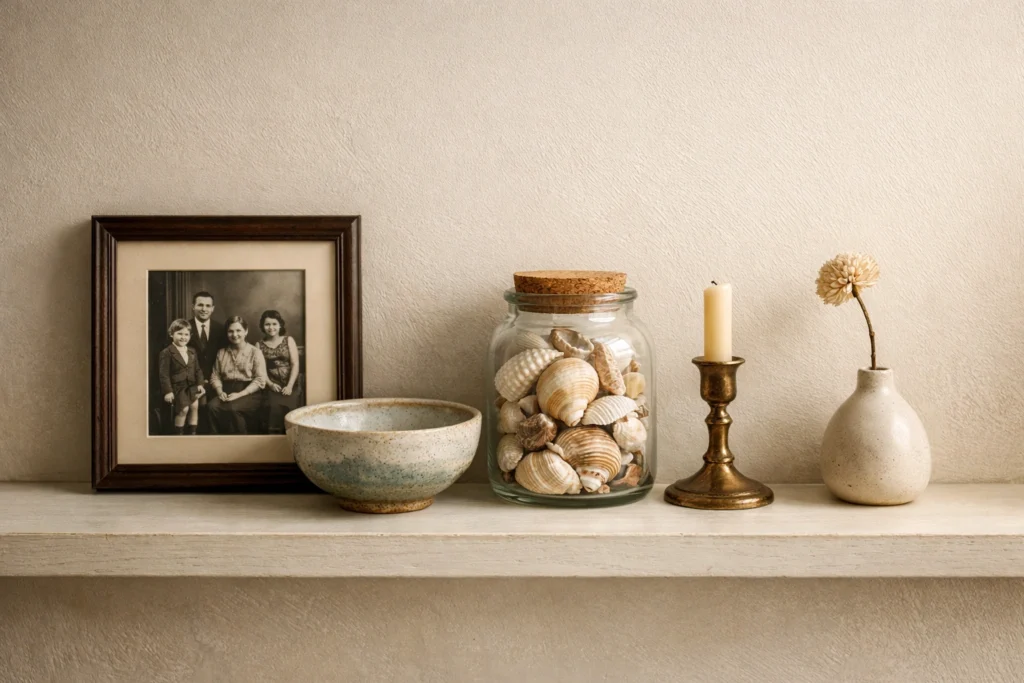
Generic mass-produced decor lacks the resonance that turns a house into a home. This swap prioritizes items with personal significance over Instagram-worthy trends. Heirlooms passed through generations, artwork from local artisans, souvenirs from meaningful travels—these pieces tell your story while creating focal point areas rich with context. The slow living home embraces imperfection and authenticity over polished uniformity. Decorative elements should prompt memories or reflect genuine interests, not just fill space because someone deemed them stylish. This approach contradicts fast-fashion home decor that encourages constant cycling through trends, focusing instead on quality meaningful pieces that justify higher costs through lasting satisfaction.
Trends by definition prove temporary. Pieces chosen for personal resonance transcend trends because their value stems from meaning rather than fashion. Your grandmother’s quilt displayed on a ladder, your father’s vintage record collection, handmade pottery from your honeymoon—these items become increasingly precious over time rather than embarrassing relics. This practical elegance prioritizes longevity and authenticity as core slow living values. Mixing eras and styles works beautifully when unified by personal significance. Preventing accumulation requires discipline through the one-in-one-out rule: every new item demands removing something comparable. This boundary forces evaluation before purchasing and ensures everything present genuinely deserves its place. Seasonal rotations allow freshness without accumulation as you store and swap decor quarterly. This simple living space makeover strategy satisfies the human need for novelty while honoring the peace from not drowning in stuff.
How Small Design Swaps Transform Daily Living

The cumulative impact of these changes exceeds their individual effects. You’re not just rearranging furniture or changing bulbs; you’re redesigning how you experience home. Each swap removes friction between you and restoration. Clear surfaces mean cleaning takes minutes rather than hours, reducing domestic stress. Soft lighting encourages earlier relaxation, improving sleep quality. Decluttered space with visual balance allows your mind to rest rather than constantly processing chaos. These small design improvements compound into lifestyle transformation that extends beyond immediate comfort into measurable health benefits. Better sleep improves immune function, emotional regulation, and cognitive performance significantly.
The ripple effects prove profound. Reduced visual stress lowers baseline anxiety throughout your day. Spaces supporting mindfulness and presence strengthen relationships because you’re actually available to connect. This mood enhancement through environmental design represents preventive mental health care that costs far less than addressing problems after they develop. The slow living home becomes infrastructure supporting your wellbeing rather than just shelter. Transformation needn’t happen overnight—pick one swap from this list that resonates most strongly and implement it this week. Document changes through photos and notice emotional shifts as your environment evolves. Perfection isn’t the goal; intentionality is. Your peaceful sanctuary will never be magazine-ready because it’s lived in and evolving, and that’s precisely the point. Every DIY decor swap and quick interior refresh accumulates into profound transformation.
Frequently Asked Questions
What’s the difference between minimalism and slow living design?
Minimalism emphasizes owning less as its primary principle. You measure success by how much you’ve eliminated. Slow living design focuses on intentionality rather than quantity. You keep what genuinely serves you, whether that’s ten items or one hundred. A slow living space might display collections and meaningful objects that minimalism would reject. The distinction matters because deprivation doesn’t create peace—conscious curation does. You’re not asking “how little can I own?” but rather “what truly supports my wellbeing?” This approach feels sustainable because it honors your actual needs rather than imposing arbitrary limits.
Can I create a slow living home on a tight budget?
Absolutely, and arguably more authentically than with unlimited funds. Most swaps cost nothing: decluttering, rearranging furniture, using natural light, establishing tech-free zones. Thrift stores offer incredible natural materials and quality pieces at fractions of new costs. Nature provides free decor through collected stones, branches, or pinecones. Painting costs less than new furniture while transforming spaces dramatically. The slow living philosophy actually discourages spending on trendy items that won’t last. Focus on improving what you have through intentional arrangement and editing. When you do purchase, choose quality over quantity—one perfect chair beats five mediocre ones.
How long does it take to see benefits from these changes?
Many people notice reduced stress within days of decluttering alone. Clear surfaces and organized spaces immediately lower cognitive load because your brain stops processing visual chaos. Lighting changes affect mood the first evening you experience them. Sleep quality often improves within a week of bedroom optimizations like removing screens and softening light. Full transformation unfolds over weeks as habits shift and you internalize new patterns. The timeline varies based on how many swaps you implement simultaneously and how dramatically your space differs from these principles. Trust the process—even small shifts deliver measurable peace surprisingly quickly.
Will a slow living home feel boring or empty?
Not remotely, unless you confuse minimalism’s aesthetic with slow living’s philosophy. You’re removing chaos, not personality. Meaningful decor, natural textures, living plants, and personal collections create visual richness without overwhelming. The difference lies in curation versus accumulation. A room with ten carefully chosen items that spark joy feels fuller and more interesting than thirty generic pieces competing for attention. Negative space isn’t emptiness; it’s breathing room that allows your meaningful objects to shine. If your space feels boring, you’ve likely over-edited. Add back meaningful items until it feels like you—just avoid reinstating the chaos you removed.
Do I need to redecorate every room at once?
Definitely not, and attempting to probably guarantees failure. Start with one space where you spend the most restorative time—usually the bedroom works best. Success there motivates extending changes elsewhere. Some people prefer tackling the main living area first since it affects the whole household. Choose based on where transformation will deliver the highest impact for your lifestyle. Living with partial implementation helps you understand what works before committing throughout your home. This gradual approach also spreads costs over time if budget constrains you. Many people find the process takes months to fully implement across their entire home, and that’s perfectly appropriate for sustainable change.
Conclusion
Transforming your house into a peaceful slow living home doesn’t demand perfection, unlimited budgets, or professional designers. These ten swaps work because they address fundamental human needs often ignored in modern design: rest, connection, beauty, and meaning. You’re not just moving furniture or changing bulbs; you’re dismantling the environmental chaos that silently drains you. Every clear surface, soft light, and meaningful object contributes to infrastructure supporting your wellbeing rather than undermining it. The beauty of this approach lies in its accessibility and the way these simple interior design upgrades create lasting transformation.
Whether you implement all ten swaps or focus on three that resonate most, you’re honoring your need for spaces that restore rather than deplete. Start where motivation meets possibility. Clear those kitchen counters this afternoon. Swap those harsh bulbs tonight. Notice how you feel tomorrow. Your slow living home isn’t a destination requiring arrival before you can relax—it’s an ongoing practice of choosing peace through daily environmental decisions. Small, consistent swaps accumulate into profound transformation, but only if you actually begin. Comment below which swap you’ll try first, and remember that your home should restore you, not drain you. These changes make that possible.
2 Comments