31 Spring Window Box Ideas to Add Fresh Color and Curb Appeal
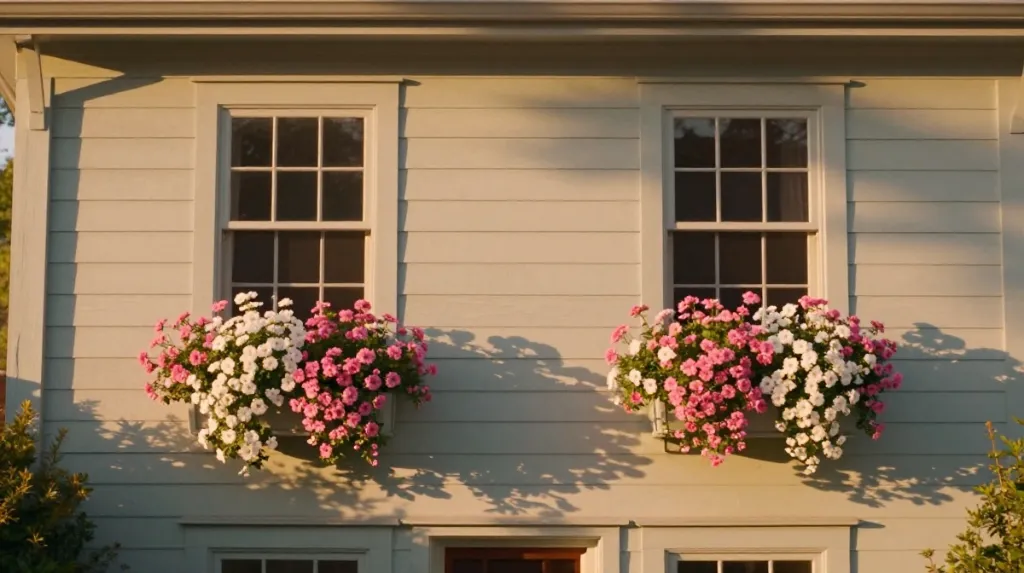
Your front windows are doing one of two things right now — quietly contributing to your home’s curb appeal, or quietly subtracting from it. A blank, plantless window box communicates one thing: nobody thought about it. A beautifully planted one communicates something entirely different and far more powerful. Spring window box ideas transform the exterior of any home in ways that paint, shutters and new hardware rarely can, because living color always outperforms static decoration.
The Thriller Filler Spiller Formula That Turns Any Window Box Into Art
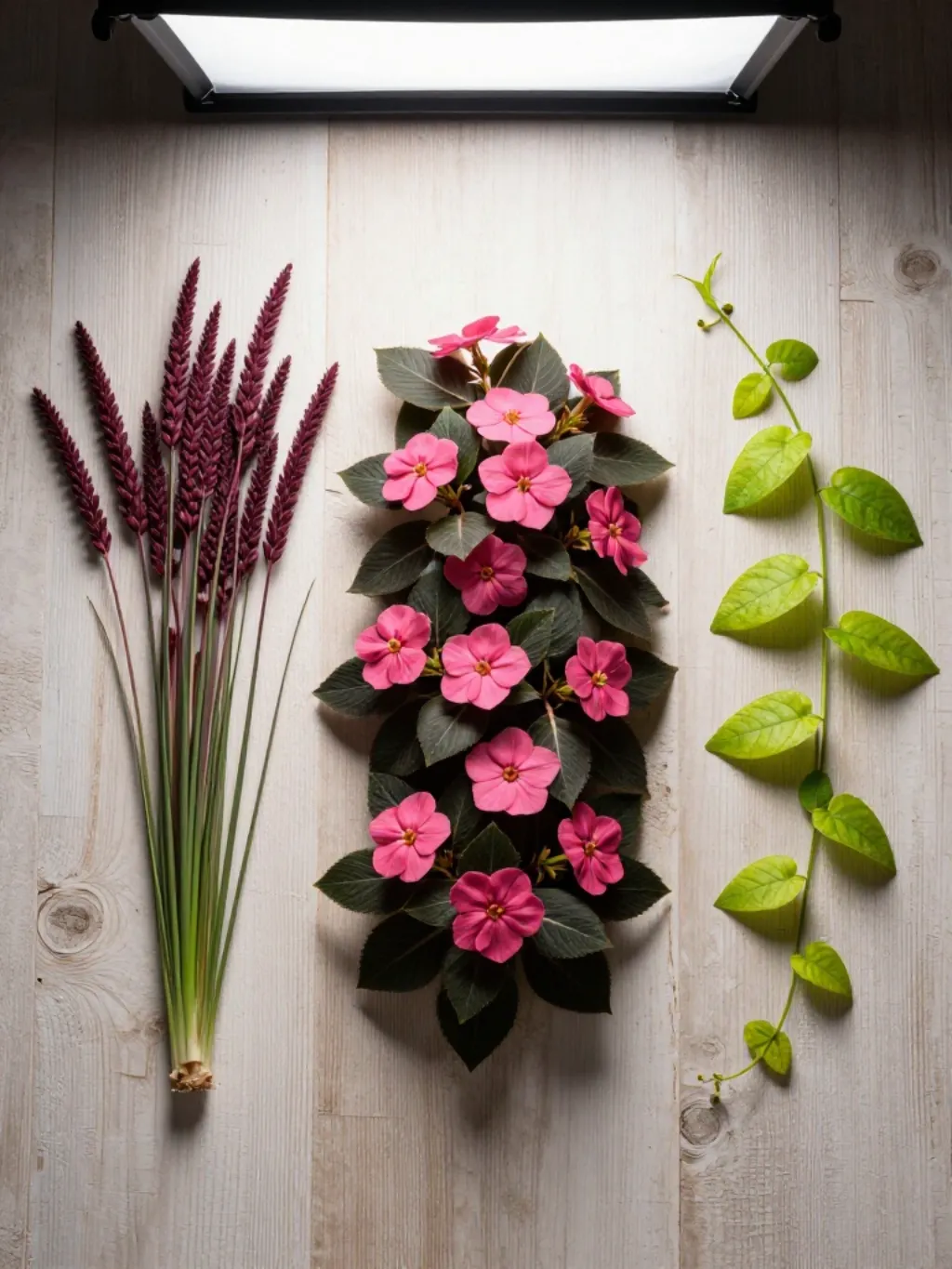
Every great spring window box composition follows one underlying architectural principle, regardless of style, color palette or plant selection. That principle is the thriller-filler-spiller method, and once you understand it, you’ll never look at a mediocre window box the same way again — you’ll immediately see exactly what’s missing.
Spring window box thriller filler spiller method divides a window box into three distinct plant roles: the thriller stands tall at the center or back, creating height and drama; the filler plants fill the middle space with mounding color and texture; and the spiller cascades over the front edge, softening the box’s hard lines. Window box thriller spiller filler application can use any plants — the role matters more than the specific variety. Proven Winners window box plants collections are specifically designed and labeled around this three-tier system, making selection dramatically easier for beginners working through a nursery for the first time.
Spring Window Box Ideas That Actually Survive Late Frost Surprises
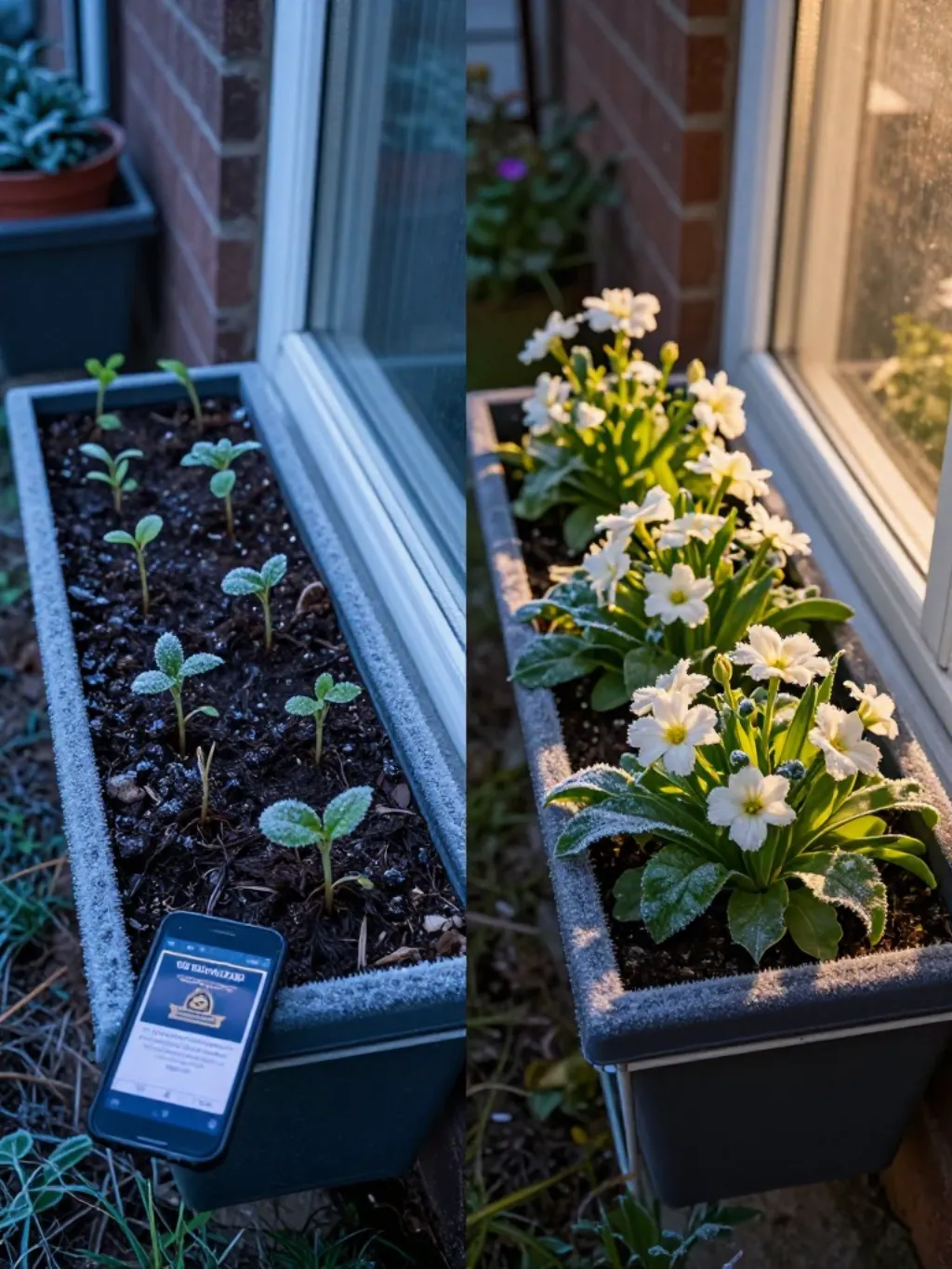
Late frost is the most common reason spring window boxes fail before they reach their full potential, and most gardening content glosses over it completely. When to plant window boxes in spring depends on your USDA hardiness zone, but the reliable rule is: never plant tender annuals until your last frost date has passed and nighttime temperatures consistently stay above 40 degrees Fahrenheit.
Window box frost protection early spring strategies for early planters include covering boxes with frost cloth on predicted cold nights, choosing cold-tolerant selections like pansies, violas, snapdragons and ornamental kale that handle light frost without dying, and keeping tender new plantings near the house wall where radiant warmth from the structure provides a few extra degrees of protection overnight. Botanical Interests seed window box collections specifically offer cold-hardy spring varieties that handle these early-season temperature fluctuations with considerably more resilience than typical nursery annuals chosen purely for color.
The Soil Secret Behind Every Window Box That Looks Effortlessly Lush
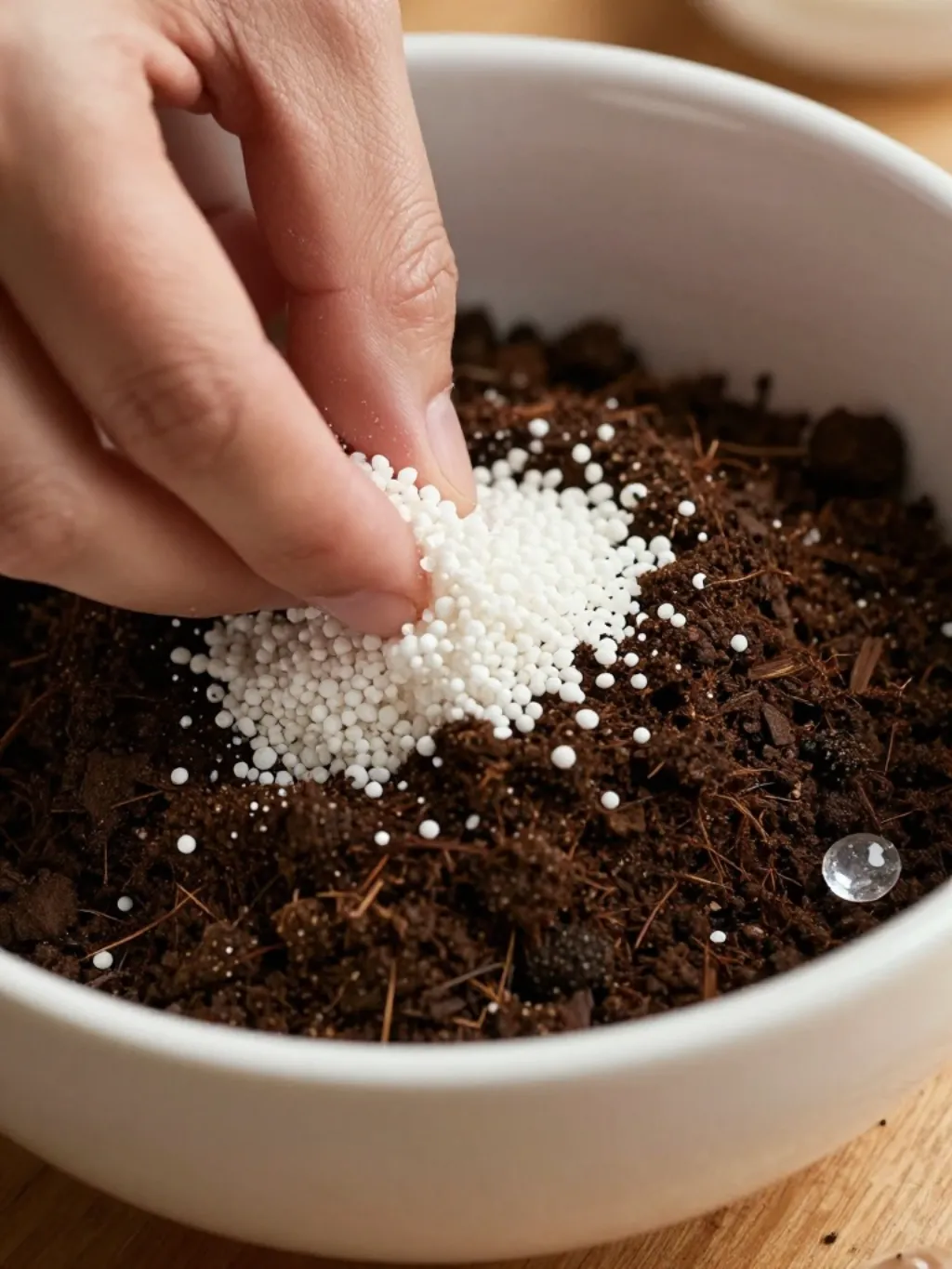
Plants in window boxes don’t have access to the vast root system and nutrient exchange network that in-ground plants do, which means the potting mix you start with determines almost everything about long-term performance. What soil to use in window boxes is never the answer “garden soil from your beds” — garden soil compacts in containers, blocks drainage and suffocates roots within weeks.
Window box potting mix amendments for maximum performance mean starting with a quality peat-based or coir-based potting mix, then adding perlite at roughly 20 percent of total volume for improved drainage and aeration. Miracle Gro potting mix window box applications remain one of the most widely available and consistently reliable choices across US garden centers. Window box soil moisture retention improves significantly through the addition of water-retaining polymer crystals mixed into the lower third of your potting mix — these absorb water during irrigation and release it slowly between watering sessions, dramatically reducing the frequency of wilting during warm spring afternoons.
Color Theory for Window Boxes and the Combinations That Stop Traffic
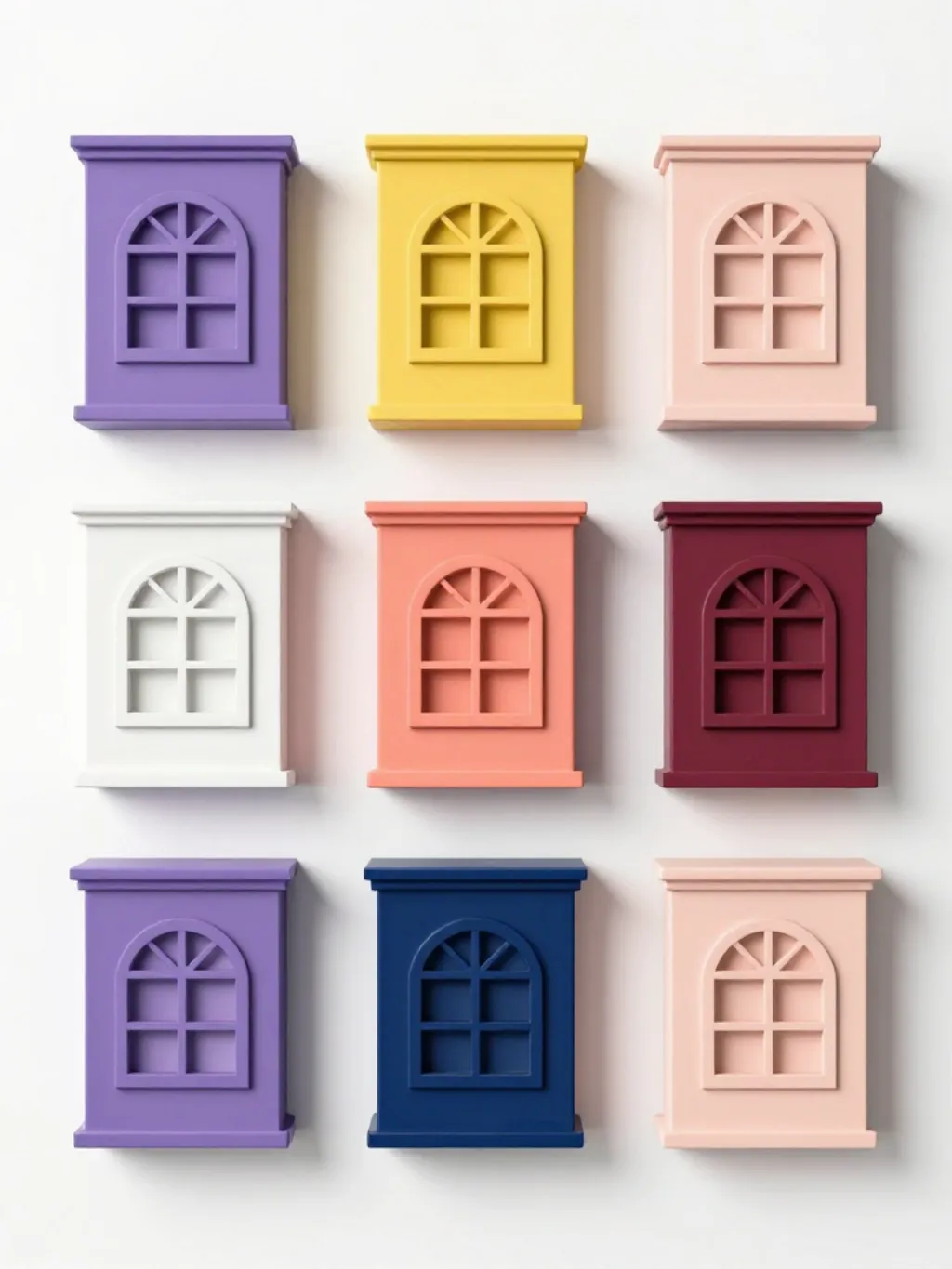
Color planning for a spring flower box deserves the same deliberate thought you’d give to painting a room inside your home, because the exterior result is equally visible and equally impactful on how the overall space feels. What colors look best in spring window boxes depends on your home’s existing color palette — a white house can handle almost any color combination, while a brick or grey exterior benefits from specific complementary choices.
Spring window box color theory planting follows two reliable frameworks: analogous color schemes that use neighboring colors on the color wheel for a harmonious, unified effect, or complementary schemes that pair opposite colors for maximum visual pop. Window box color combinations that consistently draw the most attention in American neighborhood settings include purple and yellow, coral and white, and blush pink against deep burgundy — each pairing creates enough contrast to read clearly from a distance while remaining cohesive up close. HGTV window box ideas features repeatedly demonstrate that limiting a spring box to three colors maximum prevents the visual chaos that seven or eight mixed colors often produces.
Cascading Beauties: Trailing Plants That Spill Over Every Window Ledge
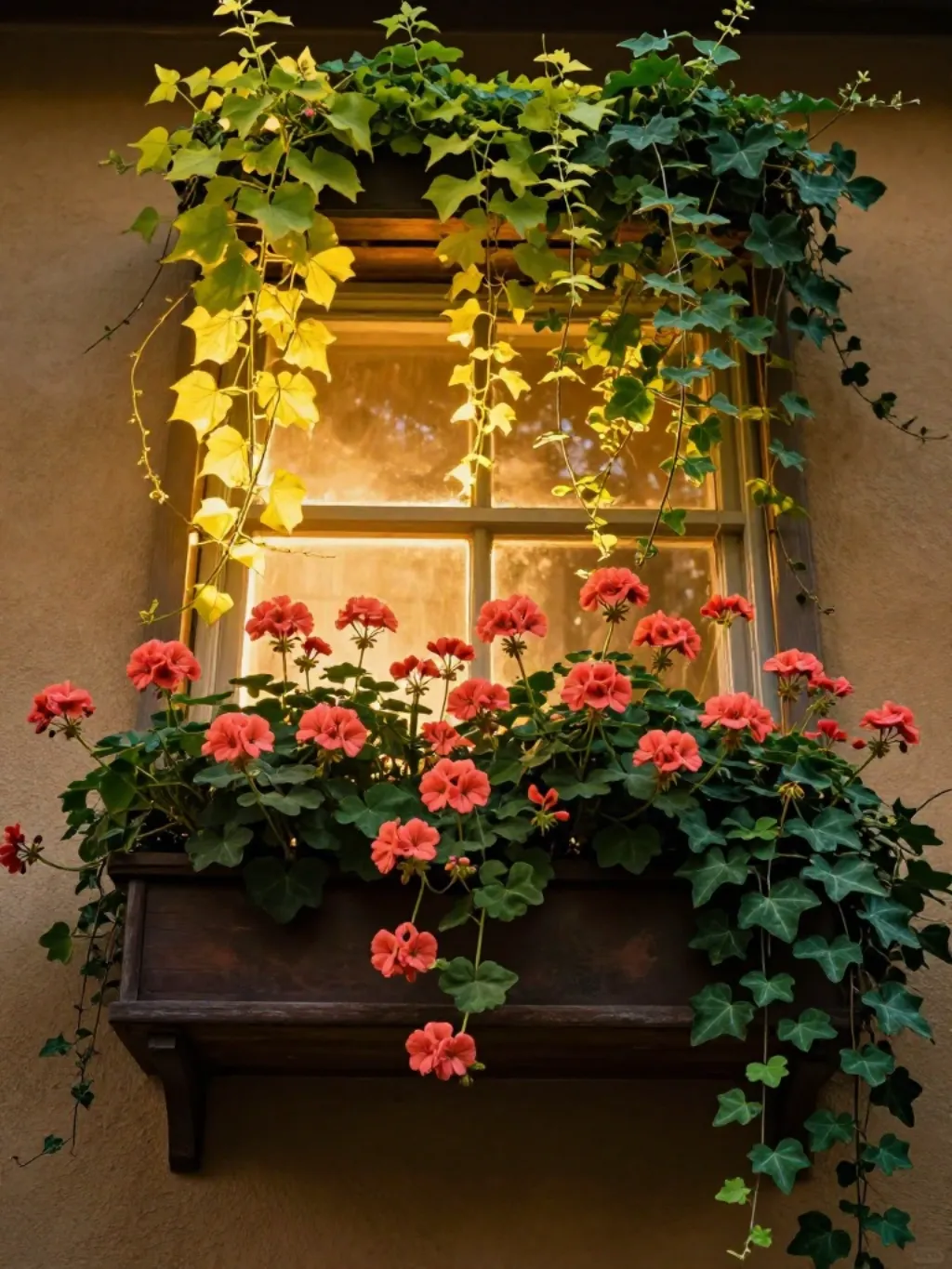
What are the best trailing plants for window boxes is a question that separates good window boxes from exceptional ones, because the spiller element is what gives a finished box its generous, abundant quality. Trailing plants soften the hard edge of any container and create the impression that plants are overflowing with vitality rather than simply sitting in a box.
Cascading window box ideas built around excellent spillers include sweet potato vine in chartreuse or deep purple, calibrachoa in virtually any color, bacopa in white or lavender, trailing lobelia, ivy geranium and spring window box combination trailing plants featuring creeping jenny for its golden-green waterfall effect. How to create a cascading window box effect requires planting spillers at the very front edge of the box, slightly tilted outward during installation so their natural growth direction immediately moves over the lip rather than inward toward the thriller plants.
Cottage Garden Window Boxes Dripping With Old Fashioned Romantic Charm
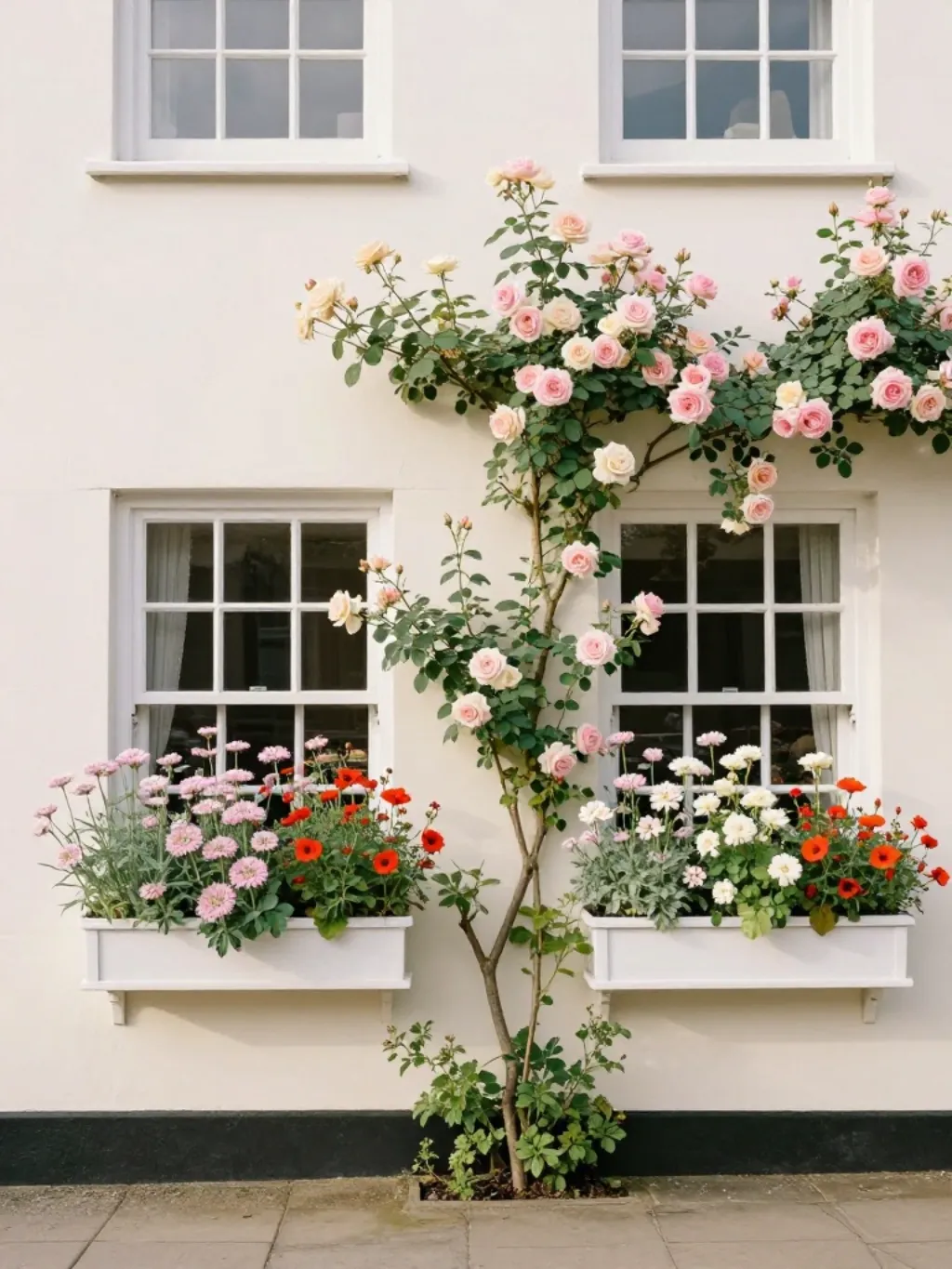
Cottage window box ideas appeal to a specific emotional response that modern, perfectly curated containers can’t quite replicate — the feeling of abundance slightly beyond control, of flowers that look as though they chose to grow there rather than being placed. Best window boxes for a cottage garden style lean into that gentle wildness intentionally.
Cottage garden container ideas for window boxes layer sweet william, larkspur, nasturtium, English daisy and trailing roses in combinations that seem almost too generous for the container. Southern Living window box ideas features frequently highlight this approach for Southern porches specifically because the layered, abundant planting style suits the romantic architectural character of classic Southern home exteriors better than rigid, symmetrical modern compositions. Burpee spring flower seeds window box selections include several cottage-appropriate varieties specifically suited to this relaxed, exuberant planting aesthetic.
Spring Window Box Ideas Built for Full Shade and Low Light Situations
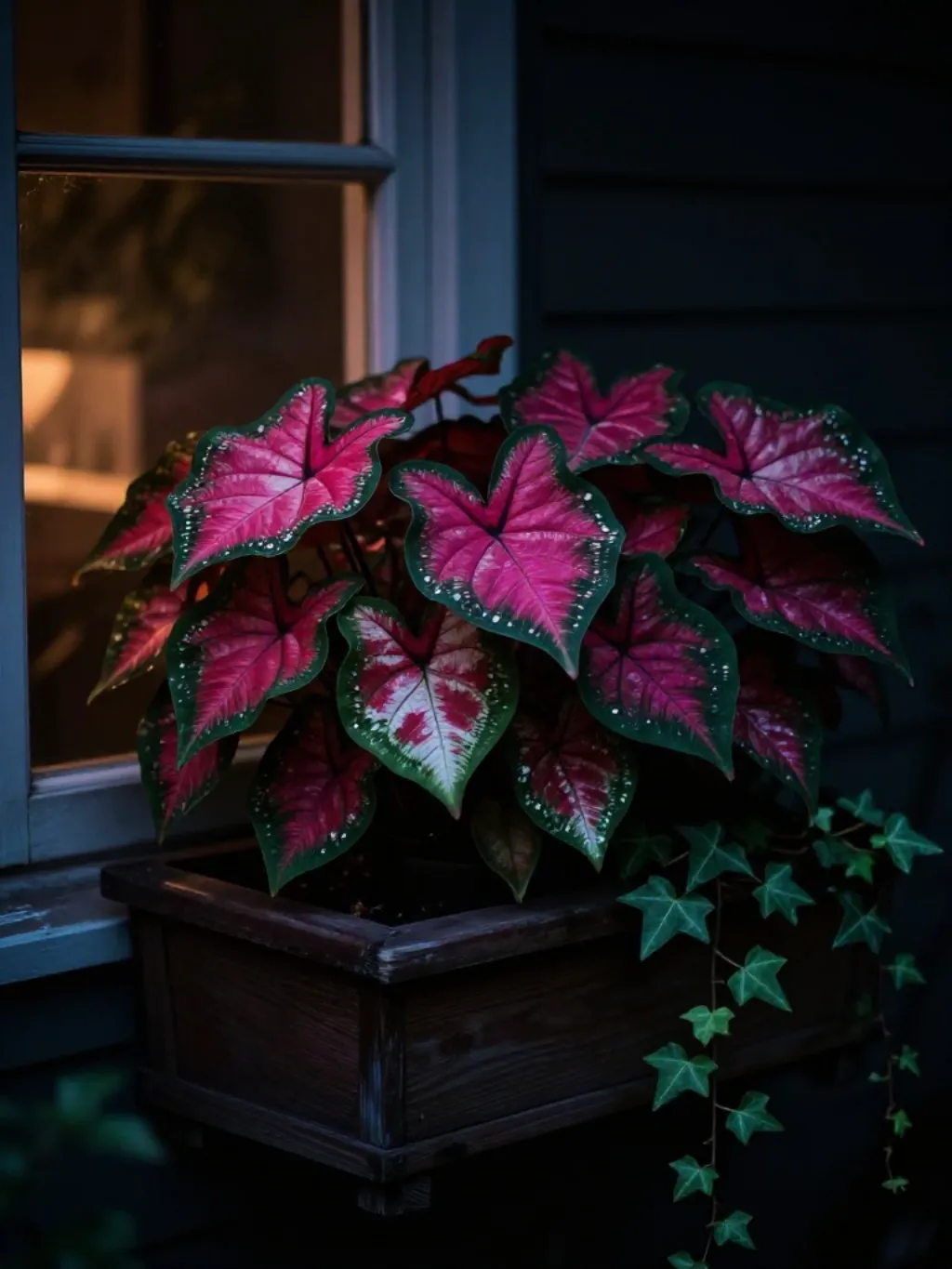
What to plant in shady window boxes in spring is a challenge that stumps many gardeners who assume colorful window boxes require full sun exposure. North-facing windows, heavily shaded porches and boxes positioned beneath deep roof overhangs all qualify as shade situations that demand specific plant selection rather than hoping sun-loving varieties will perform anyway.
Spring window box shade versus sun plants selection for deep shade relies heavily on impatiens, fuchsia, begonias, ferns, caladiums and coleus — all of which produce reliable color and texture without requiring direct sunlight. Monrovia spring plants window box shade collections offer specifically pre-selected shade performers that have been trialed across multiple growing conditions before reaching retail. What to put in window boxes for spring color in genuinely low light situations also benefits from foliage-forward selections where interesting leaf texture and color carry the display when flower production is naturally limited by reduced light availability.
The Drainage Truth Most Window Box Beginners Learn the Hard Way
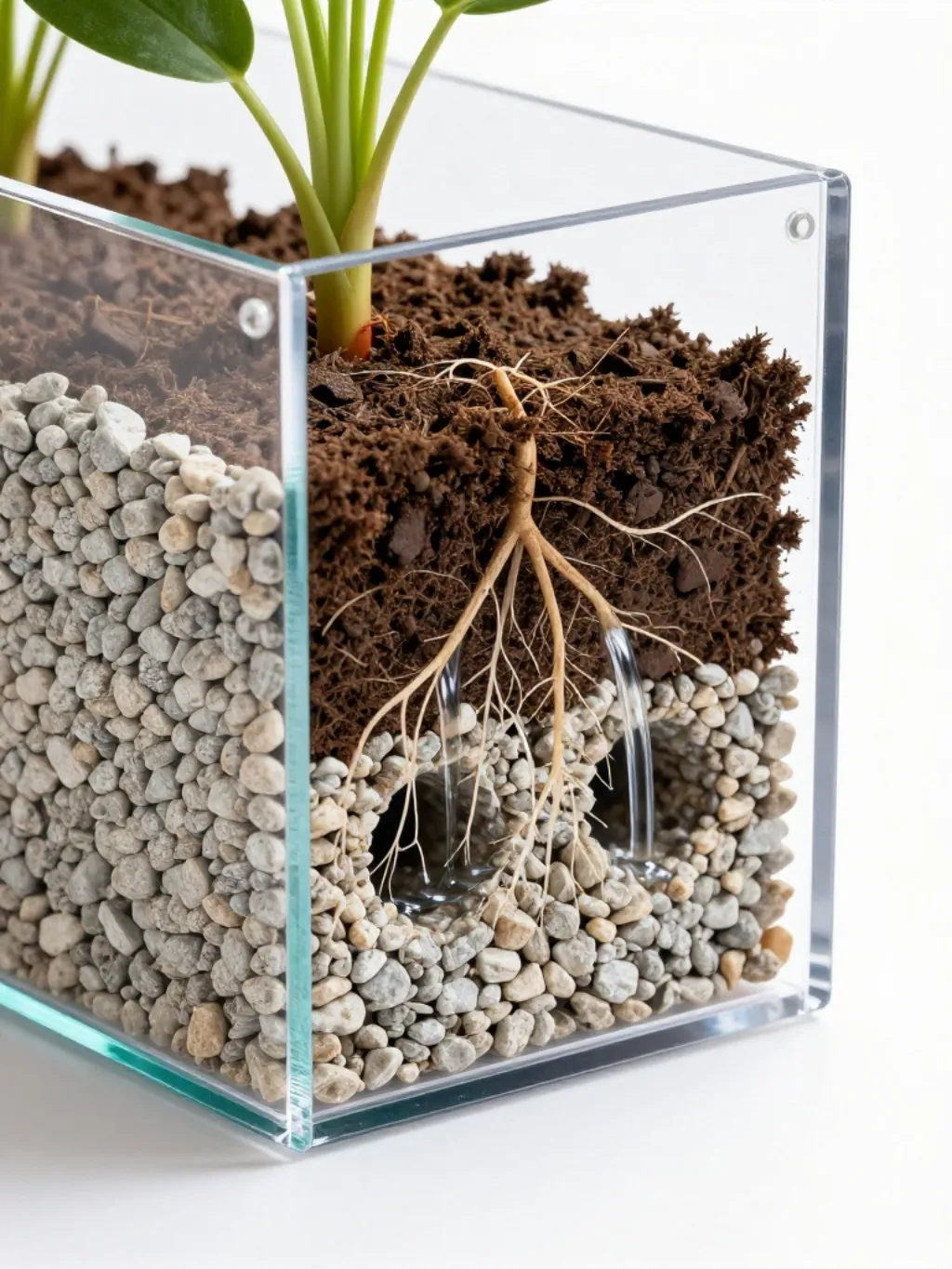
More spring window boxes die from overwatering and poor drainage than from any other cause, including drought, pests or disease. The irony is that most overwatered plants show symptoms — yellowing leaves, wilting despite moist soil — that look identical to underwatering, which triggers well-intentioned gardeners to water even more.
Window box drainage holes importance cannot be overstated. Every window box must have a minimum of one drainage hole per twelve inches of length, and many experienced gardeners drill additional holes even in commercially manufactured boxes because factory holes are frequently too few and too small. Window box soil and drainage working together effectively also requires placing a layer of course gravel, broken pottery or drainage mesh directly above the holes before adding potting mix — not because gravel improves drainage (research shows it doesn’t) but because it prevents the potting mix from washing out through holes during irrigation.
Pollinator Friendly Window Boxes That Attract Bees and Butterflies Daily
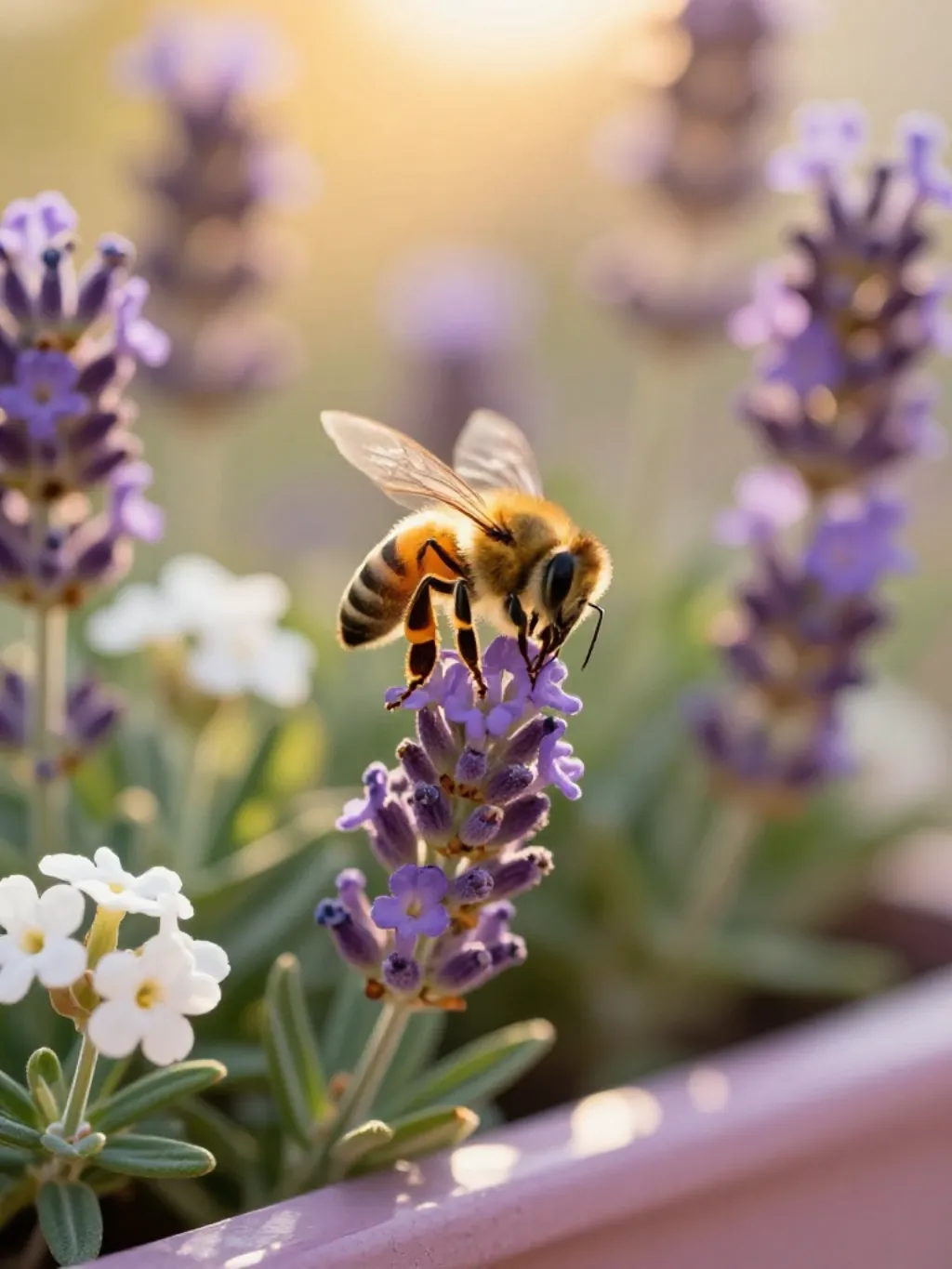
A spring window box designed with pollinators in mind delivers something beyond visual pleasure — it actively contributes to local ecosystem health in ways that matter increasingly as urban bee populations face consistent pressure from habitat loss. Spring window box pollinator friendly planting choices create a genuine resource for foraging bees, butterflies and hoverflies that visit daily once flowering begins.
Window box planting ideas built for pollinators prioritize single-flowered varieties over heavily doubled blooms, since double flowers often sacrifice pollen and nectar accessibility in favor of petal count. Lavender, catmint, sweet alyssum, phacelia, borage and single-flowered marigolds all rank among the most consistently visited pollinator plants suitable for window box culture. American Meadows window box seeds offer specific pollinator blend collections that include multiple flowering species timed to bloom in succession, extending the foraging resource through the full spring and summer season.
Farmhouse Window Box Styling That Feels Collected Not Catalog Perfect
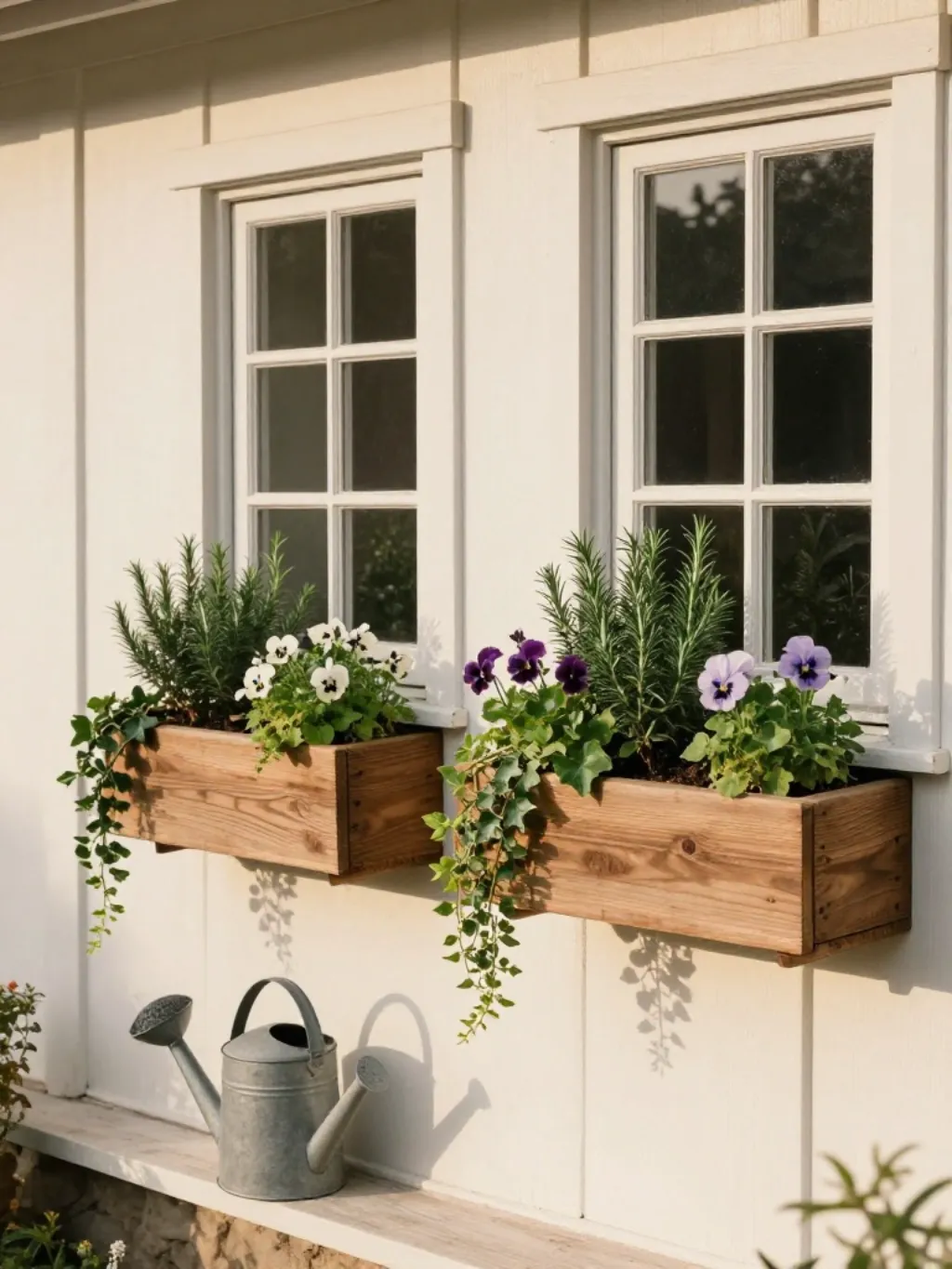
Farmhouse window box ideas have dominated Pinterest and home renovation content for a decade, but the most authentic versions look nothing like precisely symmetrical arrangements photographed under perfect light. True farmhouse window box aesthetic embraces slight asymmetry, mixes of texture over pure color harmony, and plant choices that evoke a working kitchen garden as much as a decorative display.
Joanna Gaines window box style philosophy, visible throughout Magnolia Home spring planter ideas content, consistently prioritizes substance and warmth over pristine perfection. Mixing English ivy with sage, incorporating rosemary as a thriller, allowing sweet alyssum to self-seed and fill gaps naturally — these decisions create the genuinely collected quality that distinguishes authentic farmhouse styling from catalog imitation. Etsy handmade window boxes in raw cedar and reclaimed wood provide the structural complement to this organic planting approach, since the container material itself carries as much aesthetic weight as the plants it holds.
Spring Window Box Ideas With Fragrant Flowers for Front Door Entrances
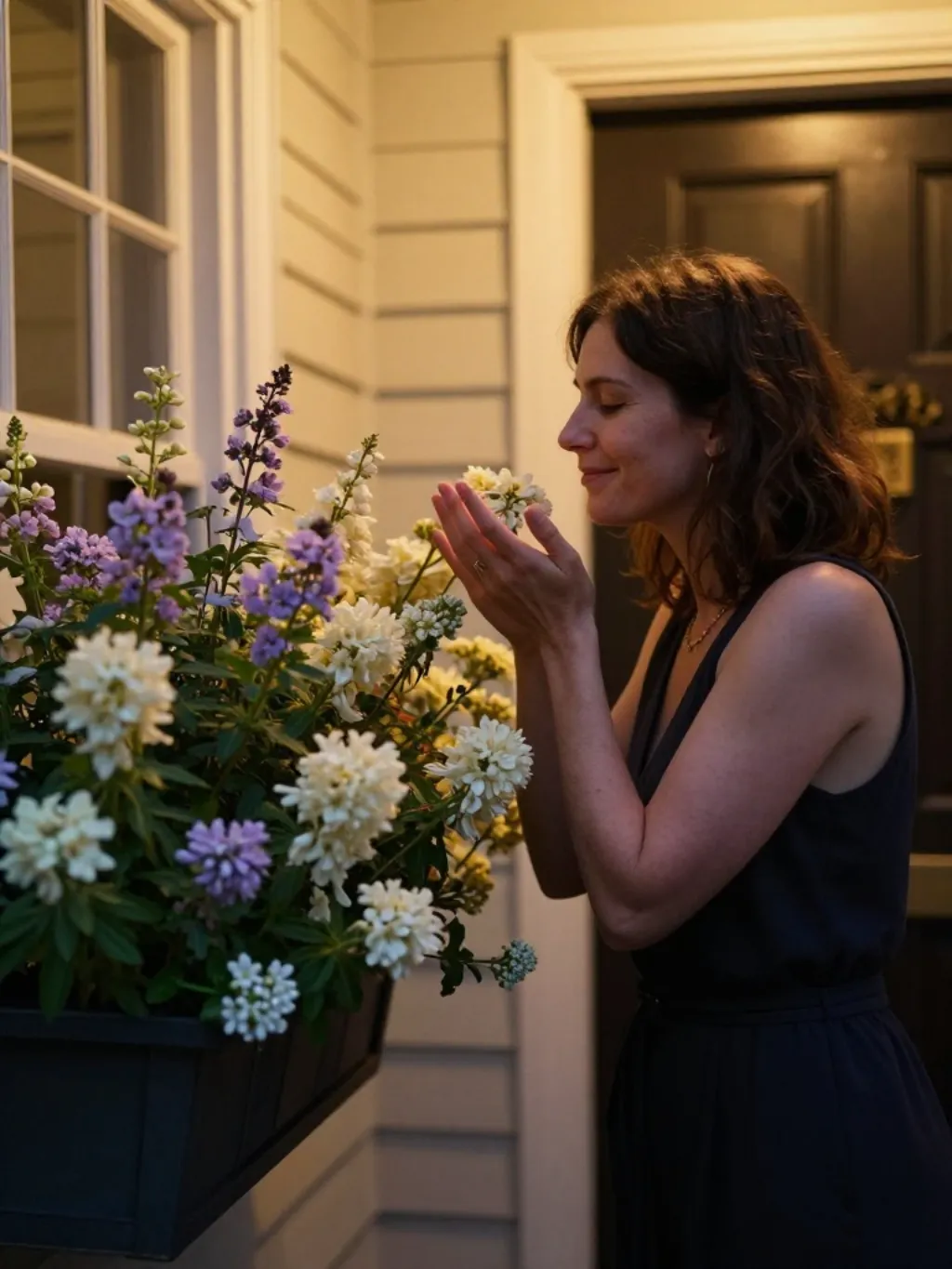
A front door flower box that engages the sense of smell as well as sight creates a layered welcome experience that purely visual plantings simply can’t match. Spring window box fragrant plant selection for high-traffic areas near front doors prioritizes varieties whose fragrance releases both from physical contact and from daytime heat warming the blooms.
Spring floral display ideas centered on fragrance lean toward sweet alyssum with its honey-like warmth, stocks with their old-fashioned clove perfume, dianthus, nemesia, lavender and night-scented tobacco plants that intensify as evening approaches. Porch planter spring ideas near front entry areas benefit from fragrant plantings placed within two to three feet of the doorway specifically so that scent greets visitors before visual detail does — a sensory sequence that creates an extraordinarily welcoming first impression lasting well beyond the actual threshold crossing.
The Self Watering Window Box Revolution Changing Low Maintenance Gardening
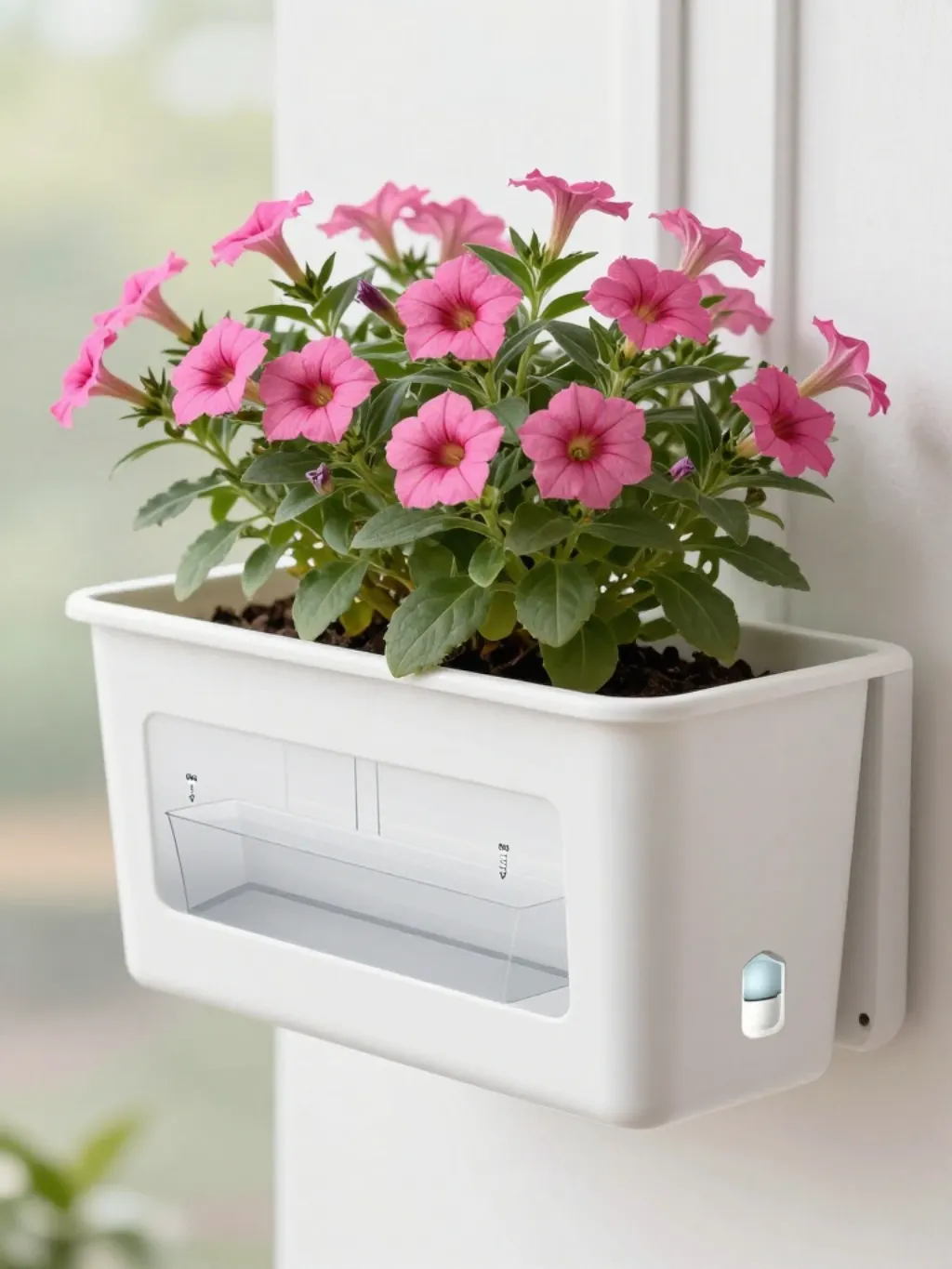
Self watering window box ideas have genuinely changed the accessibility equation for window box gardening, making consistently beautiful displays achievable for people who travel frequently, forget to water regularly, or simply live in climates where late spring heat desiccates conventional containers within twenty-four hours between waterings.
you may also like this:30 Sunroom Decorating Ideas to Brighten Your Space All Year Long
Window box irrigation drip system technology and sub-irrigation reservoir systems work by drawing water upward through the potting mix via capillary action rather than depending on overhead watering penetrating downward through the full pot depth. Home Depot window box planters carry several sub-irrigation options at accessible price points, and Wayfair window box planters listings include professional-grade self-watering systems that hold several gallons of reservoir water sustaining plants for up to two weeks without any additional watering. Spring window box liner moisture control using moisture-locking fleece liners within traditional wooden boxes offers a mid-range solution that significantly improves water retention without the full cost of a purpose-built self-watering system.
Monochrome Spring Window Box Schemes That Feel Curated Not Boring
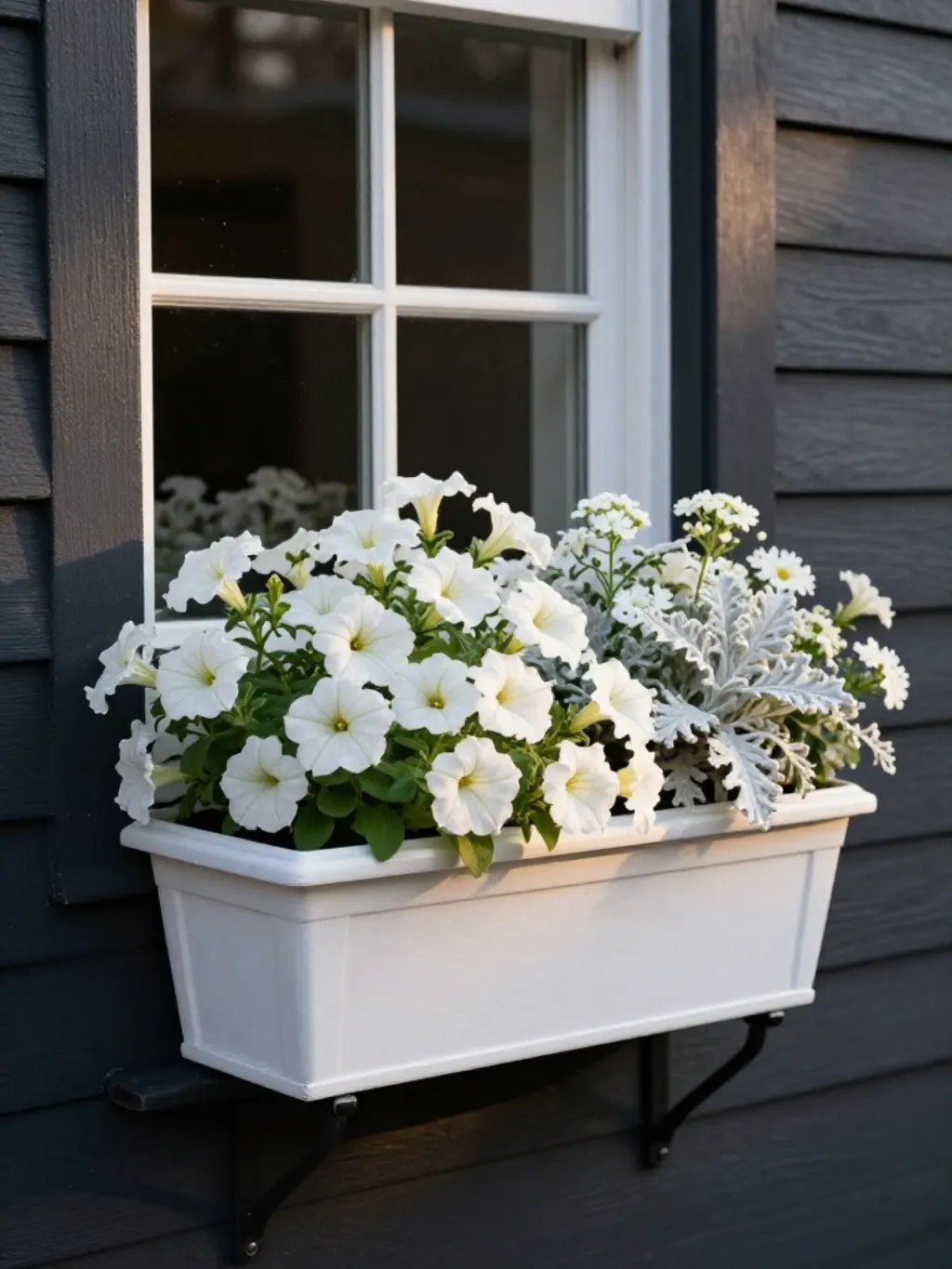
Spring window box monochrome planting scheme approaches intimidate many gardeners who assume single-color planting equals visual monotony. The reality is quite the opposite when executed with genuine attention to variation in texture, form and bloom shape within that single color family.
A pure white spring window box, for example, might combine white trailing bacopa, white double impatiens, white angelonia as thriller, white English daisy as filler and silver-leaved dusty miller as a textural accent — creating enormous visual interest through form and texture rather than color contrast. Window box design ideas built around single-color schemes often photograph more beautifully than multi-color alternatives because the absence of color competition allows plant architecture and bloom form to become the primary visual story. Pinterest spring window box ideas consistently feature monochrome compositions among the most-saved and most-shared gardening content because that restraint reads as sophisticated and intentional.
Herbs and Flowers Together: The Practical Window Box Nobody Regrets
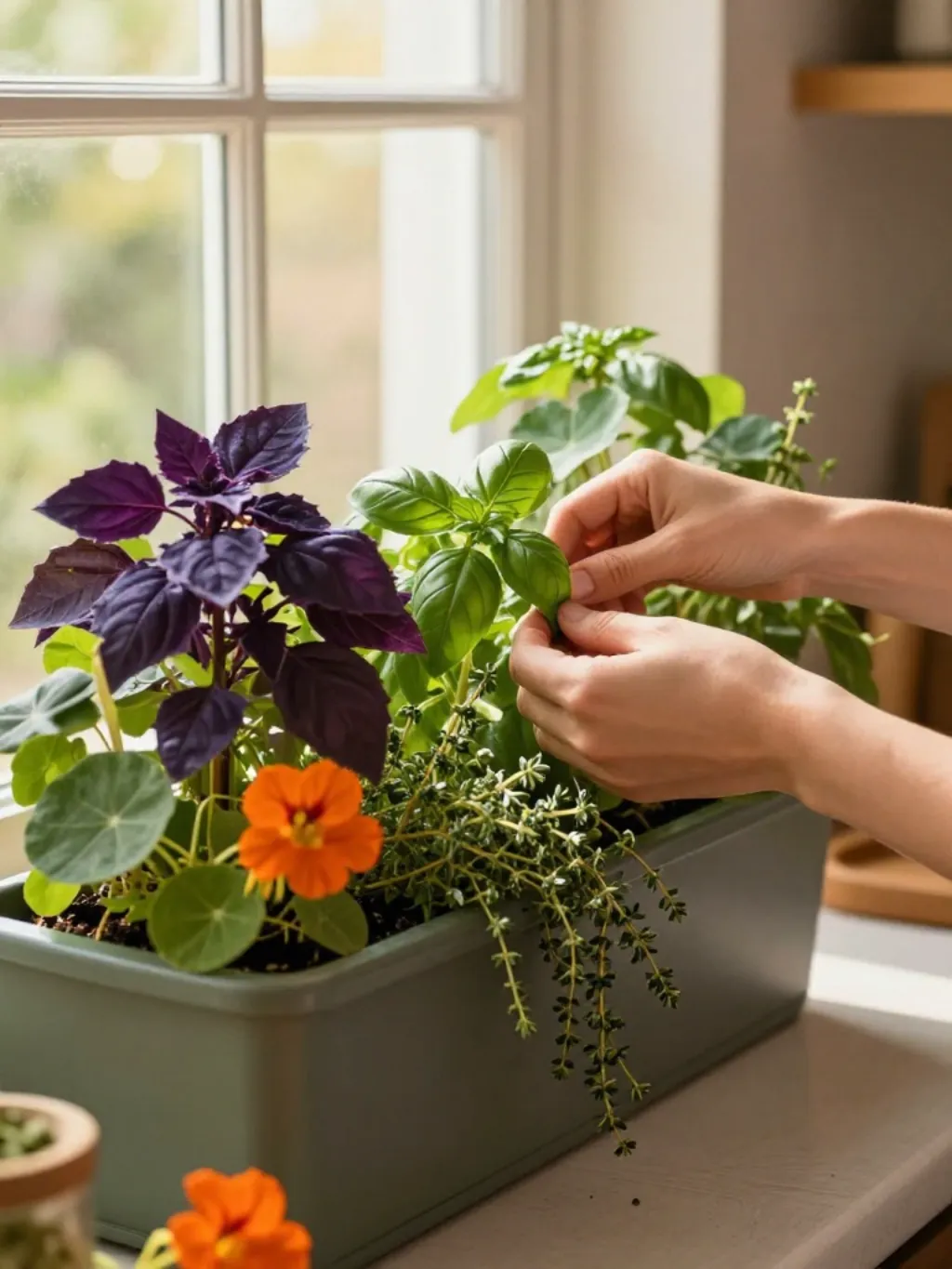
Window box with herbs spring planting combines beauty with genuine daily utility in a way that purely decorative plantings never achieve. Herbs growing in an accessible window box near a kitchen window become part of daily cooking routines in a way that garden herbs require more deliberate retrieval to accomplish.
How to fill a window box for spring with both functional and ornamental intent means treating herbs as design elements first and functional plants second — choosing attractive varieties like purple basil as a thriller, curly parsley as a lush filler and trailing thyme as the spiller, then adding one or two flowering plants like nasturtium or alyssum for color alongside the greenery. Garden Answer window box ideas content frequently demonstrates these herb-flower combination window boxes specifically because they resonate with the dual-purpose gardening philosophy that modern American gardeners increasingly prioritize as growing food awareness reshapes how people think about outdoor planting spaces.
Small Window Box Ideas That Deliver Maximum Impact in Minimum Space
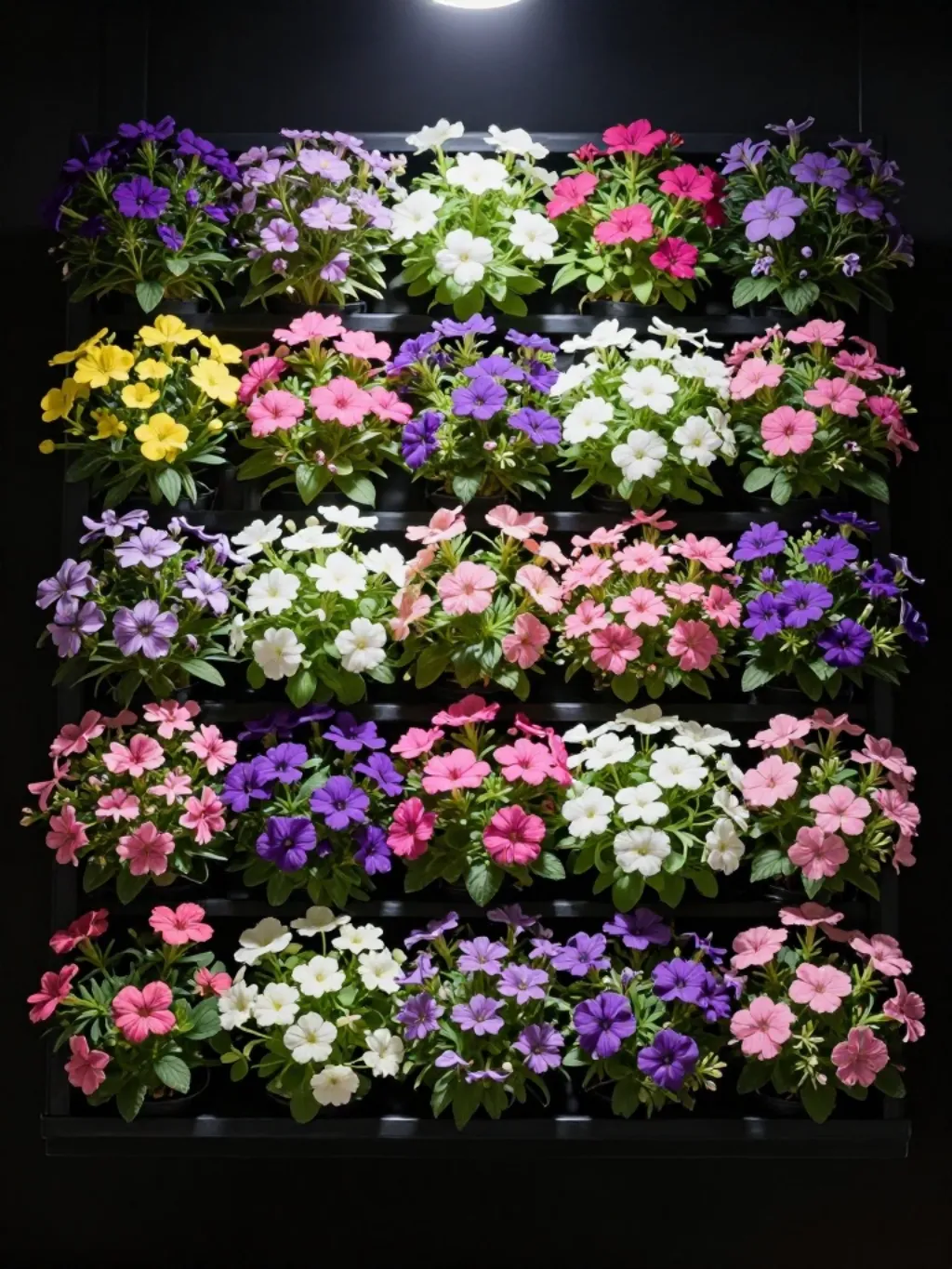
How to choose the right window box size for a narrow window or small exterior space doesn’t require compromise on visual impact — it requires smarter plant density and more deliberate compositional thinking within the available footprint. A well-planted twelve-inch window box can genuinely stop traffic when the right scale of plants fills every inch of its length intentionally.
Window box filler ideas at small scale lean toward compact-growing varieties with proportional bloom size — mini calibrachoa rather than large petunia, compact phlox rather than standard geranium, small zinnia rather than giant marigold. Target spring planter ideas sections carry a good selection of small-scale compact annuals specifically bred for container culture that maintain proportional growth rather than outgrowing a small box within three weeks of installation. Colorful window box ideas in small formats also benefit from high-contrast color pairings since the limited scale means contrast does more visual work than it would across a longer box with more total plants.
The Watering Schedule That Keeps Spring Window Boxes Alive Through June
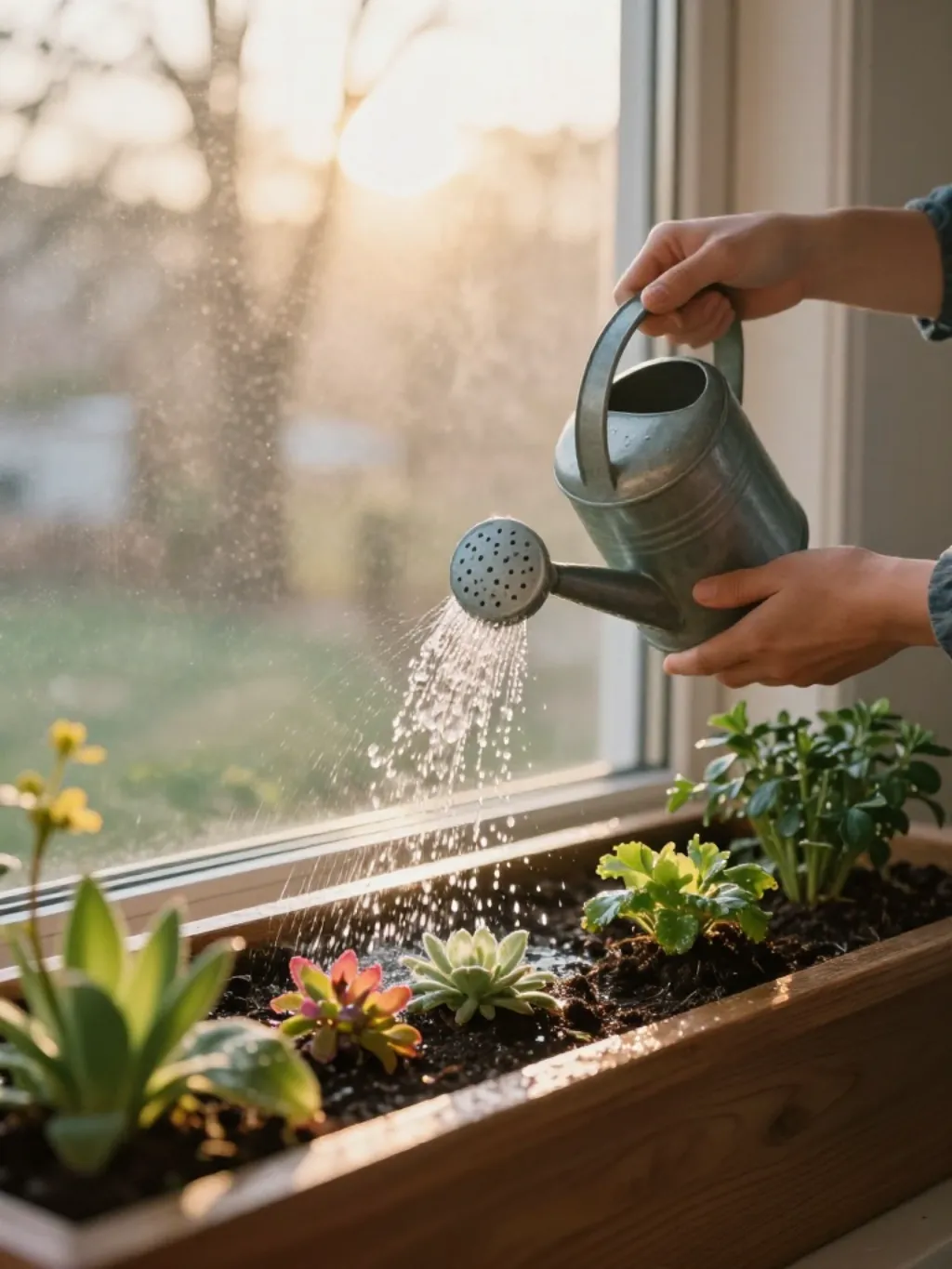
How to water window boxes in spring correctly requires understanding that container plants dry out dramatically faster than in-ground plants, especially in porous wooden or terracotta containers exposed to direct sun and drying wind. A spring window box in full sun may need watering daily by late May regardless of recent rainfall.
How to keep window box plants alive in spring through a consistent watering approach means checking soil moisture rather than following a fixed calendar schedule, since weather and temperature affect drying rate dramatically. Insert a finger two inches into the potting mix — if it feels dry at that depth, water thoroughly until water runs freely from the drainage holes. Window box soil moisture retention improves significantly when you water in the early morning rather than midday, allowing the potting mix to absorb moisture fully before afternoon heat accelerates evaporation from both soil surface and plant leaf tissue.
Modern Minimalist Window Boxes That Complement Contemporary Home Exteriors
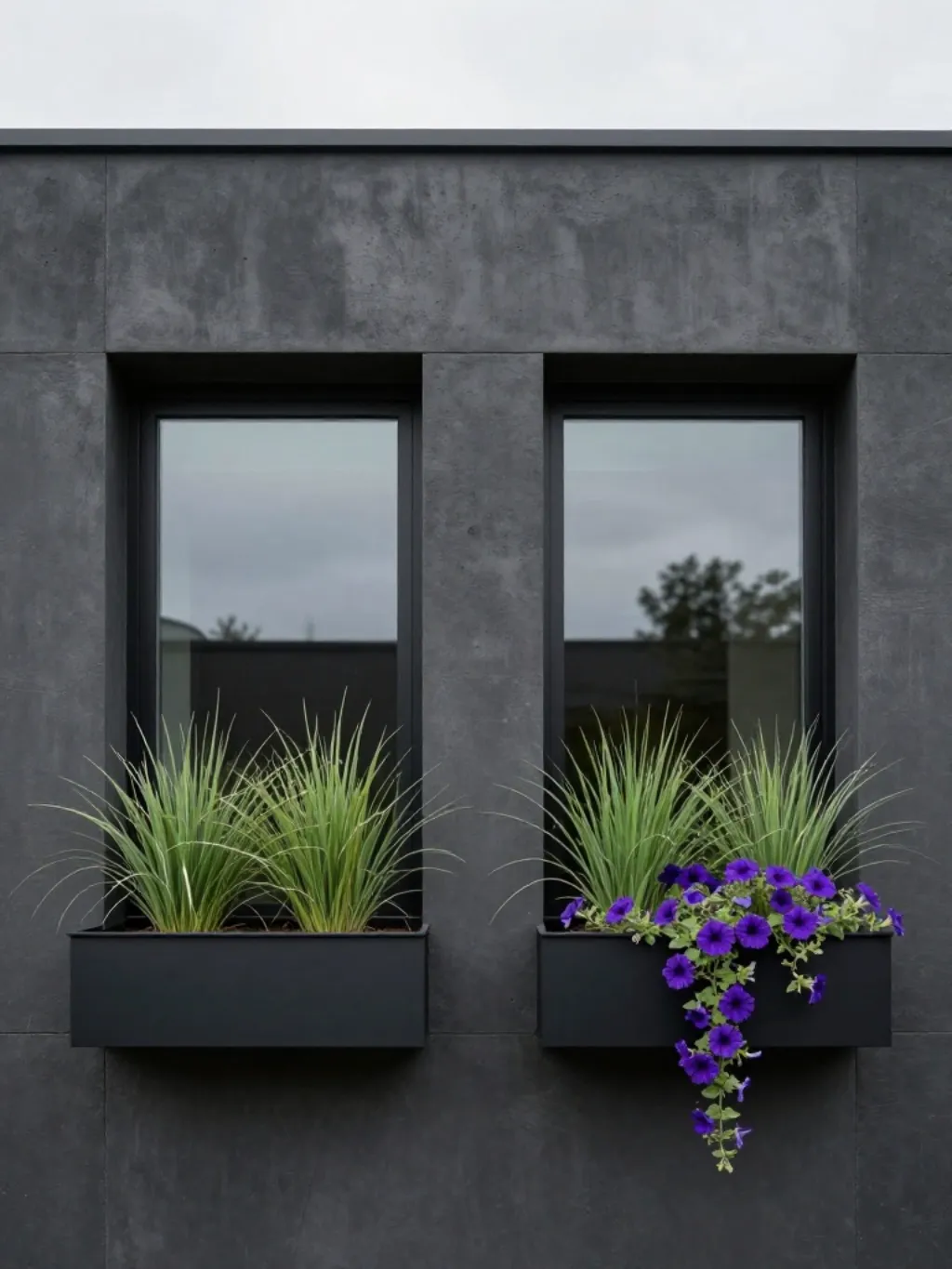
Modern window box ideas for contemporary architectural homes reject the generous, layered abundance of cottage and farmhouse styles in favor of structured simplicity — clean lines, limited plant selection, deliberate negative space and color palettes that complement rather than compete with the home’s architectural statement.
Exterior home spring decor for modern homes typically favors singular plant selections at scale — a long window box planted with a single variety of grass-like sedge, one strong upright thriller like Japanese blood grass, or a single color of large-flowered petunia repeated along the full box length without mixing. West Elm spring planter decor and Pottery Barn spring window box collections both offer clean-lined contemporary window box hardware specifically designed to complement modern exterior aesthetics, available in black powder coat and brushed steel finishes that disappear against contemporary cladding rather than competing with it for visual attention.
Spring Window Box Ideas for Balconies With Weight and Wind Restrictions
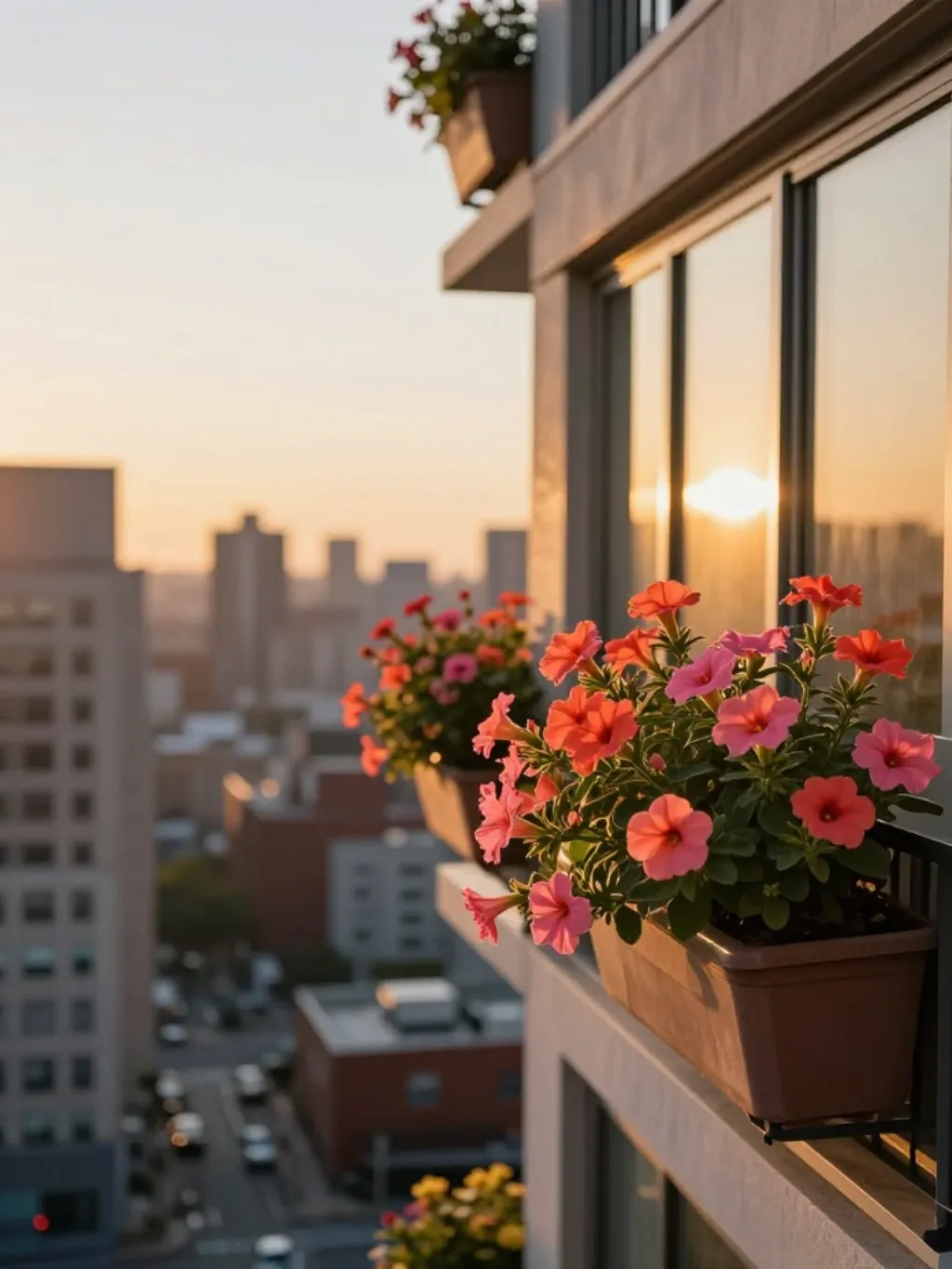
Balcony planter spring ideas require solving problems that ground-level window boxes never encounter — specifically, the structural weight limitations of balcony deck surfaces and railings, and the dramatically increased wind exposure that upper-floor positions create for both plants and lightweight containers.
Window box weight load bearing capacity on a balcony must be calculated before purchasing any container or soil, since a 36-inch wooden window box filled with wet potting mix and established plants can easily weigh 35 to 50 pounds — weight that many apartment balcony railings simply weren’t designed to bear safely. Balcony flower box spring ideas solve both weight and wind concerns by choosing lightweight fiberglass or resin containers rather than wood or terracotta, using lightweight perlite-heavy potting mixes rather than dense traditional formulas and selecting wind-tolerant plants like calibrachoa, petunias, verbena and marigolds that bounce back from wind stress rather than snapping or shattering under it.
Succession Planting Secrets That Keep Window Boxes Beautiful All Season
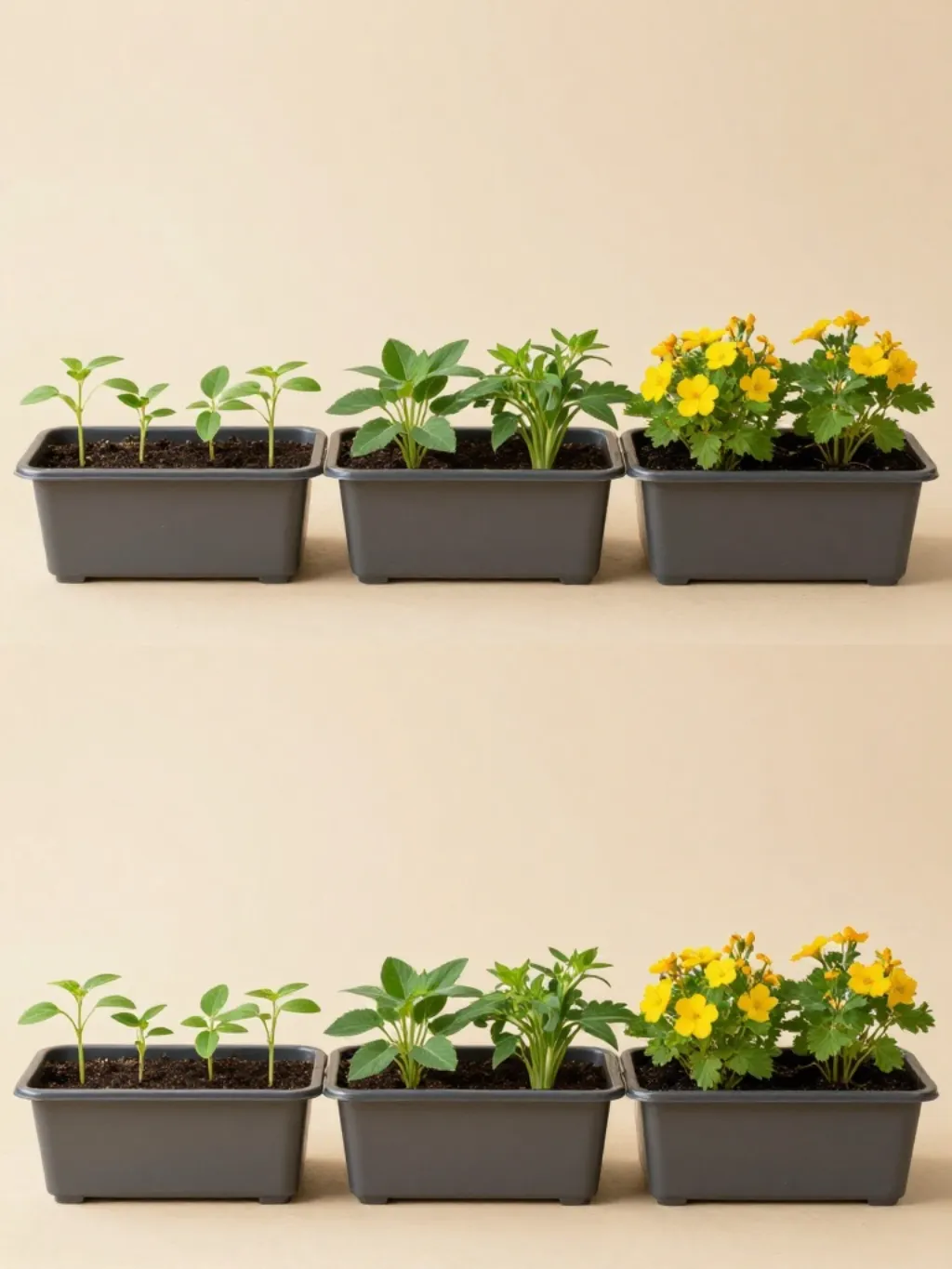
A spring window box planted once in late March looks spectacular by May but often struggles by July when cool-season selections bolt or exhaust themselves in summer heat. Spring window box succession planting solves this entirely — planning replacements before current plantings decline rather than reacting to gaps after they appear.
What to plant in window boxes in spring at staggered intervals means starting with cold-tolerant pansies and violas in early spring, transitioning mid-season selections like calibrachoa and alyssum in by late spring and having warm-season replacements like portulaca and vinca rooted and ready to swap in before summer heat peaks in June and July. Seasonal window box ideas built on this succession model maintain continuous visual interest through extended seasons that single-planting approaches simply can’t sustain. Costa Farms window box plants selections span all three seasonal categories and are widely available at major US garden retailers throughout the full spring and summer growing period.
The Fertilizer Timing Window That Determines Everything About Bloom Quality
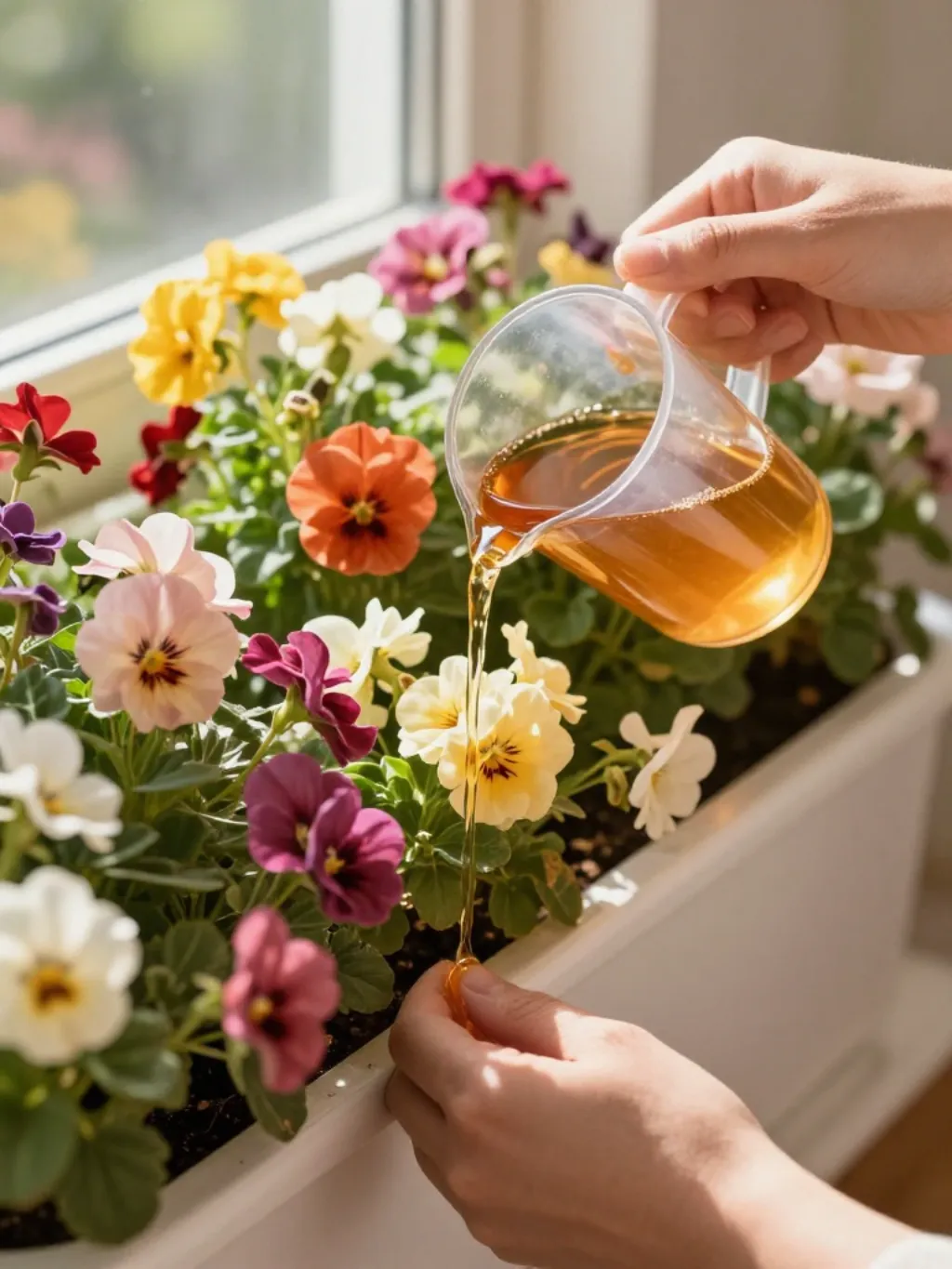
How often to fertilize spring window boxes is one of the most frequently misunderstood aspects of container gardening, and the consequences of getting the timing wrong are consistently visible in the form of lush, dark green foliage accompanied by disappointingly sparse flowering. Nitrogen-heavy feeding encourages leaf growth at the direct expense of bloom production.
Spring window box fertilizer schedule should begin two to three weeks after initial planting — allowing transplant shock to resolve before adding fertilizer stress — then continue every seven to ten days throughout the growing season with a balanced slow-release granular fertilizer supplemented by weekly liquid feedings of a high-phosphorus bloom booster formula. Window box potting mix amendments already containing controlled-release fertilizer granules, like several Miracle Gro potting mix window box formulations, provide a baseline nutrient supply for the first several weeks, but even pre-fertilized mixes benefit from supplemental feeding after the sixth week as container nutrients deplete faster than most packaging labels acknowledge.
Window Box Bracket Installation and the Weight Mistake That Costs Everything
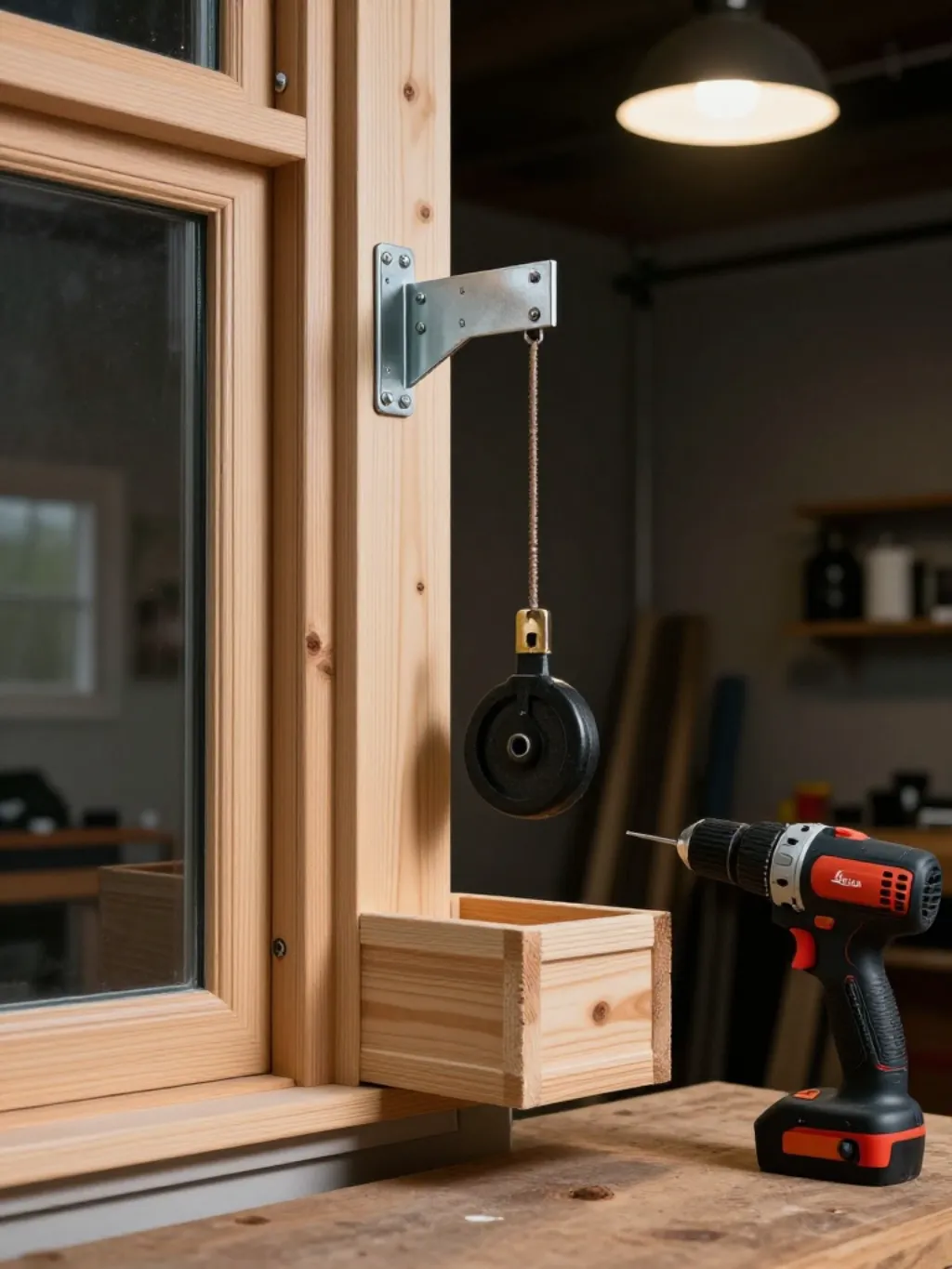
Window box bracket installation spring is genuinely the foundation of the entire project, and it’s where most DIY installations eventually fail because the structural load of a fully planted, recently watered window box surprises people who estimated weight based on the empty container alone.
Window box weight load bearing capacity calculations must account for: the empty container weight, the fully saturated potting mix weight, the mature plant weight and any additional water retained in the reservoir between irrigation cycles. A three-foot cedar window box in full spring bloom, fully saturated, typically weighs between 40 and 65 pounds. Lowes window box ideas hardware sections carry specifically rated window box brackets engineered for this load range, and the cardinal rule is always to anchor brackets directly into structural studs rather than drywall anchors or siding alone — a bracket failure means a planted window box falling away from the structure completely.
Perennials in Window Boxes: The Investment Choice That Pays Back Every Year
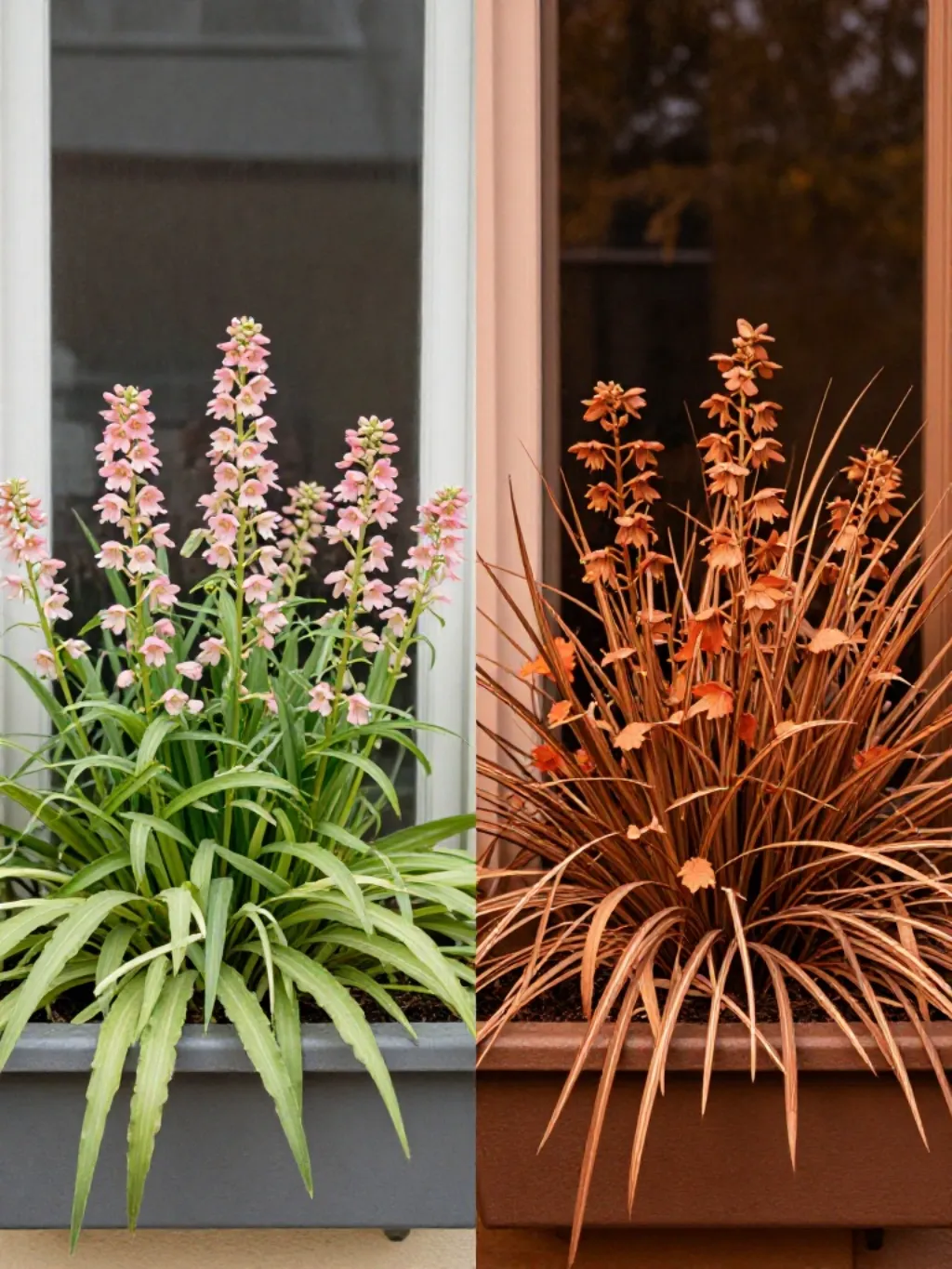
Can you mix annuals and perennials in window boxes — yes, and the combination approach represents one of the most cost-effective long-term window box strategies available. What window box plants come back every year provides a structural foundation that remains year after year while you swap annual companions around them seasonally.
Spring window box overwintering perennial roots successfully requires choosing perennials that tolerate the root restriction of container culture over multiple growing seasons — reliable performers include creeping phlox, lady’s mantle, coral bells, ornamental grass, sedum and low-growing rudbeckia. Window box root bound prevention for perennial selections means repotting or dividing every second spring before new growth begins, refreshing the potting mix and trimming the root ball to maintain productive growth rather than allowing exhausted, pot-bound roots to decline gradually over several years of confinement.
Spring Window Box Combinations Proven Winners Designers Swear By
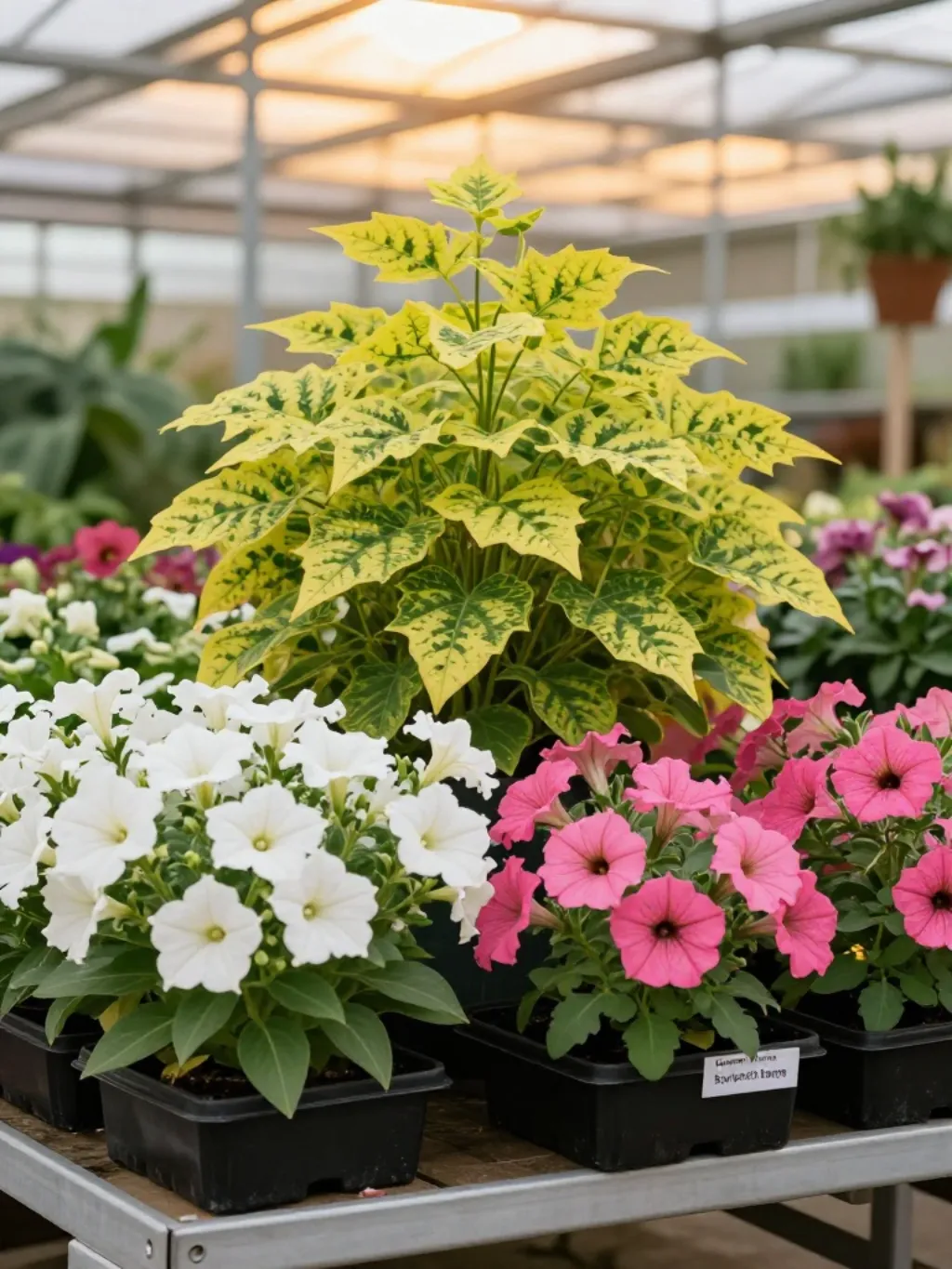
Proven Winners window box plants combinations represent the most extensively field-tested plant pairings available in American retail gardening, since the company’s breeding and trialing program specifically evaluates varieties for container performance, weather resilience and aesthetic longevity rather than greenhouse perfection alone.
Best window box combinations for spring recommended by professional garden designers consistently return to a handful of proven pairings: Diamond Frost euphorbia with Supertunia Mini Vista petunia and Sweet Caroline sweet potato vine; Superbells calibrachoa with Senorita Rosalita cleome and Silver Falls dichondra; and Luscious Berry Blend lantana with Denim and Lace Russian sage as a thriller and Goldilocks rocks bidens as a spiller. Ball Horticultural window box flowers and PanAmerican Seed spring flowers programs both contribute significantly to the plant combinations appearing in Garden Answer window box ideas content that consistently generates the highest engagement across American container gardening audiences.
Deadheading Techniques That Double the Bloom Life of Every Plant You Choose
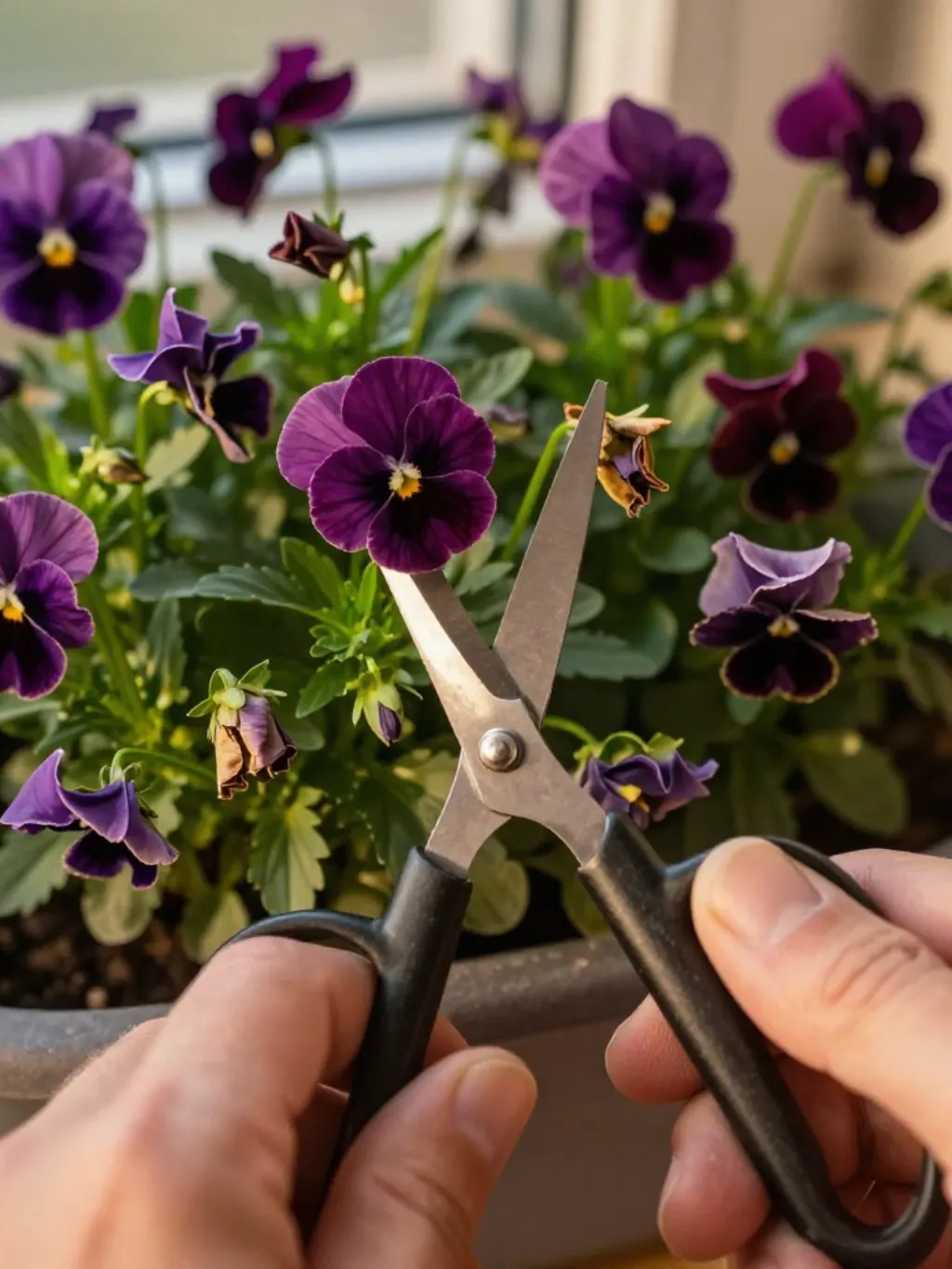
How to deadhead window box flowers consistently is the single maintenance practice that most dramatically extends a window box’s peak beauty period, yet it’s also the task most often skipped by homeowners who don’t fully understand what’s happening at the plant level when spent blooms remain on the plant.
Spring window box deadheading technique removes spent flowers before the plant redirects its energy toward seed production — which is the plant’s biological goal, not continuous flowering. Once a plant sets viable seed, flowering slows dramatically as resources flow toward maturing those seeds. Window box edging ideas that include continuous bloomers like calibrachoa and impatiens are technically self-cleaning in that they shed spent blooms naturally without manual deadheading, which is exactly why these varieties appear so frequently in low-maintenance best window box combinations for spring recommendations despite their relatively modest individual flower size.
Rustic and Reclaimed Window Boxes That Look Better With Every Rain Shower
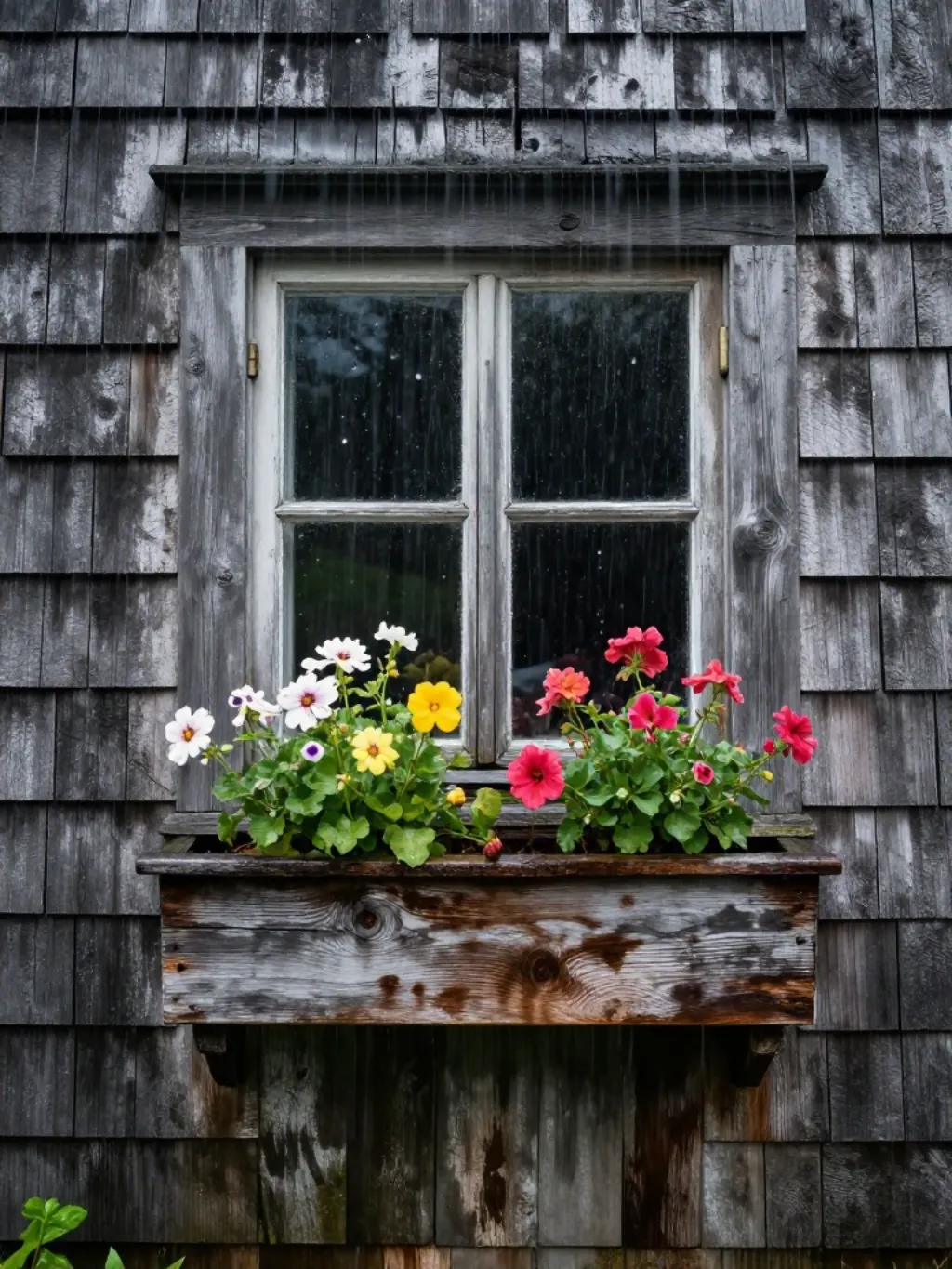
Rustic window box ideas built from reclaimed barn wood, weathered cedar, old wine crates, galvanized metal troughs or salvaged timber deliver a character that no new container can replicate regardless of how distressed the retail finish claims to be. Authentic age is visually unmistakable. It deepens rather than deteriorates.
Window box weatherproofing wood treatment for raw reclaimed wood uses raw linseed oil, exterior-grade tung oil or beeswax wood butter rather than paint or polyurethane, since these penetrating treatments protect the wood against moisture infiltration while allowing the natural grey weathering process to continue developing the patina that makes reclaimed containers so visually compelling. Terrain window box spring collections carry some of the most beautiful commercially available rustic containers at a premium price point, while Etsy handmade window boxes sellers offer genuinely unique reclaimed pieces in custom dimensions unavailable through standard retail channels.
The South Facing Window Box Formula That Handles Brutal Summer Heat Early
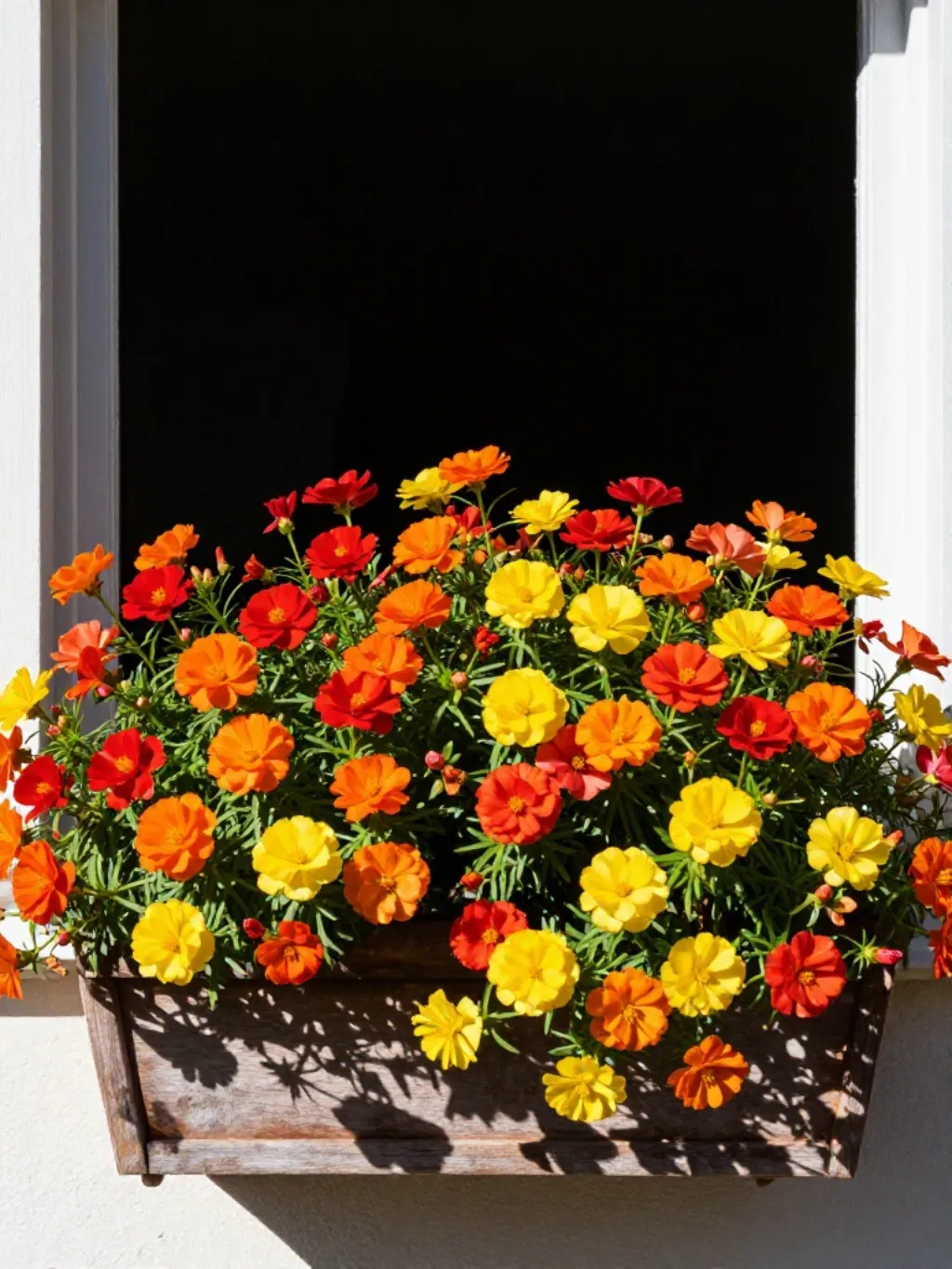
Window box south facing sun considerations create specific plant selection requirements that north, east or west facing boxes simply don’t share. South-facing boxes receive maximum daily sun exposure and generate significantly higher soil temperatures than their partially shaded counterparts, creating growing conditions that cool-season spring selections cannot tolerate past early May.
Spring window box shade versus sun plants guidelines for south-facing installations recommend starting with heat-tolerant species from the very beginning of planting rather than installing cool-season selections that will require replacement in six weeks. How to plant a spring window box on a south-facing exposure means choosing heat-lovers from day one: portulaca, vinca, moss rose, zinnia, gaillardia and sun-loving ornamental sweet potato vines that thrive under conditions that would wilt shade-grown impatiens within two days of installation.
Spring Window Box Ideas for Renters That Leave Zero Permanent Damage
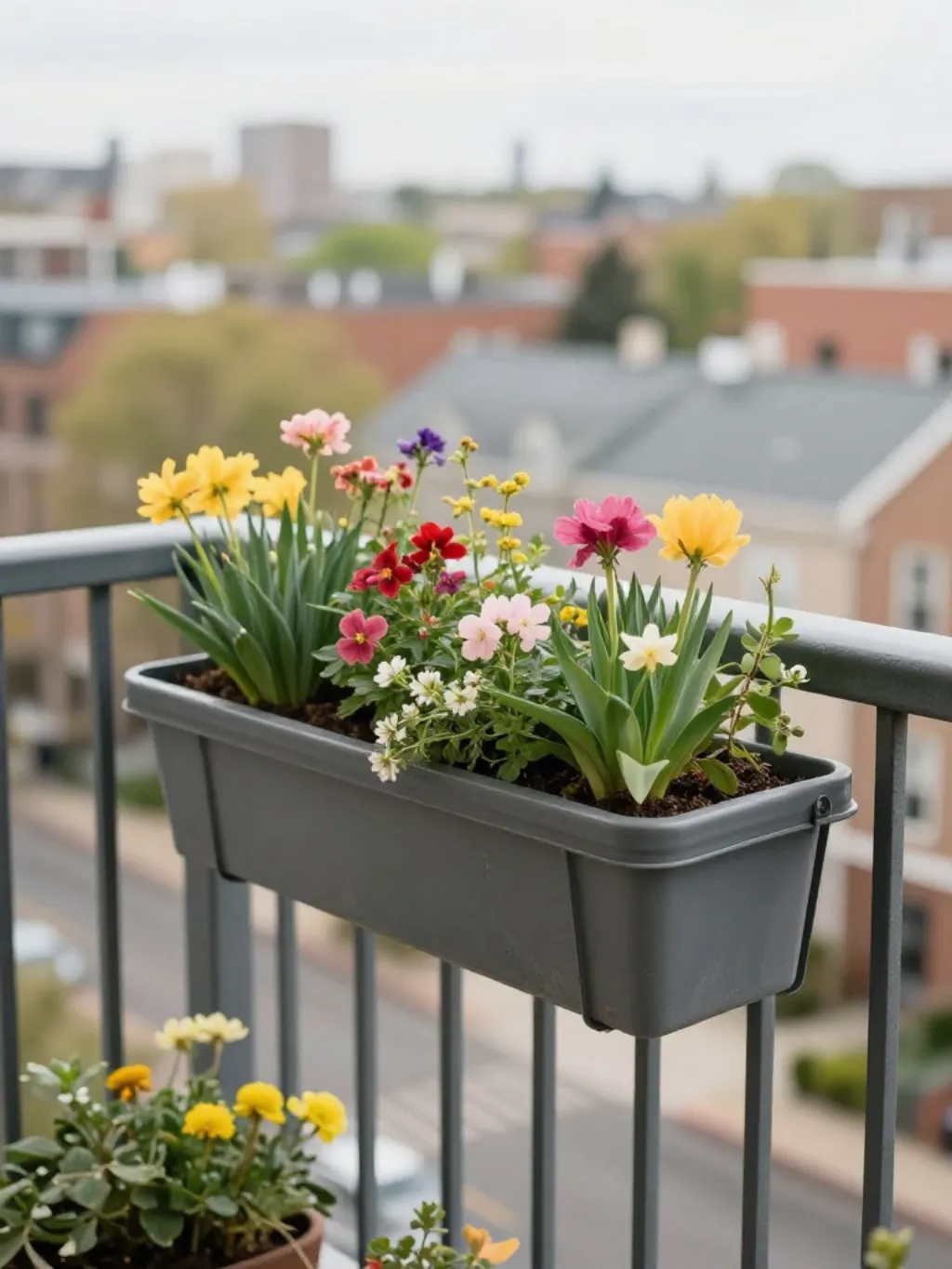
Balcony planter spring ideas for renters require creative problem-solving around one fundamental constraint: no permanent modifications to exterior walls, railings or window frames that would create liability with a landlord or violate a lease agreement. That constraint doesn’t prevent beautiful window boxes — it just redirects the installation approach.
Spring curb appeal ideas for rented properties use railing-clamp bracket systems that grip existing balcony railings without drilling a single hole, floor-standing planter stands positioned against exterior walls without attachment and interior window ledge solutions that place planters inside windows directed outward. Walmart window box planters and Target spring planter ideas sections both carry affordable railing-mount planter systems specifically designed for this no-drill installation requirement, making spring window boxes accessible to renters in apartment buildings with strict lease provisions against exterior modifications.
Children and Spring Window Boxes: Growing Wonder One Seed at a Time
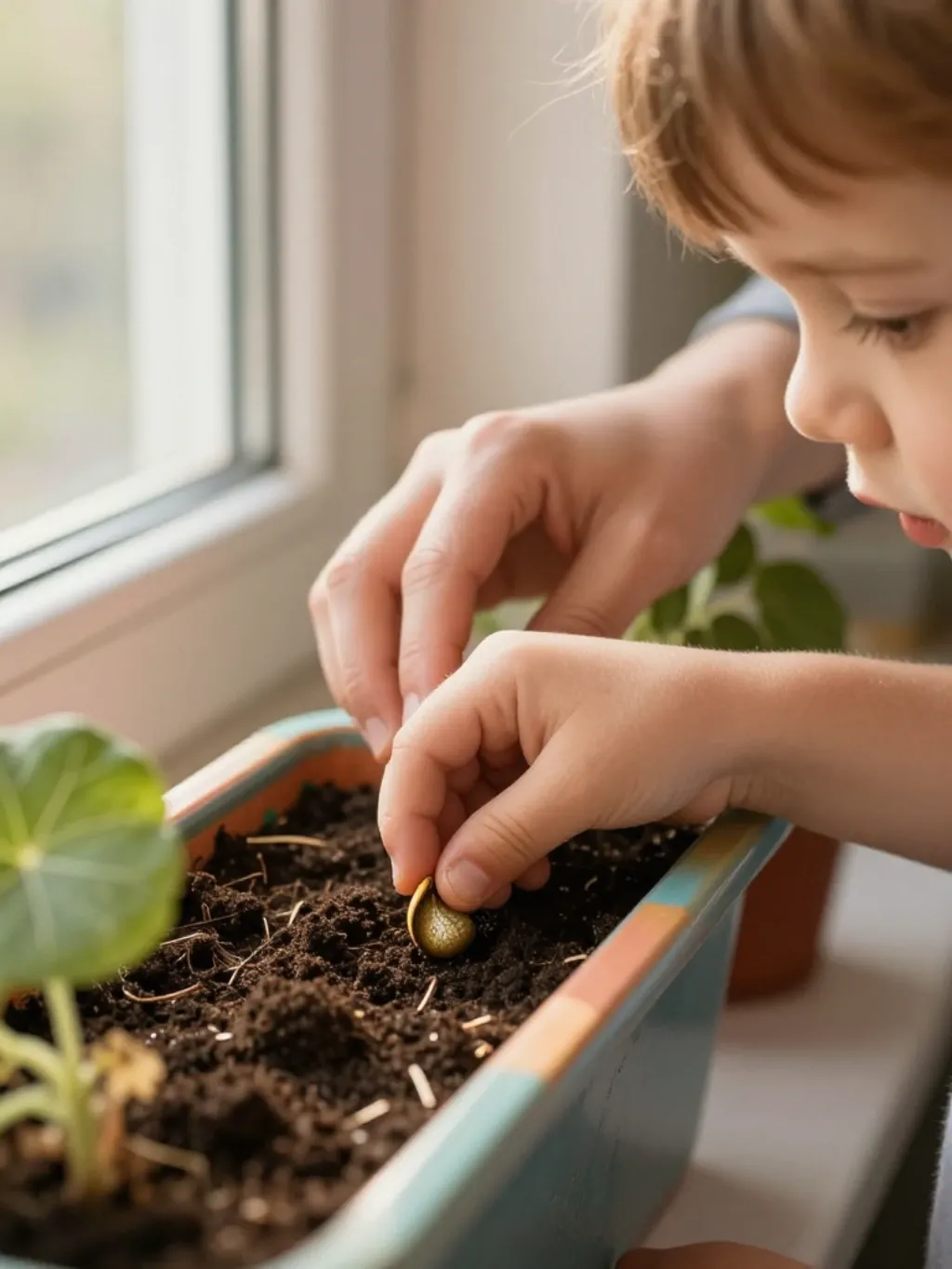
Growing a spring flower box with children creates something that extends far beyond the aesthetic outcome of the planting itself — it builds patience, responsibility, observation skills and a foundational connection to living systems that shapes how young people relate to the natural world for decades after a single childhood gardening experience.
Spring outdoor planting ideas specifically designed for children should prioritize fast-germinating seeds with immediately visible results — sunflowers in a large box, nasturtiums whose seeds are large enough for small hands to place individually, violas that bloom within weeks of transplanting and sweet alyssum that self-seeds enthusiastically once established. Burpee spring flower seeds window box children’s garden collections offer specifically curated seed mixes with simplified growing instructions designed for first-time young gardeners. American Meadows window box seeds similarly includes pollinator mixes that double as science learning tools when butterflies and bees begin visiting within days of first bloom.
Budget Spring Window Box Builds That Look Like a Garden Designer Visited
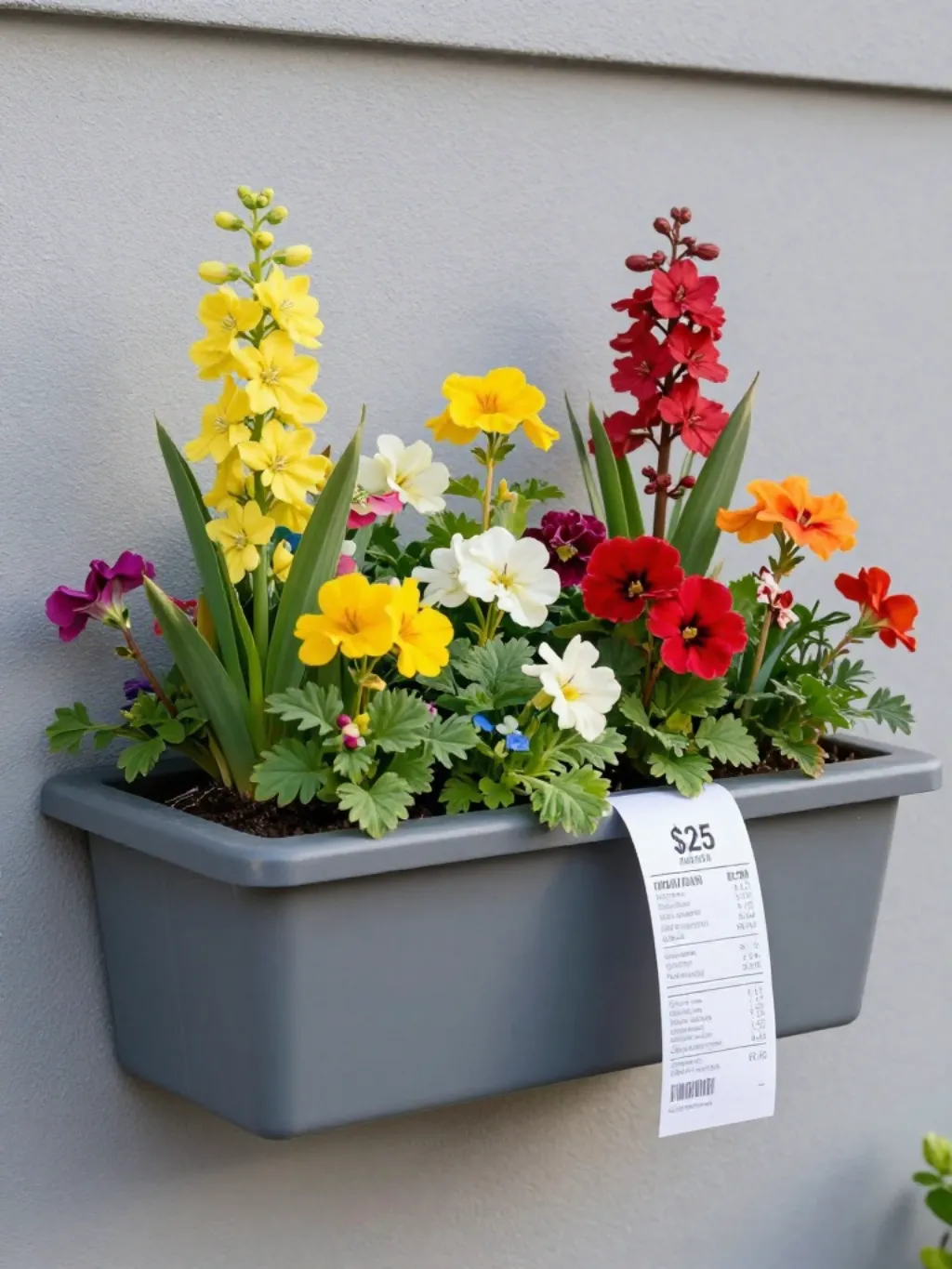
A professionally designed-looking spring window box genuinely does not require a professional’s budget. The key insight that changes everything: designer-quality results come from smart material sourcing rather than expensive materials, and from compositional knowledge rather than expensive plants.
Outdoor window box ideas on a strict budget use composite or resin containers from Walmart window box planters sections instead of premium cedar, Miracle Gro potting mix window box standard formula instead of specialty blends and plug-sized transplants from discount garden centers rather than large gallon-sized specimens that cost four to five times more. Window box liner ideas using coconut coir liners purchased inexpensively from Home Depot window box planters sections protect both wooden boxes and budget resin options from moisture damage, extending container life by several seasons and making the initial investment go significantly further over multiple spring plantings.
| Budget Level | Container | Soil | Plants | Estimated Cost |
|---|---|---|---|---|
| Under $25 | Plastic/resin | Basic potting mix | Annual plugs from flat | $15–$25 |
| $25–$60 | Composite wood-look | Amended potting mix | 4-inch pots, 5–7 plants | $30–$60 |
| $60–$120 | Cedar or hardwood | Premium mix with fertilizer | Gallon pots, mixed selection | $65–$120 |
| $120+ | Custom or reclaimed | Premium blend with amendments | Premium Proven Winners | $120–$200+ |
From Planting Day to Peak Bloom: The Eight Week Spring Window Box Timeline
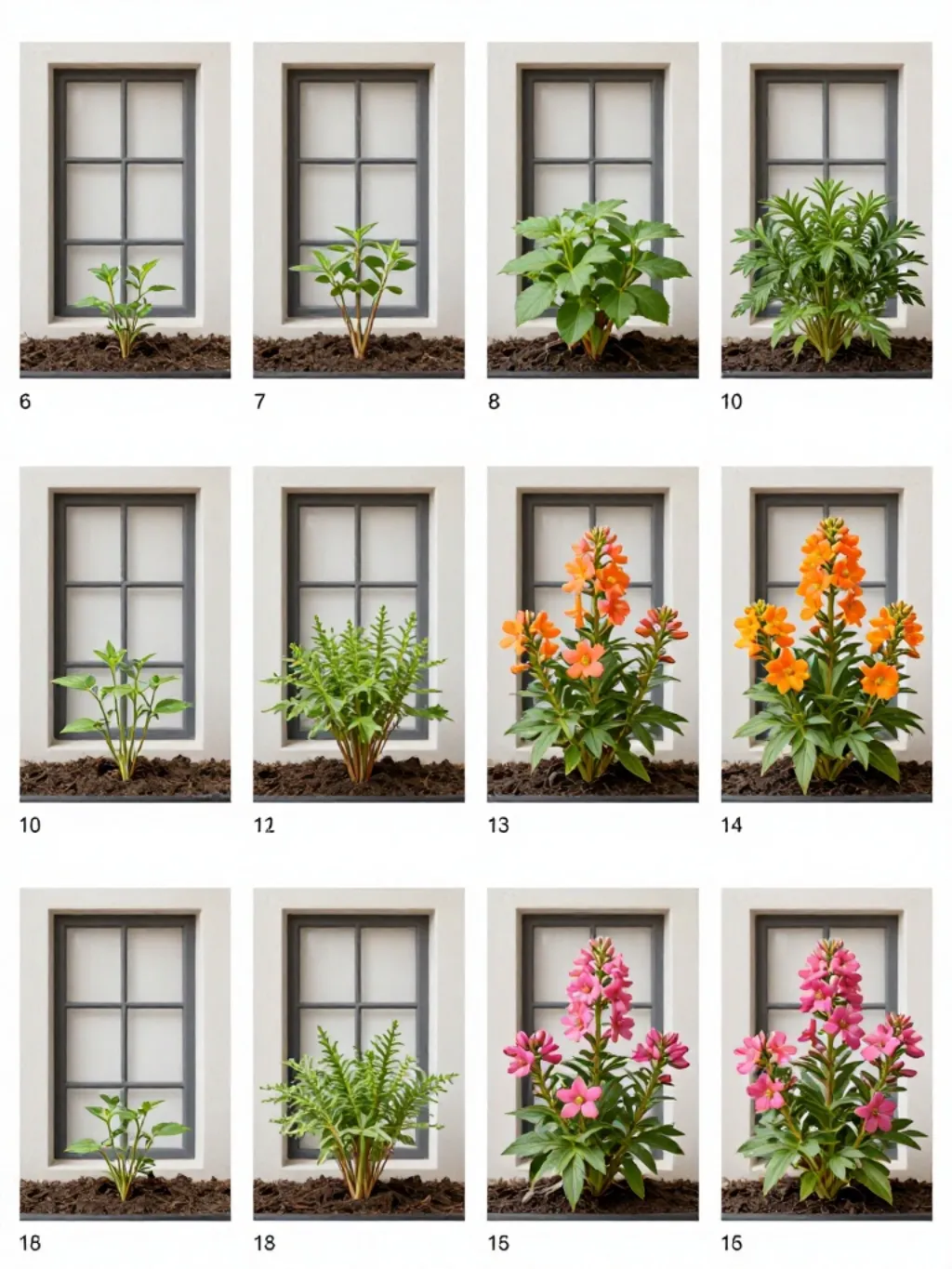
Understanding the realistic timeline from planting day to peak visual impact manages expectations and prevents the premature frustration that causes many gardeners to abandon a window box before it reaches its full potential. A newly planted spring window box often looks underwhelming for the first two to three weeks as plants establish root systems before committing energy to visible top growth.
How to make window boxes look full and lush during the early establishment period means planting more densely than standard in-ground spacing guidelines suggest — window boxes benefit from roughly 25 to 30 percent denser planting than typical garden recommendations — and accepting that the box will look sparse for two to three weeks before the establishment growth surge begins. Window box planting depth requirements also matter significantly here: planting at the correct depth for each variety, rather than planting everything at the same level, respects each plant’s specific collar depth preference and dramatically reduces transplant stress that delays the establishment timeline.
| Week | Expected Development | Action Required |
|---|---|---|
| 1–2 | Transplant shock, minimal growth | Water consistently, no fertilizer |
| 3–4 | Root establishment, slight green growth | Begin fertilizing week 3 |
| 5–6 | Visible growth surge, early blooms | Deadhead first spent blooms |
| 7–8 | Full bloom, spiller beginning to cascade | Weekly liquid fertilizer |
| 9–10 | Peak visual impact | Continue deadheading, maintenance |
FAQ Section
Q1. When is the best time to plant a spring window box?
The safest planting window is after your last frost date has passed and nighttime temperatures consistently stay above 40 degrees Fahrenheit. For most US zones, this means late March through mid-April. Cold-tolerant selections like pansies, violas and snapdragons can go in two to three weeks earlier than tender annuals, extending your spring display season meaningfully.
Q2. What are the best low maintenance plants for spring window boxes?
Calibrachoa, bacopa, sweet alyssum, impatiens and trailing verbena rank among the most reliably low-maintenance choices. All are self-cleaning or minimal deadheading, drought-tolerant once established and consistently produced as annuals meaning you don’t manage overwintering. Self-watering containers reduce watering demands further, creating a combination that requires only monthly fertilizing as primary active maintenance.
Q3. How often should you water a spring window box?
Check daily by inserting a finger two inches into the potting mix. Water thoroughly when the mix feels dry at that depth. In mild spring weather this may mean every two to three days; in warmer, windier conditions it can mean daily. Always water until water flows freely from drainage holes, ensuring the full root zone receives moisture rather than just the top layer.
Q4. Can you use perennials in a spring window box?
Yes, and mixing perennials with annuals represents an excellent cost-effective long-term strategy. Coral bells, creeping phlox, ornamental grasses, sedum and lady’s mantle all tolerate window box culture across multiple seasons. Perennials provide structural continuity while you swap seasonal annuals around them each spring, building a display that improves year over year rather than starting from scratch entirely.
Q5. What is the thriller filler spiller method for window boxes?
The thriller-filler-spiller method divides a window box into three functional plant roles: the thriller stands tall at center or back for height and drama, the filler plants mound across the middle providing dense color and texture, and the spiller cascades over the front edge softening the box’s hard container line. This three-tier architecture creates visual depth and balance that single-level planting consistently fails to achieve.
Conclusion
Spring window box ideas represent one of the highest-return investments in home exterior improvement available for any budget, any skill level and any gardening experience. A well-planned, consistently maintained window box changes how your home presents itself to the street, to visitors and to you every morning as you look out from the inside. That daily aesthetic pleasure is genuinely underrated as a quality-of-life improvement.
Start with the thriller-filler-spiller framework. Choose plants appropriate for your actual sun exposure. Invest in good potting mix and proper drainage from the beginning. Water consistently and fertilize on schedule. Then watch as your spring window boxes gradually transform into the neighborhood focal point they have the potential to become every single season.