
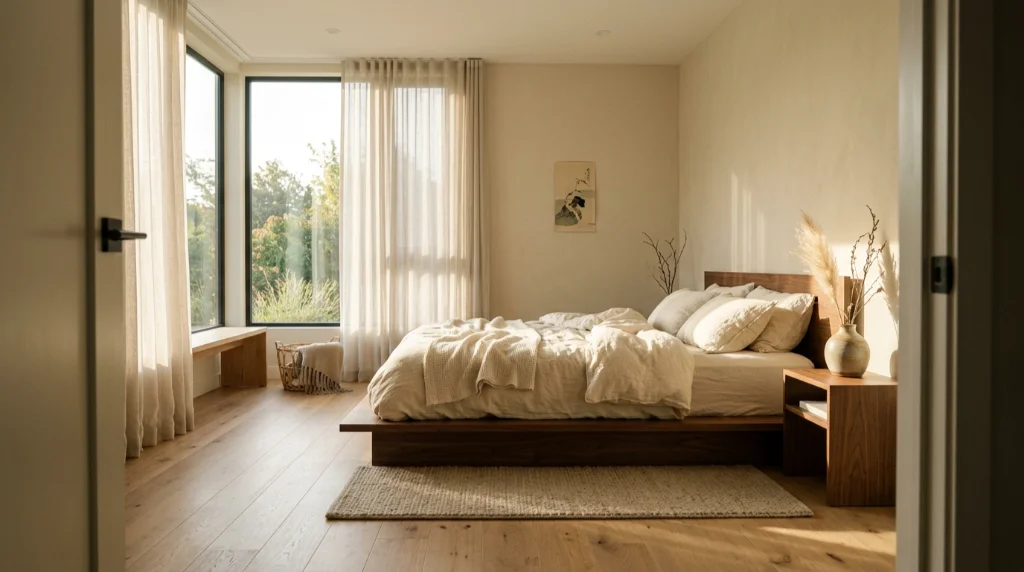
17 Japandi Bedroom Ideas to Create a Calm and Minimalist Retreat
Your bedroom shouldn’t feel like a storage unit for stuff you forgot to put away. It should feel like a place to exhale. That’s the whole point of Japandi, a fusion of Japanese design restraint and Scandinavian design warmth. This article walks through real Japandi bedroom ideas you can actually use, not vague inspiration boards. Expect calm sanctuary design, honest materials, and a few surprising truths about why less genuinely does more here. Think of it as a blueprint for tranquil bedroom atmosphere building, one intentional choice at a time.
The Quiet Design Philosophy Behind Every Calming Japandi Bedroom
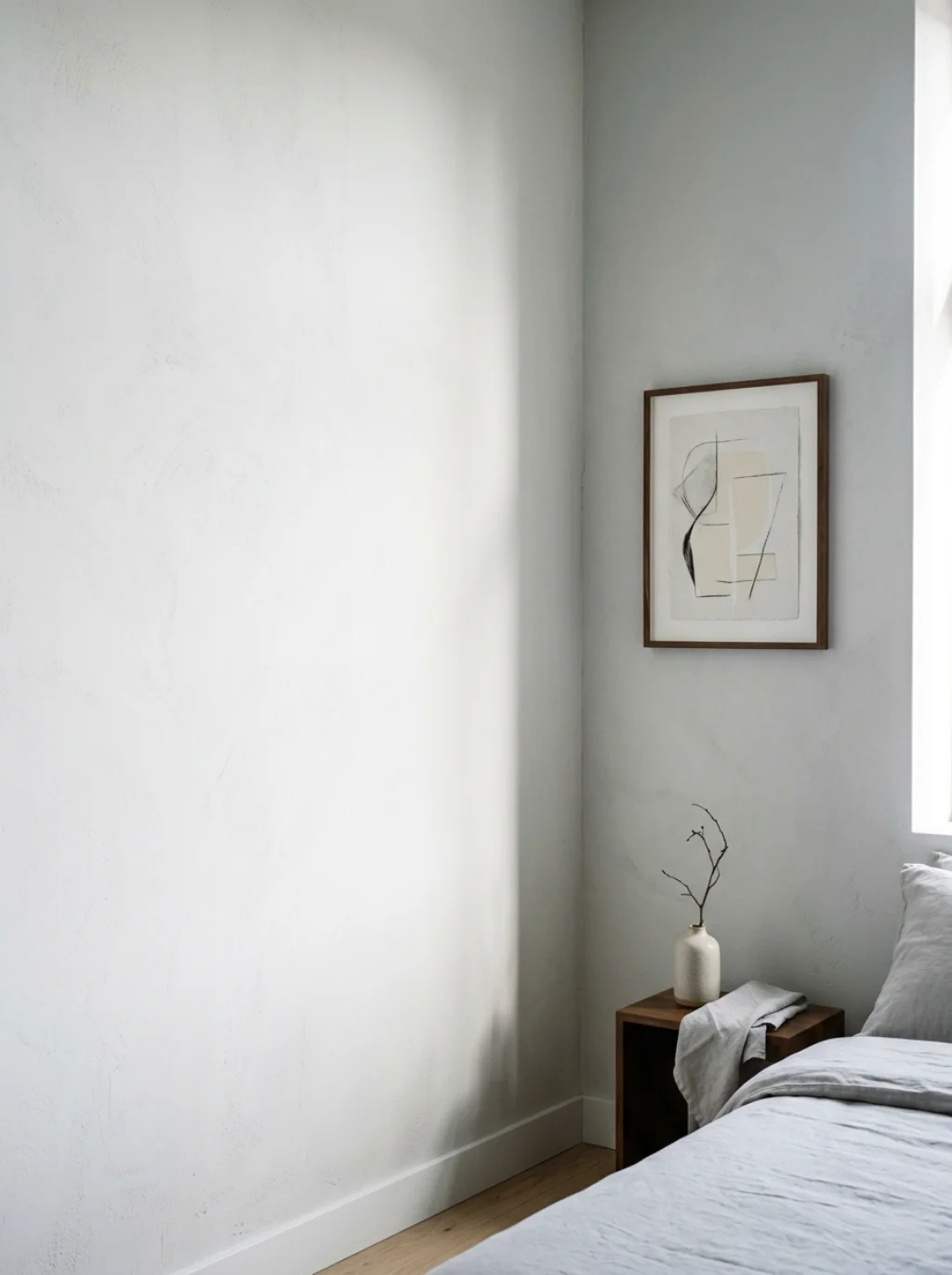
At its core, Japandi interior style rejects excess. It borrows Japanese reverence for craftsmanship and Scandinavian love of function. The result feels neither cold nor cluttered, just deliberately calm. This isn’t minimalism for minimalism’s sake, it’s mindful home design with a clear purpose behind every object.
Every piece in a Japandi style bedroom earns its spot through use or beauty, ideally both. Nothing sits there just because it looked nice in a store. This is effortless minimalism, achieved through discipline rather than emptiness. It’s a philosophy before it’s ever a color scheme or furniture list.
Why Empty Space Might Be Your Bedroom’s Most Powerful Design Tool
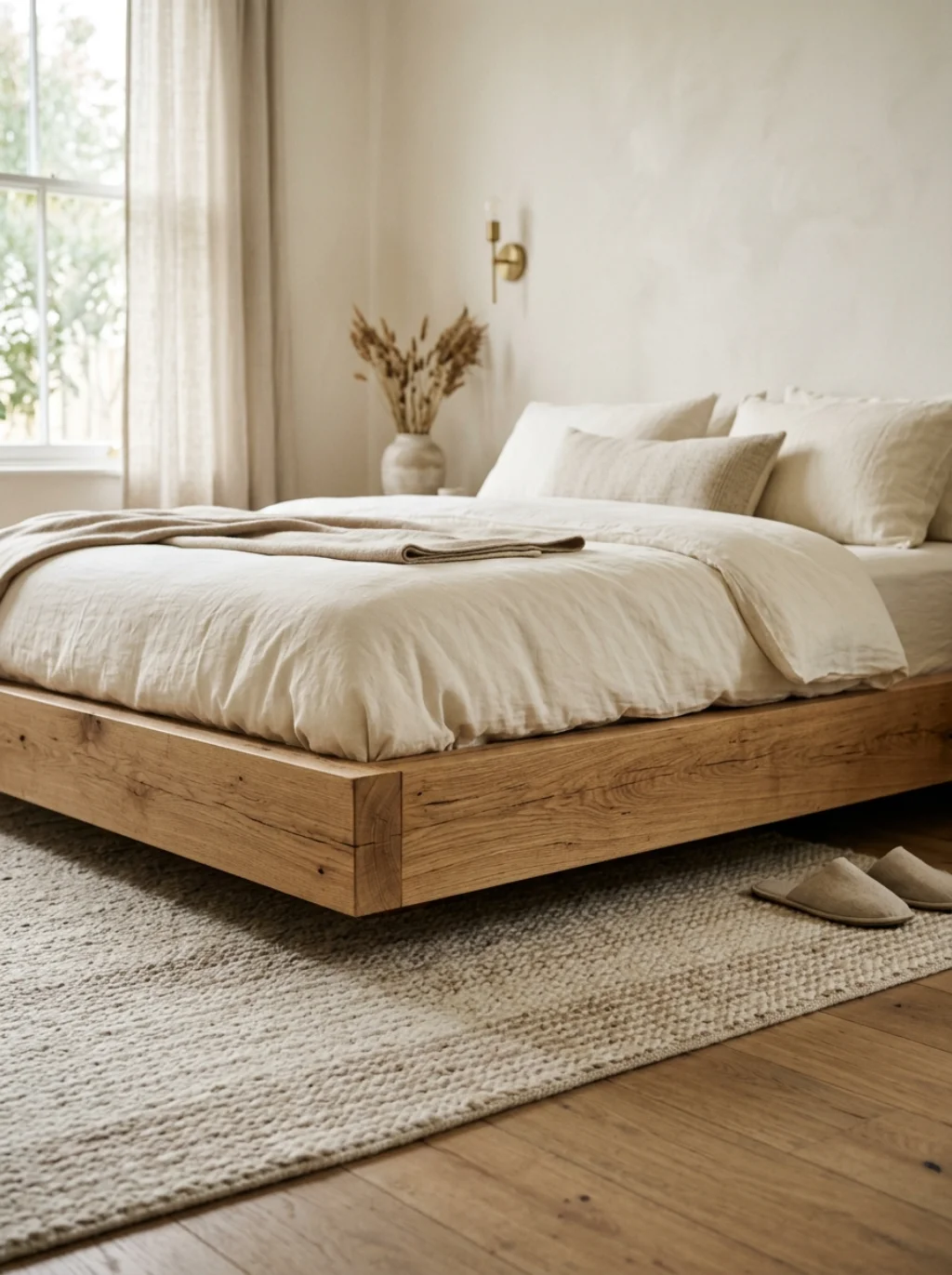
Negative space isn’t wasted space. It’s breathing room your eyes desperately need after a long day. Balanced negative space lets your furniture and textures actually stand out instead of competing for attention in a crowded room.
Resist the urge to fill every wall or corner. A single wall art piece against a bare wall reads far stronger than five scattered frames. This restraint creates airy open feel throughout your space. Less clutter genuinely means less mental noise once the lights go off.
Low Beds Are Changing the Way Bedrooms Feel Grounded and Safe
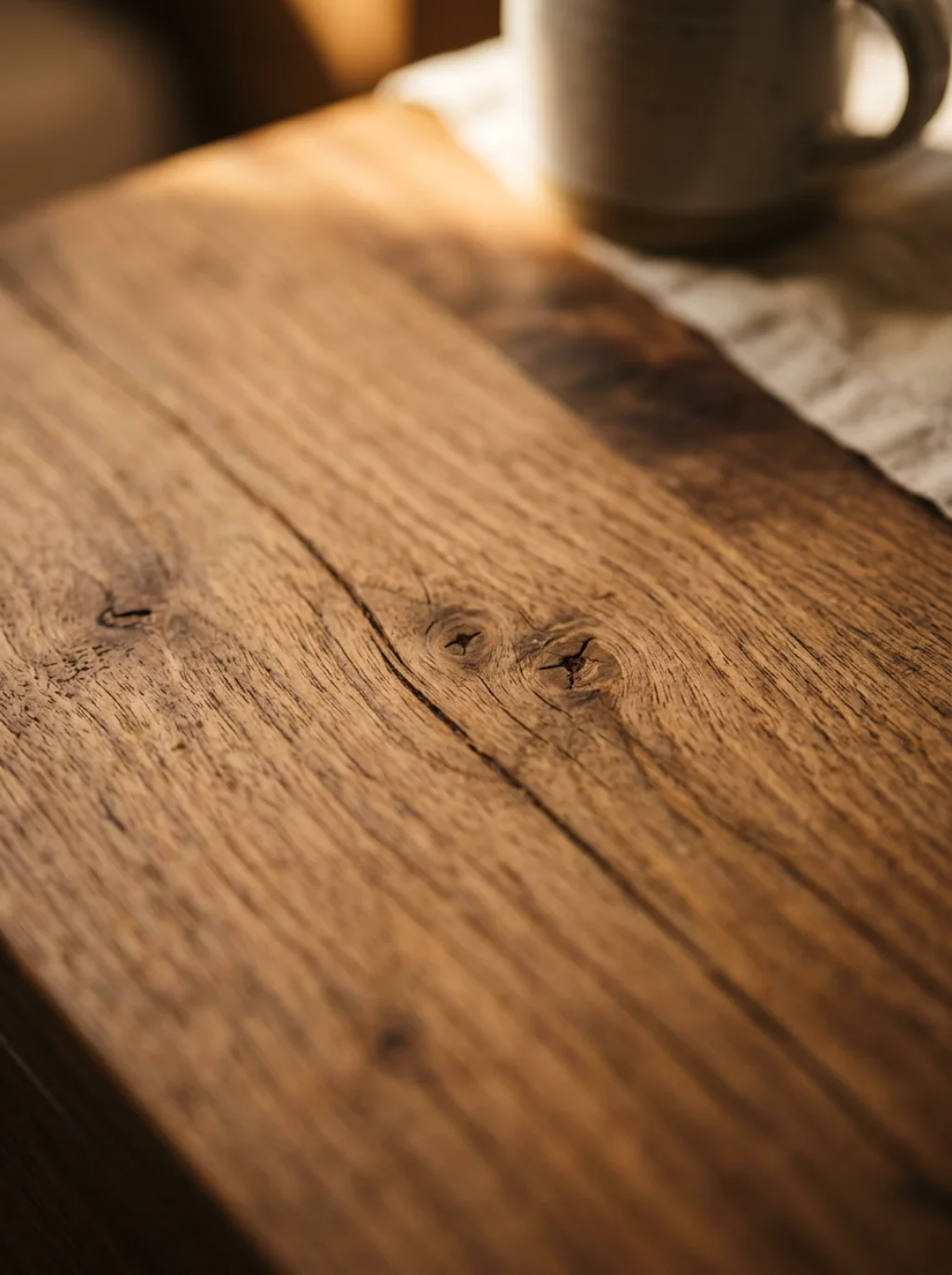
There’s something psychologically settling about sleeping closer to the floor. A low profile bed frame mimics traditional Japanese sleeping arrangements, creating a grounded, almost protective feeling. Interior designers increasingly point to this as a key Japandi bedroom essentials choice.
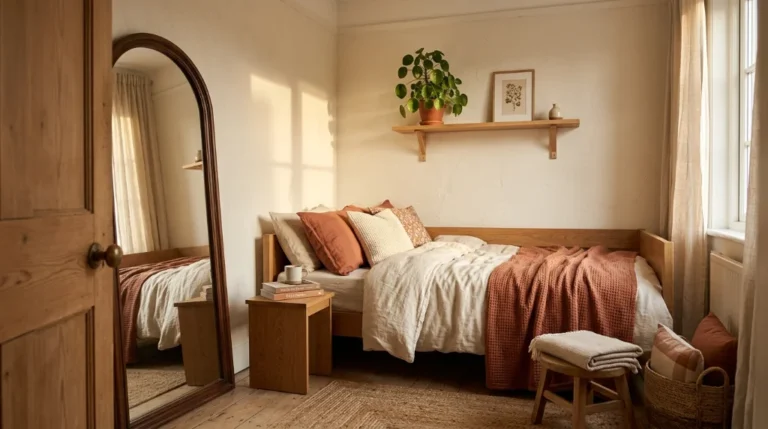
A platform bed also visually lowers your ceiling line, making rooms feel larger paradoxically. Pair it with a slim wooden frame for that signature low bed frame bedroom design look. This single furniture swap often does more for room proportion than any paint color ever could.
The Overlooked Magic of Natural Wood in a Sleep Sanctuary
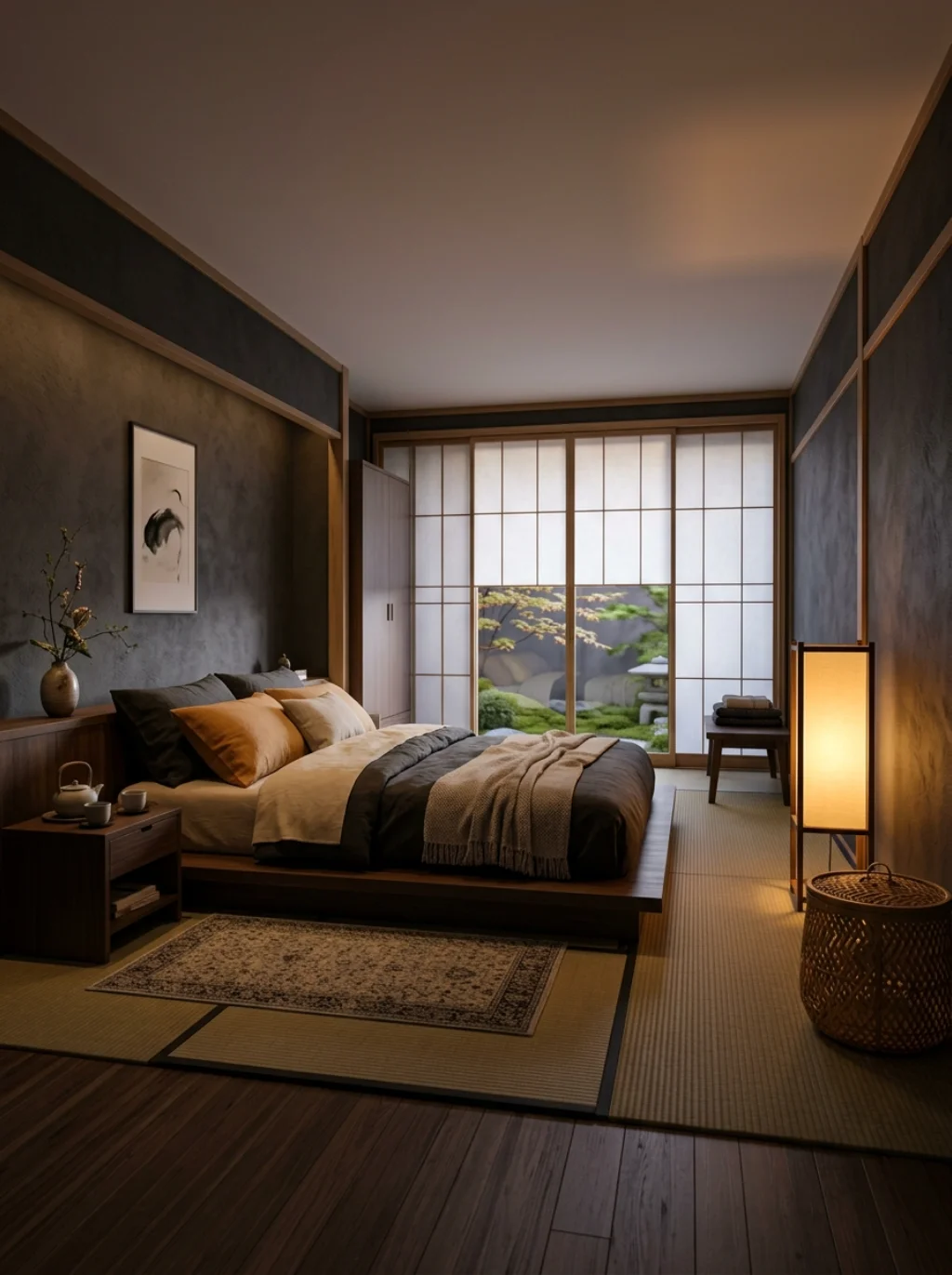
Natural wood bedroom furniture brings warmth that painted or laminate pieces simply can’t replicate. Wood carries visible grain, subtle knots, and a texture that shifts slightly with light throughout the day. This creates genuine organic material palette depth in your space.
Choose unfinished or lightly oiled wood over glossy varnished pieces for authentic earthy bedroom tones. A simple wooden nightstand beside your bed does more visual work than you’d expect. This is where subtle craftsmanship quietly elevates an otherwise plain room into something considered.
Japandi Bedroom Ideas That Feel Like a Retreat, Not a Room

Great Japandi bedroom ideas borrow from boutique ryokans and Nordic cabins alike. Both traditions value stillness over spectacle. The goal isn’t impressing guests, it’s creating a peaceful sleeping space that genuinely helps you unwind after a demanding day.
To achieve this retreat feeling, layer soft textiles over hard wood surfaces. Add a floor lamp in the corner instead of harsh overhead lighting. This combination builds restful ambiance naturally, without requiring expensive renovations or a complete furniture overhaul.
Linen Bedding Isn’t a Trend, It’s a Sensory Experience

Linen bedding breathes in ways cotton simply cannot match. It regulates temperature, softens with every wash, and carries a relaxed, slightly wrinkled texture that feels intentionally undone. This is central to genuine bedroom with linen textiles styling.
Choose oatmeal, ivory, or soft gray linen for maximum Japandi color scheme versatility. The slightly rumpled look isn’t messy, it’s part of the charm. This tactile quality supports soft natural contrast against smoother wood and ceramic surfaces throughout your bedroom.
Rattan and Bamboo Bring Texture Where Minimalism Feels Too Bare
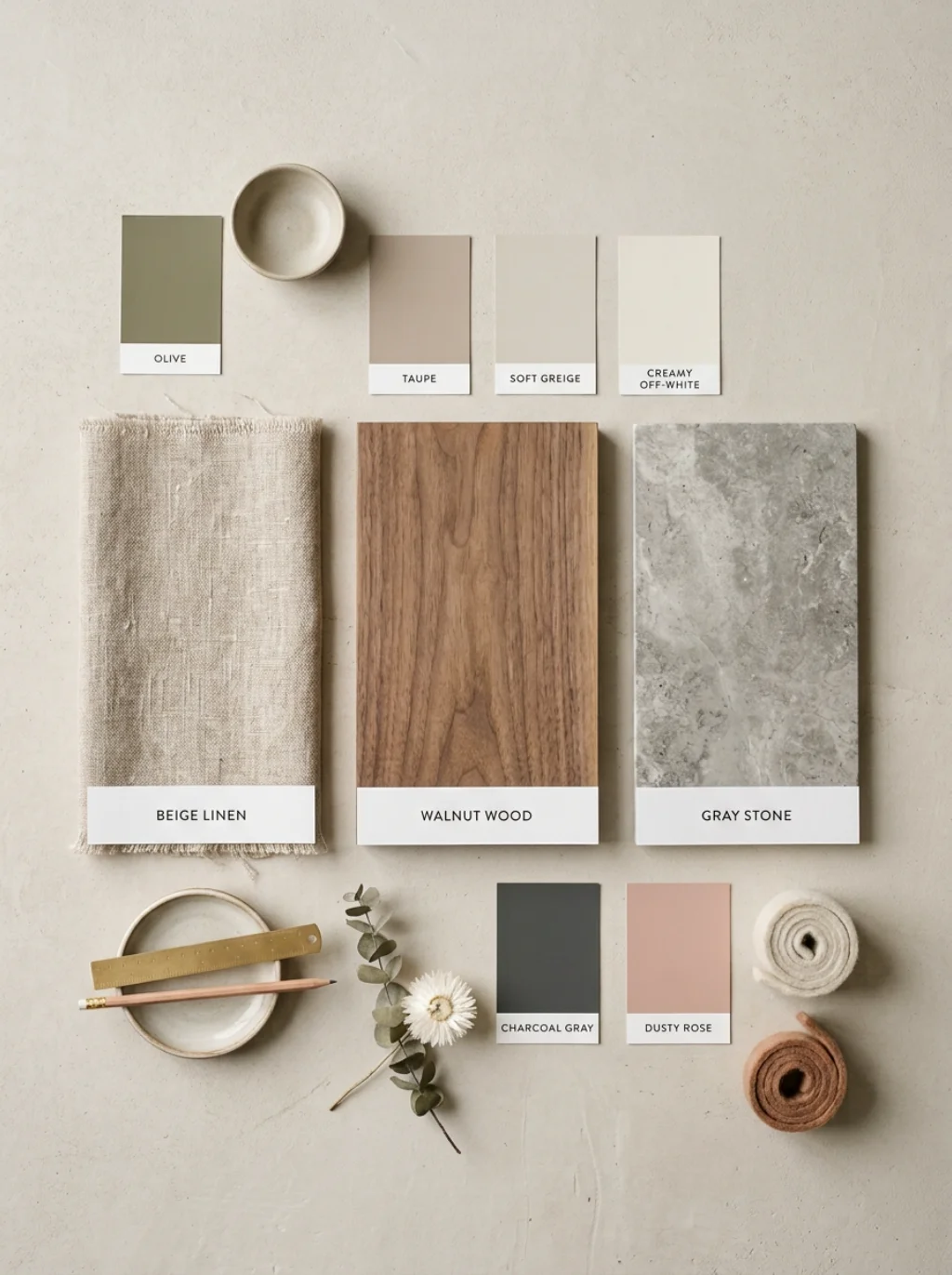
Pure minimalism sometimes tips into feeling sterile or unfinished. Rattan and bamboo solve this instantly. Their woven texture adds visual interest without introducing clutter or unnecessary color. Think of them as texture, not decoration, filling gaps other materials leave behind.
you may also like this:31 Spring Cottage Bedroom Ideas to Bring Cozy Charm into Your Home
A woven basket for extra blankets or a rattan headboard both work beautifully here. These woven bedroom accents create textural harmony between hard wood surfaces and soft linen. This pairing prevents your room from feeling flat, cold, or overly clinical.
A Muted Color Palette That Actually Improves Your Sleep Quality
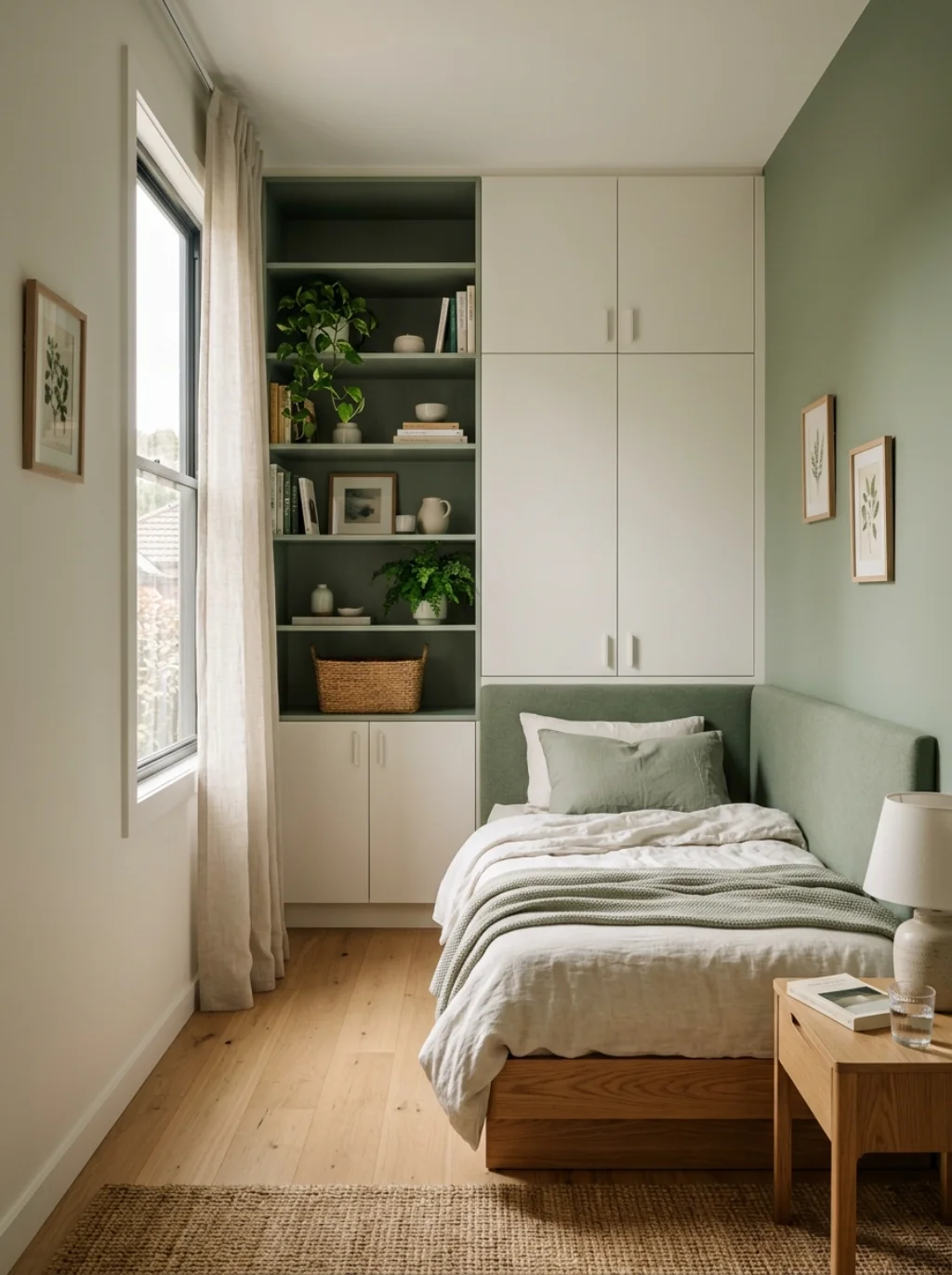
Bright, saturated colors stimulate the brain, which isn’t ideal before bed. A neutral bedroom color palette does the opposite. Soft beiges, warm grays, and muted greens signal calm to your nervous system, supporting genuinely better rest each night.
Stick to an earth tone palette across walls, bedding, and furniture. This muted color bedroom approach isn’t boring, it’s strategic. Research on color psychology consistently supports neutral, low-saturation environments for improved sleep quality and reduced evening stress.
Small Bedrooms Deserve Big Calm, Not Big Furniture
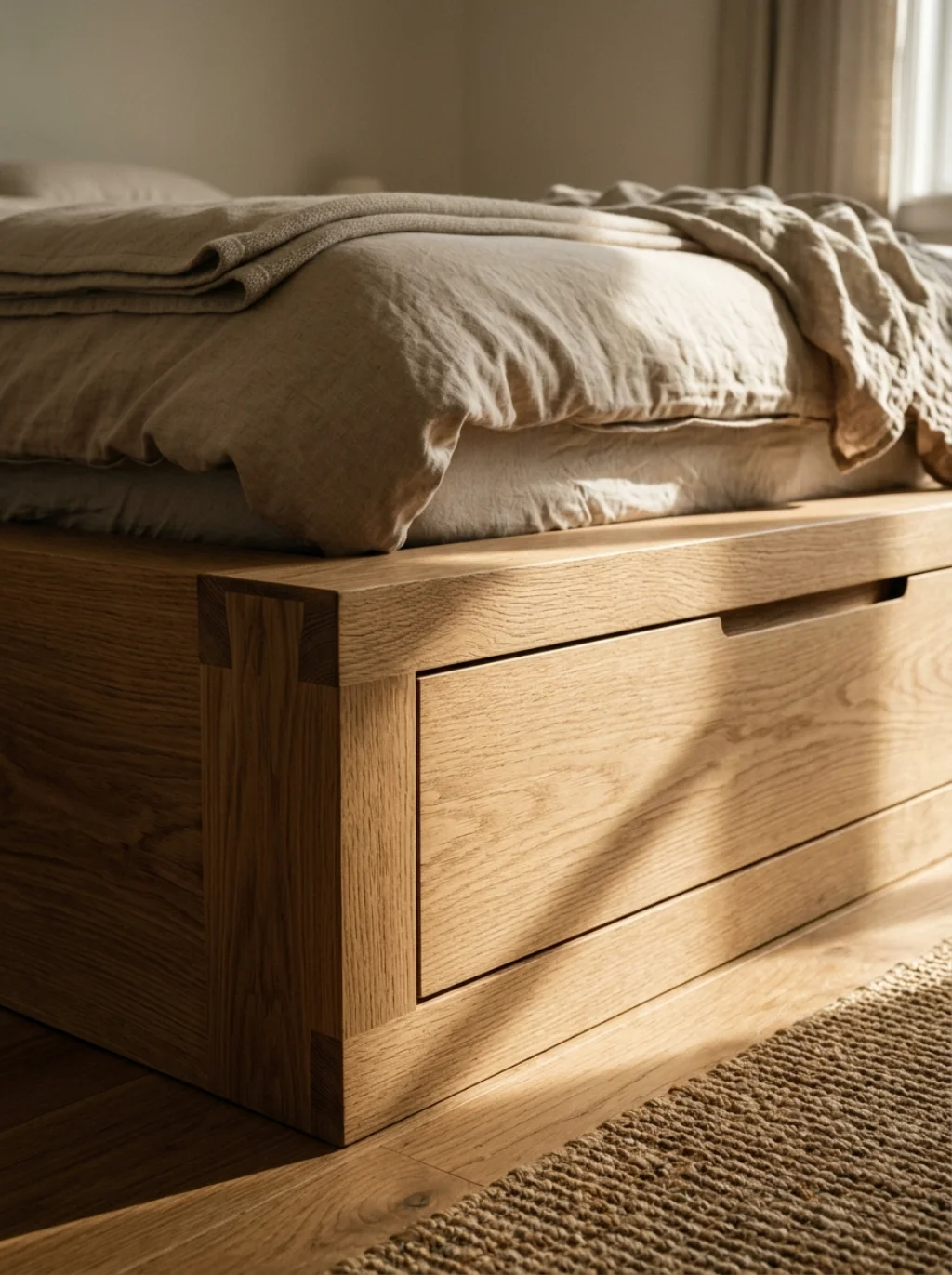
Limited square footage doesn’t disqualify you from this aesthetic. Small bedroom Japandi design actually works better in compact spaces, since minimalism naturally suits smaller footprints. Oversized furniture is the real enemy here, not square footage itself.
Choose a minimalist wardrobe with clean lines instead of a bulky armoire. Multi-purpose furniture, like a nightstand with hidden storage, saves space without sacrificing style. This approach proves Japandi small bedroom design can feel just as serene as a sprawling primary suite.
The Hidden Storage Secret Every Japandi Bedroom Quietly Relies On
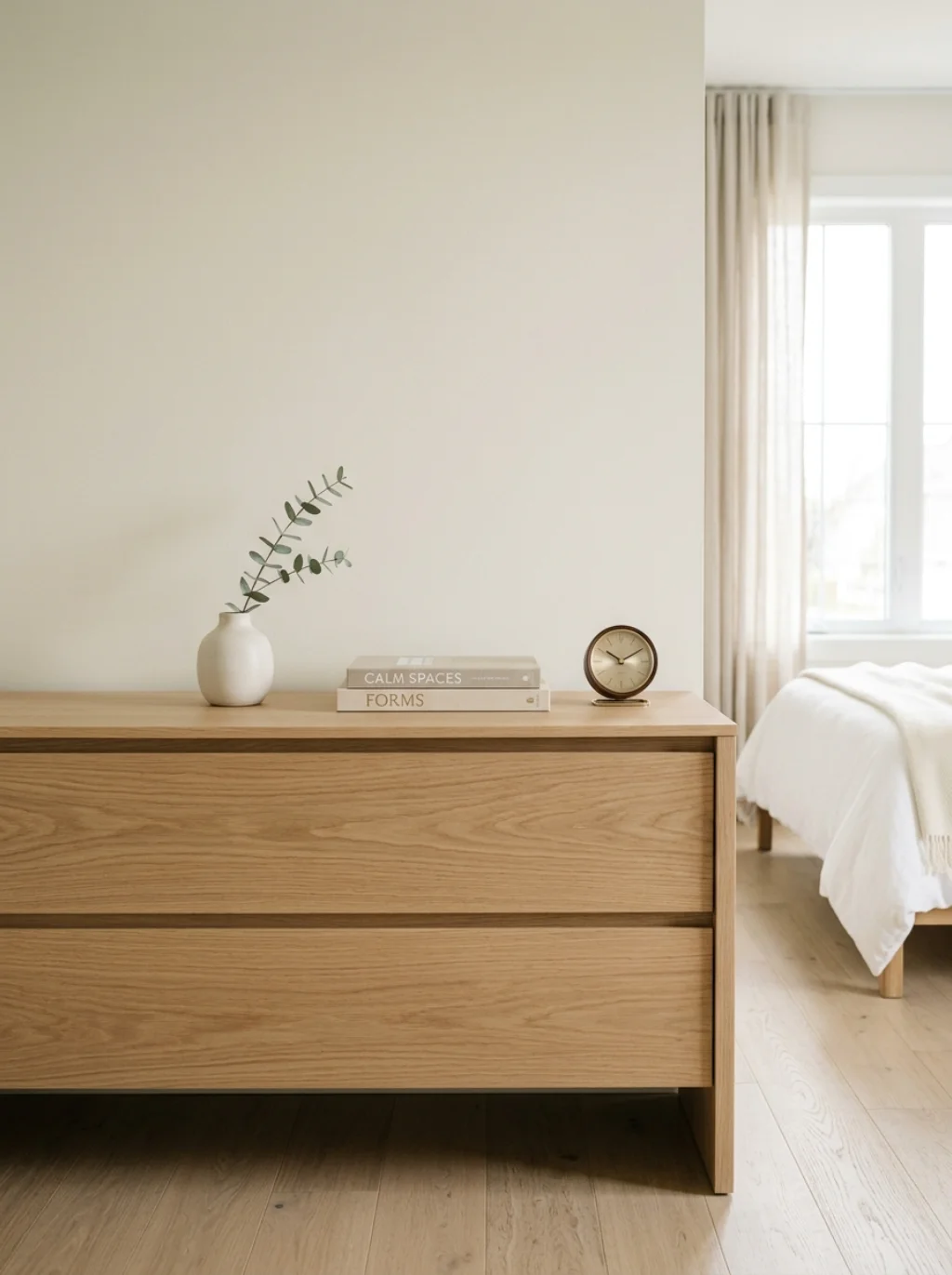
Visible clutter kills calm faster than almost anything else. Minimalist storage solutions bedroom design relies heavily on closed storage, hiding daily mess behind clean wooden panels. Nothing ruins serene minimalism faster than piles of visible laundry or loose cables.
Built-in drawers under your platform bed work wonders for small spaces. A simple woven basket tucked in the corner hides extra pillows without looking cluttered. This is functional bedroom design at its most practical, prioritizing calm over convenience shortcuts.
Paper Lanterns Cast a Glow No Ceiling Light Can Match
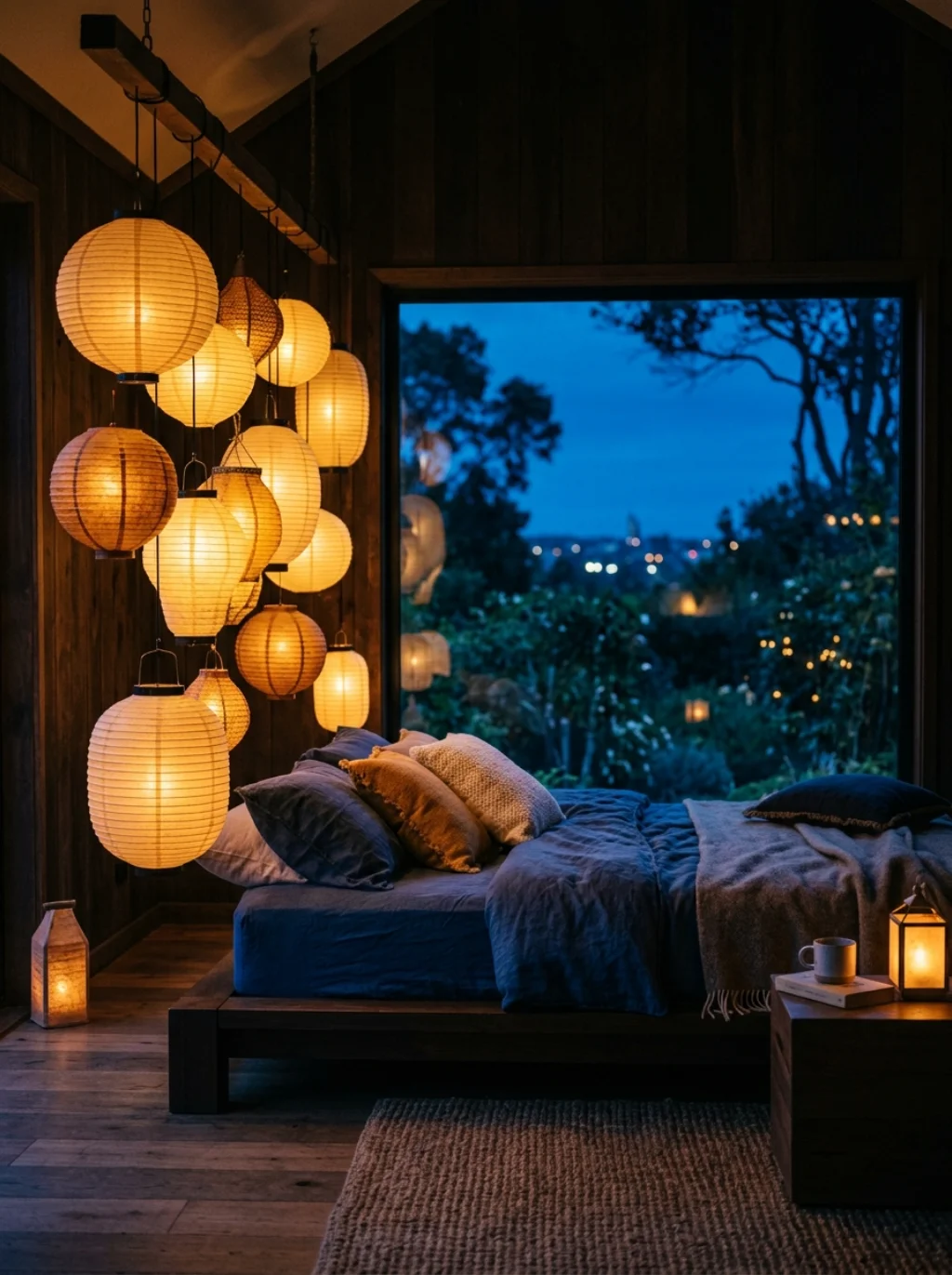
Overhead lighting tends to feel harsh and clinical, especially at night. A paper lantern softens the entire room instead, casting warm, diffused light across walls and furniture. This is core to authentic rice paper lighting decor styling throughout Japandi spaces.
Position lanterns at varying heights for layered lighting depth. This creates genuine bedroom lighting for calm ambiance, mimicking candlelight without the fire risk. Combined with a floor lamp, this lighting strategy transforms evening routines into something noticeably more relaxing and intentional.
Wabi Sabi Teaches Your Bedroom to Embrace Imperfection Beautifully
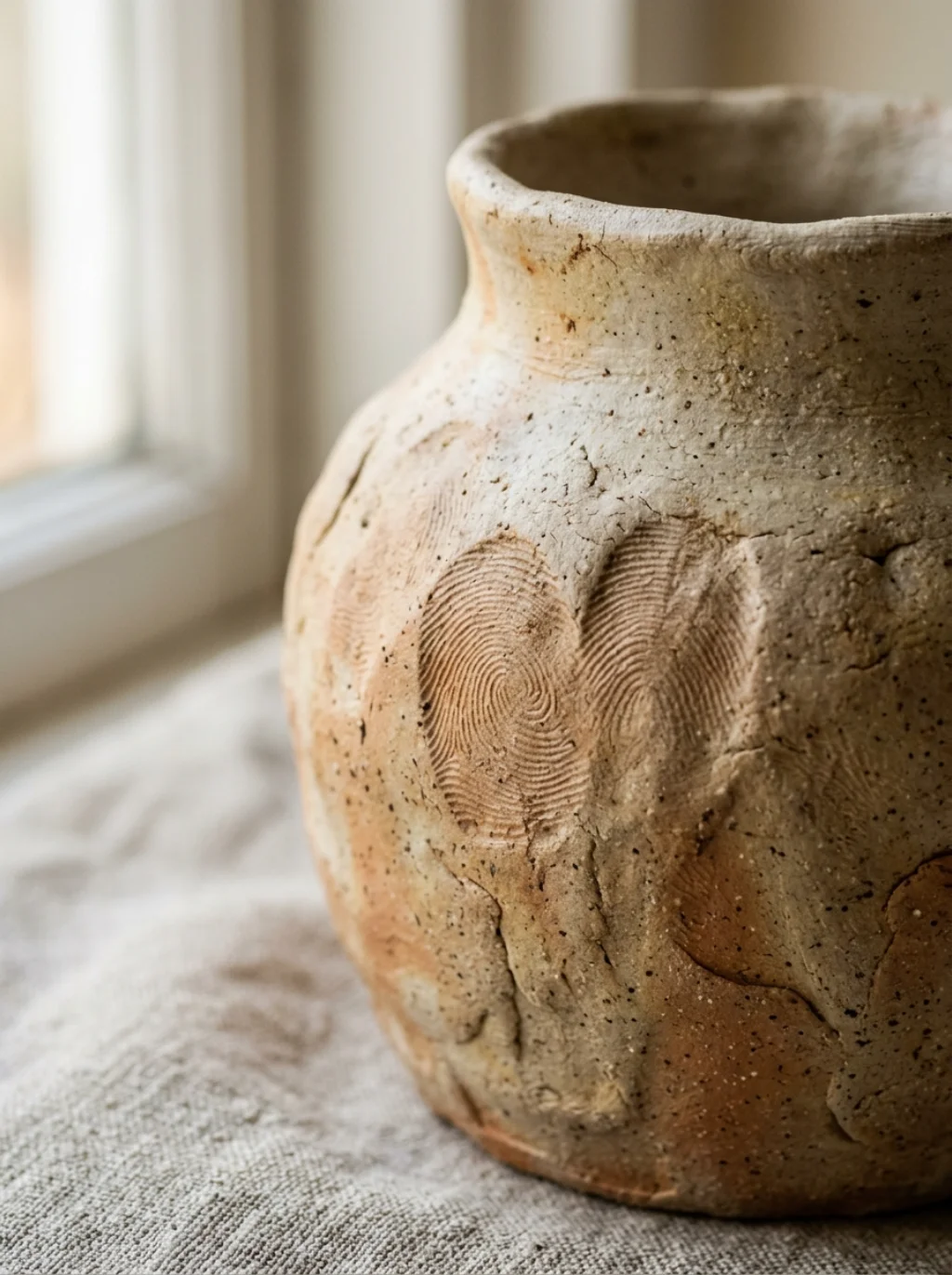
Wabi sabi celebrates flaws instead of hiding them. A slightly uneven ceramic vase or visibly grained wood table isn’t a mistake, it’s the point. This philosophy pushes back against sterile perfection, favoring wabi sabi decor that feels lived-in and honest.
Look for handmade pottery with visible fingerprints or asymmetry. These pieces carry more soul than mass-produced decor ever could. This is bedroom with wabi sabi charm in action, proving imperfection often reads as more beautiful than flawless symmetry.
Why Clutter Is the Real Enemy of a Peaceful Bedroom
Every extra object competing for attention chips away at calm. Uncluttered bedroom space isn’t about owning nothing, it’s about owning intentionally. A room with ten thoughtful pieces will always feel calmer than one packed with thirty random items.
Audit your surfaces regularly and remove anything without genuine purpose. This habit supports calm bedroom design long-term, not just on move-in day. Simplicity requires maintenance, much like a garden needs regular weeding to stay beautiful and functional.
Ceramic Decor Pieces That Whisper Instead of Shout
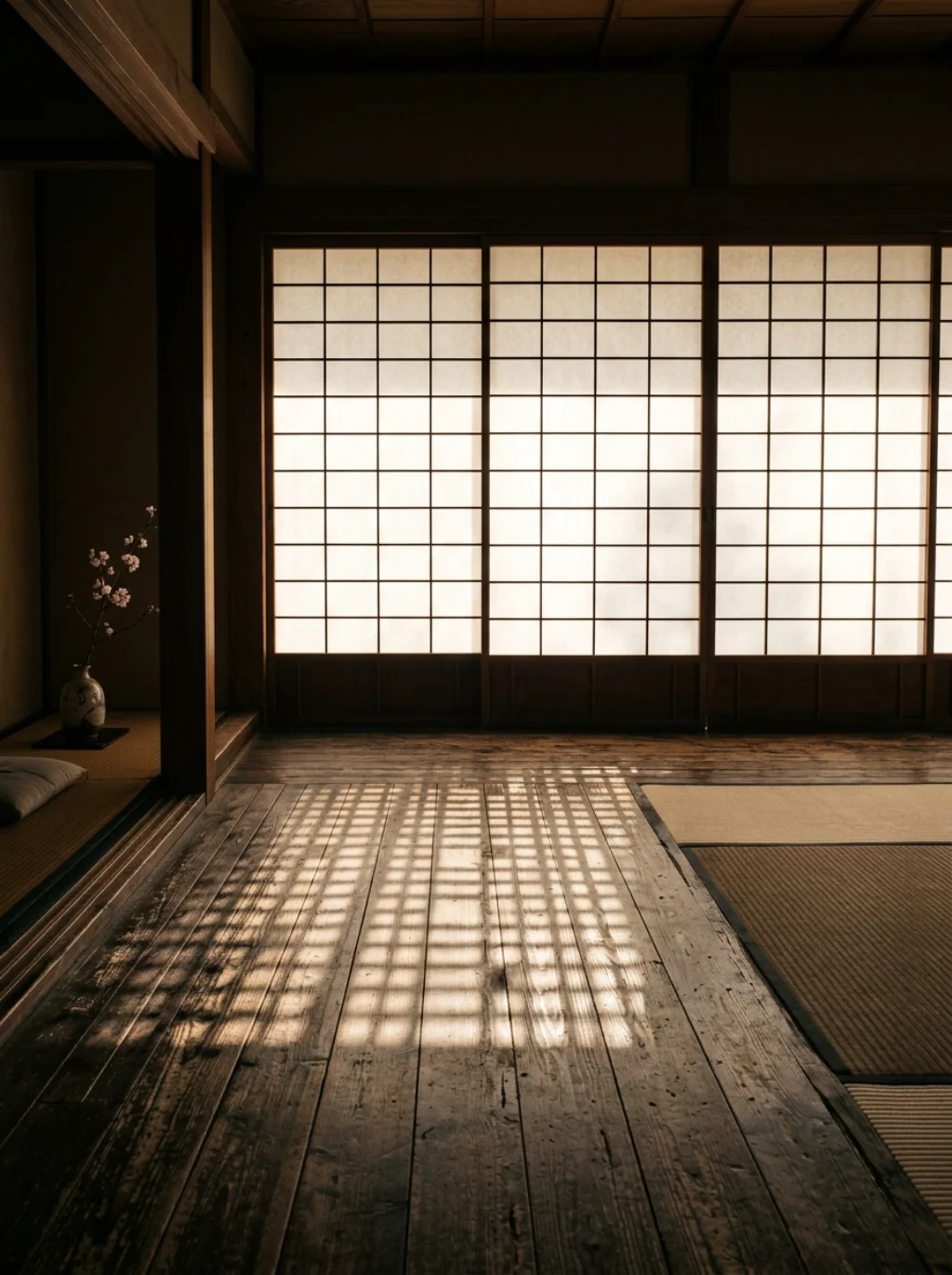
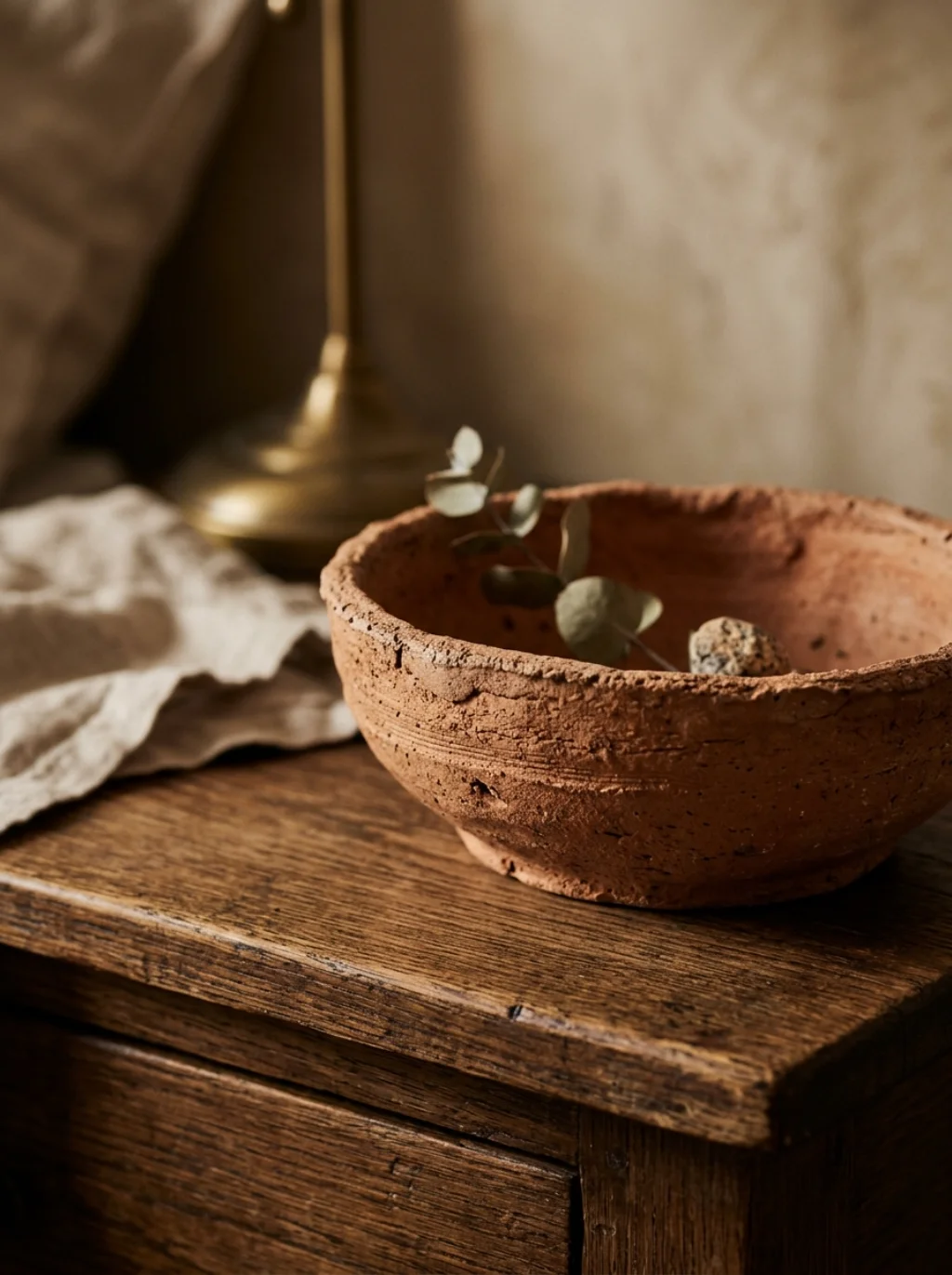
Ceramic decor and clay pottery bring earthy texture without demanding attention. A single handmade bowl on your nightstand does more than a shelf full of trinkets ever could. This is understated elegance applied directly to everyday bedroom objects.
Choose muted glazes over bright, glossy finishes for authentic Japandi bedroom decor cohesion. These pieces should feel discovered, not purchased for show. This quiet approach to decor objects reflects broader quiet luxury interiors principles found throughout premium Japandi spaces.
Shoji Screens Bring Privacy Without Blocking the Light You Need

A shoji screen filters light beautifully while still offering privacy where needed. Unlike heavy curtains, it maintains natural light bedroom design principles, letting soft daylight diffuse through paper panels rather than blocking windows entirely.
This is especially useful in studio apartments needing a room divider. A shoji screen separates sleeping and living zones without sacrificing openness. This solution supports genuine bedroom with natural light flow, keeping spaces bright even when partitioned for privacy.
Wool Throws and Woven Baskets Soften a Minimalist Bedroom Instantly
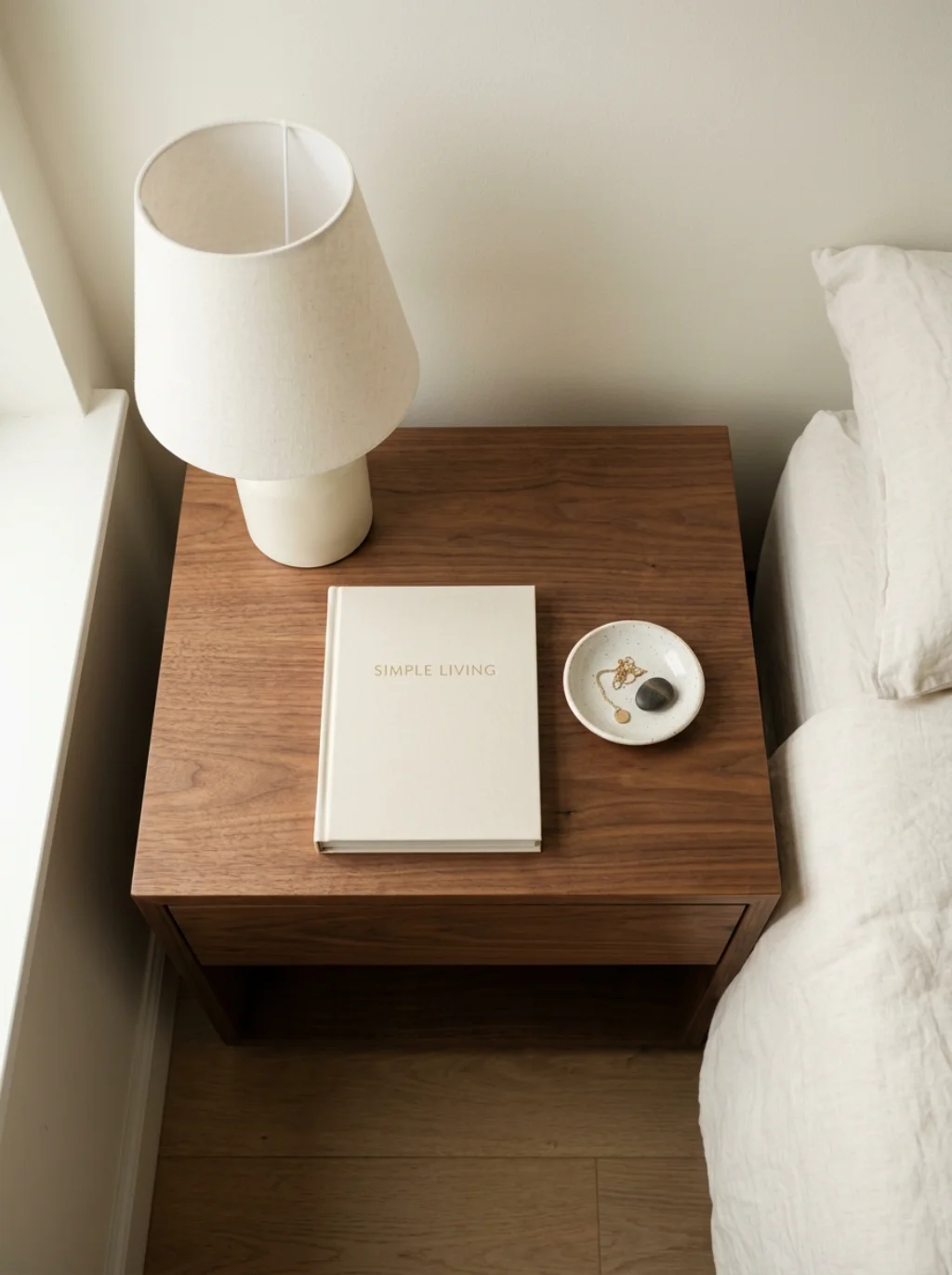
A wool throw draped across your bed adds instant texture and warmth. Without it, minimalist spaces can feel a touch too austere. This small addition supports cozy minimalist bedroom styling without introducing visual clutter or unnecessary color.
Pair the throw with a woven basket nearby for storage and texture combined. This layering technique builds warm neutral layering, softening hard edges throughout the room. It’s a simple, affordable way to add comfort without abandoning your overall design discipline.
Nightstands Reimagined for a Slower, More Intentional Morning
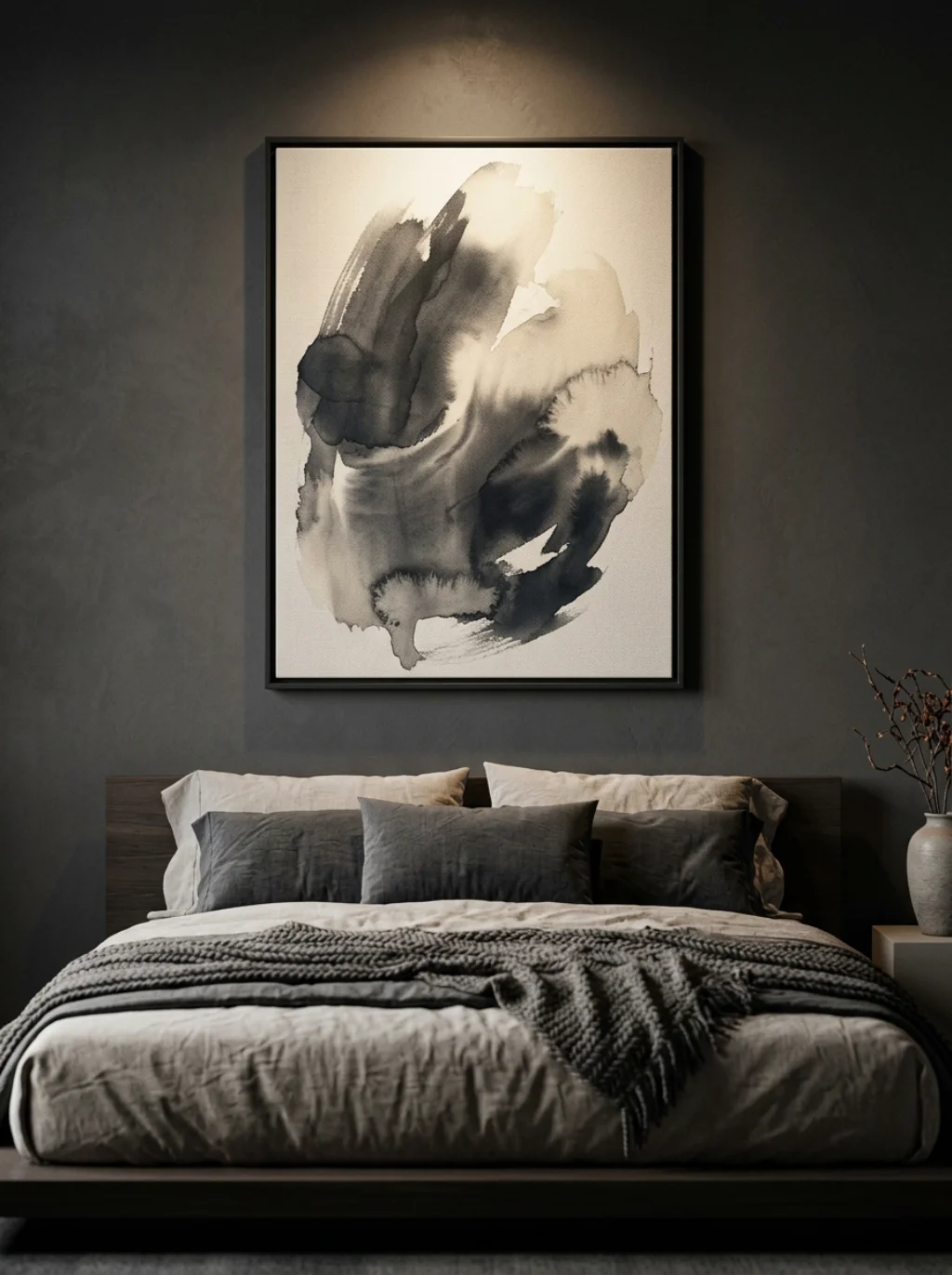
A nightstand holds more symbolic weight than people realize. It’s the first surface your hand touches each morning. Choosing a simple wooden piece over a cluttered one sets a calmer tone before your day even properly begins.
Keep only essentials on top, a lamp, a book, maybe a small ceramic dish. This restraint reflects intentional design choices carried through your entire morning routine. A clear nightstand genuinely does influence how rushed or calm your mornings feel.
Wall Art That Says Less and Somehow Means So Much More
Wall art in Japandi spaces avoids loud statements. A single ink-wash painting or abstract linen piece says more than a gallery wall crammed with frames. This restraint reflects refined simplicity, letting one piece breathe instead of competing for attention.
Choose muted tones and organic shapes over bold graphic prints. This approach mirrors nature inspired interiors found throughout Japandi philosophy generally. One well-placed piece above your bed can anchor the entire room’s mood far better than five smaller ones combined.
Frequently Asked Questions
What is a Japandi bedroom style?
Japandi bedroom style blends Japanese minimalism with Scandinavian warmth, combining natural materials, neutral tones, low furniture, and functional simplicity to create a calm, uncluttered sleeping space.
How do I make a small bedroom look Japandi style?
Choose low-profile furniture, stick to a neutral color palette, add natural textures like wood and linen, and avoid overcrowding the space with unnecessary decor or furniture pieces.
What colors are used in Japandi bedroom design?
Japandi bedrooms typically use warm neutrals like beige, cream, soft gray, and muted earth tones, occasionally paired with deep charcoal or black accents for contrast.
Do I need expensive furniture for a Japandi bedroom?
No. Japandi design values simplicity over cost. Thrifted wood pieces, natural fiber rugs, and handmade ceramics can achieve the look without a large budget.
What makes Japandi design different from regular minimalism?
Japandi adds warmth and organic texture to minimalism through natural materials, soft lighting, and imperfect handcrafted elements, avoiding the cold, sterile feel of pure minimalist design.
Conclusion
A Japandi bedroom isn’t about owning less for the sake of it, it’s about choosing better. Every piece earns its place through function, texture, or calm. Whether you’re working with a spacious primary suite or a small city bedroom, this design philosophy proves that simplicity, warmth, and intention can transform any space into a genuine sanctuary.


One Comment