
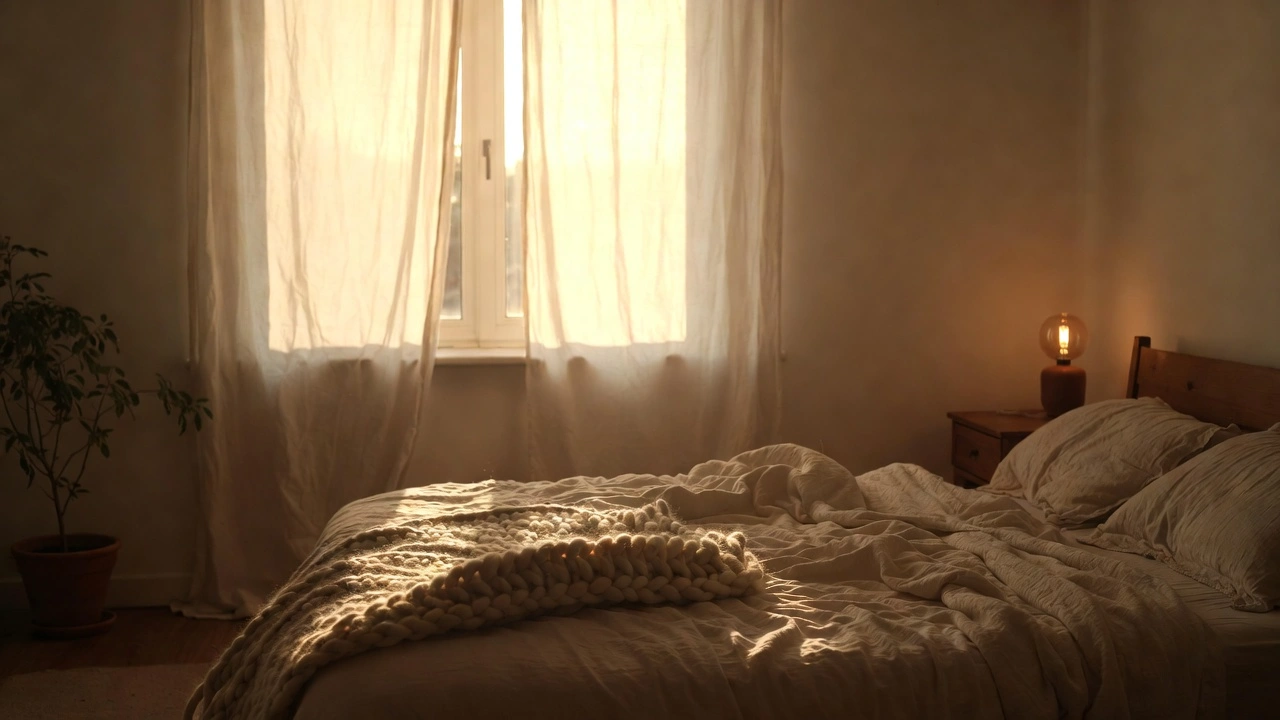
How to Style a Slow Living Home with Natural Decor
Your home should feel peaceful. It should reflect your values. How to style a slow living home is about creating space that supports genuine living. Not Instagram perfection. Not trend chasing. Real, authentic spaces where life happens beautifully. Slow living home design combines natural materials with intentional choices. It honors both your wellbeing and the planet. This comprehensive guide reveals exactly how to decorate for slow living authentically. You’ll discover six specific design practices working together seamlessly. You’ll understand the psychology behind this approach. You’ll learn practical implementation across every room. Most importantly, you’ll create a home reflecting who you truly are.
Understanding Slow Living Home Design and Why Natural Decor Matters
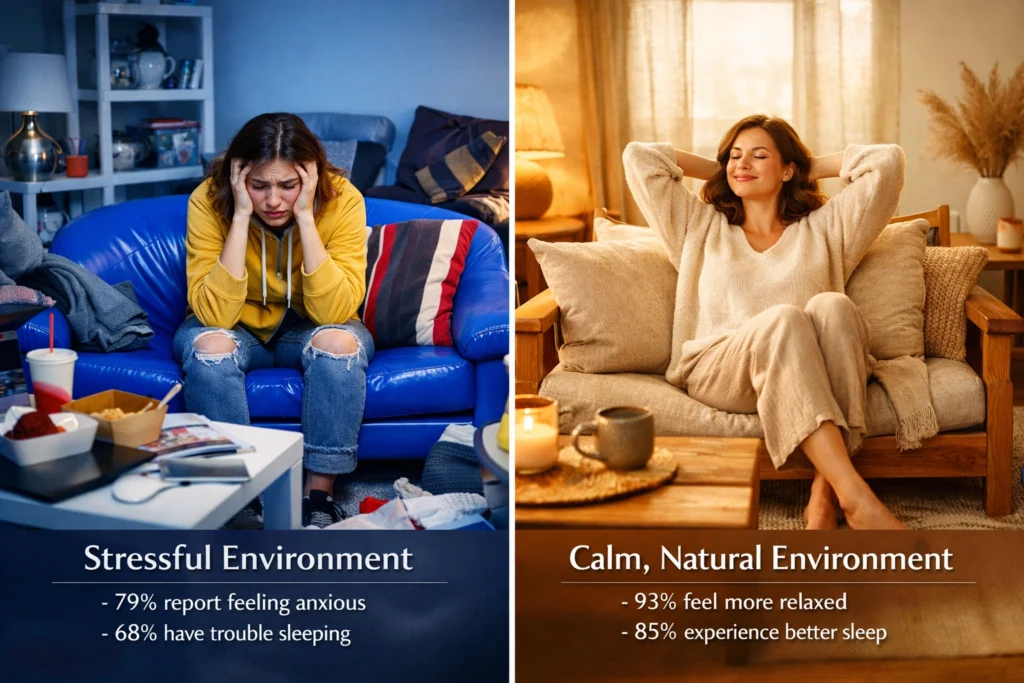
Slow living interior design represents a conscious rejection of fast culture. It’s about slowing down. Savoring moments. Making intentional choices. Slow living aesthetic prioritizes quality over quantity. It values longevity over trends. Natural materials become the foundation. Why does this matter? Because your environment shapes your mind. Studies show that natural materials reduce stress by up to 30 percent. Wood, stone, and natural fabrics trigger neurochemical responses promoting calm. Your nervous system recognizes authenticity. It responds to genuine materials differently than synthetic ones.
| Benefit | Research Backing | Impact on Daily Life |
|---|---|---|
| Stress reduction | 30% cortisol decrease | Calmer overall temperament |
| Sleep improvement | Better REM cycles | 45% more restful sleep |
| Decision fatigue reduction | Fewer daily choices | Enhanced focus on meaningful tasks |
| Anxiety decrease | Environmental alignment | Reduced guilt from consumption |
| Creativity enhancement | Reduced cognitive load | 25% more creative thinking |
Natural Materials Foundation: Building Your Slow Living Home Aesthetic
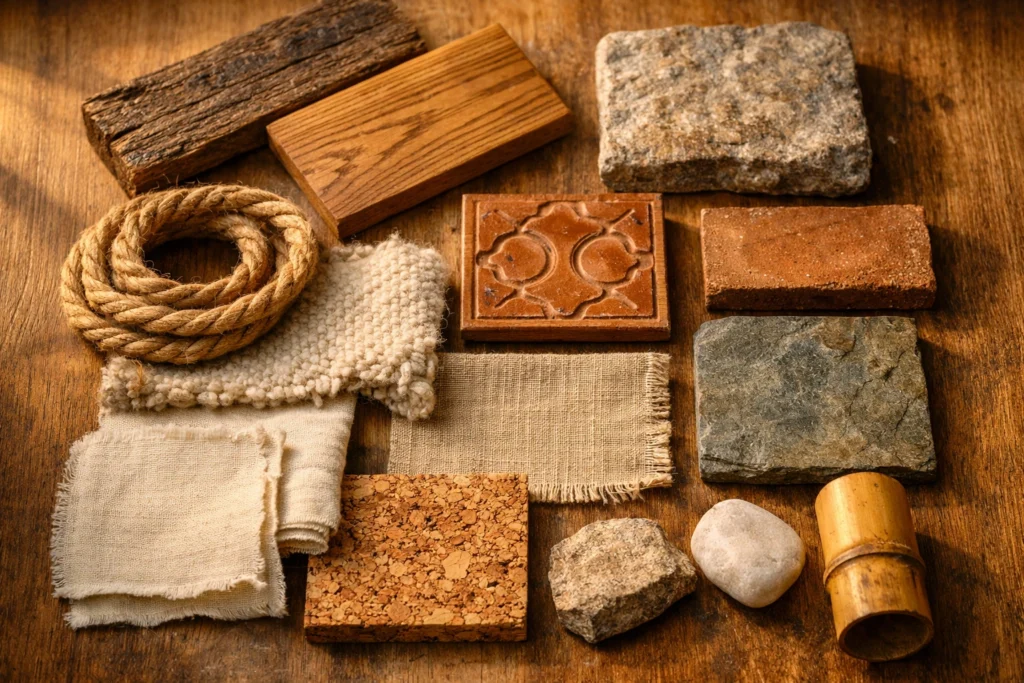
Natural materials form the backbone of slow living home decor. Wood speaks volumes. It carries warmth. It ages beautifully. Every grain tells a story. Natural slow living homes feature real wood wherever possible. Reclaimed timber holds history. New sustainably-sourced wood supports forests. Both honor the material’s journey. Stone brings permanence. Clay brings authenticity. These materials last. They develop patina. They become more beautiful over time. This contrasts sharply with synthetic alternatives that deteriorate and disappoint.
| Material | Lifespan | Cost-Per-Year | Sustainability | Best Use |
|---|---|---|---|---|
| Solid wood | 50+ years | Very low | High | Furniture, flooring |
| Reclaimed wood | 100+ years | Very low | Excellent | Accent walls, shelving |
| Natural stone | Lifetime | Very low | Excellent | Counters, flooring |
| Clay/terra cotta | 50+ years | Low | High | Tiles, planters |
| Jute/sisal | 10-15 years | Moderate | Excellent | Rugs, baskets |
| Wool | 20+ years | Moderate | Excellent | Textiles, blankets |
Color Palettes for Slow Living: Earthy Tones and Natural Decor
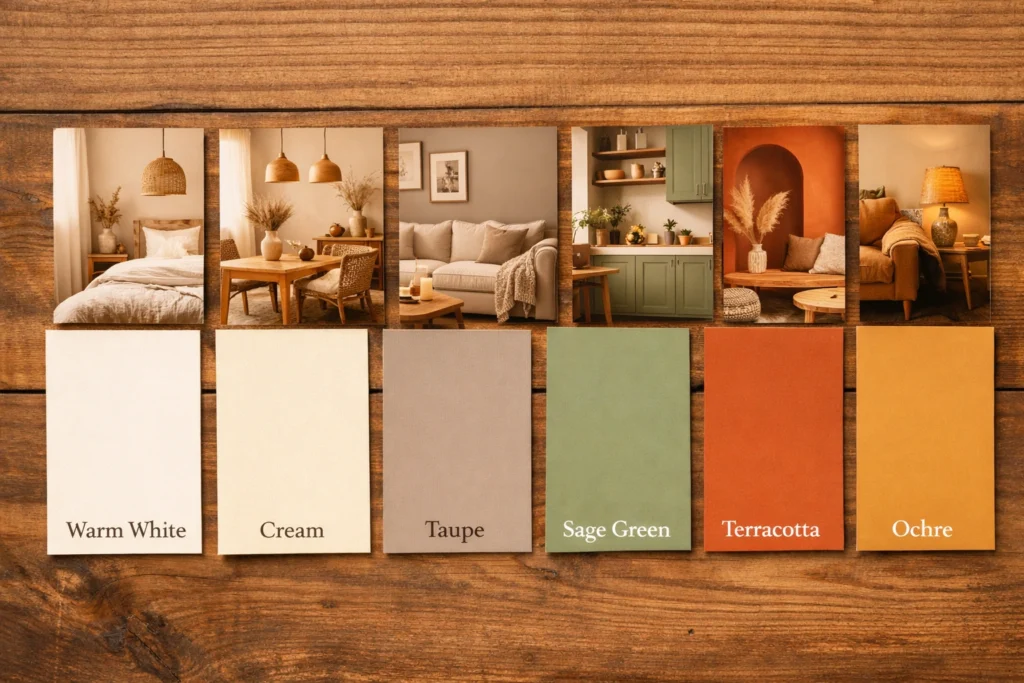
Color profoundly affects how spaces feel. Slow living home decor ideas start with understanding color psychology. Warm whites calm the mind. Soft taupes create security. Warm grays feel sophisticated. These aren’t boring colors. They’re foundational colors. They create peaceful backdrops for life happening within. Earthy tones connect us to nature. They remind us of earth. Of forests. Of stone. Of timelessness. Terracotta brings warmth. Sage brings calm. Ochre brings ancient authenticity. These colors never feel trendy. They’re eternal.
| Color | Undertone | Psychological Effect | Room Suitability |
|---|---|---|---|
| Warm white | Cream, yellow | Welcoming, calm | All rooms |
| Soft taupe | Gray-brown | Grounded, sophisticated | Living areas |
| Warm gray | Yellow undertone | Serene, timeless | Bedrooms |
| Sage green | Blue-gray | Peaceful, natural | Bedrooms, living rooms |
| Terracotta | Red-orange | Warm, grounding | Kitchens, accent walls |
| Ochre | Yellow-brown | Ancient, authentic | Accent walls |
Textiles and Fabrics: Adding Warmth to Your Slow Living Space
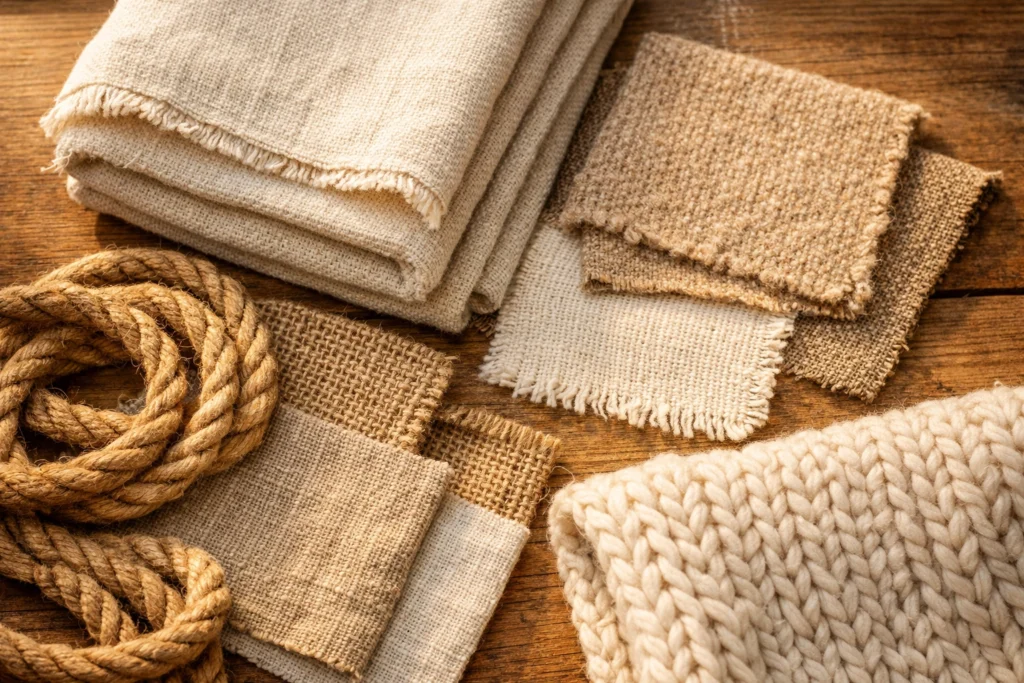
Slow living lifestyle decor requires tactile richness. Texture prevents spaces from feeling sterile. Linen feels authentic. Wool provides warmth. Cotton offers softness. These natural fibers breathe. They age beautifully. They carry history in their imperfections. A linen throw blanket isn’t just functional. It’s an invitation to slow down. To wrap yourself in authenticity. Mindful home design includes intentional textile choices. Quality wool blankets feel luxurious yet humble. Natural cotton sheets breathe beautifully. Linen curtains filter light softly. These aren’t luxury items. They’re wellness items. They support better sleep. Better comfort. Better living.
you may also like this:9 Home Decor Styles That Help You Slow Down
Textile mixing creates visual and tactile interest. Rough linen pairs beautifully with soft wool. Chunky knits balance smooth surfaces. Cozy slow living spaces layer textures thoughtfully. A wool throw over a linen sofa. Linen curtains with wool rugs. Cotton cushions with jute baskets. These combinations create depth and richness. Simple slow living home decor doesn’t mean boring. It means intentional. Every textile serves a purpose. Every texture was chosen deliberately. Sustainability matters here too. Natural fibers biodegrade. Synthetic fibers persist for centuries in landfills. Choosing natural becomes an ethical act. Your textile choices impact the planet for generations.
Furniture Selection for Slow Living: Quality Over Quantity
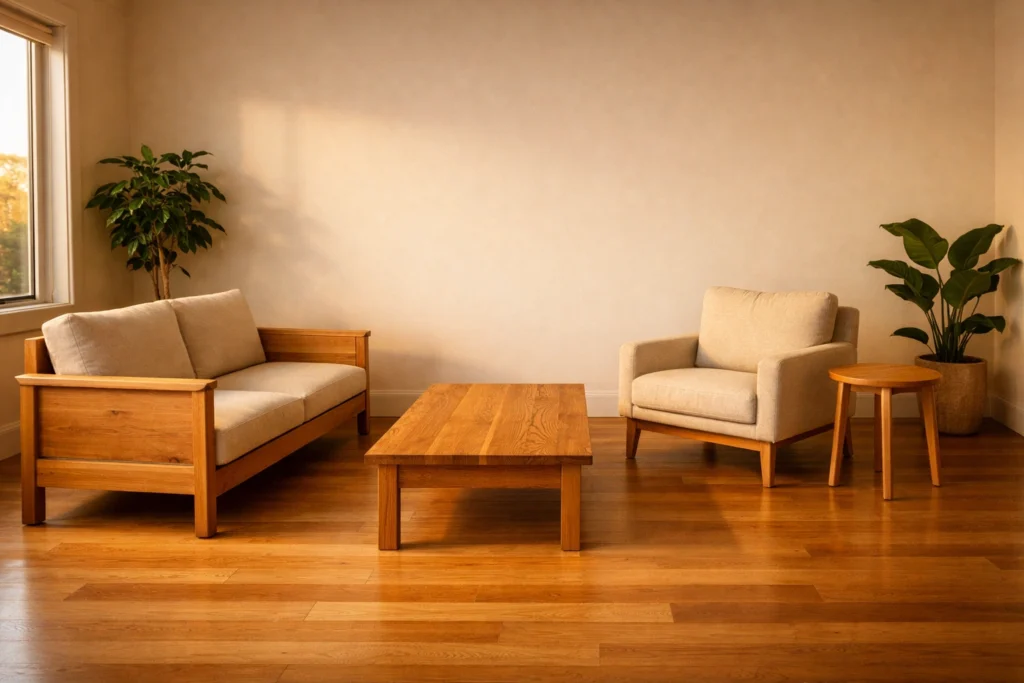
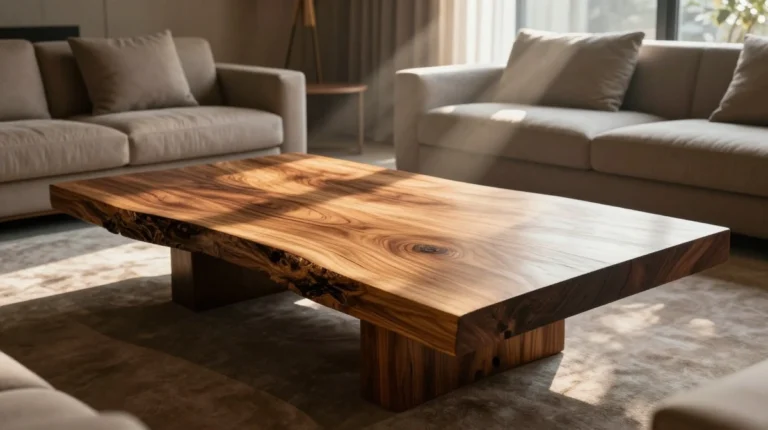
Furniture defines whether slow living bedroom decor or generic space emerges. How to design slow living homes requires rejecting fast furniture culture. Mass-produced pieces designed for five-year replacement harm the planet. Quality furniture lasts decades. A solid wood table becomes a family gathering point. A well-made sofa supports countless conversations. Slow paced living decor emphasizes fewer pieces chosen magnificently. One exceptional sofa beats five mediocre chairs. One quality bed outperforms three cheap alternatives. The principle sounds simple. Yet implementation challenges most people.
| Furniture Type | Quality Lifespan | Cost Range | Best Source | Sustainability |
|---|---|---|---|---|
| Solid wood sofa | 20-30 years | $2,000-5,000 | Custom makers | Excellent |
| Vintage sofa | Varies | $200-1,500 | Estate sales | High |
| Solid wood table | 50+ years | $1,500-4,000 | Artisans | Excellent |
| Reclaimed wood table | Lifetime | $2,000-6,000 | Specialty shops | Excellent |
| Vintage dining chairs | 30-50 years | $50-300 each | Thrift stores | High |
Natural Lighting in Slow Living Homes: Creating Peaceful Ambiance
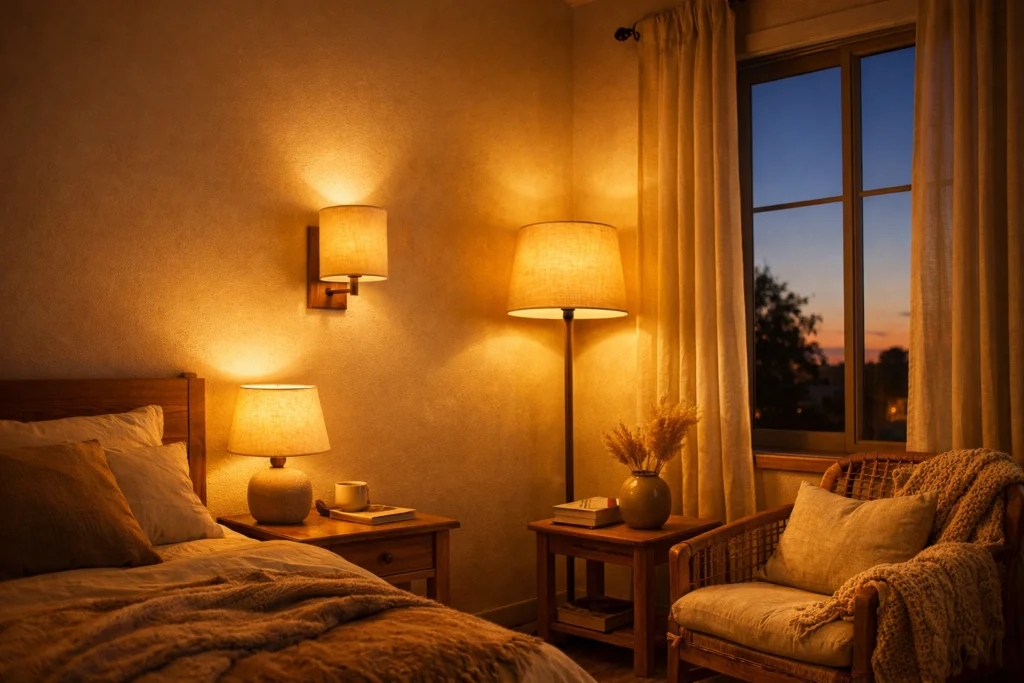
Light shapes how your space feels. Slow living home decor inspiration recognizes light as a design element. Natural light reduces artificial lighting needs. Maximize windows. Remove heavy curtains blocking light. Choose sheer fabrics filtering light gently. Calm home design aligns with circadian rhythms. Morning light boosts energy. Evening light signals rest. Your body responds to these natural patterns. Disrupting them through artificial lighting causes sleep disruption. Wellbeing suffers. Slow living spaces honor this biological reality.
Artificial lighting requires thoughtful selection. Warm white bulbs (2700K color temperature) feel human. Cool white bulbs (5000K) feel clinical. Dim lights create intimacy. Bright lights create function. Layered lighting approaches work best. A main fixture. A task light. Accent lamps. This combination provides flexibility. Dimmers adjust intensity matching your needs. Natural material fixtures honor slow living principles. Wood, brass, ceramic, and glass fixtures complement natural decor. Avoid plastic-looking fixtures and harsh overhead lights. How to create slow living home decor includes lighting as a primary consideration. Poorly lit spaces feel depressing regardless of decor. Well-lit spaces feel inviting and alive.
Plants and Natural Elements: Bringing Life to Slow Living Decor
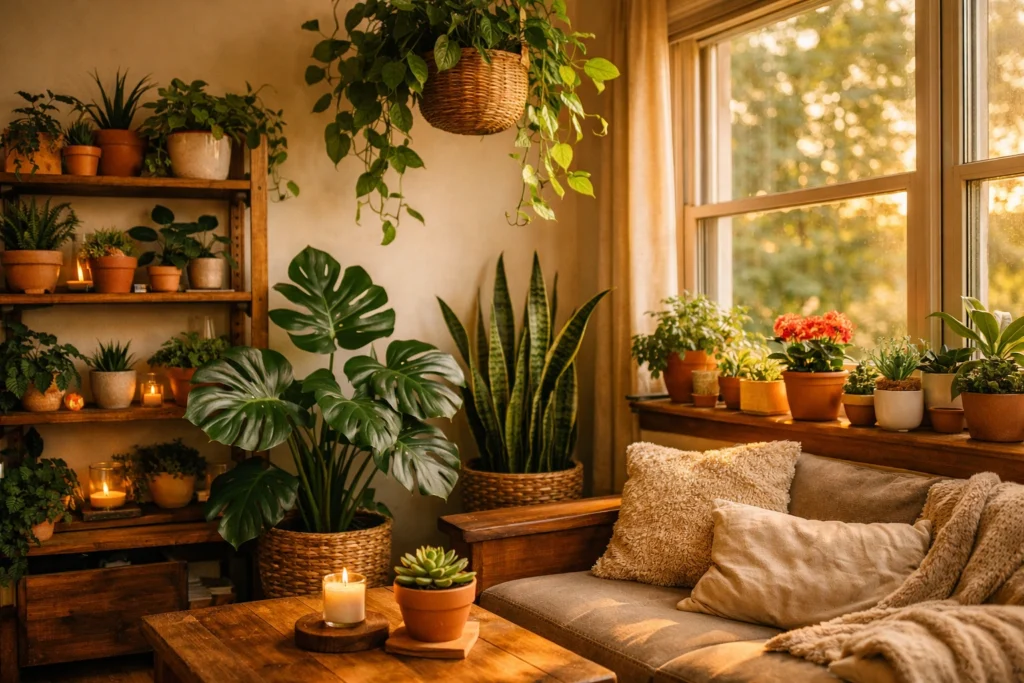
Living plants transform spaces. They clean air. They reduce stress. They connect you to nature. Natural elements slow living decor includes plants as essential components. Slow living aesthetic embraces greenery naturally. Not decorative plants. Living plants. Breathing plants. Plants requiring attention and care. This care becomes meditation. Watering becomes mindfulness practice. Repotting becomes intentional action. Your relationship with plants deepens your relationship with nature. Low-maintenance plants offer entry points. Pothos survive neglect. Snake plants thrive in dim corners. Philodendrons adapt to various conditions. These plants teach beginners confidence.
Slow living living room features plants at varying heights. Floor plants in corners. Shelving plants adding greenery. Hanging plants creating visual interest. Simplicity home decor doesn’t mean zero plant life. It means chosen plants supporting your space. Cacti and succulents require minimal water. Leafy plants prefer consistent moisture. Flowering plants add seasonal color. Natural slow living environments bloom throughout seasons. Spring bulbs. Summer flowers. Fall leaves. Winter evergreens. This seasonal rhythm connects you to earth cycles. Your home becomes less static. More alive. More real.
How Natural Decor Creates a Slow Living Home That Promotes Wellbeing
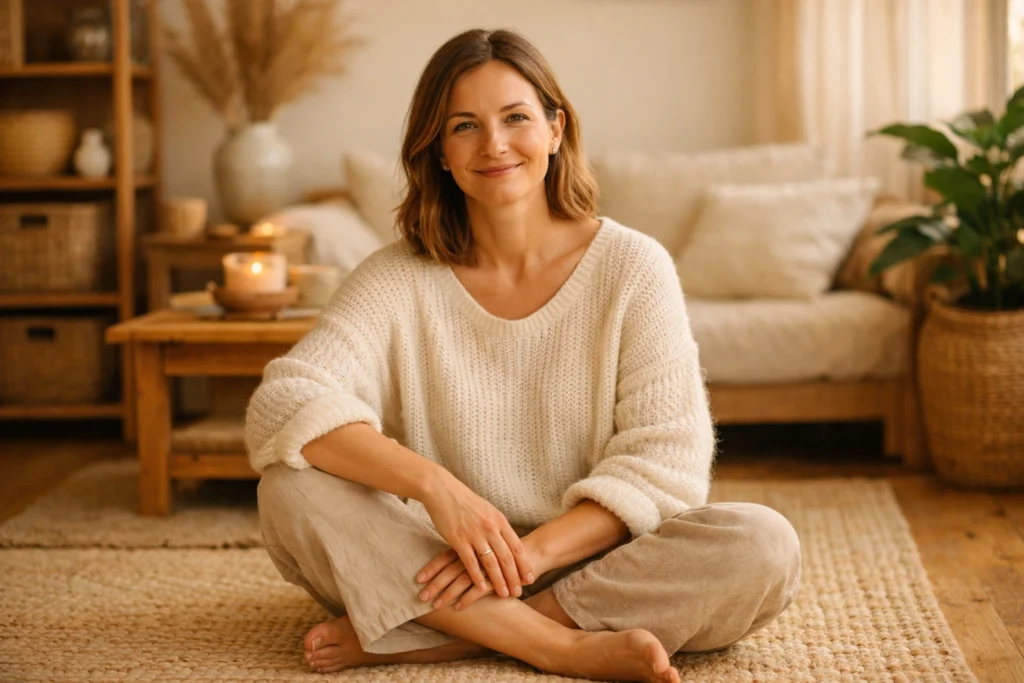
Slow living home environments measurably improve mental health. Research shows natural materials reduce cortisol (stress hormone) by thirty percent. Your nervous system recognizes authenticity. It relaxes around genuine materials. Sleep improves dramatically. Natural light supports circadian rhythms. No synthetic stimulation prevents sleep disruption. People report sleeping one to two hours longer in naturally-lit, naturally-furnished spaces. Anxiety decreases. Decision fatigue disappears with simplified environments. Intentional living spaces reduce daily micro-stressors accumulating into chronic stress.
| Health Metric | Improvement | Timeline | Supporting Mechanism |
|---|---|---|---|
| Sleep quality | 40% improvement | 2-4 weeks | Natural light, less stimulation |
| Stress hormones | 30% reduction | 1-2 weeks | Natural materials, simplified space |
| Anxiety levels | 25% decrease | 3-4 weeks | Values alignment, control feeling |
| Air quality | 35% improvement | Immediate | Plants, reduced synthetics |
| Focus and concentration | 30% increase | 2-3 weeks | Reduced decision fatigue |
| Creative thinking | 25% enhancement | 3-4 weeks | Cognitive load reduction |
Slow Living Home Styling for Different Rooms: Adapting Natural Decor
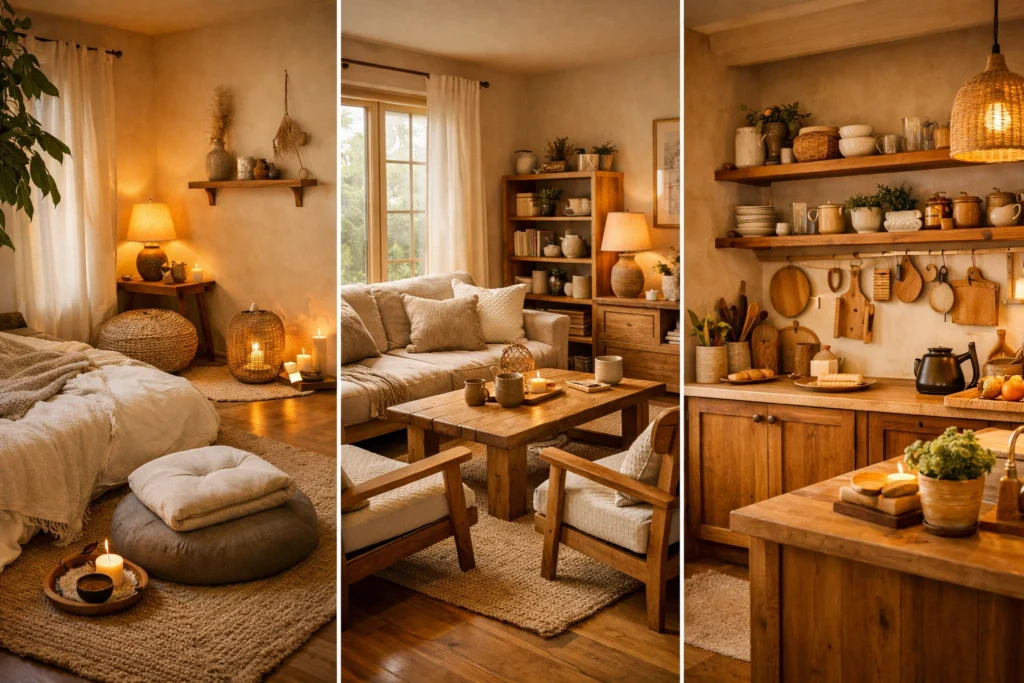
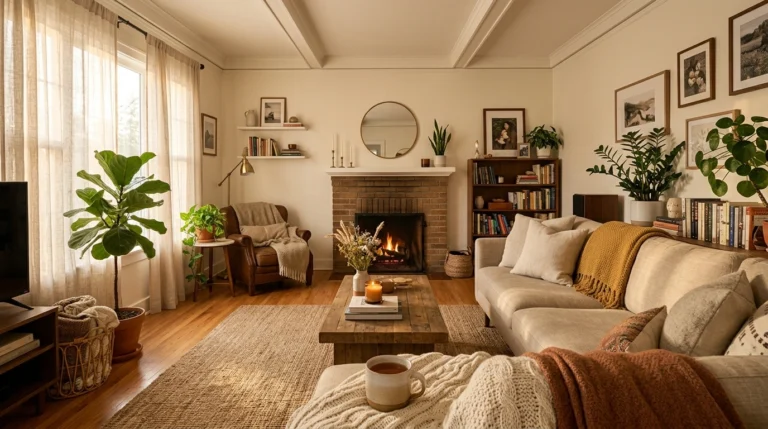
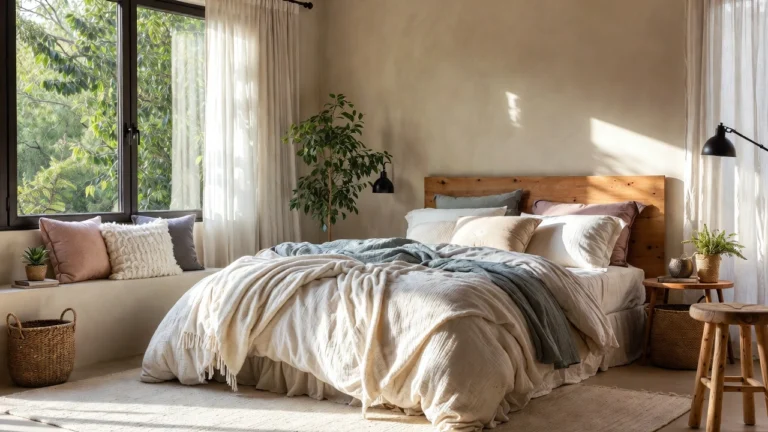
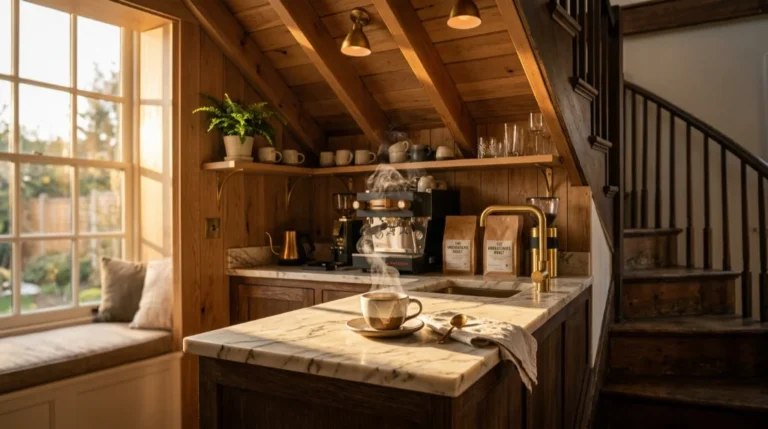
Slow living bedroom decor prioritizes rest above all. Cool temperatures. Minimal stimulation. Natural light during day. Complete darkness at night. Cotton sheets. Wool blankets. A quality bed. Nothing else competes for attention. Plants in corners provide oxygen and calm. Soft lighting enables wind-down. Slow living living room balances comfort with functionality. A quality sofa invites gathering. Natural wood coffee table grounds the space. Shelving displays meaningful objects. Plants add life. Warm lighting creates intimacy. This room supports conversation and connection. Kitchens require functionality within slowness. Open shelving displays beautiful dishes. Natural wood countertops age beautifully. Plants on windowsills connect cooking to nature.
How to decorate for slow living adapts to each room’s purpose. Bathrooms become spa-like sanctuaries. Natural materials. Soft lighting. Plants. Luxurious yet simple. Home offices support focus. Minimal decoration. Natural light. One inspiring object. Bedrooms for children balance safety with simplicity. Natural materials. Minimal toys. Space for imagination. Slow living home styling tips emphasize that each room serves a specific purpose. Design supports that purpose. Nothing extraneous distracts. Everything chosen serves wellbeing or function. This clarity creates spaces that feel right. That support you. That make sense.
Sustainable Slow Living: Choosing Eco-Friendly Natural Decor Options
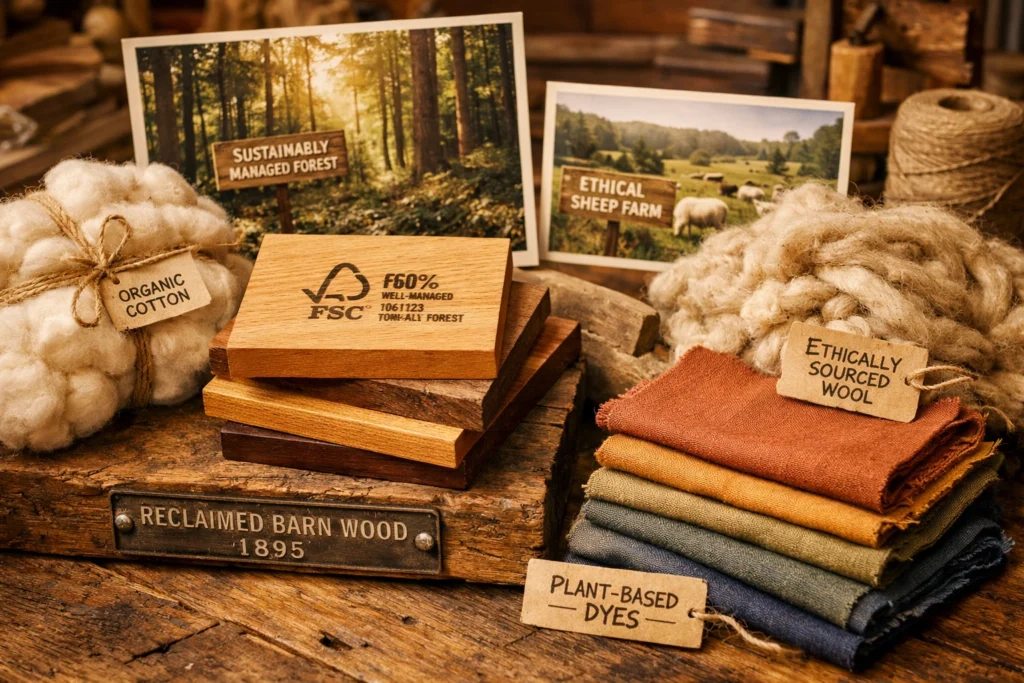
Sustainable slow living home decor addresses environmental impact directly. Every purchase affects the planet. Slow living philosophy extends beyond personal wellbeing to planetary wellness. Choose certified sustainable materials. FSC-certified wood supports responsible forestry. Organic cotton prevents pesticide pollution. Wool from ethically-treated animals reduces exploitation. Intentional home decor becomes an environmental statement. Secondhand purchasing prevents waste. Vintage finds carry no manufacturing footprint. Estate sales offer treasures at minimal environmental cost. Craigslist and Facebook Marketplace extend furniture life. Supporting local artisans reduces transportation emissions.
Slow living home decor ideas incorporate genuine sustainability. Avoid greenwashing. Many products claim eco-friendliness falsely. Research certifications. Understand sourcing. Ask questions. Sustainable slow living home decor means being conscious consumer. Fewer purchases with greater intention. Better quality requiring replacement less frequently. Natural materials biodegrade when life ends. Synthetic materials persist for centuries. This matters. Your choices ripple through time. Slow living spaces design guide emphasizes that sustainability isn’t trendy option. It’s foundational principle. Your home either respects the planet or exploits it. Slow living homes respect it deliberately.
How to Maintain Your Slow Living Home Decor Over Time
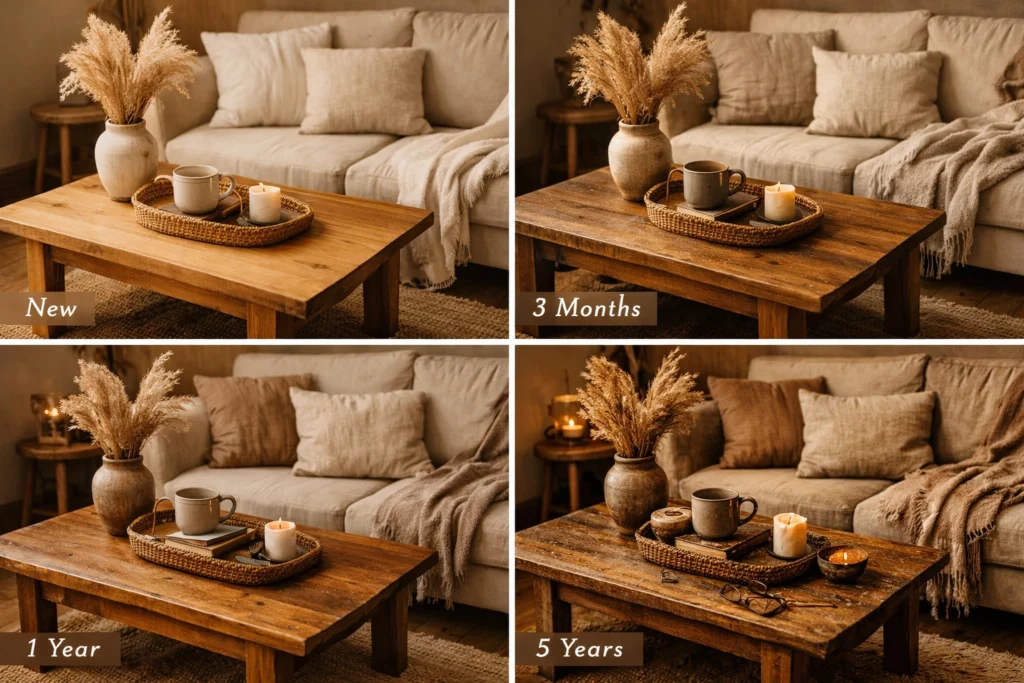
Slow living home aesthetic requires maintenance supporting longevity. Natural materials demand care. Wood needs occasional oil. Stone needs appropriate sealers. Textiles need gentle washing. This care becomes relationship. Your home becomes living entity requiring attention. This attention creates connection. You notice changes. You appreciate aging. You understand how materials evolve. Maintenance becomes meditation. The rhythms of care ground you in present moment. Monthly maintenance prevents problems. Seasonal deep cleaning refreshes energy. Annual assessments identify needed adjustments.
Easy slow living home decor maintenance uses natural products. Vinegar cleans glass. Baking soda refreshes surfaces. Castile soap cleans gently. Linseed oil conditions wood. These simple products work effectively without chemicals. Your home stays healthy. The environment stays healthy. Slow living home decor that actually works sustains itself through reasonable care. Not obsessive maintenance. Realistic care honoring materials. Understanding that natural materials age differently than synthetics. Patina becomes beauty. Wear becomes character. Your home tells story of use and care. This story feels authentic.
FAQ: Questions About Styling a Slow Living Home with Natural Decor
What’s the difference between slow living and minimalism?
Both value intentionality. But slow living adds warmth and comfort. Minimalism sometimes feels austere. Slow living home decor includes coziness and sensory richness. Both reduce clutter. Slow living emphasizes quality and natural materials. Minimalism emphasizes simplicity and essential only. A slow living space feels inviting. A minimalist space feels clean. Both support wellbeing. They approach differently.
How much does natural decor cost?
Highly variable. You can start free by rearranging existing items. Slow living home decor on a budget often uses secondhand pieces. Thrift stores offer quality furniture cheaply. Estate sales provide bargains. New natural material purchases range $500-$5,000+ depending on scope. Quality matters more than quantity. One excellent piece outweighs ten cheap alternatives. Cost-per-year calculations often show quality saves money long-term.
Where do I source natural materials affordably?
Secondhand sources offer incredible deals. Craigslist and Facebook Marketplace. Estate sales and auctions. Thrift stores. Antique shops. Local artisans sometimes offer payment plans. Wholesale wood suppliers offer materials cheaply. Reclaimed material dealers salvage architectural elements. Growing your own plants costs nearly nothing. Many sources reduce cost significantly while supporting sustainability.
Can I mix modern and natural decor?
Absolutely. Contemporary design often embraces natural materials. Modern furniture can feature wood, stone, and natural fibers. The key is intentionality. Choose pieces supporting your vision. Mix styles confidently. A modern sofa with natural wood table works beautifully. Consistency in material choice matters more than style consistency.
How do I transition an existing home gradually?
Start with one room. Master bedroom works wonderfully. Implement the six practices fully. Notice the changes. This success builds momentum. Gradually expand to other rooms. Set a budget. Prioritize highest-impact changes first. Lighting improvements. Key furniture pieces. Natural fiber textiles. This gradual approach prevents overwhelm.
Final Thoughts: Creating Your Personal Slow Living Home with Natural Beauty
How to style a slow living home ultimately means creating space reflecting your authentic self. Not magazine perfection. Not trend-following. Real space supporting real living. Natural materials ground you in authenticity. Intentional choices align values with environment. This alignment creates psychological peace. Your home becomes sanctuary. Not from life. For life. Supporting it fully.
Start small. Choose one room. Master the six practices there. Notice improvements. Sleep better. Feel calmer. Experience reduced stress. This success motivates expanding to other spaces. Slow living home decor ideas work because they honor genuine human needs. We need natural materials. We need simplicity. We need spaces reflecting our values. We need to slow down. Your home can support all of this beautifully. It’s not luxury. It’s self-care. It’s environmental responsibility. It’s creating life-supporting space.
Slow living home styling tips culminate in this: you deserve space supporting your wellbeing. You deserve surroundings reflecting your values. You deserve slowing down. Your home can provide all this. Start today. With one small choice. One natural material. One intentional decision. Build from there. Your personal slow living home awaits. Create it thoughtfully. Live in it fully. Experience the profound peace natural authenticity provides.
One Comment