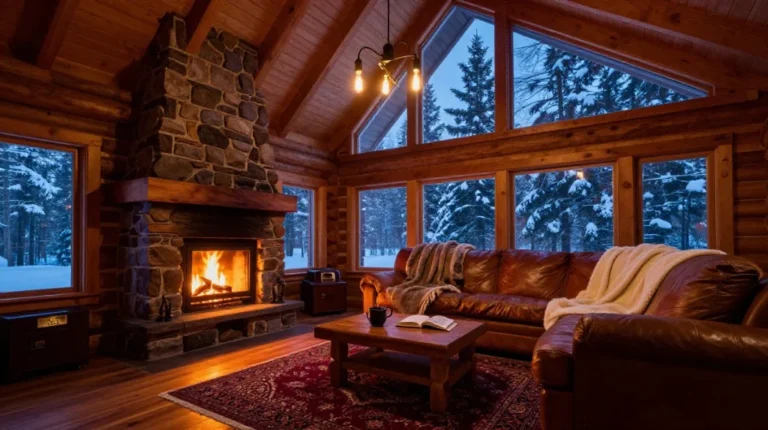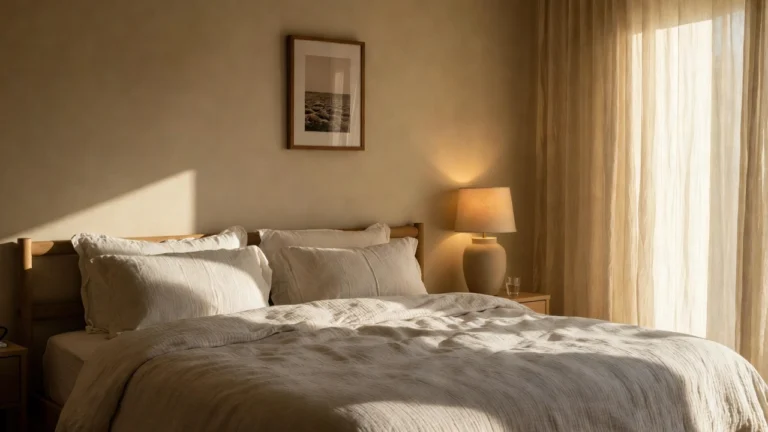
Affordable Hygge Home Decor: Create a Cozy and Budget-Friendly Home
Hygge is a Danish word that many people find hard to translate. It represents something beautiful and meaningful. Hygge means coziness, warmth, comfort, and happiness all at the same time. The word captures a feeling more than an exact meaning. It’s that warm sensation when you sit by a fireplace. It’s the joy of gathering with loved ones. It’s the peace you feel in a quiet, comfortable space.
Creating a cozy and comfortable space doesn’t require spending lots of money. Many people think that a beautiful, warm home costs thousands of dollars. This isn’t true at all. The secret to affordable ways to make your home feel cozy lies in smart choices and thoughtful decisions. You don’t need expensive furniture or designer items. You need intention, creativity, and a few practical tricks. This guide will show you exactly how to transform your home into a hygge sanctuary without breaking your budget. We’ll explore practical ideas that actually work. We’ll discuss real solutions you can use today.
What is Hygge and Why It Matters in Home Decor?
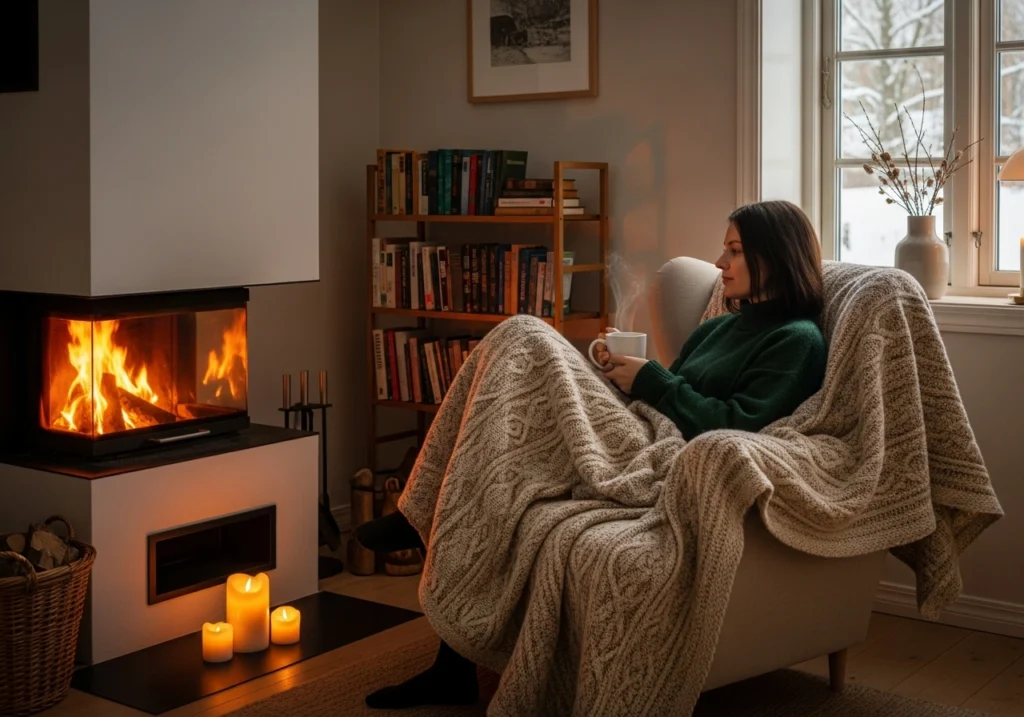
Hygge comes from Denmark. It’s a word that describes a lifestyle philosophy. The word itself is pronounced “hoo-gah.” But the real meaning goes much deeper than pronunciation. Hygge represents the Danish concept of hygge: coziness, comfort, and happiness. It’s about creating spaces where people feel safe, warm, and welcomed. It’s about slowing down and enjoying simple moments. It’s about being present with the people you love.
The beauty of hygge is its simplicity. Hygge doesn’t demand luxury or perfection. It celebrates comfort over formality. It values genuine connection over impressive appearances. When you embrace hygge in your home, something magical happens. People want to spend time there. Children want to play there. Adults want to relax there. Everyone feels the warmth and welcome. That’s the real power of hygge philosophy. It transforms a house into a true home. Scientific research confirms this. Studies show that how hygge improves mood and creates a relaxing environment is measurable and real. Warm lighting reduces anxiety. Soft textures calm the nervous system. Natural elements connect us to nature. Together, these elements create spaces where stress melts away. Your home becomes a refuge from the chaos outside.
| Hygge Element | Benefit | Cost Level |
|---|---|---|
| Warm lighting | Reduces anxiety, boosts mood | Very Low |
| Soft textiles | Calms nervous system | Low |
| Natural elements | Grounds us psychologically | Very Low |
| Comfortable seating | Encourages relaxation | Medium |
| Decluttered spaces | Reduces mental stress | Free |
Affordable Hygge Home Decor Ideas: Transform Your Space
Cozy Lighting: The Heart of Hygge Design
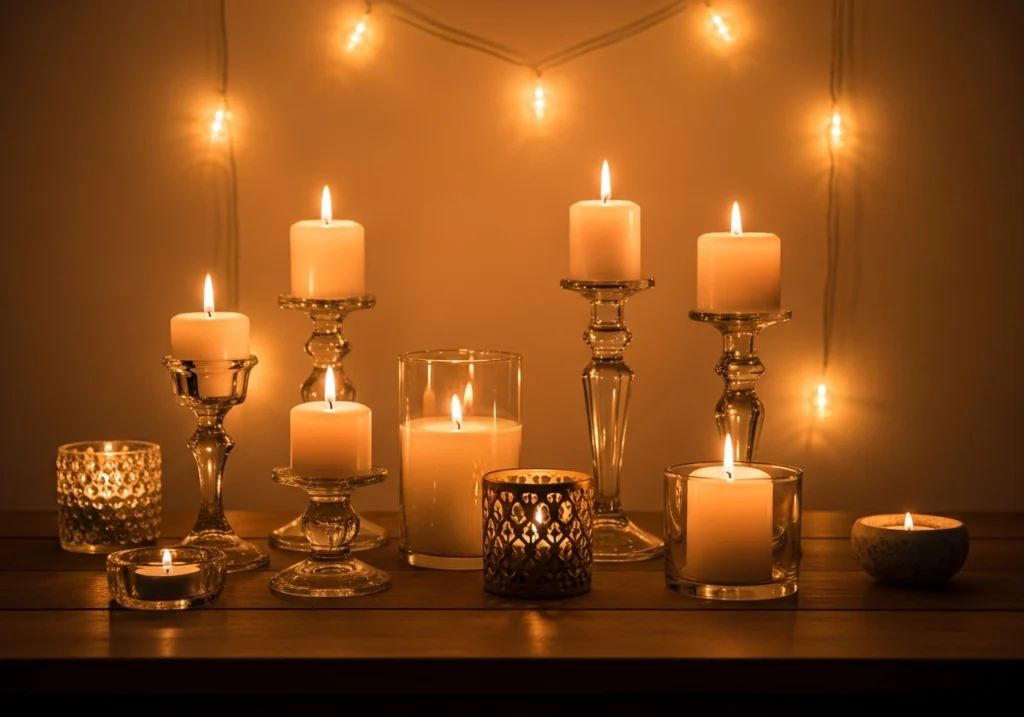
Lighting is everything when creating affordable cozy lighting that feels authentic. Hard, bright overhead lights destroy hygge instantly. They make spaces feel cold and institutional. They remind us of office buildings or hospitals, not homes. Instead, you need warm, layered lighting. This is the foundation of every successful hygge space.
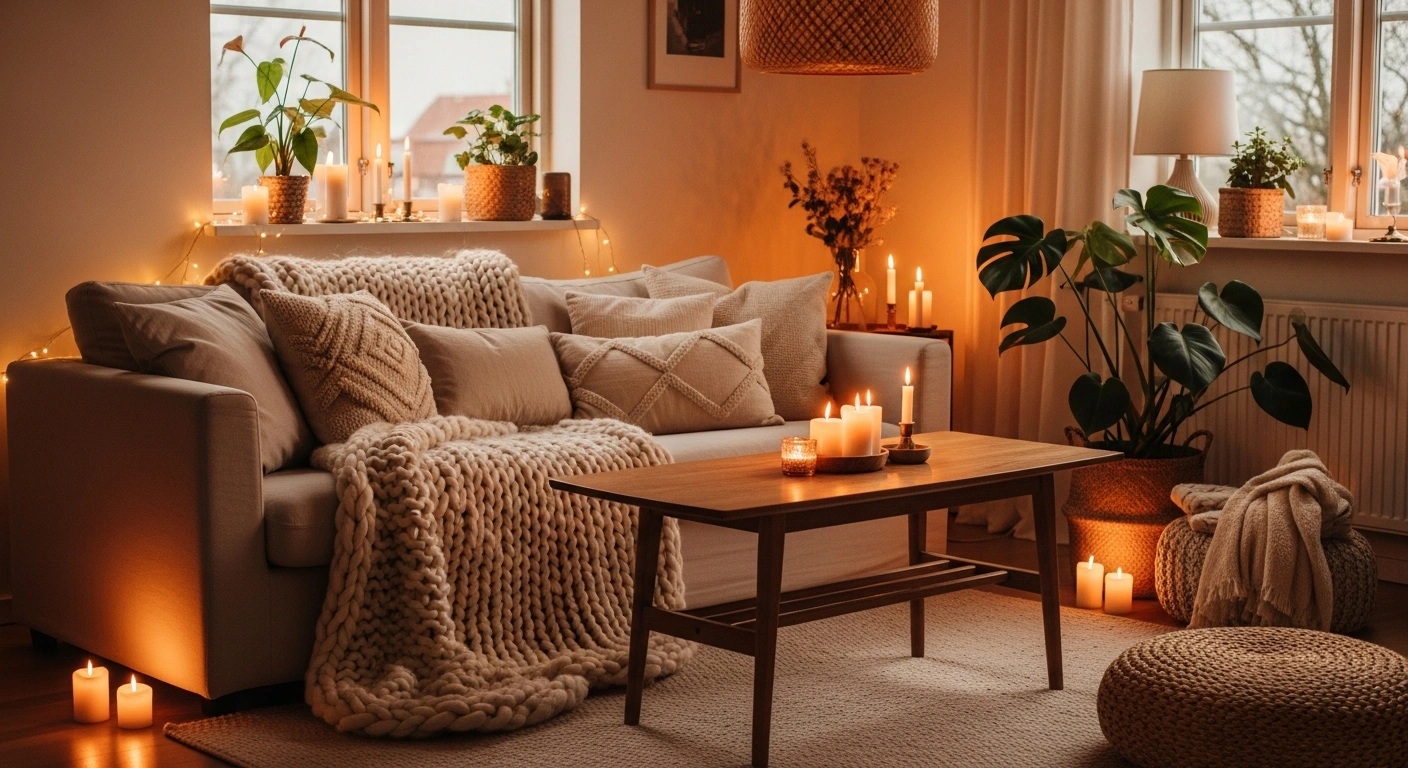
Candles are the cheapest way to create beautiful lighting. A single candle costs just a few dollars. Yet it transforms an entire room. Candlelight is naturally warm. It flickers gently. It creates moving shadows that feel alive and organic. Tea lights are incredibly affordable. Pillar candles last longer and cost more but still remain budget-friendly. Scented candles add atmosphere even more powerfully. The combination of light, warmth, and scent creates a complete sensory experience.
Fairy lights and budget-friendly lamps offer additional options. String lights draped around bedheads or shelves cost $10 to $20. They create magical ambiance without expense. Warm white lights work best. Avoid cool white or blue lights. Those don’t feel cozy. They feel clinical. Look for lights that say “warm white” or “2700K color temperature” on the package. This number indicates warmth. Lower numbers mean warmer light.
Budget lamps from IKEA, Target, or Walmart work perfectly for hygge spaces. You don’t need designer brands. You need lamps with warm-toned bulbs and simple designs. Table lamps create cozy pools of light. Floor lamps add ambient glow. When you layer multiple light sources throughout a room, magic happens. Never use just one light source. Instead, combine several. This creates depth and allows you to adjust the atmosphere based on your mood or activity.
How to decorate a home in hygge style cheaply begins with understanding light layering. Combine overhead lights (dimmed low) with table lamps. Add candles on surfaces. String lights on walls. This multi-layered approach costs far less than you’d expect. Total investment: $30-50 for a whole room. Result: a space that feels genuinely warm and inviting.
Soft Textiles: Wrapping Your Home in Comfort
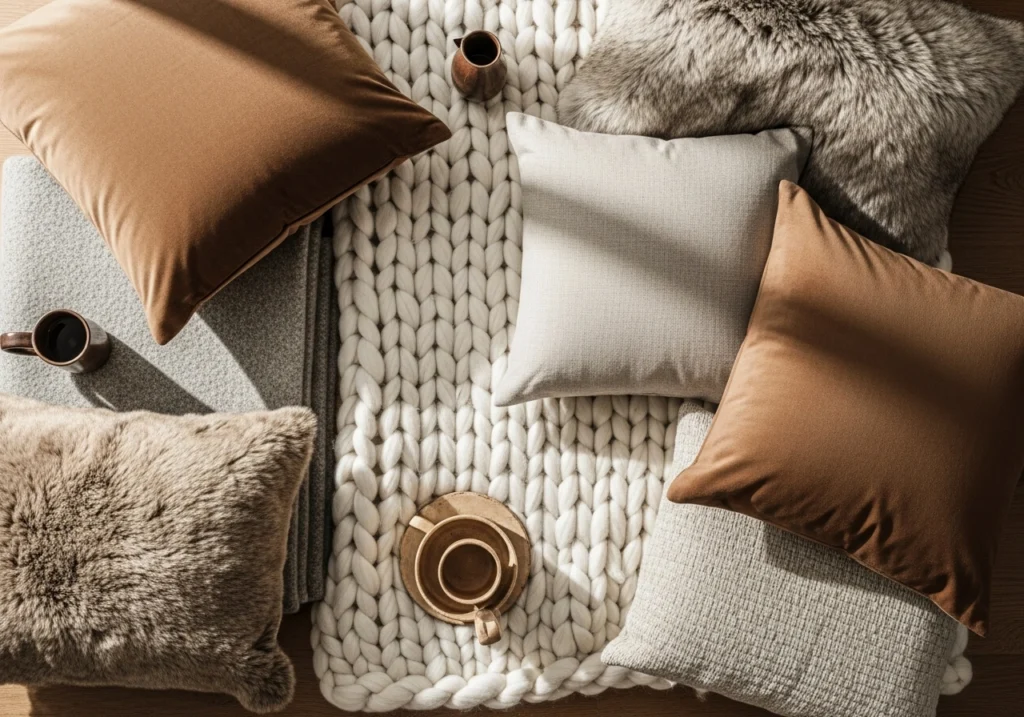
Soft blankets and cushions are absolutely essential to hygge design. They’re not optional. They’re fundamental. Soft textures calm your nervous system instantly. When you touch something soft, your body relaxes. Your breathing deepens. Your stress hormones decrease. This is biology, not imagination.
Throws draped over couches invite immediate relaxation. They say “sit down. Get comfortable. Stay awhile.” Quality throws don’t need to be expensive. Search secondhand stores, thrift shops, and online marketplaces. You’ll find beautiful wool blankets for $5-15. Vintage linen blankets cost even less. These older textiles often have better quality than new budget items. They’ve survived decades because they’re well-made.
Cushions layer comfort and visual interest simultaneously. Mix cushion sizes. Combine different textures. A chunky knit cushion next to a smooth linen one creates tactile variety. Faux fur pillows feel luxurious but cost just $10-20. Velvet cushions add richness. Cotton pillows offer simplicity. When you layer different fabrics together, your space automatically looks more professional and inviting.
Area rugs ground spaces and add comfort underfoot. They also improve room acoustics. Hard floors echo and feel cold. Soft rugs absorb sound and warmth. A good rug transforms a space completely. You can find beautiful rugs secondhand for reasonable prices. Vintage Persian rugs cost less used. Handmade rugs from thrift stores offer unique character. Don’t obsess over perfect condition. Slight wear adds authenticity and character.
The key principle here is mixing textures: blankets, cushions, rugs for warmth. Never use just one texture type. Combine smooth with rough. Soft with firmer. Matte with subtle sheen. This variety creates visual and tactile richness. Your eyes and hands want variety. Boring, uniform textures feel sterile, not cozy.
Furniture Ideas: Budget-Friendly and Comfort-Focused Pieces
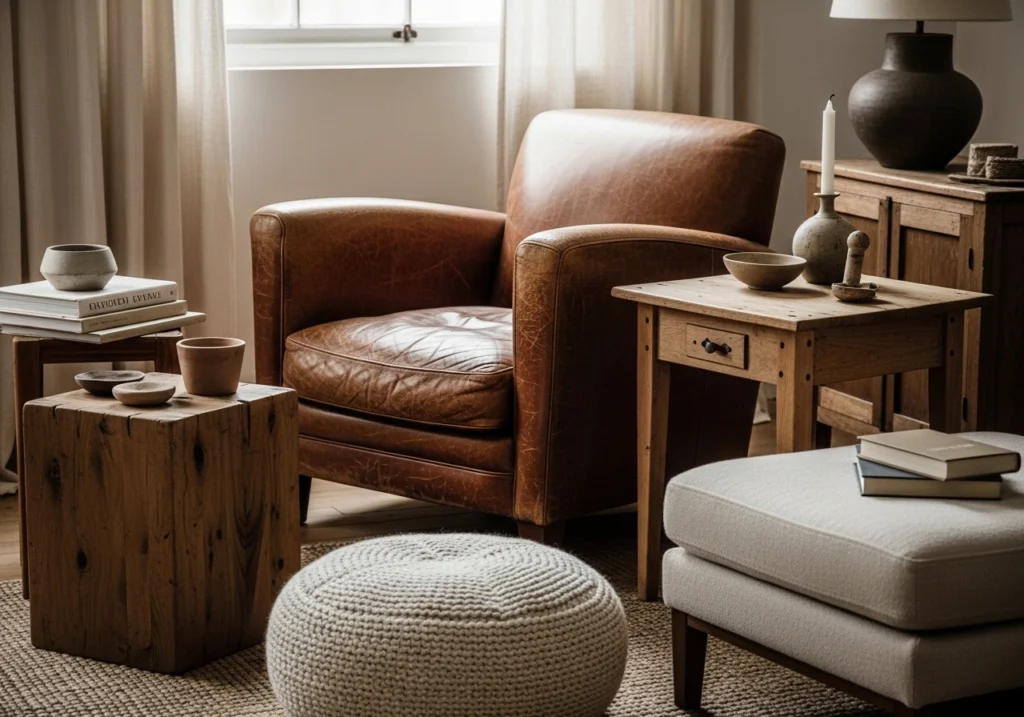
Budget-friendly hygge furniture exists everywhere if you know where to look. Facebook Marketplace overflows with affordable options. Craigslist has endless possibilities. Estate sales offer vintage treasures at low prices. Thrift stores have gems hidden among regular items. You don’t need new furniture. You need comfortable furniture.
Comfort matters infinitely more than style. An overstuffed armchair that perfectly cradles your body beats a sleek, modern chair that leaves you uncomfortable. Soft, rounded furniture feels cozier than angular, minimalist designs. Couches with deep cushions invite lounging. Chairs with gentle curves embrace you. When you sit in furniture, it should feel like a hug, not a seat.
Storage ottomans serve multiple purposes beautifully. They provide seating. They store blankets, books, and supplies inside. They’re typically affordable. Thrifted ottomans cost $20-40. New ones from budget retailers cost similar amounts. Bean bags and poufs create flexible seating for reading nooks. They work great for children’s spaces. They’re portable, affordable, and inviting.
Reclaimed wood side tables add warmth naturally. Wood is alive in a way that metal or plastic isn’t. It has history. It has character. Tables made from old barn wood or salvaged timber cost less than you’d expect. You can find them at thrift stores or antique markets. A $30 wooden table adds more warmth than a $100 metal one. Choose natural wood furniture ideas that show their age and grain. The imperfections are beautiful.
The fundamental principle: prioritize how furniture makes you feel over how it looks. If a couch is incredibly comfortable but slightly worn, that’s perfect for hygge. If a chair is perfectly styled but uncomfortable, it doesn’t belong. Authentic hygge celebrates lived-in comfort.
Natural Elements: Bringing the Outdoors Inside
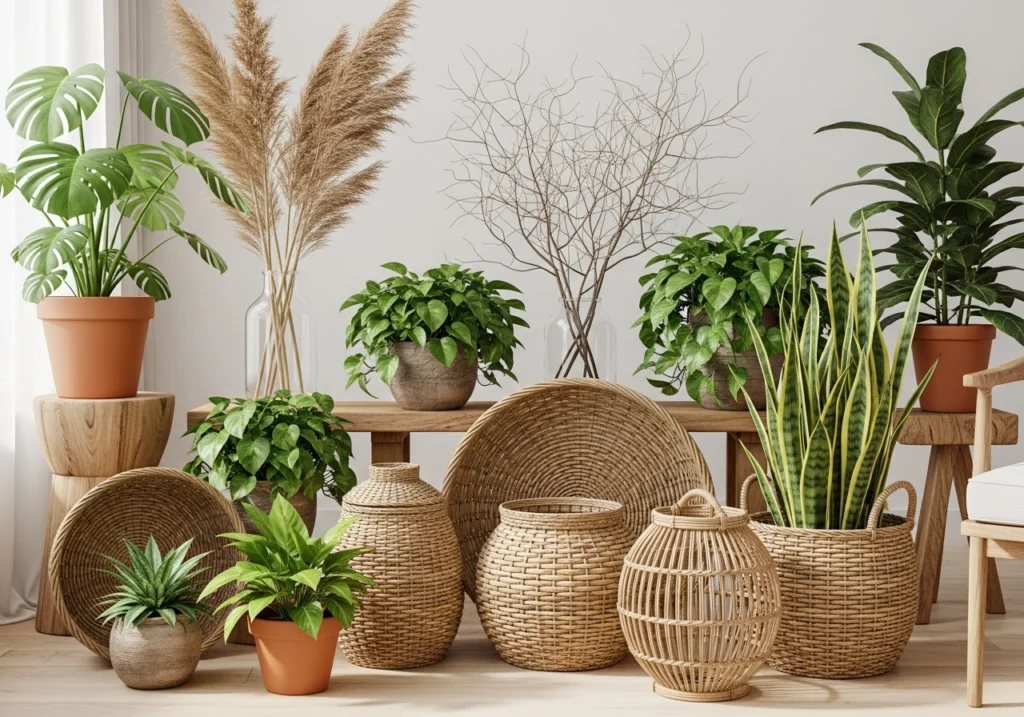
Natural elements are hygge’s secret weapon for authentic warmth. Plants aren’t decoration. They’re mood-shifters. They clean air. They connect us to nature. They soften hard architectural lines. They make spaces feel alive.
The best plants for cozy Scandinavian home decor don’t require expert care. Pothos climbs and cascades beautifully. Snake plants survive neglect. Spider plants practically care for themselves. Monstera plants create dramatic focal points. These aren’t finicky. They’re forgiving. Many of these plants cost just $5-10 from garden centers. Sometimes plant-loving friends will give you free cuttings that you can propagate into new plants. Free plants! This is the budget way.
Scandinavian-inspired home accents incorporate wood naturally. Branches in glass vases add organic texture. Reclaimed driftwood creates sculptural interest. Simple wooden shelving displays books and objects. Wooden serving boards and cutting boards become decor. The key is choosing wood that shows its natural grain and character. Bleached, bare wood is more Scandinavian than painted or stained wood.
Natural fiber baskets organize clutter while adding warmth. Woven seagrass baskets cost $15-30 but last forever. Rattan baskets add texture. Jute baskets feel rough and natural. These baskets store blankets, books, toys, and supplies beautifully. They’re functional organization that also looks good.
Stone elements add grounding weight. Terracotta planters cost $2-5 each. They age beautifully as they develop a patina. Rocks and pebbles collected from nature cost nothing. Candles in glass jars with stones around the base create simple focal points. Dried flowers and grasses add organic texture. These cost almost nothing if you harvest them yourself.
The principle: affordable ways to make your home feel cozy includes freely available natural materials. You don’t pay for branches, stones, or dried plants. You pay for creativity in arranging them. This is where budget becomes an advantage. Limited money forces creative thinking. Creative thinking produces unique, interesting spaces that expensive shopping never achieves.
DIY Decor: Simple Projects That Amplify Hygge
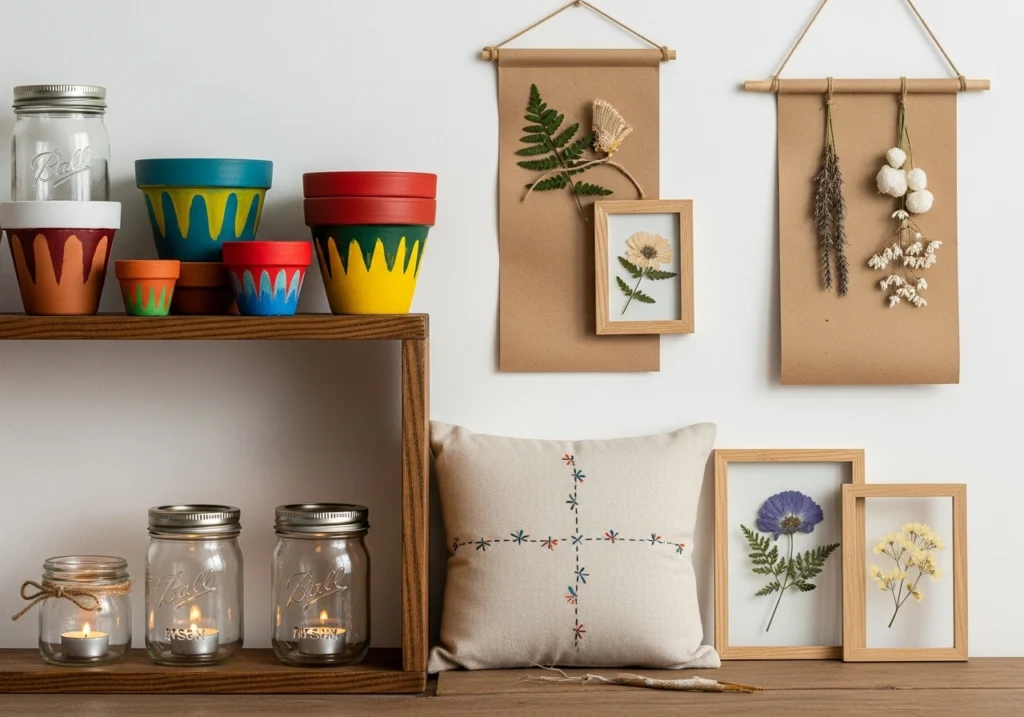
Simple hygge decorating tips often involve making things yourself. DIY projects multiply your budget’s impact dramatically. They also provide meditative, enjoyable activities that embody hygge philosophy themselves.
Mason jars become beautiful candle holders with just water and tea lights inside. Paint terracotta pots with warm colors using basic acrylic paint. Cost: $2. Result: completely unique planters. String lights in glass bottles create magical lighting. Old wooden crates become shelving with simple brackets. Kraft paper and string create rustic wall displays. Pressed flowers and leaves, framed simply, become gallery-worthy art.
Embroidering simple designs on linen pillowcases costs $5-10 in supplies but creates unique, personalized pieces. Stenciling designs on wooden signs takes an hour and $3 in supplies. Painting old picture frames and filling them with pressed botanicals costs almost nothing yet looks professional. Building simple shelving from reclaimed wood and metal brackets becomes custom furniture for a fraction of retail cost.
The beauty of DIY projects: they’re affordable AND they tell your story. A painted pot you created yourself holds more meaning than a $50 store-bought version. A pressed flower you framed has history and personal connection. This authenticity is what makes spaces feel like homes rather than showrooms.
YouTube and Pinterest overflow with simple tutorials. Choose projects that appeal to you. Don’t attempt complex things. The best hygge projects are simple: paint, arrange, hang, display. That’s it. Even non-crafty people can succeed. The goal isn’t perfection. It’s creation and intentionality.
Tips for Decorating Your Home Hygge Style on a Budget
Minimalism: Creating Clutter-Free Cozy Spaces
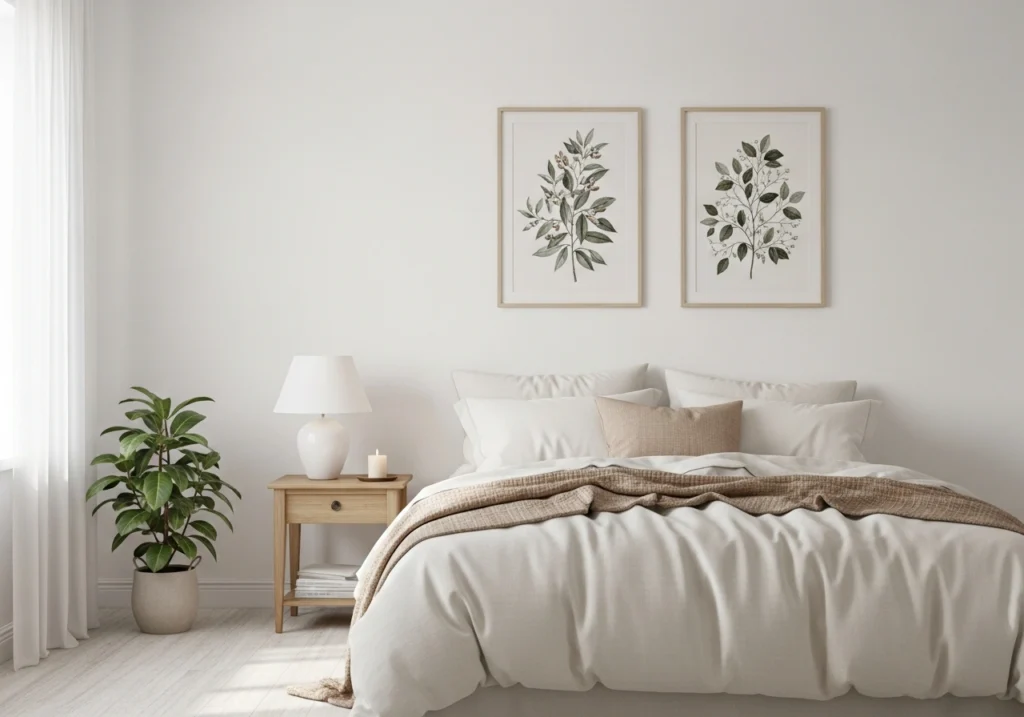
Authentic hygge requires intentional minimalism. This doesn’t mean empty, cold spaces. It means surrounding yourself with things you genuinely love. Every item should spark joy or serve clear purpose. Clutter stress shows in your body. Chaos overwhelms your mind. Clear spaces calm you.
Begin by removing items you don’t use. Be honest. That gadget you haven’t used in a year? Gone. That decoration you don’t love? Donate it. The clothes that don’t fit? Pass them on. This clearing creates space, both physical and mental. You’ll instantly feel lighter.
Next, curate what remains. Every item should earn its place. Does it make you happy? Keep it. Does it serve a function? Keep it. Does it do neither? Remove it. This principle costs nothing. You’re simply rearranging and removing. Creating a minimalist yet cozy interior on a budget happens naturally when you eliminate excess.
Open shelving displays fewer, more meaningful items. A shelf with three cherished books, a plant, and a candle looks intentional and peaceful. That same shelf crammed with ten books, five picture frames, and random items looks chaotic. Breathe space into your displays.
This approach paradoxically saves money. When you remove clutter, you stop buying replacements. When you’re intentional about what remains, you don’t buy impulse items anymore. Minimalism and budget-consciousness work together beautifully.
Mixing Textures: Layering for Maximum Warmth
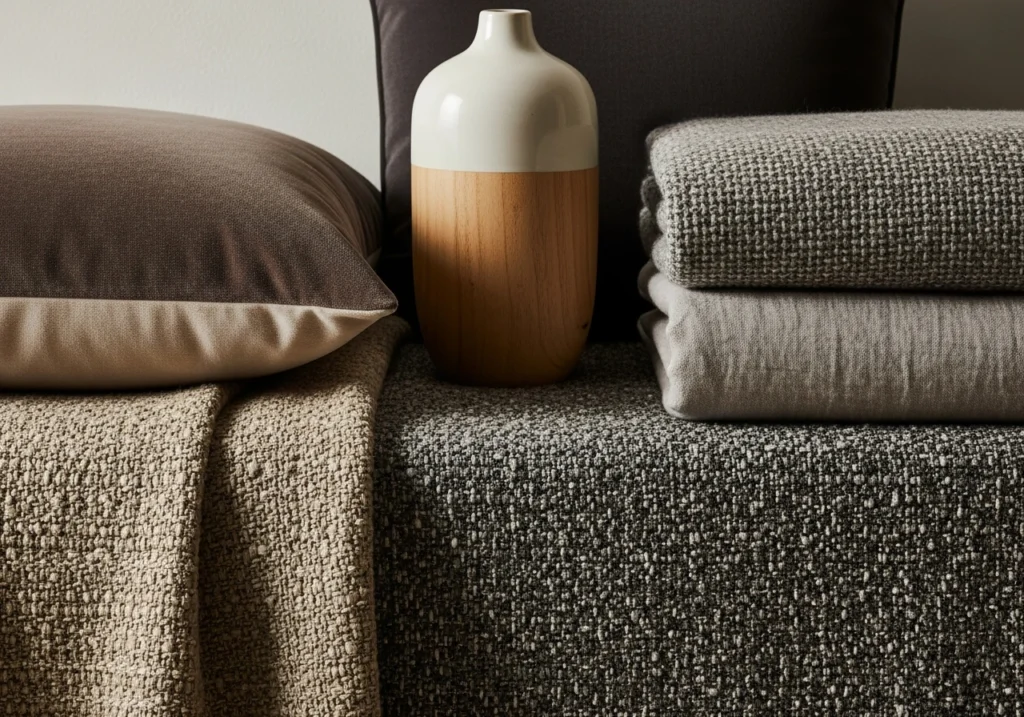
Warm and inviting home accessories come from texture variety. Your eyes and hands want complexity. They want things to touch and explore. Uniform textures feel boring. Varied textures feel rich.
Combine rough with smooth. A chunky knit throw against smooth leather sofa. Matte ceramic vase beside shiny glass. Wool rug over wooden floor. This interplay creates visual interest and tactile pleasure. When visitors enter your home, they unconsciously want to touch things. That’s texture working perfectly.
Layer deliberately. Don’t randomly pile textiles everywhere. Think about how textures interact. A soft velvet cushion looks even softer against rough linen. A smooth wooden table looks warmer beside a fuzzy throw. This isn’t complicated. It’s just thinking about contrasts.
The principle extends to wall textures too. Paint one wall a warm color. Hang a woven tapestry. Place a mirror with a wooden frame. Add floating shelves made from reclaimed wood. This layering creates depth and interest. Your eye travels around the space with pleasure.
Budget textiles come from thrift stores. Vintage fabrics often have superior quality to modern budget options. A wool blanket from 1970 likely outperforms a cheap new one. Mixing old textiles with new creates interesting combinations that cost far less than buying coordinated sets.
Warm Colors & Neutral Tones: Soothing Atmospheres
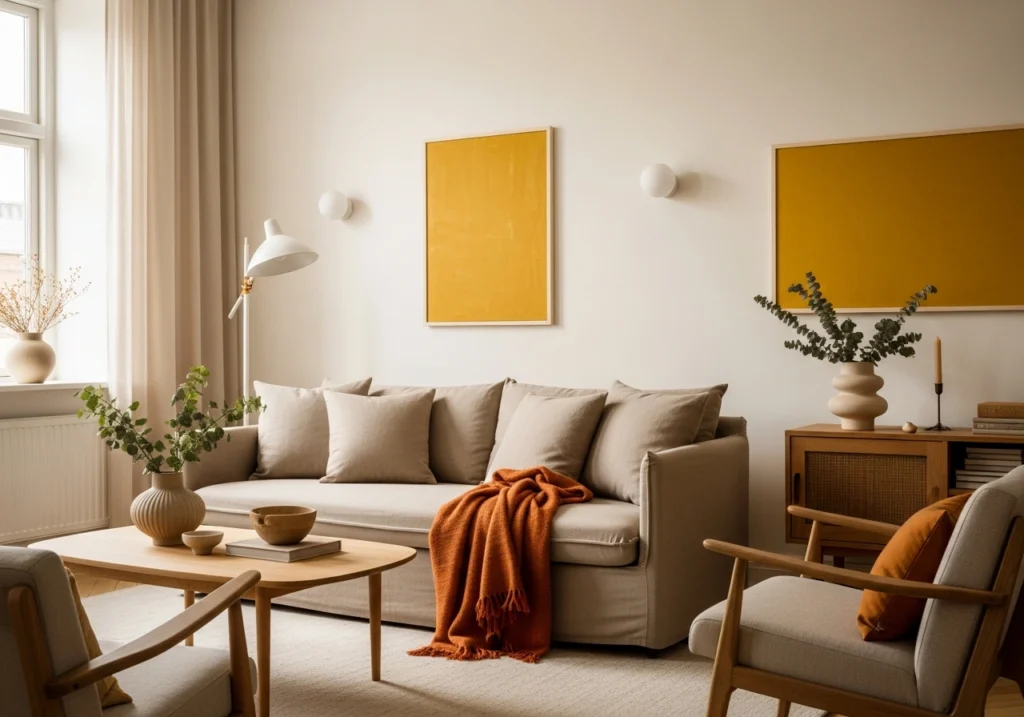
Warm colors & neutral tones: soothing and inviting is a fundamental hygge principle. Color psychology is real and powerful. Certain colors calm your nervous system. Others energize you. For hygge spaces, you want calm.
Warm neutrals form your foundation. Cream walls. Soft beige furniture. Warm gray accents. These colors don’t excite. They embrace. They wrap around you gently. Avoid cool grays and crisp whites as primary colors. These read as clinical rather than cozy.
Layer warm accent colors strategically. Terracotta throw pillows. Burnt orange artwork. Warm sage plants. Muted mustard lighting. These earthy tones evoke natural landscapes. They generate comfort without being jarring. They’re warm without being hot.
The key is harmonizing warm undertones throughout. Everything should feel part of one warm, natural palette. This doesn’t mean everything matches perfectly. Intentional mismatches create authenticity. A cream wall next to a warm taupe one. A beige couch with warm gray cushions. Cream curtains with burnt orange accents. These combinations feel intentional and cohesive.
Paint is incredibly affordable. A gallon of paint costs $20-40. It can transform an entire room. Choose warm colors. Look for paint labeled “warm white,” “cream,” “soft beige,” or “warm taupe.” Ask store associates for their warmest neutral options. One painted wall creates focal point interest. Multiple walls in warm tones create enveloping comfort.
Repurposing Items: Upcycling Furniture and Accessories
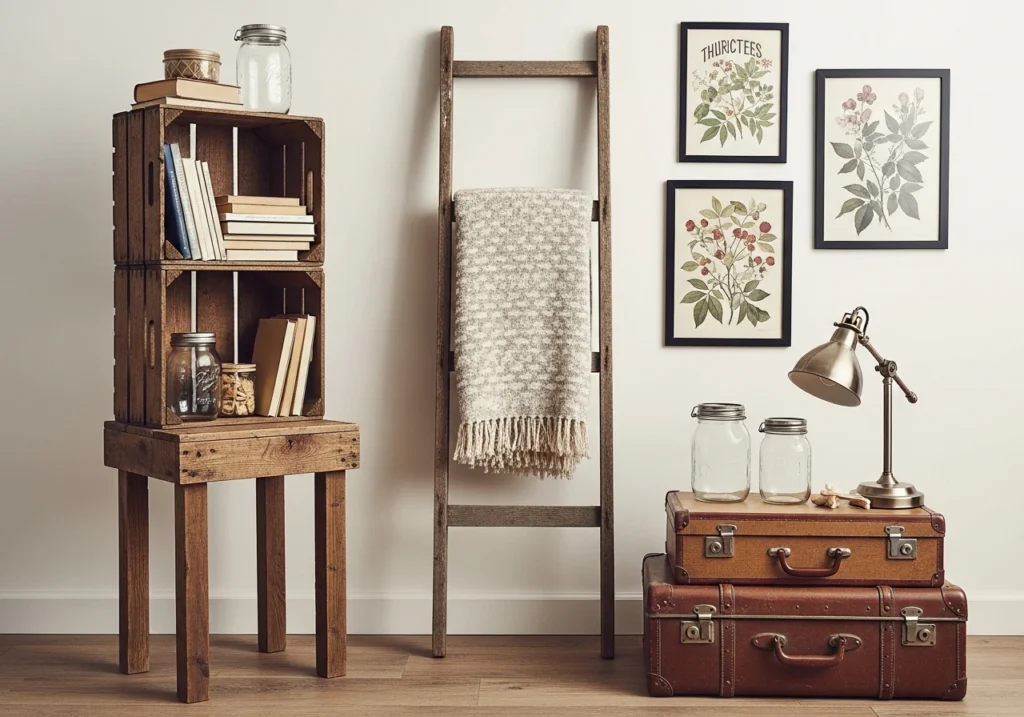
Secondhand markets overflow with treasure waiting for reinvention. This is where affordable hygge home decor truly shines. Old furniture gains new life with creativity and minor effort.
A $15 wooden dresser becomes a TV stand or coffee table. Wooden ladders become blanket holders. Glass jars become storage or candle holders. Vintage suitcases stack into bedside tables. Old picture frames hold pressed botanicals. Wooden crates become shelving. Fabric scraps become cushion covers. Doors become headboards. Windows become mirrors.
This creative repurposing extends budgets dramatically. It also infuses spaces with character. A handmade headboard from an old door holds more charm than a store-bought version. A blanket holder made from reclaimed ladder branches feels authentic. These pieces tell stories. They have history. This is what gives homes soul.
Thrift stores are treasure hunting grounds. Estate sales offer old furniture at low prices. Facebook Marketplace has endless secondhand options. Craigslist lists items people want gone. Sometimes they’re free if you pick them up. Start shopping secondhand before buying new. You’ll save money while creating more interesting spaces.
The key is seeing potential. That broken dresser could become shelving with sandpaper and paint. That old mirror could frame a wall corner beautifully. This vision comes naturally when you need to stretch budgets. Limited money sparks unlimited creativity.
Common Mistakes to Avoid in Hygge Decorating
Overcomplicating Design
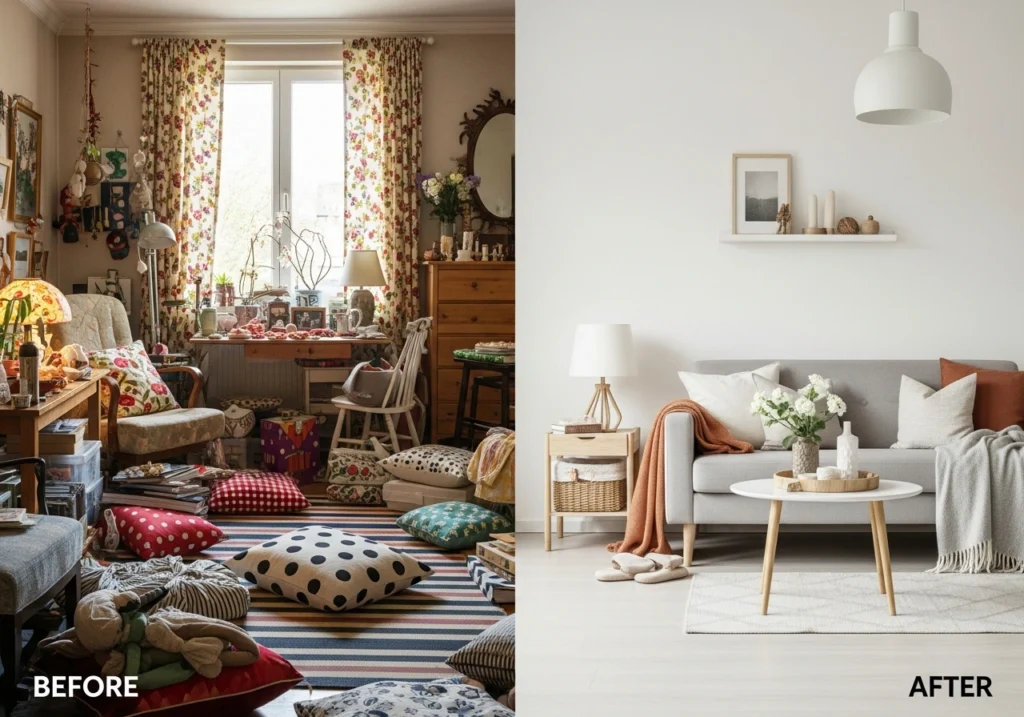
Hygge’s strength lies in simplicity. Many people fail because they try to incorporate everything at once. They fill every surface. They use every technique. They incorporate every trend. This creates busy, chaotic spaces that feel overwhelming rather than restful.
Resist the urge to do everything simultaneously. Choose one or two foundational elements. Maybe cozy lighting and soft textiles. Build from there slowly. Add gradually. Evaluate before expanding further. Patience yields better results than rushed overhauls.
Complexity paradoxically costs more money. Fewer, quality items cost less than many budget items. A room with five beautiful pieces looks more sophisticated than one with twenty cheap items. Simplicity also costs less. You’re buying less total. This works perfectly for budgets and aesthetics simultaneously.
Spending Unnecessarily on Expensive Items
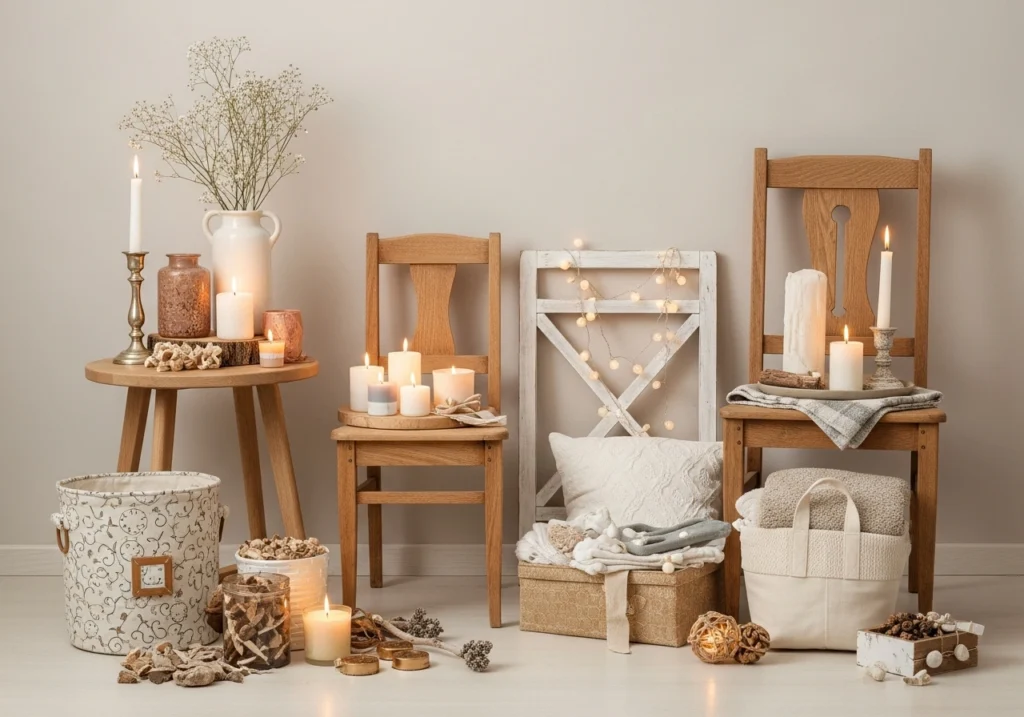
Affordable hygge home decor explicitly rejects the idea that comfort demands expensive purchases. A $50 candle doesn’t burn warmer than a $5 version. Premium furniture doesn’t guarantee comfort. Expensive paint isn’t better than budget paint. This mistake—equating expense with quality—ruins budgets.
Instead, prioritize intentionality. Spend thoughtfully on multipurpose pieces. Invest in comfort basics: chairs you genuinely enjoy sitting in, lighting that feels warm, textiles that feel good. Splurge on daily-use items. But recognize that warmth and coziness emerge from strategy, not expense.
Many of the world’s best-designed hygge spaces use predominantly budget materials. Thrifted furniture. Inexpensive lighting. DIY accessories. Paint and creativity. The secret isn’t money. It’s thoughtfulness.
Prioritizing Aesthetics Over Comfort
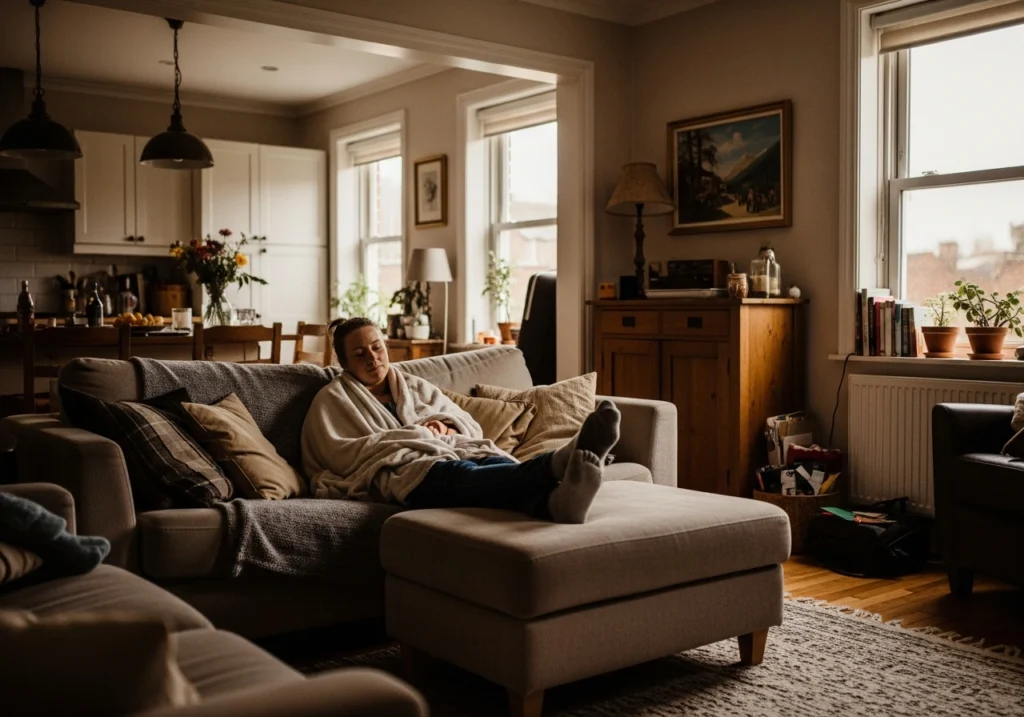
Instagram-perfect rooms often feel unwelcoming when you actually visit them. They’re designed for photography, not living. Hygge explicitly rejects aesthetic superiority over genuine comfort. Your couch should feel good to sit in, not just photograph well. Spaces should invite relaxation, not inspire admiration from uncomfortable distances.
This distinction matters profoundly. Choose comfort first. Optimize aesthetics within that framework. An overstuffed leather armchair that holds you perfectly beats minimalist designer seating that looks great but feels hard. Overstuffed cushions that cradle you beat minimal firmness. Worn-in texture beats pristine perfection.
If you hesitate to sit on your couch because it looks too nice, something’s wrong. Hygge spaces show evidence of actual living. Indentations in cushions. Worn spots from use. Marks from daily life. These signs of living are beautiful. They prove the space serves its purpose: comfort.
Budget Breakdown: Understanding Costs
When starting your hygge transformation, understanding costs helps you prioritize. Here’s a realistic budget breakdown for transforming one room affordably.
| Item | Budget Option | Estimated Cost |
|---|---|---|
| Paint (one wall) | DIY with budget paint | $20-30 |
| Lighting | Candles + fairy lights | $25-40 |
| Area rug | Thrifted or budget retailer | $30-60 |
| Throw blanket | Thrifted wool | $5-15 |
| Cushions (3) | Thrifted or budget retailer | $20-40 |
| Plant with pot | Small from garden center | $10-15 |
| Wooden accessories | Thrifted items | $10-20 |
| Storage baskets (2) | Budget natural fiber | $20-30 |
| Total | $140-250 |
This transforms a room completely. That’s one room, fully hygge-ified, for $250 or less. Many people spend that amount on single furniture pieces. Here you’re transforming an entire space.
Conclusion: Embracing Your Hygge Journey
Affordable hygge home decor proves that genuine warmth emerges from intention rather than investment. The Danish philosophy underlying hygge fundamentally rejects the idea that coziness requires luxury spending. Instead, it celebrates thoughtful choices, natural elements, soft textiles, and warm lighting. All are achievable within modest budgets.
Your sanctuary transformation happens gradually. Begin with cozy lighting. Layer soft textiles. Add natural elements. Embrace imperfection. Repurpose secondhand treasures. Remove unnecessary clutter. Mix textures intentionally. These small steps compound into genuinely transformative spaces where stress dissolves and contentment flourishes.
Hygge home decor on a budget ultimately celebrates this truth: the warmest, most inviting spaces aren’t those with the highest price tags. They’re spaces infused with intention, authenticity, and genuine comfort. Your sanctuary awaits. You don’t need to spend a fortune to create it. You simply need thoughtfulness, creativity, and the willingness to shop secondhand and DIY. These elements cost far less than money. They cost only your time and attention. The results? Priceless. Your home becomes a refuge. Your family gathers there naturally. Stress melts away. Connection deepens. This is hygge’s true power. This is why it matters. This is why people all over the world are embracing it.
Frequently Asked Questions About Affordable Hygge Home Decor
Q1: What is the easiest way to make my home hygge on a budget?
A1: Start with these three foundational elements: cozy lighting, soft textiles, and natural elements. These three create maximum impact with minimum cost. Purchase candles and warm-bulb lamps. Thrift blankets and cushions. Add plants and wooden accessories. These basics cost under $100 total yet completely transform how your space feels. Add more elements gradually as budget allows.
Q2: Can hygge decor work in small apartments?
A2: Absolutely, small spaces excel at hygge. Intimacy naturally follows limited square footage. Use multifunctional furniture: ottomans providing storage and seating. Create cozy corners: dedicated reading nooks with layered lighting and cushions. Vertical storage through floating shelves maximizes space while displaying meaningful objects. Small apartments require intentional curation, which perfectly aligns with hygge philosophy. Limited space forces the minimalist, intentional approach that makes hygge authentic.
Q3: Do I need to buy expensive items to create a hygge look?
A3: No. Authentic hygge home decor emerges from thoughtful strategy, not financial expenditure. Affordable lighting, DIY projects, and budget-friendly soft fabrics create genuine coziness. Thrifted furniture often possesses more character than new pieces. Secondhand textiles frequently have superior quality to modern budget alternatives. Repurposed items often feel more authentic than anything you could purchase new. Intention matters infinitely more than investment amount.
Q4: Which colors work best for a hygge home?
A4: Warm neutrals form your foundation: cream, warm beige, soft taupe, warm gray. These calm your nervous system naturally. Layer warm accent colors: terracotta, burnt orange, warm sage, muted mustard. These earthy tones evoke natural landscapes and generate psychological comfort. Avoid cool grays and crisp whites as primary colors. They read as clinical rather than cozy. Warm undertones throughout create cohesive, soothing atmospheres that feel genuinely inviting and peaceful.
Q5: Where should I start if I’m completely new to hygge design?
A5: Begin with your favorite room. Start with just lighting: purchase candles and one warm-bulb lamp. Use these for one week. Notice how the room feels. Next, add one soft textile: a thrifted throw blanket. Drape it on seating. Notice the difference. Add one plant. One cushion. One piece of wooden decor. Build gradually. This slow approach costs less and helps you develop your personal hygge style. You’ll understand what works for you before investing significantly.
Q6: How do I prevent my hygge space from looking cluttered?
A6: Embrace minimalism within your coziness. Every item should spark joy or serve clear purpose. Display fewer items more intentionally. Arrange books with some standing, some stacked. Group plants together rather than scattering them. Use storage baskets to hide clutter beautifully. Keep surfaces relatively clear. Let empty space breathe. Clutter and hygge work against each other. One cluttered surface ruins the feeling of an entire room. Keep organization intentional and visible.
Final Thoughts: Your Hygge Home Awaits
Creating affordable hygge home decor isn’t complex. It’s not expensive. It’s not difficult. It requires only your intention. Decide that your home matters. Decide that comfort matters. Decide that authenticity matters more than perfection. Then take small steps. One candle. One blanket. One plant. Then another. And another. Before you know it, your home has transformed. People will walk in and immediately feel welcome. They’ll ask what you did differently. You’ll smile because you know the secret: thoughtfulness beats spending. Intention beats investment. Warmth beats everything else. Welcome to your hygge home. It’s waiting for you.