How to Make a Calm Hygge Reading Corner for Ultimate Relaxation
Creating a sanctuary within your home transforms daily life. A hygge reading corner offers escape from chaos and stress. This dedicated space becomes your personal retreat for unwinding after exhausting days. The Danish concept of hygge emphasizes warmth, comfort, and contentment through intentional design. Americans increasingly embrace this philosophy to combat modern life’s relentless pace. Your cozy reading corner doesn’t require extensive renovations or expensive furniture purchases. Simple adjustments create profound impacts on mental well-being and relaxation capacity. This comprehensive guide walks you through every step of designing the perfect peaceful reading corner tailored to your unique needs and preferences.
What Is a Hygge Reading Corner and Why It Promotes Relaxation
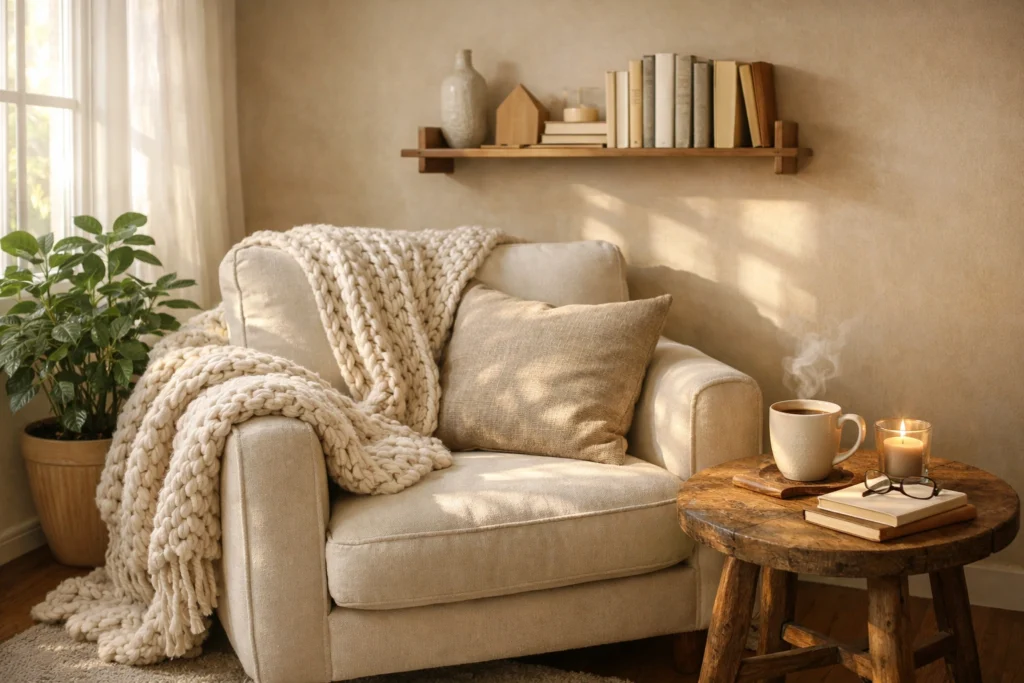
The term “hygge” originates from Norwegian and Danish cultures, pronounced “hoo-ga” for English speakers. This philosophy celebrates life’s simple pleasures through mindful living decor and intentional comfort. A hygge reading corner combines these principles with functional design for literary enjoyment. Unlike standard seating areas, these spaces prioritize emotional nourishment alongside physical comfort. The Danes consistently rank among the world’s happiest populations despite harsh winters and limited daylight. Their secret lies partly in creating cozy reading corners that combat seasonal darkness and isolation. Research from environmental psychology demonstrates how designated relaxation zones reduce cortisol levels significantly. Your brain associates specific locations with particular activities through classical conditioning processes. When you establish a quiet reading nook, your nervous system automatically shifts toward rest mode upon entering. This relaxing atmosphere at home triggers parasympathetic responses that lower heart rate and blood pressure naturally.
you may also like this:How To Start A Slow Living Home — One Room At A Time
Studies published in the Journal of Environmental Psychology reveal fascinating insights about personal quiet spaces. Participants with dedicated relaxation areas reported 34% lower stress levels compared to control groups. The act of physically moving to your home reading corner setup creates psychological distance from daily pressures. Your mind interprets this transition as permission to disconnect from responsibilities temporarily. Furthermore, comfortable reading areas encourage longer engagement with books, which independently reduces anxiety through narrative transportation. Neuroscientists discovered that reading fiction activates empathy centers while simultaneously calming overactive threat-detection systems. The combination of environmental design and literary immersion produces compounding relaxation benefits. Americans working from home particularly benefit from clear spatial boundaries between productivity and leisure. Your indoor reading space becomes a visual reminder that rest deserves equal priority as work.
Understanding the Danish Philosophy of Hygge
Danish culture prioritizes “hygge” as essential to survival through long, dark winters that span October through March. This approach values presence over productivity and quality over quantity in all life aspects. Hygge encompasses warm neutral colors, soft lighting for reading, natural materials, and meaningful social connections. The philosophy rejects perfectionism in favor of authentic comfort and genuine contentment. Modern interpretations adapt these principles for American lifestyles while maintaining core values of coziness.
The Psychological Benefits of Dedicated Reading Sanctuaries
Environmental psychologists confirm that dedicated spaces strengthen habit formation through location-based cues. Your book nook ideas transform into powerful mental health tools when consistently associated with relaxation. The brain’s hippocampus creates spatial memories linking your cozy reading corner with positive emotional states. Returning to this space repeatedly reinforces neural pathways that facilitate quicker stress reduction over time.
Benefits of Creating a Calm Reading Space at Home

Establishing a relaxing reading space delivers measurable improvements across multiple life dimensions simultaneously. Mental health professionals increasingly recommend environmental modifications as first-line interventions for anxiety management. Your hygge reading corner provides a controlled sensory environment that minimizes overstimulation from modern life. Unlike meditation apps or breathing exercises alone, physical spaces offer tangible reminders of self-care commitments. The investment in creating this sanctuary pays dividends through improved sleep quality and enhanced focus. People with designated relaxation zones report reading 40% more books annually than those without such spaces. This increased reading frequency correlates with expanded vocabulary, improved empathy, and reduced dementia risk later in life.
Calming home decor choices within your peaceful reading corner influence mood through color psychology and tactile comfort. Soft textures activate pressure receptors that release oxytocin, often called the “bonding hormone.” This neurochemical reduces stress while promoting feelings of safety and contentment naturally. Additionally, your quiet reading nook ideas materialize abstract self-care intentions into concrete daily practices. The visible presence of your small reading nook design serves as constant encouragement to prioritize mental restoration. Financial benefits emerge through reduced entertainment spending as home-based relaxation replaces costly outings. Real estate agents note that well-designed cozy reading corners increase property appeal and perceived value during showings.
Mental Health Advantages of Your Personal Retreat
Clinical psychologists recognize environmental interventions as effective tools for managing generalized anxiety disorder symptoms. Your minimalist reading corner provides controlled exposure to calming stimuli without pharmaceutical side effects. The ritual of retreating to this space activates anticipatory relaxation responses before you even begin reading. Patients report that dedicated comfortable reading areas help establish boundaries between work stress and personal restoration time effectively.
Lifestyle Improvements Through Intentional Design
Behavioral scientists confirm that environmental design influences habits more powerfully than willpower alone. Your home reading corner setup eliminates friction points that previously discouraged regular reading practice. Studies show people use their cozy reading corners 73% more frequently when located in high-traffic areas versus isolated rooms. This accessibility transforms reading from occasional activity into ingrained daily ritual through reduced effort requirements.
Choosing the Perfect Spot for Your Hygge Reading Corner
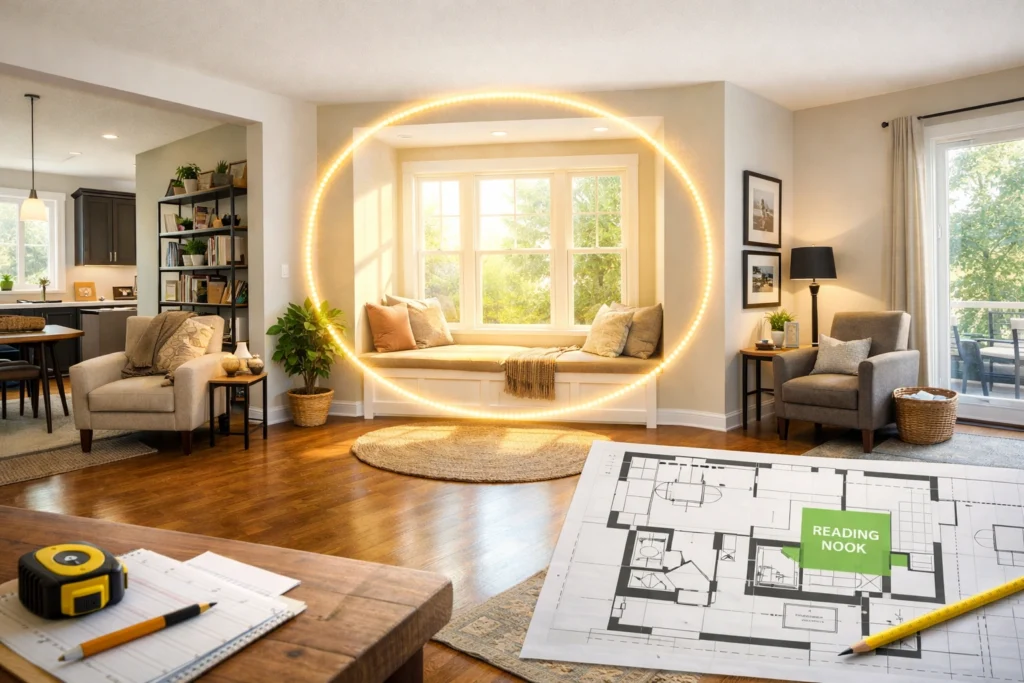
Location selection determines your hygge reading corner’s long-term success more than any other single factor. Ideal placements balance accessibility with sufficient separation from household chaos and distractions. Natural lighting significantly impacts both reading comfort and circadian rhythm regulation throughout the day. Southern-facing windows provide consistent illumination in the Northern Hemisphere without harsh afternoon glare. However, natural light reading spaces require adjustable window treatments to prevent eye strain during peak sun hours. Privacy considerations matter equally, as your personal quiet space loses effectiveness when constantly interrupted by foot traffic.
Acoustic environments dramatically affect concentration capacity and immersion quality during reading sessions. High-traffic zones near kitchens, televisions, or front doors create cognitive interference that fragments attention. Corner placements naturally buffer noise from two directions while maximizing available wall space for shelving. Structural features like alcoves, bay windows, or unused closets offer pre-defined boundaries requiring minimal modification. Temperature stability matters more than most people realize, as cold drafts or excessive heat disrupt comfort quickly. Proximity to heating vents or exterior walls requires consideration when finalizing your quiet reading nook ideas implementation.
Evaluating Natural Light and Window Placement
Architecture significantly influences lighting quality throughout different seasons and times of day. Northern Hemisphere residents should prioritize south or west-facing windows for maximum natural illumination during darker months. However, summer afternoons might deliver overwhelming brightness requiring blackout curtains or adjustable shades for temperature control. Calculate sun angles using smartphone apps that predict seasonal light patterns before committing furniture to specific positions permanently.
Noise Levels and Traffic Flow Considerations
Acoustic testing using decibel meter apps reveals surprising sound transmission patterns within homes that impact relaxation potential. Rooms above garages or near laundry facilities experience intermittent disruptions that fragment reading focus unconsciously. Strategic placement behind staircases or within converted closets creates natural sound barriers without requiring expensive acoustic treatments. White noise machines or fountain features mask remaining ambient sounds when complete silence proves unattainable.
Essential Furniture for a Cozy Reading Nook
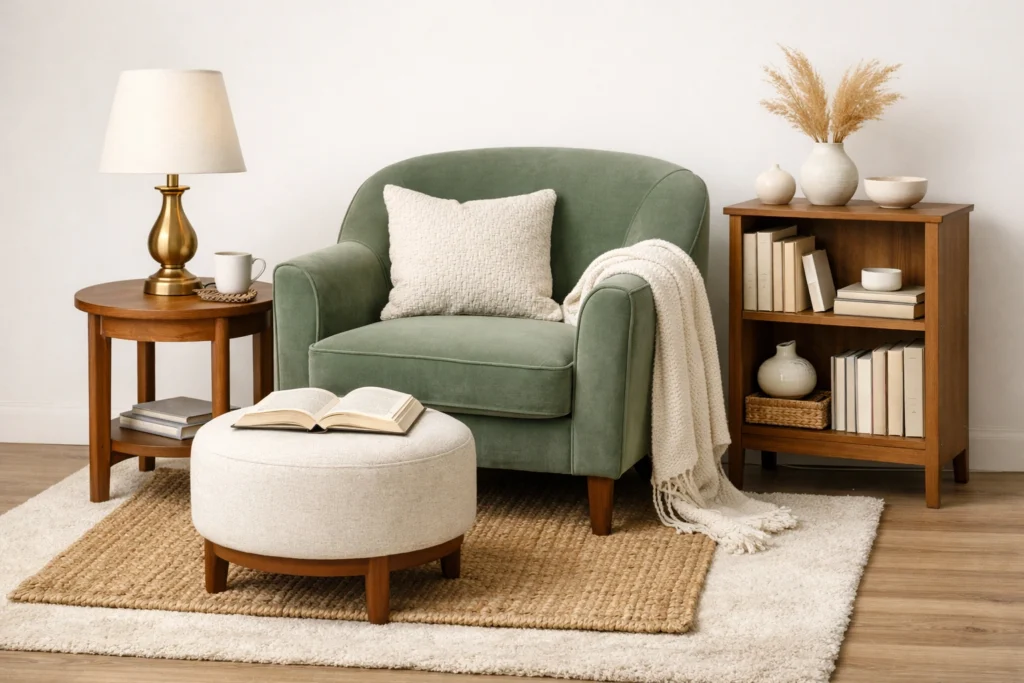
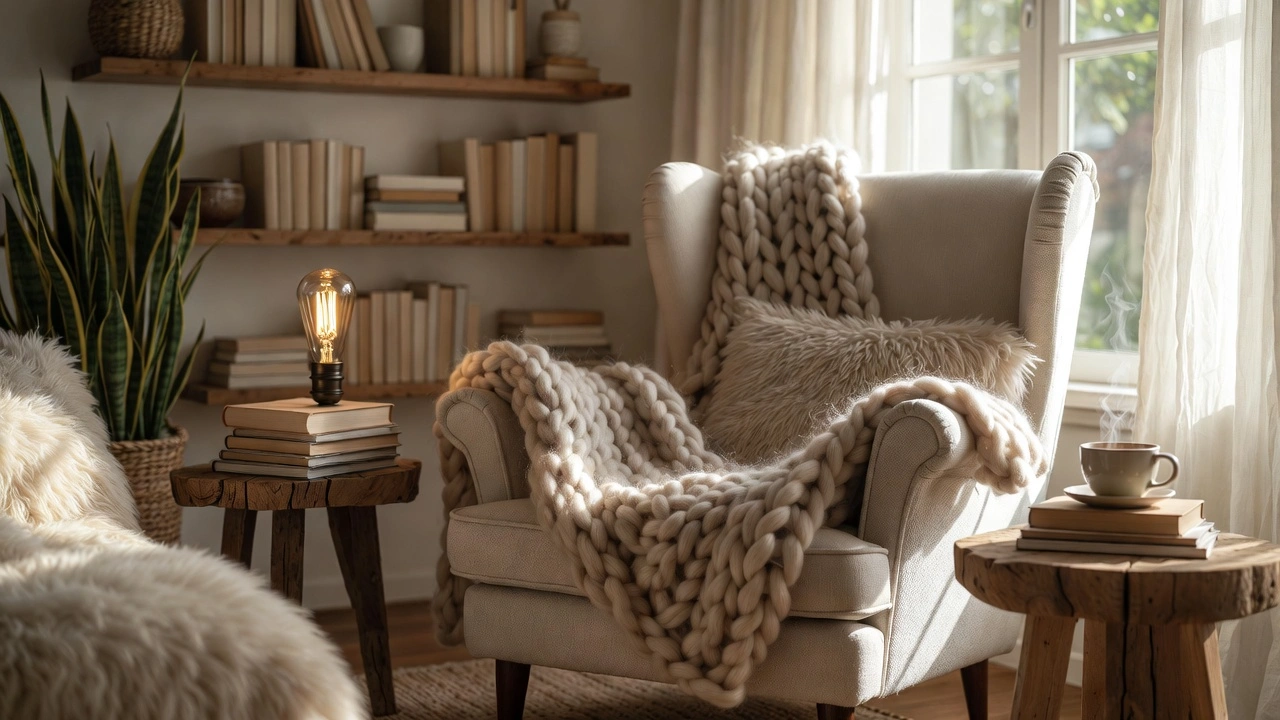
Seating selection represents the most critical furniture decision impacting your comfortable reading area’s long-term usability. Comfortable seating ideas range from plush armchairs to floor cushions depending on personal preference and physical needs. Ergonomic support prevents back pain and neck strain during extended reading marathons that stretch beyond planned durations. Quality chairs accommodate various reading positions including upright focus posture and relaxed lounging angles without sacrificing support. Fabric choices influence both aesthetic cohesion and practical maintenance requirements over years of regular use. Velvet provides luxurious softness but attracts pet hair, while linen offers breathability and easy cleaning capabilities.
Scale proportions require careful consideration relative to available floor space and surrounding furniture arrangements. Oversized chairs overwhelm small reading nook designs, creating cramped feelings that contradict relaxation objectives entirely. Conversely, undersized seating appears lost in spacious rooms and fails to command appropriate attention as focal point. Side tables serve dual purposes by providing beverage stability and accessible storage for reading glasses or bookmarks. Height alignment between chair arms and table surfaces prevents awkward reaching that disrupts reading flow repeatedly. Integrated storage solutions maximize functionality within compact footprints through built-in shelving or hidden compartments beneath seats.
| Seating Option | Best For | Price Range | Comfort Duration | Space Required |
|---|---|---|---|---|
| Wingback Armchair | Traditional aesthetics | $400-$1,500 | 3-4 hours | 4′ x 4′ |
| Chaise Lounge | Full-body relaxation | $600-$2,000 | 2-3 hours | 6′ x 3′ |
| Floor Cushions | Minimalist reading corners | $50-$200 | 1-2 hours | 3′ x 3′ |
| Window Seat | Built-in solutions | $800-$3,000 | 2-4 hours | Varies by window |
| Papasan Chair | Bohemian styles | $150-$400 | 2-3 hours | 5′ diameter |
| Rocking Recliner | Mobility issues | $500-$2,500 | 4+ hours | 5′ x 4′ |
Selecting the Right Chair or Seating Option
Physical health conditions dictate seating requirements more than aesthetic preferences for long-term satisfaction and usability. Individuals with chronic back pain benefit from lumbar-supportive designs that maintain natural spine curvature throughout extended sessions. Elderly readers or those with mobility limitations require chairs with higher seat heights and sturdy armrests for assistance. Test furniture in-store for minimum thirty minutes before purchasing to assess true comfort beyond initial impressions.
Side Tables and Storage Solutions
Functional accessories enhance your book nook ideas without cluttering limited square footage unnecessarily. C-shaped tables slide under chair arms to position surfaces directly over your lap for maximum convenience. Tiered designs accommodate multiple items simultaneously including beverages, reading devices, and decorative elements that personalize spaces. Hidden storage compartments maintain the decluttered corner setup essential for sustained mental clarity and visual tranquility.
Soft Lighting Ideas to Create a Warm Hygge Atmosphere

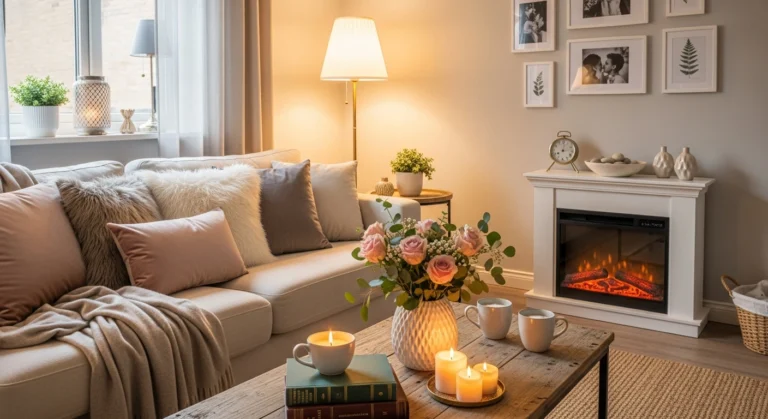
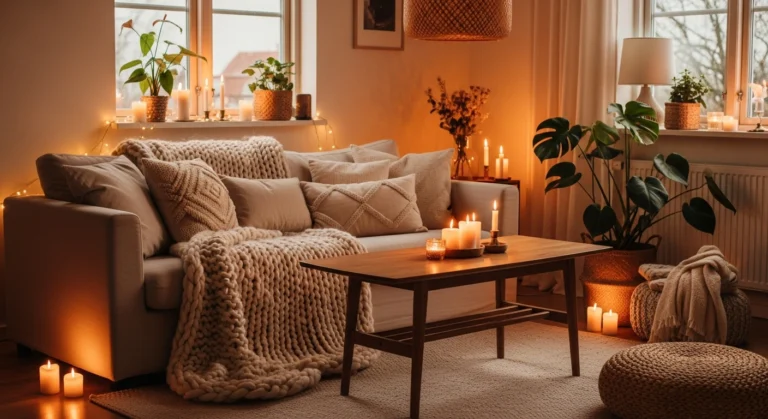
Illumination design transforms ordinary corners into extraordinary sanctuaries that beckon you toward relaxation consistently. Soft lighting for reading prevents eye strain while creating ambient warmth that encourages prolonged engagement with literature. Layered lighting strategies incorporate three distinct types serving separate functions throughout different times and activities. Ambient lighting provides overall room illumination without harsh shadows or glaring bright spots that cause discomfort. Task lighting delivers focused brightness directly onto reading materials preventing squinting or leaning forward unnaturally. Accent lighting adds atmospheric depth through decorative elements like string lights or candles that enhance mood.
Color temperature measured in Kelvin significantly impacts circadian rhythms and perceived warmth within your relaxing reading space. Warm white bulbs ranging from 2700K to 3000K mimic sunset tones that signal relaxation to biological systems. Cool blue-spectrum lighting above 4000K suppresses melatonin production and maintains alertness contrary to evening relaxation goals. Dimmer switches provide infinite adjustment capabilities matching lighting intensity to natural daylight patterns throughout the day. Smart bulbs offer programmable schedules that automatically adjust brightness and color temperature without manual intervention daily.
Layered Lighting Strategies for Maximum Comfort
Professional interior designers recommend combining overhead fixtures with multiple supplementary sources positioned at varying heights strategically. This approach eliminates harsh shadows while providing flexibility to customize illumination based on specific reading materials. Glossy magazine pages require less intense lighting compared to small-print novels that demand brighter task illumination. Adjustable floor lamps with articulating arms direct light precisely where needed without illuminating entire rooms unnecessarily.
Lamp Styles That Enhance the Hygge Aesthetic
Aesthetic coherence between lighting fixtures and overall design themes strengthens visual harmony that subconsciously enhances relaxation. Natural materials like wood bases, linen shades, and ceramic bodies align perfectly with hygge principles favoring organic elements. Edison bulbs emit warm amber glows reminiscent of candlelight without open flame hazards or scent sensitivities. Himalayan salt lamps purportedly release negative ions that improve air quality while providing gentle peachy illumination aesthetically.
Comfort Elements: Cushions, Throws, and Textures

Tactile comfort rivals visual aesthetics in importance when designing your ultimate cozy reading corner for sustained use. Cozy blankets and cushions activate pressure receptors throughout the body that trigger oxytocin release and stress reduction. Layering multiple textures creates sensory richness that engages touch in ways that enhance overall relaxation experiences. Chunky knit throws provide substantial weight similar to weighted blankets that calm anxious nervous systems effectively. Faux fur additions deliver luxurious softness against bare skin during summer reading sessions in shorts and tank tops.
Material selection balances aesthetic preferences with practical maintenance requirements that determine long-term satisfaction levels. Natural fibers like cotton and linen offer breathability preventing overheating during warmer months when blankets remain desired. Synthetic microfibers resist staining and tolerate frequent washing better than delicate wool or cashmere alternatives. Hypoallergenic fill materials accommodate sensitive individuals prone to reactions from down feathers or certain fabric treatments. Removable covers with hidden zippers facilitate regular laundering that maintains freshness without replacing entire cushions repeatedly.
| Textile Type | Warmth Level | Maintenance | Texture Feel | Price Point | Durability |
|---|---|---|---|---|---|
| Chunky Knit | High | Dry clean | Substantial | $80-$200 | Medium |
| Faux Fur | Medium | Machine wash cold | Plush | $40-$150 | Medium |
| Fleece | High | Machine wash warm | Soft | $20-$60 | High |
| Linen | Low | Machine wash hot | Crisp | $60-$180 | Very High |
| Velvet | Medium | Spot clean | Luxurious | $70-$250 | Medium |
| Cotton Waffle | Medium | Machine wash warm | Textured | $30-$100 | High |
Selecting Plush Textiles for Ultimate Coziness
Seasonal rotation strategies maintain freshness while adapting your comfortable reading area to changing temperature needs throughout the year. Summer months benefit from lightweight cotton throws that provide psychological comfort without excessive heat retention. Winter demands heavier wool blends or fleece options that cocoon readers against drafty windows and cold floors. Storage solutions for off-season textiles include vacuum-sealed bags that compress bulky items while protecting against dust and pests.
Pillow Arrangements and Lumbar Support
Ergonomic considerations prevent physical discomfort that interrupts reading flow and creates negative associations with your sanctuary space. Lumbar pillows maintain natural spine curvature preventing lower back pain during extended sessions lasting multiple hours. Bolster cushions elevate knees reducing pressure on sciatic nerves for readers preferring reclined positions while engaging literature. Firm versus soft fill preferences vary individually requiring personal experimentation to identify optimal support combinations.
Calming Color Palettes for a Relaxing Reading Corner
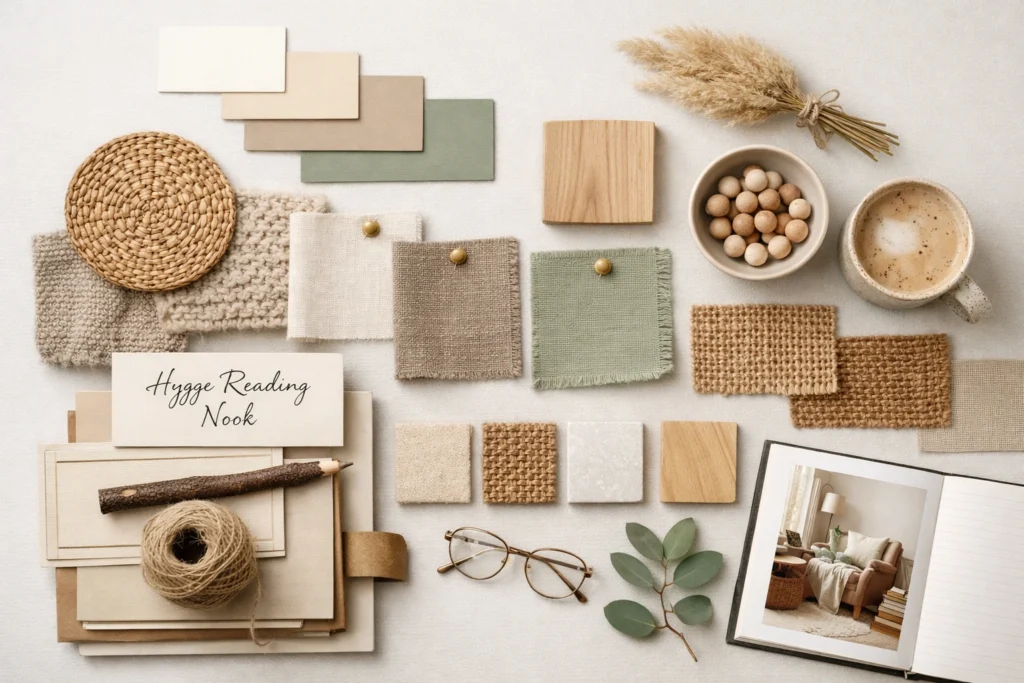
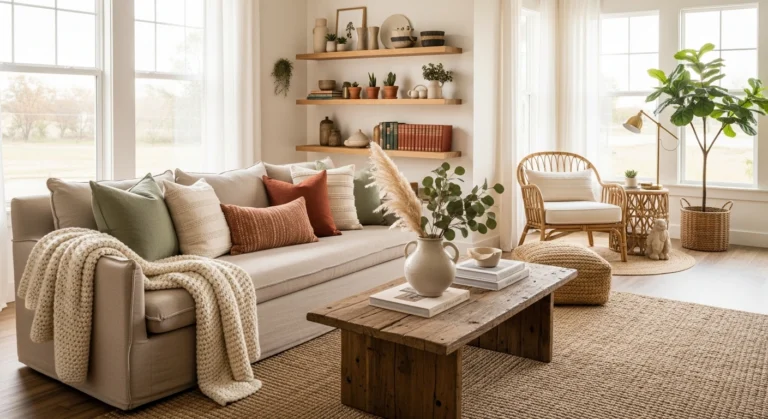
Color psychology profoundly influences emotional states and stress levels within interior environments more than most realize. Warm neutral colors form ideal foundations for hygge reading corners by creating visual tranquility without sterile coldness. Beige, taupe, greige, and soft whites reflect light beautifully while serving as versatile backdrops for accent additions. These shades psychologically recede allowing eyes to rest rather than constantly processing high-contrast or saturated hues. Scandinavian design principles favor monochromatic schemes with subtle tonal variations creating depth without visual complexity.
Earth tones connect interior spaces with natural outdoor environments that humans instinctively find calming and restorative. Terracotta, sage green, dusty blue, and warm gray evoke landscapes that reduce cortisol through biophilic associations. The 70-20-10 rule guides balanced color distribution preventing overwhelming dominance by any single shade. Seventy percent covers walls and large furniture in neutral foundations establishing overall mood cohesively. Twenty percent introduces secondary colors through medium-sized elements like curtains, rugs, or upholstery fabric selections. Ten percent reserves for accent pops via decorative pillows, artwork, or small accessories that add personality without chaos.
Neutral Foundations That Promote Tranquility
Paint finish selection impacts light reflection and perceived warmth significantly beyond mere color choice considerations. Matte finishes absorb light creating cozy intimacy while hiding wall imperfections that distract perfectionists unnecessarily. Eggshell or satin sheens offer subtle luminosity that brightens spaces without harsh glare reflecting off smooth surfaces. Off-white shades with warm undertones prevent clinical coldness associated with pure white that feels institutional rather than residential.
Accent Colors That Add Warmth Without Overstimulation
Strategic accent placement directs attention toward focal points like reading chairs or shelving displays showcasing favorite book collections. Blush pink introduces gentle femininity without overwhelming sweetness that becomes cloying over time through excessive exposure. Ochre yellow adds sunshine warmth reminiscent of afternoon light filtering through sheer curtains onto hardwood floors. Seasonal rotations through accent pillows and throws refresh visual interest without requiring permanent commitments to specific palettes.
Adding Natural Elements for a Peaceful Hygge Feel
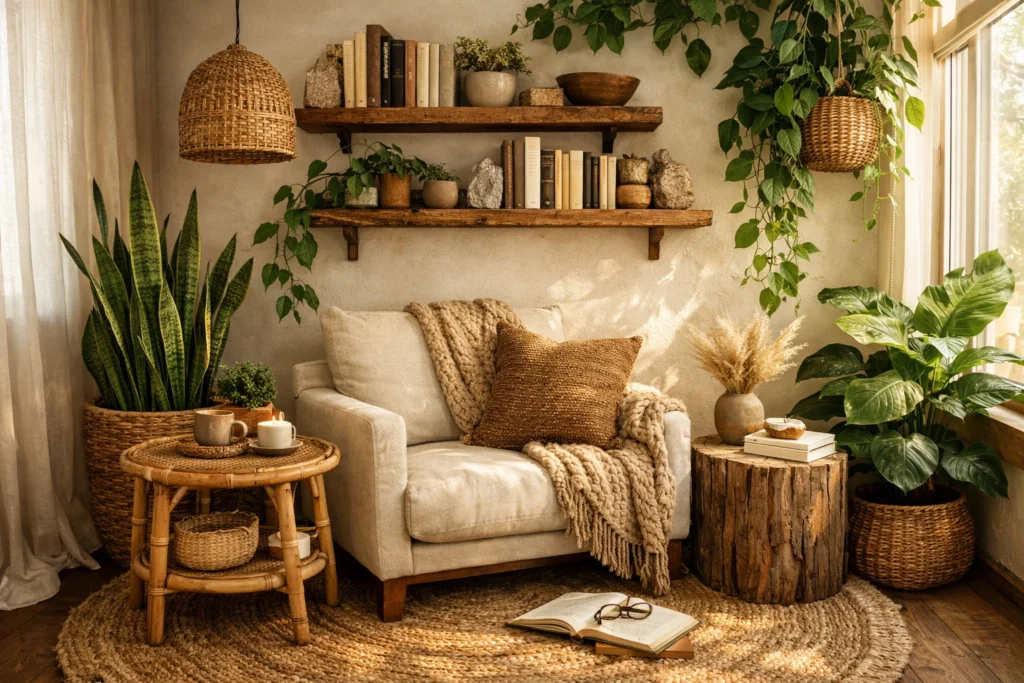
Biophilic design integrates natural elements that satisfy innate human needs for connections with living systems and organic materials. Indoor reading spaces incorporating plants demonstrate measurably lower stress levels and improved air quality compared to sterile environments. Greenery adds visual interest through varied shapes and textures while requiring minimal floor space in vertical arrangements. Low-maintenance varieties thrive despite occasional neglect during busy periods when reading itself becomes rare luxury.
Wood introduces warmth and authenticity that synthetic materials cannot replicate regardless of manufacturing quality or price points. Reclaimed barn wood shelving tells stories through weathered patina and visible grain patterns that mass-produced items lack. Bamboo accessories offer sustainable alternatives that grow rapidly without chemical treatments or environmental degradation concerns. Stone accents through bookends, coasters, or decorative objects ground spaces literally and metaphorically with substantial weight and permanence.
| Natural Element | Biophilic Benefit | Maintenance Level | Cost Range | Best Placement |
|---|---|---|---|---|
| Pothos Plant | Air purification | Very Low | $10-$30 | Hanging basket |
| Snake Plant | Oxygen production | Very Low | $15-$50 | Floor corner |
| Reclaimed Wood Shelf | Warmth, character | None | $100-$400 | Wall-mounted |
| Jute Rug | Texture, acoustics | Low | $60-$250 | Under chair |
| Bamboo Side Table | Sustainability | Low | $80-$200 | Beside chair |
| River Rock Bookends | Grounding presence | None | $25-$75 | On shelves |
Incorporating Plants for Biophilic Design
Indoor gardening success depends on matching plant species with available light conditions and realistic care commitments. Snake plants tolerate neglect and low light making them foolproof choices for forgetful readers absorbed in captivating novels. Pothos vines cascade beautifully from hanging baskets positioned near windows providing vertical interest without consuming floor space. Faux alternatives suit individuals with allergies or chronic plant-killing tendencies desiring greenery’s visual benefits without responsibility.
Wood, Stone, and Organic Materials
Texture variety prevents visual monotony while engaging multiple senses simultaneously for richer environmental experiences overall. Smooth stone surfaces contrast beautifully against rough-hewn wood grain creating tactile interest that invites exploration through touch. Wool rugs absorb sound reducing echo in hardwood-floored rooms while providing cushioning underfoot during barefoot reading sessions. Natural fiber baskets corral throws and extra pillows maintaining organization without plastic storage bins that undermine aesthetic cohesion.
Minimalist Decor Tips for a Clutter-Free Reading Space
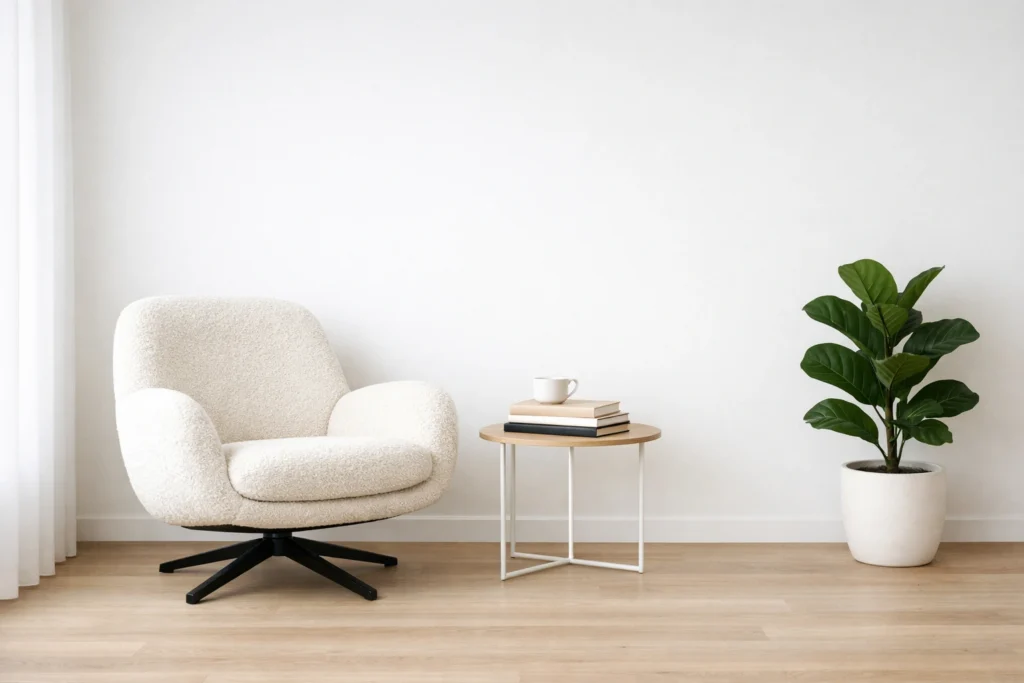
Visual clutter generates mental clutter that undermines relaxation objectives by keeping cognitive systems engaged in processing unnecessary stimuli. Decluttered corner setups allow eyes to rest and minds to focus exclusively on literature rather than surroundings. Danish minimalism principles emphasize intentional ownership where every item serves clear purposes or provides genuine joy. This philosophy rejects accumulation for accumulation’s sake favoring carefully curated collections over abundant possessions requiring constant organization.
Negative space functions as active design element rather than empty void needing constant filling with decorative objects. Breathing room around furniture and accessories prevents cramped feelings that trigger anxiety rather than alleviating it effectively. Rotating seasonal displays maintains freshness without permanent commitment to extensive decoration schemes requiring dusting and maintenance indefinitely. Closed storage conceals everyday necessities like charging cables, reading glasses, and bookmarks preventing visual chaos while maintaining accessibility.
The “Less Is More” Philosophy in Hygge Design
Intentional curation transforms your peaceful reading corner into highly personal sanctuary reflecting individual values and authentic preferences. Quality trumps quantity consistently within hygge philosophy favoring one perfect chair over multiple mediocre seating options. Investment pieces purchased deliberately after careful consideration provide lasting satisfaction exceeding trendy items bought impulsively during sales. Sentimental objects earn their places through meaningful connections rather than merely filling available shelf space indiscriminately.
Smart Storage Solutions to Hide Everyday Items
Ottoman storage combines seating flexibility with concealed compartments perfectly suited for housing seasonal throw rotations efficiently. Built-in shelving maximizes vertical space utilization without consuming valuable floor area needed for comfortable furniture placement. Drawer organizers prevent small items like bookmarks, highlighters, and reading glasses from creating visual clutter atop surfaces. Cable management systems route device chargers behind furniture maintaining clean sightlines essential for mental clarity and relaxation.
How to Personalize Your Cozy Reading Corner
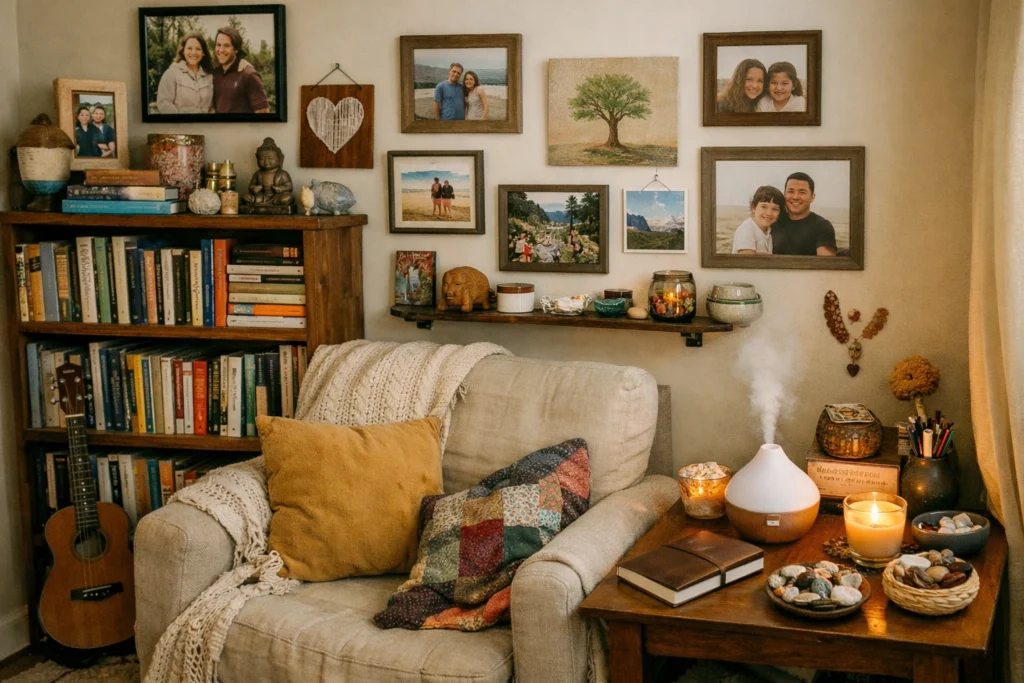
Personalization transforms generic quiet reading nook ideas into deeply meaningful sanctuaries that resonate with individual histories and values. Meaningful objects trigger positive memories and emotions that compound relaxation benefits beyond environmental design alone. Family photographs in simple frames connect present moments with cherished past experiences without overwhelming spaces with excessive imagery. Travel souvenirs from significant journeys remind you of adventures and accomplishments reinforcing positive self-concepts during challenging periods.
Artwork selection reflects personal taste rather than following prescriptive design rules that feel inauthentic and emotionally hollow. Original pieces from local artists support communities while ensuring unique displays unavailable through mass-market retailers. Rotating gallery walls maintain visual freshness accommodating evolving preferences without permanent commitments to specific pieces indefinitely. Handmade items from loved ones carry sentimental value that purchased alternatives cannot replicate regardless of monetary cost.
Displaying Meaningful Objects and Mementos
Strategic placement ensures personal items enhance rather than clutter your cozy reading corner through thoughtful arrangement and restraint. Shadow boxes protect delicate mementos from dust while creating three-dimensional displays adding depth to flat wall surfaces. Floating shelves showcase favorite book collections alongside decorative objects without bulky furniture consuming floor space unnecessarily. Seasonal rotations prevent stagnation maintaining engagement with displayed items rather than allowing them to fade into invisible background.
Creating a Signature Scent Experience
Olfactory memories prove more powerful and enduring than visual or auditory associations making scent selection particularly impactful. Essential oil diffusers provide customizable aromatherapy without smoke or artificial fragrances that trigger sensitivities in many individuals. Lavender reduces anxiety and promotes sleep making it ideal for evening reading sessions before bedtime routines. Vanilla evokes warmth and comfort through subconscious associations with baking and childhood memories universally. Sandalwood grounds scattered thoughts while promoting meditative focus during philosophical or spiritual reading material engagement.
Budget-Friendly Ways to Create a Hygge Reading Nook
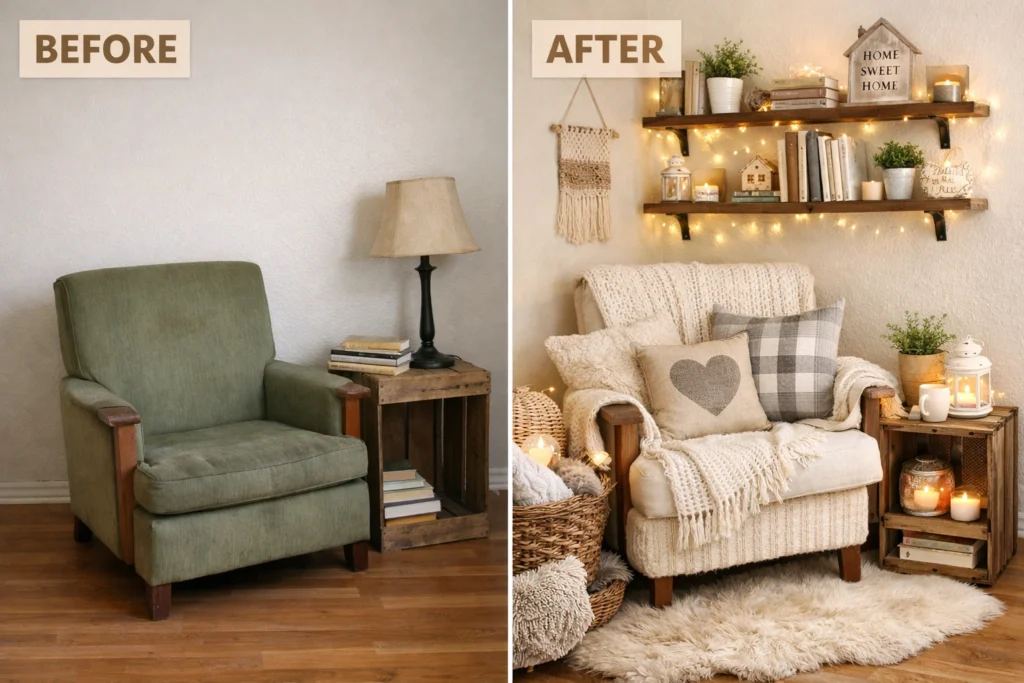
Financial constraints need not prevent creating your dream relaxing reading space through creative resourcefulness and strategic prioritization. Secondhand marketplaces offer quality furniture at fractions of retail prices requiring patience and regular monitoring for ideal pieces. Estate sales provide opportunities to acquire solid wood furniture crafted before planned obsolescence became manufacturing standard. Thrift stores stock decorative accessories like throw pillows, blankets, and lighting fixtures requiring minor cleaning or repairs.
DIY projects personalize spaces affordably while developing skills and creating deeper connections with your home reading corner setup. Painted wooden crates stacked creatively function as rustic side tables or bookshelves without expensive custom carpentry. Fabric remnants from sewing stores transform into custom throw pillows matching exact color schemes at minimal cost. Macramé plant hangers require only cord and basic knotting knowledge accessible through free online tutorials and videos.
| Budget Strategy | Potential Savings | Time Investment | Skill Required | Result Quality |
|---|---|---|---|---|
| Thrift Store Finds | 60-80% | Medium | None | Varies |
| DIY Cushions | 50-70% | Low | Basic sewing | High |
| Furniture Refinishing | 70-85% | High | Medium | Very High |
| Dollar Store Decor | 40-60% | Low | None | Medium |
| Curbside Pickups | 90-100% | Medium | Medium | Varies |
| Fabric Remnants | 75-90% | Low | Basic sewing | High |
Thrift Store and Secondhand Finds
Quality assessment skills prevent purchasing items requiring extensive repairs exceeding original retail replacement costs ultimately. Solid wood construction indicates superior longevity compared to particleboard alternatives that deteriorate rapidly under normal use. Minor cosmetic flaws like scratches or stains prove easily correctable through sanding and refinishing techniques learnable online. Structural integrity testing involves checking joints, springs, and weight-bearing components before committing to purchases that cannot be returned.
DIY Projects for Custom Touches
Repurposing existing household items reduces waste while creating truly unique elements unavailable through commercial channels. Vintage ladders become charming bookshelves displaying favorite titles alongside decorative objects creating visual interest vertically. Mason jars transform into rustic candle holders or flower vases adding farmhouse charm without significant investment. Paint transforms outdated furniture into fresh statement pieces coordinating perfectly with your small reading nook design color palette.
Small Space Hygge Reading Corner Ideas
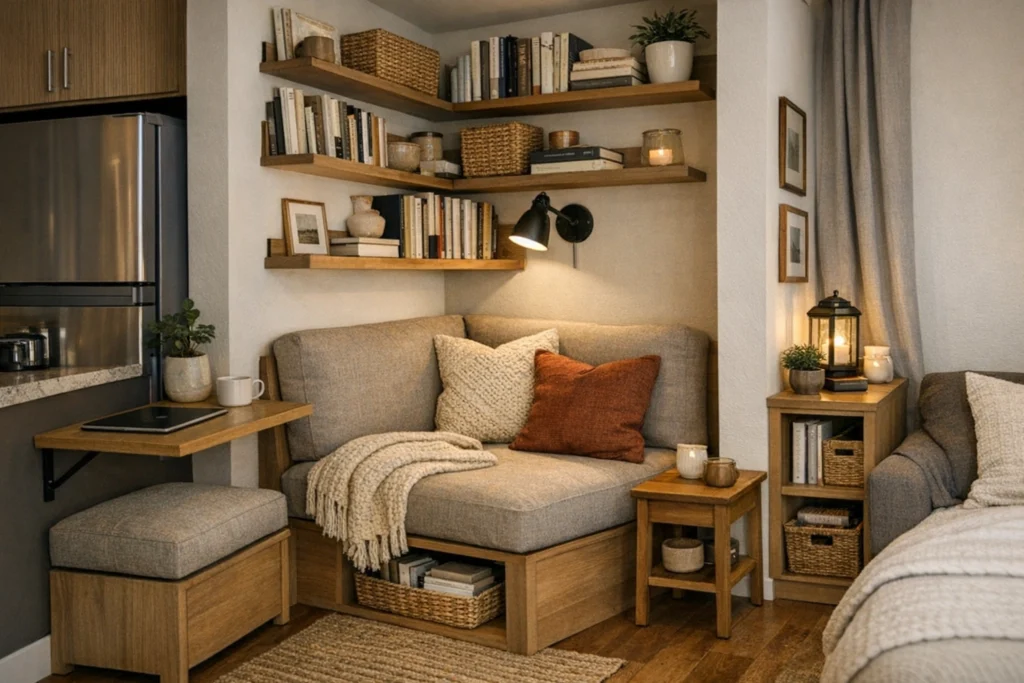
Spatial limitations inspire creative solutions that often prove more charming and intimate than sprawling arrangements ever could. Small reading nook designs maximize every square inch through multifunctional furniture and vertical storage strategies efficiently. Corner placements utilize traditionally wasted angles converting dead zones into highly functional and aesthetically pleasing sanctuaries. Murphy-style fold-down furniture disappears when not needed maintaining open floor plans in multipurpose rooms serving multiple functions.
Vertical design thinking shifts focus from floor area to wall space that typically remains underutilized in conventional arrangements. Wall-mounted shelving floats above furniture providing book storage without consuming precious square footage unnecessarily. Tall narrow bookcases fit into slim gaps between doors and windows maximizing capacity within compact footprints. Hanging planters and sconces add decorative elements without requiring surface space that small rooms cannot spare realistically.
Maintaining a Calm and Inviting Reading Environment
Sustained enjoyment requires ongoing maintenance preventing gradual deterioration that undermines your comfortable reading area’s effectiveness over time. Weekly tidying sessions lasting fifteen minutes prevent clutter accumulation that creates visual stress and mental distraction. Seasonal deep cleaning addresses dust buildup on books, furniture, and decorative items that degrade air quality subtly. Book rotation systems prevent overcrowding on shelves while encouraging rediscovery of forgotten titles deserving rereading attention.
Textile laundering maintains freshness essential for spaces designed around comfort and sensory pleasure fundamentally. Throw blankets and cushion covers require washing every two to four weeks depending on usage frequency and household factors. Vacuum upholstered furniture quarterly removing embedded dust, pet dander, and allergens that accumulate invisibly over months. Air circulation through open windows when weather permits refreshes stale air preventing musty odors in enclosed corners.
Final Touches to Elevate Your Relaxation Corner
Ritual establishment transforms your hygge reading corner from physical space into sacred practice supporting mental health consistently. Device-free policies protect against digital intrusions that fragment attention and undermine relaxation objectives entirely fundamentally. Designated reading times create anticipatory relaxation responses that begin before you even settle into your comfortable seating ideas finally. Beverage stations stocked with favorite teas or coffees eliminate interruptions from needing to leave your sanctuary mid-chapter.
Journaling space encourages reflection on reading experiences deepening comprehension and emotional processing of literary encounters meaningfully. Notebooks stored within reach capture insights, favorite quotes, or reading goals without requiring memory retention until later. Celebrating your accomplishment through photography documents the transformation while providing shareable inspiration for friends considering similar projects. Ongoing evolution acknowledges that preferences change and spaces should adapt reflecting current rather than historical selves authentically.
Creating Reading Rituals and Boundaries
Boundary communication with household members prevents interruptions that shatter focus and diminish your personal quiet space’s effectiveness significantly. Visual signals like closed doors or Do Not Disturb signs indicate when you’re engaged in protected reading time. Scheduled sessions encourage family respect for personal restoration needs while modeling healthy self-care practices for children observing. Technology limitations extend beyond personal devices to include household distractions like television noise bleeding into adjacent spaces.
Celebrating Your Accomplishment
Sharing your hygge reading corner journey inspires others while reinforcing your commitment to sustained self-care practices long-term. Social media posts tag interior design communities connecting you with like-minded individuals pursuing similar wellness goals. Inviting friends for reading dates normalizes quiet contemplative activities in increasingly chaotic modern culture shifts. Acknowledging the effort invested reminds you that self-care deserves priority equal to obligations serving others constantly. Your indoor reading space represents tangible commitment to mental health and personal growth deserving recognition and appreciation genuinely.