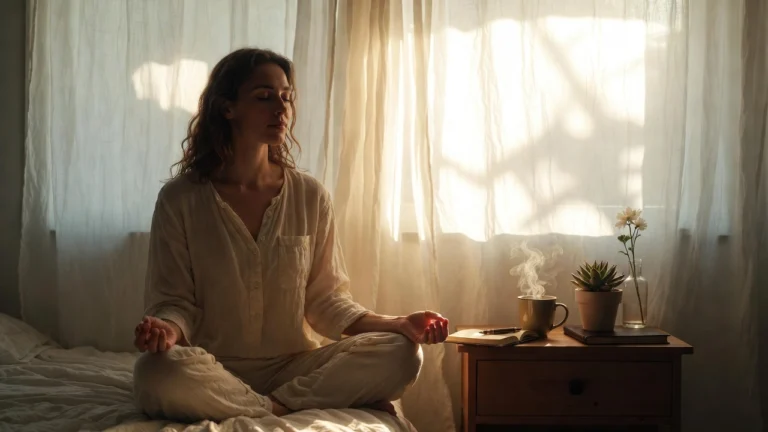

7 Fall Reset Routines That Calm Your Nervous System
Your body knows autumn has arrived before your mind does. The air shifts. The light softens. Something deep inside you whispers: slow down. That whisper is your nervous system talking. It’s asking for a fall reset and most Americans never listen to it.
Fall reset routines are not just trendy wellness habits. They are science-backed seasonal practices that work with your body’s natural rhythms. They help you calm the nervous system naturally after a long, overstimulating summer. They prepare your mind and body for the colder, quieter months ahead.
This article covers 7 powerful fall reset routines that support nervous system regulation from the inside out. Each routine is simple, practical and designed for real American life. You don’t need a wellness retreat or an expensive program. You just need consistency and the right knowledge. Let’s get into it.
What Does a Fall Reset Actually Mean for Your Body and Mind

Autumn is not just a season. It’s a biological signal. Your body receives that signal through changes in light, temperature and daily rhythm. When October arrives, your melatonin rises earlier, your cortisol patterns shift and your circadian rhythm shortens naturally. These aren’t random changes. They’re your body’s way of entering a restoration phase that most Americans completely ignore.
A fall reset means intentionally working with those biological shifts instead of fighting them. It means choosing nervous system relaxation techniques over hustle. It means prioritizing nervous system healing before winter stress sets in. Think of your nervous system like a phone battery. Summer drains it. Fall is your annual charging window. Miss it and you run on empty until spring.
Why Autumn Is the Perfect Season to Regulate Your Nervous System

Most Americans reset in January. Gyms fill up. Journals get bought. Green smoothies appear everywhere. But January is biologically one of the worst times to start a reset. Your body is in deep conservation mode during winter. Trying to overhaul habits in the cold dark months works against your natural biology and that’s exactly why most New Year’s resolutions fail by February.
Autumn is different. Fall gives you a genuine parasympathetic nervous system activation window that winter simply doesn’t offer. The environment itself supports calming the central nervous system through cooler temperatures, golden light and natural quieting. Working with this seasonal energy rather than ignoring it is one of the most underrated wellness strategies available to Americans today.
Morning Routines That Ground Your Nervous System This Fall

Your morning is the most powerful reset window of the entire day. Within 30 minutes of waking, your cortisol surges in what scientists call the cortisol awakening response. This surge sets your entire day’s stress baseline. A thoughtful morning routine intercepts that spike before it escalates into anxiety, reactivity or foggy thinking that follows you for hours.
you may also like this:How to Make a Calm Hygge Reading Corner for Relaxation
Most Americans reach for their phone within 90 seconds of waking. That single habit immediately floods the brain with information, comparison and low-grade threat signals. It hijacks the cortisol awakening response before it can stabilize naturally. Small changes that help your nervous system relax start with protecting that first sacred window of the morning with deliberate grounding practices instead.
Evening Wind-Down Habits That Signal Safety to Your Brain

Your brain doesn’t switch off like a light. It winds down through carefully sequenced neurological stages. Each stage needs the right environmental signal to progress correctly. Without those signals, your brain stays in a low-grade alert state even while you sleep and you wake up exhausted despite eight hours in bed.
Calming daily habits for long-term balance work most powerfully in the evening because that’s when your nervous system is most receptive to safety cues. Fall makes this easier than any other season. Earlier sunsets, cooler air and natural quieting of outdoor activity all send powerful parasympathetic signals. Your job is simply to reinforce them rather than override them with screens, stress and stimulation.
Nourishing Fall Foods That Naturally Soothe Nervous System Stress

Your plate is a neurochemical blueprint. Every food you eat either supports or disrupts your nervous system’s ability to regulate itself. Most Americans eat for convenience in fall. Processed foods, refined sugars and inflammatory seed oils dominate the standard American autumn diet. These choices don’t just affect physical health. They directly impair stress and nervous system balance at the biochemical level.
Fall offers an extraordinary seasonal bounty of foods that soothe your nervous system from the inside out. Root vegetables, warming spices, mineral-rich broths and adaptogenic herbs all support the neurochemical environment that calm, clear-headed living requires. Natural nervous system support through food is not complicated. It’s mostly about choosing seasonal whole foods over processed convenience options consistently.the difference within two to three weeks.
Movement and Nature Walks That Reset Your Body in Autumn

Here’s something most American fitness culture gets completely wrong. Not all movement calms your nervous system. Some movement actually makes dysregulation worse. High-intensity interval training, aggressive cardio and competitive sports all spike cortisol significantly. In summer when cortisol is already managed better that’s tolerable. In fall when your nervous system is trying to shift into restoration mode it’s counterproductive.
Releasing tension stored in the body requires movement that is slow, intentional and connected to breath. Gentle yoga, tai chi, slow walking and restorative stretching all activate the parasympathetic nervous system rather than the sympathetic. These forms of movement don’t just exercise muscles. They process stored emotional stress and create a sense of calm and safety in the body that vigorous exercise simply cannot replicate during this season.
Digital Detox Rituals That Give Your Nervous System Real Rest

Every notification on your phone triggers a micro stress response in your nervous system. You might not consciously feel it. But your amygdala, which is your brain’s threat-detection center, registers every ping, buzz and banner as a potential demand requiring attention. The average American receives between 80 and 100 push notifications per day. Multiplied across every waking hour that’s a relentless stream of low-grade sympathetic activation keeping your nervous system in a state of perpetual low-level threat.
Calming an overstimulated nervous system in the modern American context is inseparable from addressing digital overstimulation. Screens are the single most pervasive source of nervous system disruption in contemporary life. They deliver blue light that suppresses melatonin, information that triggers anxiety and social comparison that activates the threat response. Nervous system calming exercises work far better when the primary source of nervous system aggravation is reduced simultaneously.
How to Build Your Personal 7-Day Fall Reset Routine Plan
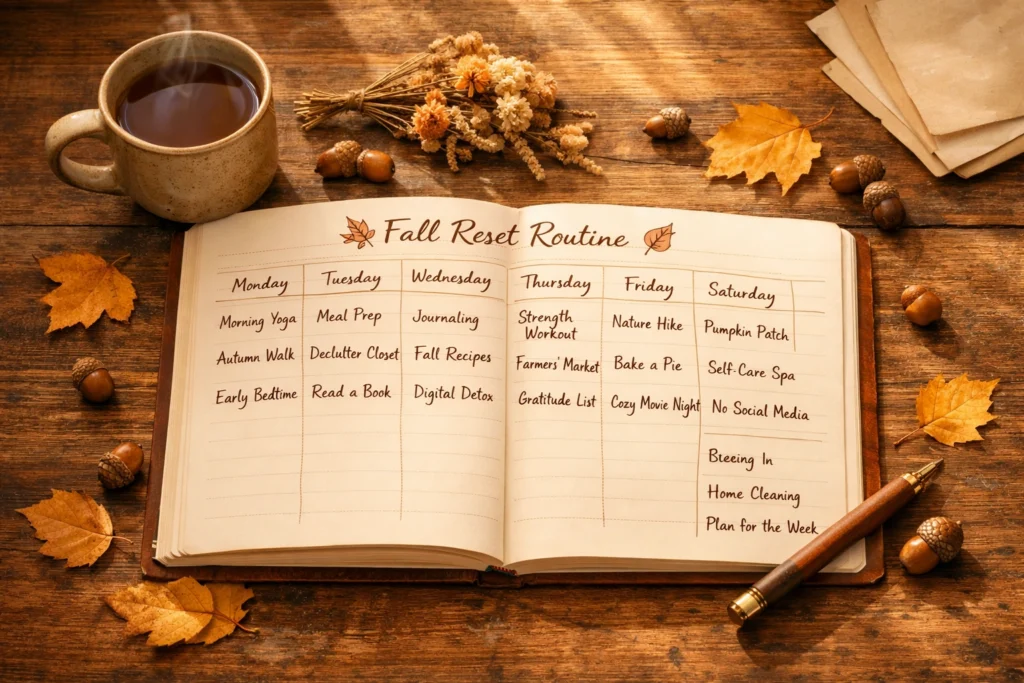
The biggest mistake Americans make with wellness plans is trying to change everything at once. Motivation spikes, an elaborate routine gets designed and within 10 days the whole system collapses under the weight of its own complexity. Daily routines that promote nervous system health don’t work that way. They work through simplicity, consistency and strategic habit stacking.
Habit stacking means attaching a new behavior to an existing anchor behavior you already do automatically. You already make morning coffee. Attach five minutes of box breathing to that. You already brush your teeth at night. Attach two minutes of gratitude journaling immediately after. These attachment points make new fall reset routines far more likely to stick because they ride on the momentum of established neural pathways rather than requiring brand new willpower each day.
Conclusion: Small Fall Shifts That Create Lasting Inner Calm
Autumn doesn’t ask for perfection. It asks for presence. These 7 fall reset routines work not because they are elaborate or expensive but because they align with what your nervous system is already trying to do this season. Every cool morning, every golden afternoon and every early dark evening is an environmental invitation to regulate your nervous system more intentionally than you did last season.
Calm the nervous system naturally through breathwork, nourishing food, gentle movement, digital boundaries and consistent evening rituals and the results compound in ways that no single dramatic intervention can match. Calming the central nervous system is not a weekend project. It’s a daily practice. But practiced through these fall reset routines, it becomes less of an effort and more of a rhythm that your body genuinely craves.
Start tonight. Not Monday. Not next week. Tonight, dim your lights an hour earlier than usual. Make a warm cup of herbal tea. Put your phone in another room. Breathe slowly for five minutes. That’s it. That’s the beginning of nervous system healing that can carry you through autumn, winter and far beyond with a quality of inner calm that most Americans never experience because they never stop long enough to let it arrive.