Hygge Home Ideas: How to Create a Cozy, Calm, and Comfortable Space
Creating a home that feels warm and inviting is more than just buying furniture. It’s about building a sanctuary where you feel safe, relaxed, and truly at peace. The Danish concept of hygge offers the perfect blueprint for transforming your living space into a haven of comfort and warmth. This ancient philosophy focuses on creating moments of coziness, togetherness, and genuine contentment within your home. Whether you live in a sprawling house or a tiny apartment, hygge home ideas can help you design a space that nurtures your soul. In this comprehensive guide, you’ll discover how to weave cozy home ideas throughout every room, creating an atmosphere that naturally draws you and your loved ones together. The journey toward a minimalist cozy home doesn’t require expensive renovations or dramatic changes. Instead, it involves thoughtful choices, strategic design decisions, and a commitment to intentional living. Read on to learn how to craft your perfect cozy house inspiration and build the comfortable home of your dreams.
What Is Hygge Home Style?
Hygge is a Danish word that describes a feeling of warmth, comfort, and coziness that’s difficult to translate into English. It’s not just about how your home looks. It’s about how your home makes you feel when you step through the door. The word comes from Norwegian origins and has become central to Scandinavian design philosophy. True hygge home decor combines physical comfort with emotional contentment. It encourages you to slow down, appreciate simple moments, and create an atmosphere where stress melts away. Many Americans misunderstand hygge as merely “being cozy” or “making things pretty.” However, hygge interior design goes much deeper. It’s about intentionality, mindfulness, and creating spaces that support your wellbeing. The philosophy rejects excess and embraces quality over quantity. When you understand this concept, you realize that Scandinavian home ideas aren’t just aesthetic trends. They’re lifestyle choices rooted in centuries of Nordic wisdom about living well.
The modern American interpretation of hygge has evolved beautifully. Today, countless homeowners recognize that warm home decor ideas derived from this Danish tradition actually address real problems in contemporary life. People feel overwhelmed by clutter, stressed by overstimulation, and disconnected from loved ones. Hygge home ideas offer solutions to these challenges. By implementing comfortable home styling principles, you create spaces that naturally facilitate deeper connections with family and friends. The aesthetic typically features natural textures, soft lighting, and a neutral color palette. These elements work together to establish a calm and peaceful atmosphere that feels both luxurious and accessible. Unlike trendy design styles that come and go, true cozy living room ideas based on hygge principles remain timeless. They’re rooted in human psychology and our fundamental need for safety, warmth, and belonging. When you embrace hygge lifestyle at home, you’re not following a temporary fad. You’re tapping into ancient wisdom about how to live better.
Why Hygge Home Ideas Are Perfect for Slow Living
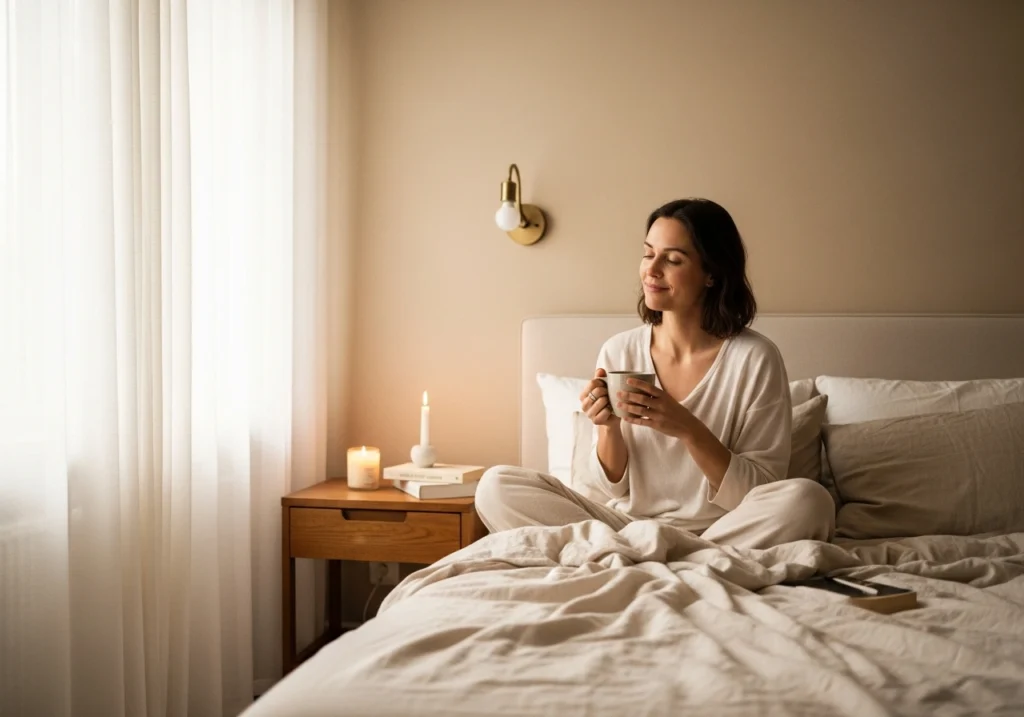
The slow living movement represents a conscious rejection of constant busyness and endless consumption. It encourages people to intentionally design their lives around what matters most. Hygge home ideas align perfectly with this philosophy because they celebrate quality time, genuine rest, and meaningful connection. When your home embodies hygge interior design principles, everyday moments become special. A simple cup of tea tastes better when enjoyed in a cozy living room ideas setting. Time with family feels deeper when gathered in a warm home decor ideas space. The beauty of comfortable home styling is that it naturally slows you down. You can’t rush through a space designed with intention and care. Instead, you find yourself pausing to notice details, appreciate textures, and genuinely relax.
Research from the Journal of Environmental Psychology shows that natural textures and soft lighting significantly reduce cortisol levels, the hormone associated with stress. When people spend time in spaces featuring Scandinavian home ideas design elements, their anxiety decreases measurably. They report feeling more present, more connected, and more satisfied with their lives. Minimalist cozy home design actively supports mental health by reducing visual clutter that overstimulates the brain. The calm and peaceful atmosphere created through thoughtful hygge home decor actually changes brain chemistry. Your nervous system relaxes. Your mind becomes clearer. You sleep better. Your relationships improve because you’re more present and patient. This is why wellness experts increasingly recommend cozy home ideas as a form of self-care. A beautifully designed home isn’t a luxury. It’s an investment in your physical and mental health.
Essential Elements of Hygge Home Design

Creating authentic hygge home ideas requires understanding the core elements that make this design philosophy work. These aren’t random decorative choices. They’re carefully considered components that work together to create a cohesive, welcoming environment. The foundation of hygge interior design rests on five pillars: soft lighting, natural textures, warm blankets and throws, comfortable home styling, and intentional decluttering. When these elements combine, they create spaces that feel effortlessly beautiful rather than artificially decorated. The Scandinavian home ideas approach emphasizes functionality alongside aesthetics. Every item in your space should serve a purpose. If something is purely decorative, it should spark genuine joy when you see it. This filters out clutter while keeping only items that truly matter.
Soft lighting is perhaps the most transformative element of any cozy house inspiration project. Harsh overhead lighting makes even the most beautiful room feel cold and unwelcoming. Instead, layer multiple light sources throughout your space. Use candles and candlelight to create instant warmth and ambiance. Incorporate table lamps with warm-toned bulbs. Install dimmer switches so you can adjust brightness to match your mood. The goal is creating illumination that’s gentle, adjustable, and encouraging of rest. Natural textures form the tactile foundation of hygge home decor. Think rough wooden furniture, soft linens, chunky knit textures, woven materials, and natural stone. These materials connect you to nature and create spaces that feel authentic rather than artificial. When you touch a handwoven blanket or run your hand across a wooden table, you experience genuine comfort. This sensory experience is central to minimalist cozy home design. Similarly, warm blankets and throws serve both practical and emotional functions. They literally warm your body while symbolizing comfort and care. A quality throw draped over your sofa invites you to settle in and relax.
A calm and peaceful atmosphere emerges naturally when you combine natural textures with thoughtful color choices. Your neutral color palette should feature soft whites, warm grays, beiges, and muted earth tones. These colors soothe rather than stimulate. They create a visual foundation that allows other elements to shine without overwhelming the senses. Add depth through variation in tone and texture rather than bold color contrasts. Simple and functional design means every furniture piece serves a clear purpose. Avoid decorative items that sit unused on shelves. Instead, curate objects that you actually use and love. This creates spaces that feel authentic and lived-in rather than sterile or staged. Indoor plants are essential to cozy living room ideas and throughout your home. They bring life, improve air quality, and connect you to nature. Green plants soften hard lines and add organic beauty. Finally, creating decluttered spaces is non-negotiable for true hygge lifestyle at home. This doesn’t mean completely empty rooms. Rather, it means eliminating excess so that what remains feels intentional and meaningful.
Hygge Home Ideas for a Cozy Living Room
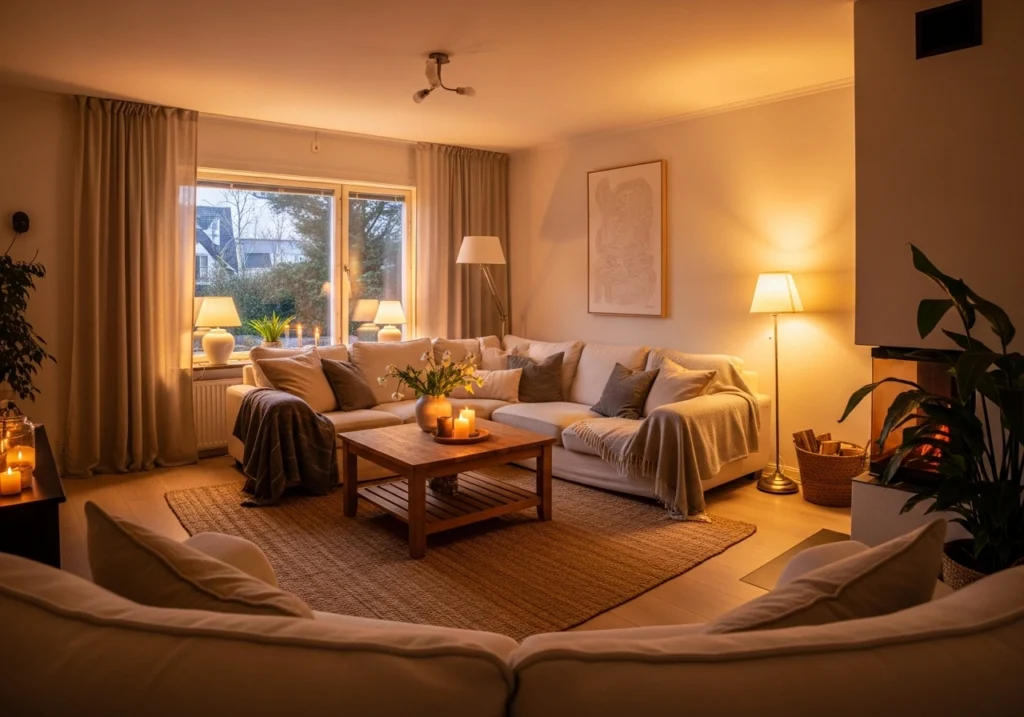
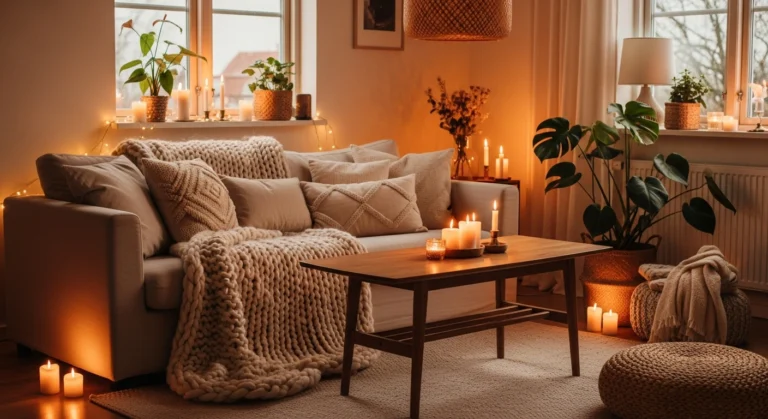
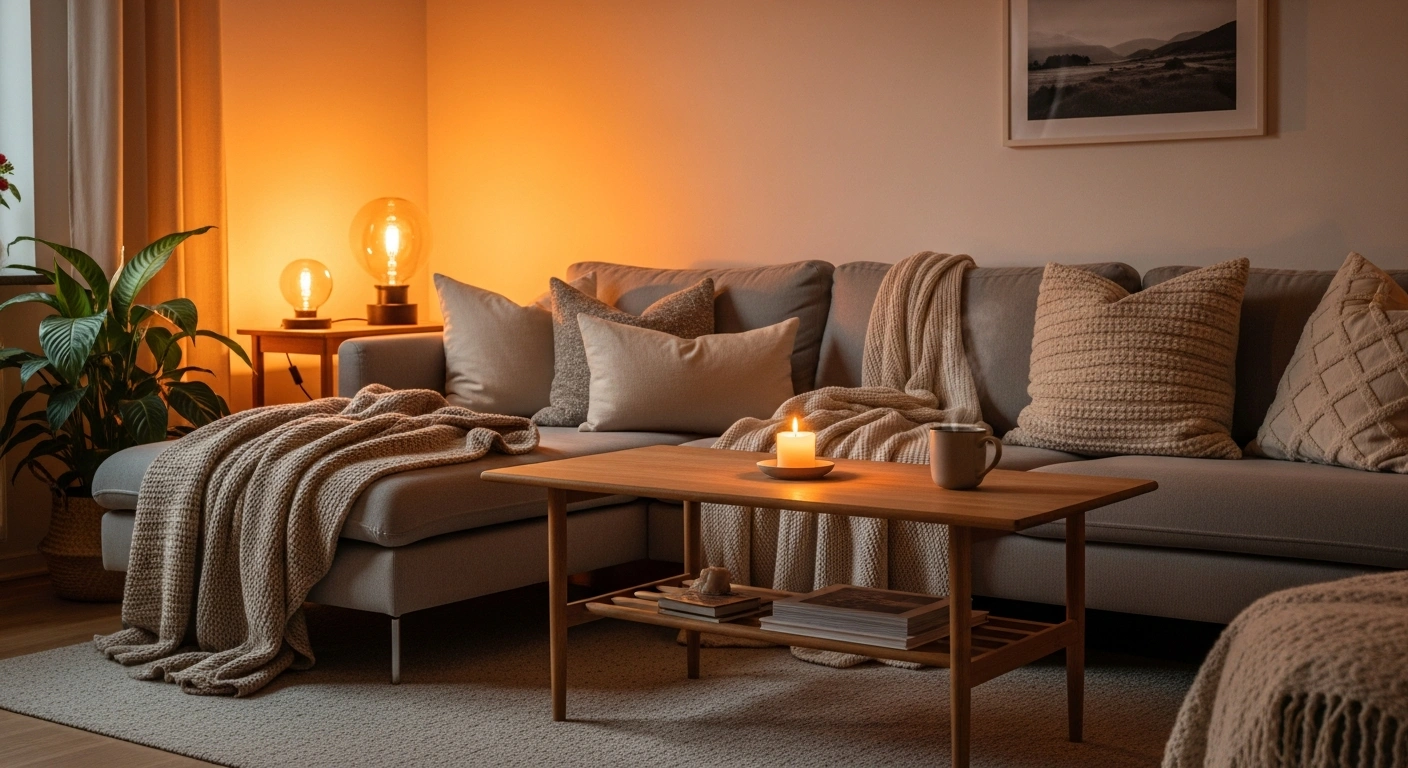
Your living room serves as the heart of hygge home ideas implementation. This is where families gather, friends visit, and you spend quality time relaxing. The space deserves thoughtful design that prioritizes comfort and connection. When creating cozy living room ideas, arrange furniture to encourage conversation and togetherness. A properly positioned sofa invites people to sit close together. Add comfortable armchairs or cushioned seating that’s easy to sink into. Layer warm blankets and throws over furniture pieces. Drape them casually so guests naturally grab one when settling in. Natural textures matter enormously in living rooms. Choose wooden furniture with visible grain and character. Add area rugs made from natural fibers like jute or wool. Use linen curtains instead of heavy drapes. These choices create the tactile richness essential to hygge home decor.
Lighting transforms your living room from ordinary to extraordinary. Install multiple light sources at varying heights. Place soft lighting from table lamps on side tables next to seating. Use wall sconces to create ambient illumination. Most importantly, incorporate candles and candlelight throughout the space. Candles provide both practical light and emotional warmth. The flickering flame creates movement that’s naturally soothing to watch. A calm and peaceful atmosphere emerges when you eliminate harsh overhead lights entirely. If you must have ceiling fixtures, always pair them with dimmer switches. Your walls should reflect a neutral color palette with interesting variation. Paint in soft whites, warm grays, or subtle taupe. Add depth through an accent wall in a muted tone like dusty sage or soft charcoal. Incorporate cozy house inspiration through thoughtful wall decor. Display meaningful artwork, family photos, or woven tapestries. Keep items to a minimum so the walls feel restful rather than crowded. Include indoor plants to bring life and improve air quality. A tall plant in the corner, trailing vines on a shelf, or blooming flowers on the windowsill all enhance your space.
Hygge Bedroom Ideas for Comfort and Relaxation
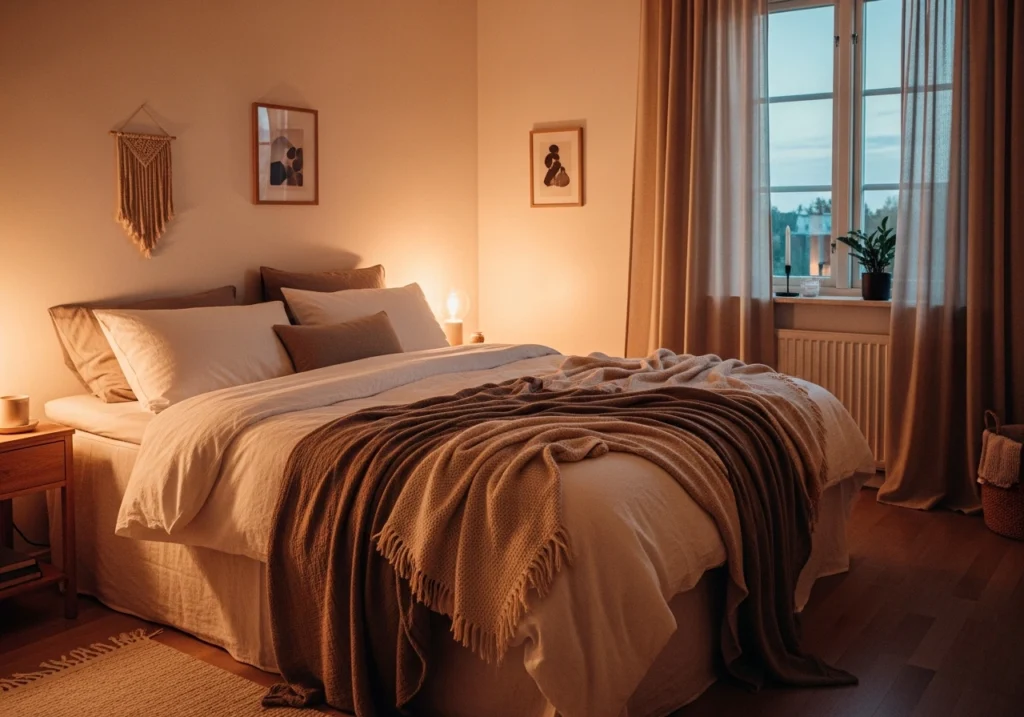
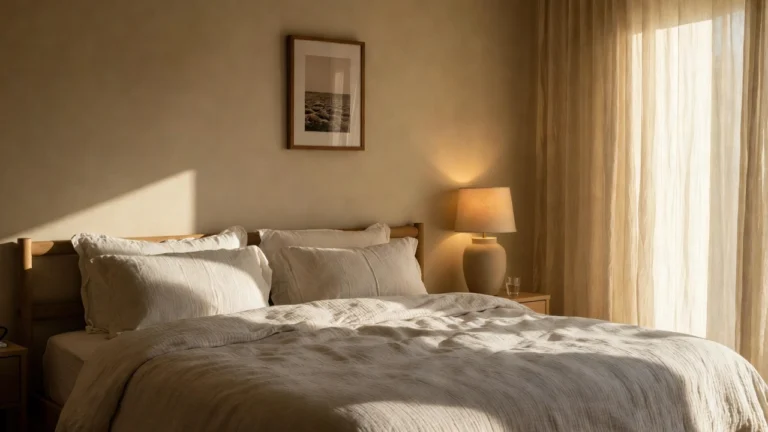
Your bedroom is your personal sanctuary. It should feel like a retreat from the world. Hygge home ideas for bedrooms focus intensely on creating a relaxing home environment that supports deep, restorative sleep. Begin with your mattress and bedding. These items deserve investment because you spend roughly one-third of your life in bed. Choose natural fabrics like organic cotton, linen, or wool. Thread count matters less than material quality. Add multiple layers: a fitted sheet, flat sheet, comfortable duvet, and extra blankets. The goal is creating a cozy nest that hugs you gently. Warm blankets and throws provide both warmth and the tactile comfort your body craves. Include pillows with natural filling and quality cases. When you sink into your bed at night, it should feel like pure comfort. Your bedroom lighting requires special attention. Harsh light before sleep disrupts your circadian rhythm. Install dimmer switches on all light sources. Use soft lighting exclusively, choosing warm-toned bulbs that emit amber or orange hues. Candles and candlelight create the perfect pre-sleep atmosphere. Consider a small diffuser with lavender or chamomile. Scent deeply influences relaxation and sleep quality.
Furniture selection impacts bedroom comfort significantly. Choose a wooden furniture bed frame if possible. Wood feels warmer and more organic than metal. Your bedroom furniture should be minimal and functional. Include only what you actually use: a bed, nightstands, perhaps a comfortable chair. Avoid clutter that creates visual stress when you’re trying to relax. Your walls should showcase a neutral color palette of soft whites, warm grays, or pale blues. Keep wall decoration minimal. One meaningful piece of art or a simple tapestry suffices. Remove electronic screens from your bedroom if possible. If you must keep devices, store them where you can’t see them from bed. A tech-free bedroom dramatically improves sleep quality and relaxation. Add indoor plants that thrive in lower light conditions. Pothos, snake plants, and peace lilies purify air while adding gentle greenery. These simple and functional design choices create bedrooms that feel truly restorative. You’ll find yourself naturally sleeping better and waking more refreshed.
Hygge Kitchen and Dining Area Ideas
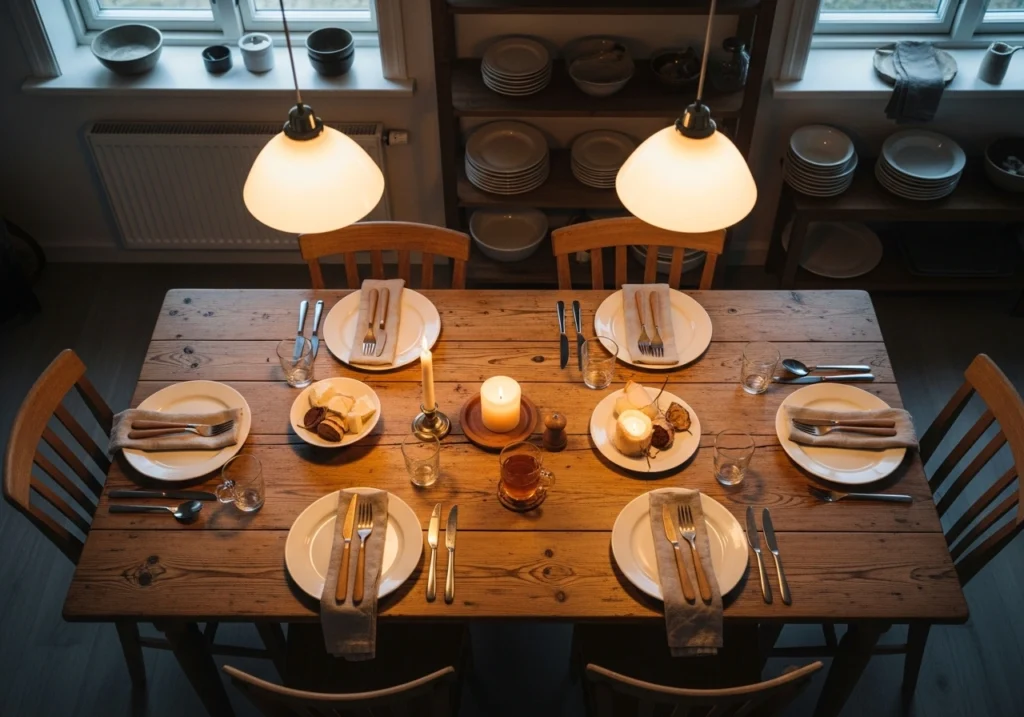
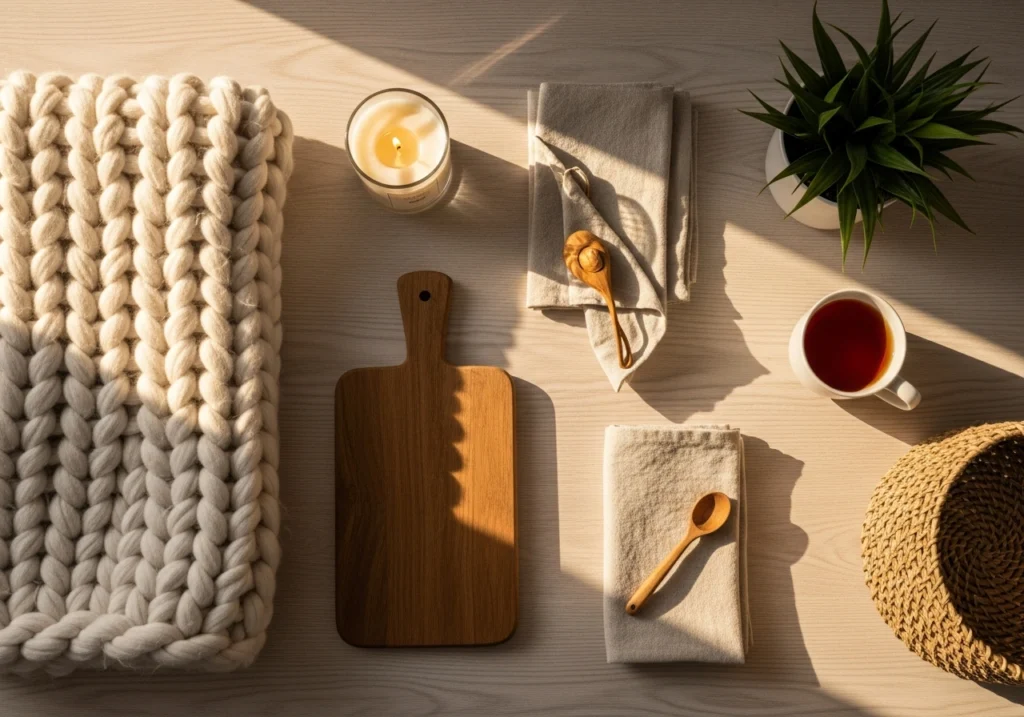
Your kitchen and dining spaces deserve the same thoughtful design as bedrooms and living rooms. These areas facilitate some of life’s most meaningful moments. Shared meals create connection and memory. Hygge home ideas for kitchens balance functionality with coziness. Your kitchen should feel efficient but never cold or institutional. Begin with wooden furniture and natural materials. Open shelving displays beautiful dishes and ingredients. A wooden cutting board, natural fiber placemats, and linen napkins add warmth. These functional items simultaneously serve as decor. Your neutral color palette should continue into the kitchen. White, cream, or soft gray cabinetry creates a clean, calm foundation. Add warmth through open shelving, wooden elements, and natural light. Install proper task lighting for cooking while maintaining soft lighting in dining areas. Candlelight transforms ordinary meals into special occasions. A simple candle in the center of your table elevates the entire dining experience.
Your dining table serves as the focal point of kitchen and dining spaces. Choose a substantial wooden furniture piece that invites people to linger. Round tables encourage conversation better than rectangular ones. A table with character and visible grain adds authenticity. Surround it with comfortable seating that makes people want to stay longer. Layer your table with natural linens, simple glassware, and minimal centerpieces. A small vase with fresh flowers, a candle, or a wooden serving board creates interest without clutter. Keep table settings simple but intentional. This encourages the slow ritual of shared meals. The dining space should feel like a gathering place where time slows down. Indoor plants placed nearby bring life and freshness to cooking and eating areas. Herbs in pots serve dual purposes as decoration and ingredients. Create a comfortable home styling kitchen by removing unnecessary appliances from counters. Store items you rarely use. Keep frequently used items accessible but organized. This creates spaces that feel calm rather than chaotic. Your kitchen becomes a place where you actually enjoy spending time, cooking, and sharing meals with loved ones.
Hygge Home Lighting Ideas That Create Warmth
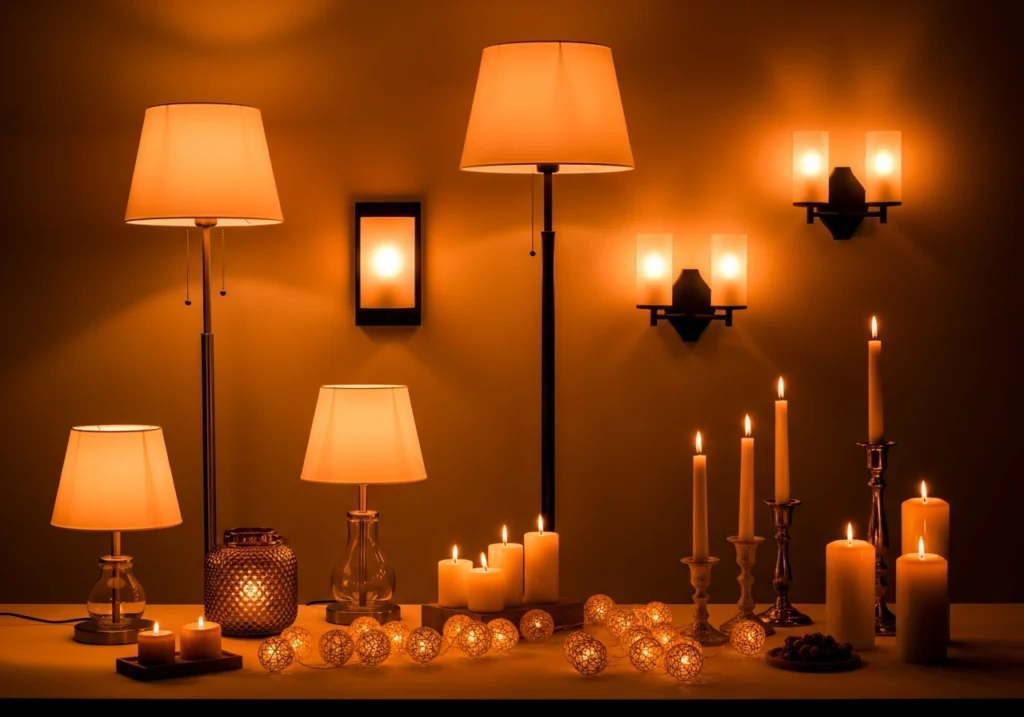
Lighting is perhaps the single most transformative element of any hygge home ideas project. You can have beautiful furniture, perfect colors, and quality textures, but harsh lighting ruins everything. Conversely, thoughtful lighting transforms ordinary spaces into magical havens. This is why understanding proper lighting deserves its own comprehensive section. Soft lighting forms the foundation of effective hygge lighting design. Begin by eliminating or bypassing overhead ceiling lights. These fixtures emit harsh, directional light that makes you feel exposed and uncomfortable. Instead, layer multiple light sources throughout your space. Use table lamps on side tables next to seating. Install floor lamps in corners. Add wall sconces at eye level. Each source should emit warm light at a lower intensity than traditional overhead fixtures. The goal is creating illumination that’s soft enough to relax under, adjustable for different times of day, and warm in color temperature.
Color temperature dramatically affects how spaces feel and how you respond emotionally to light. Measured in Kelvin units, warm light ranges from 2700K to 3000K, mimicking sunset and firelight. This warm spectrum reduces stress, promotes relaxation, and feels genuinely inviting. Cool light above 4000K makes spaces feel clinical and unwelcoming. Always choose warm-toned bulbs exclusively throughout your home. Replace every bulb if necessary. This single change transforms your entire space. Candles and candlelight provide the ultimate warm illumination. The flickering flame releases a subtle infrared glow that feels inherently soothing. Place candles throughout your home at varying heights. Group them together for greater visual impact. Use unscented candles in bedrooms and scented options in living spaces if you prefer. Candles cost very little yet provide enormous warmth and ambiance. Install dimmer switches on wall and ceiling fixtures. Dimmers allow precise control over light intensity. You can adjust brightness to match your needs and mood. Bright light when you need to work. Dimmed light when you want to relax. This flexibility makes any light source more compatible with hygge principles.
Maximize natural light during daytime hours. Open curtains and blinds fully. Use light, sheer curtains that filter sunlight without blocking it completely. This connects you to natural circadian rhythms and supplements artificial lighting. When evening arrives, gradually introduce soft lighting to signal to your body that it’s time to wind down. Create lighting layers throughout your home. Your living room might have three table lamps, a wall sconce, and candles at different heights. This creates visual interest and allows you to adjust the overall mood. Avoid lighting entire rooms uniformly. Instead, create pools of warm light in specific areas. These pockets of illumination feel more intimate and welcoming. Task lighting for cooking or reading should be separate from ambient lighting. Direct light onto work surfaces without illuminating the entire kitchen. This reduces glare, improves functionality, and maintains the overall warm atmosphere. Your bedroom requires particular attention. Remove all overhead lighting if possible. Install soft wall sconces on either side of your bed. Use a small reading lamp if you read before sleep. Avoid bright light in bedrooms altogether. The darkness signals melatonin production and supports healthy sleep.
Budget-Friendly Hygge Home Ideas
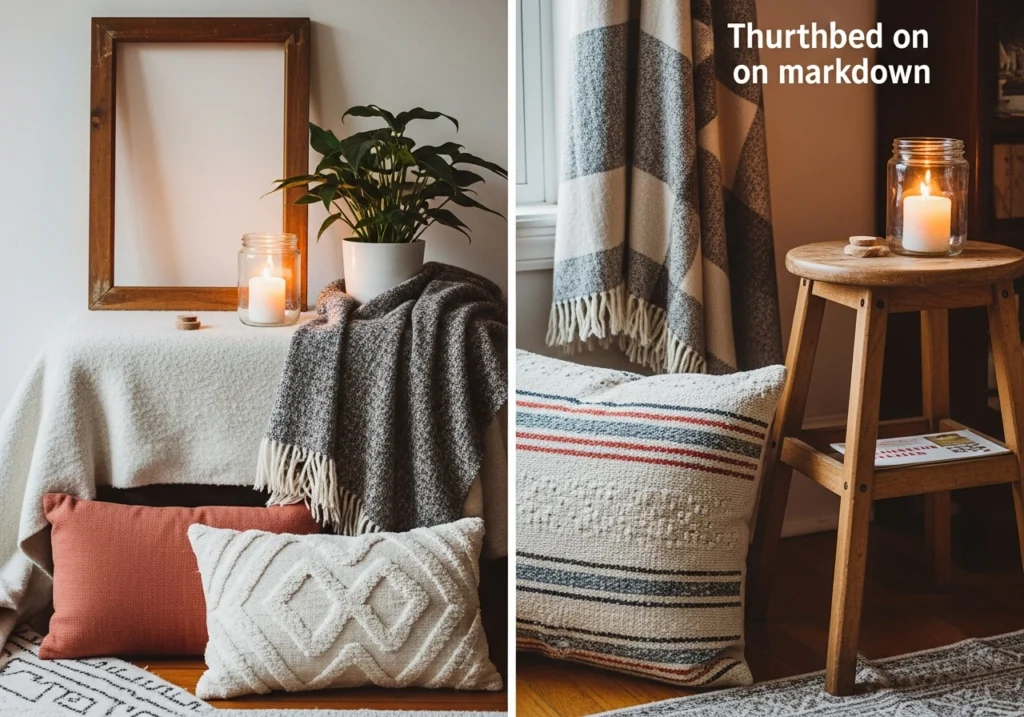
You might assume that creating authentic hygge home ideas requires significant spending. In reality, the philosophy explicitly rejects unnecessary consumption. True hygge home decor focuses on quality and intention rather than quantity and expense. Many of the most beautiful elements cost nothing or very little. You can create a stunning minimalist cozy home regardless of your budget. Begin by auditing everything you already own. You likely have blankets, pillows, candles, and decor items scattered throughout your home. Gather these items and consider how they might work within a cohesive design. That blanket you inherited could be perfect draped over your sofa. The candles from your bathroom might enhance your bedroom. By thoughtfully using what you already own, you eliminate spending while creating immediate change.
Thrift stores, estate sales, Facebook Marketplace, and Craigslist offer incredible opportunities for budget-conscious decorating. Wooden furniture pieces become more beautiful with age and patina. Vintage wooden chairs, tables, and shelving units cost a fraction of new versions. You might find beautiful linens, frames, and decorative items for just a few dollars. Set specific shopping criteria so you stay focused. Look for natural materials, warm tones, and simple designs. Avoid trendy pieces that will feel dated quickly. DIY projects transform inexpensive materials into personalized decor. Paint or refinish thrifted wooden furniture to match your color scheme. Frame meaningful photographs in simple wooden frames. Create candle holders from jars or wooden blocks. Build floating shelves from reclaimed wood. These projects require minimal investment while creating unique, meaningful pieces. Nature offers free decorative elements. Collect branches, rocks, seashells, or pinecones during walks. Arrange them thoughtfully in vases or on shelves. Bring fresh greenery into your home regularly. These natural elements add beauty, improve air quality, and cost absolutely nothing.
Prioritize high-impact, low-cost changes first. Replacing all your light bulbs with warm-toned options costs minimal money yet transforms your entire home. Rearranging furniture is free. Decluttering costs nothing. Adding throw blankets and pillows gradually builds coziness without breaking your budget. Focus on essential elements: proper lighting, quality bedding, comfortable seating, and natural textures. Invest in these fundamentals before splurging on decorative items. When you do have money to spend, prioritize investment pieces that last. Spend more on a quality bed, beautiful linens, and comfortable seating. Save money on trendy decor that you’ll replace yearly. This approach creates homes that feel expensive despite modest budgets. Your comfortable home styling doesn’t require wealth. It requires intention, creativity, and gradual improvement. Start today with what you have. Improve systematically. Your beautiful home will emerge organically over time.
Hygge Home Ideas for Small Spaces
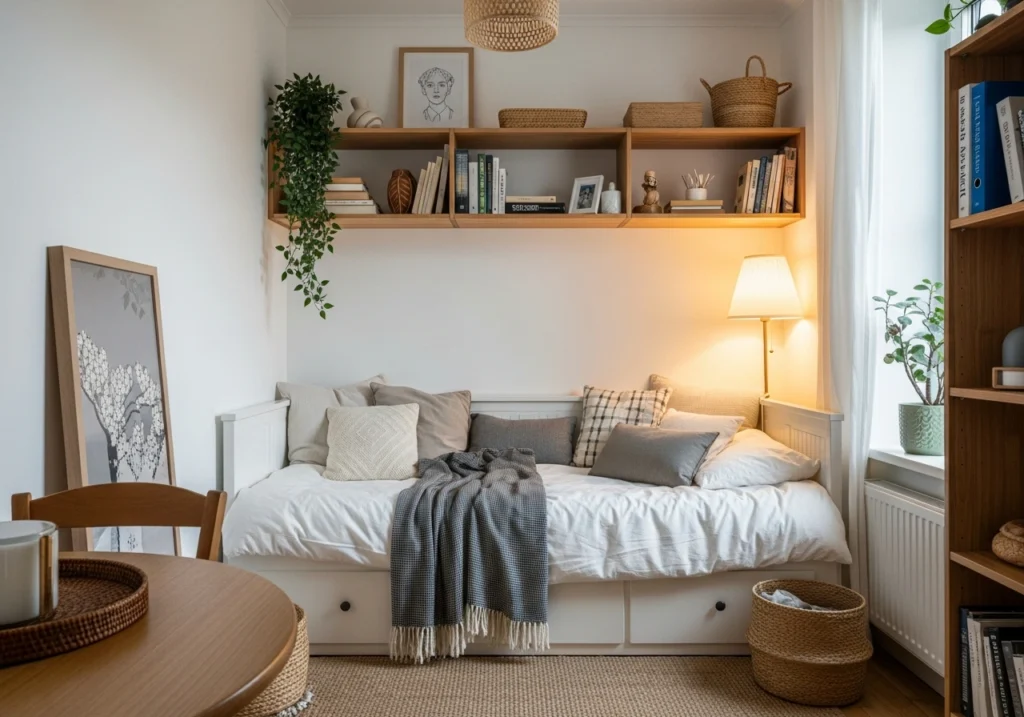
Many people assume hygge home ideas only work in spacious homes. Actually, small spaces benefit tremendously from this design philosophy. Apartments, studios, and modest houses become sanctuaries when designed thoughtfully. Minimalist cozy home design is actually perfect for small spaces because it eliminates visual clutter that makes tiny areas feel cramped. The philosophy of keeping only items you love directly addresses small space challenges. By removing excess, you create breathing room. By arranging remaining items intentionally, you maximize comfort. Your small space becomes a cozy nest rather than a cluttered box. Every design choice matters more in smaller areas. Each piece of wooden furniture should be beautiful and functional. Each decorative item should spark joy. Each color choice should create calm rather than visual chaos.
Vertical space becomes your best friend in small spaces. Shelving that extends to the ceiling creates storage while drawing the eye upward. Tall, narrow furniture pieces occupy minimal floor space while providing functionality. Wall-mounted lighting eliminates the floor space that table lamps require. Hanging plants from the ceiling add greenery without consuming precious surfaces. Soft lighting from multiple small sources feels less intrusive than bright overhead lights in tight quarters. Layer small lamps strategically to create pools of warm illumination. Candles placed at varying heights add ambiance without requiring electricity or counter space. Your neutral color palette becomes even more important in small spaces. Light colors reflect light and make rooms feel larger. Whites, creams, and soft grays create visual expansion. Limit accent colors to a few carefully chosen tones. Too many colors visually fragment small spaces. Keep walls simple and let meaningful artwork shine. Include indoor plants of varying sizes. Trailing plants on shelves, tall plants in corners, and small succulents on windowsills add life without clutter. Plants soften hard lines and make small spaces feel more organic and welcoming.
Multifunctional furniture becomes essential in small spaces. A storage ottoman serves as seating and storage simultaneously. A side table with shelves provides surfaces and organization. A bed with drawers underneath maximizes storage in bedrooms. Look for furniture that serves double duty. Your comfortable home styling in small spaces requires strategic decluttering. Keep only items you use regularly or love deeply. Store seasonal items elsewhere. Donate anything broken, unused, or that doesn’t align with your aesthetic. This ruthless editing creates small spaces that feel intentional rather than cramped. Create micro-zones for different activities. A corner with a comfortable chair becomes your reading nook. A small desk in the bedroom creates a work area. Your dining table serves double duty as workspace and eating surface. These designated zones give structure to open layouts. Use furniture arrangement to define spaces without walls. A low bookshelf divides living areas while maintaining openness. A rug defines your relaxation area. Cozy living room ideas in small spaces emphasize quality over quantity, intention over excess. Your tiny apartment can feel more luxurious than a sprawling house designed without care.
How to Maintain a Hygge Home All Year Round
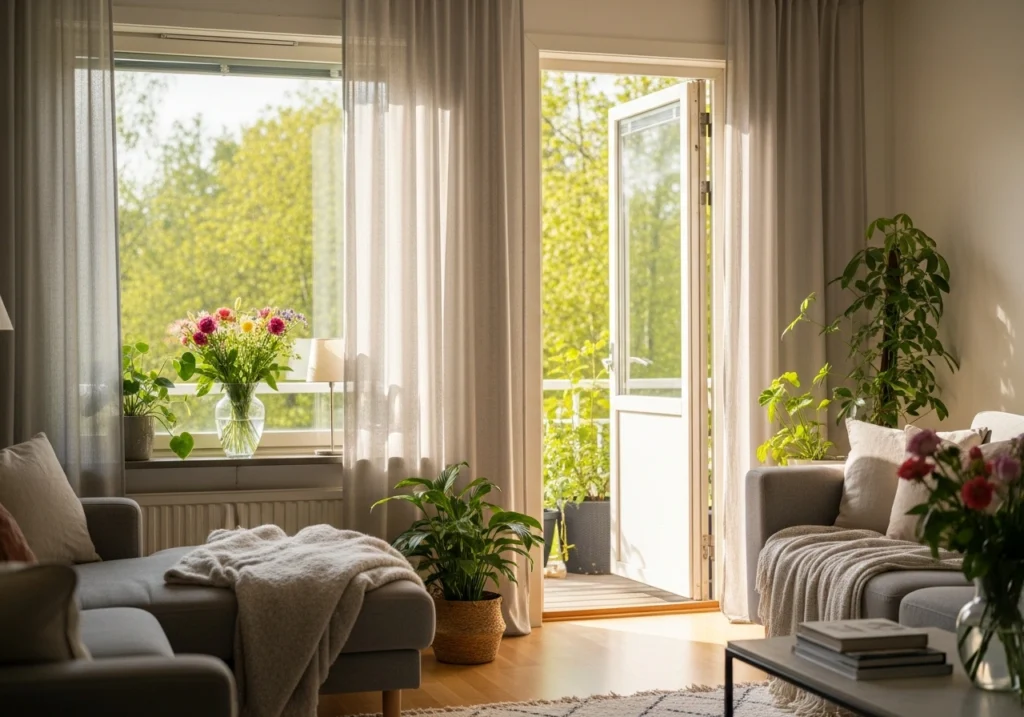
Creating a beautiful hygge home ideas space is wonderful, but maintaining that beauty requires intentional effort. Seasons change. Life happens. Without a plan, your carefully designed sanctuary can gradually deteriorate into clutter and disorder. Fortunately, hygge lifestyle at home provides an excellent framework for year-round maintenance. The key involves making seasonal adjustments without completely redesigning your space. Spring requires lightening your home after winter. Replace heavy warm blankets and throws with lighter linens. Swap out darker textiles for cream and white options. Open windows to air out your space. Introduce fresh flowers and light-colored plants. Your neutral color palette becomes even more minimal. Allow natural light to dominate by reducing reliance on candles and candlelight during longer daylight hours. This creates a refresh without major changes. Your underlying design remains consistent while the seasonal emphasis shifts.
Summer emphasizes openness and airiness. Store away extra blankets and pillows. Keep only essential textiles visible. Maximize natural light by opening curtains fully. Incorporate more indoor plants featuring lighter green tones. Create breezy, open spaces that encourage relaxation during hot months. Your soft lighting becomes less essential as daylight extends into evenings. This season naturally encourages outdoor living and reduces time indoors. Maintain your hygge interior design by ensuring your outdoor spaces feel equally thoughtful. Fall marks the beginning of transition back toward coziness. Gradually reintroduce warm blankets and throws. Add richness through deeper autumn tones: burnt orange, warm brown, deep red. Incorporate more candles and candlelight as darkness arrives earlier. Create layered lighting through lamps and sconces. Display seasonal plants like chrysanthemums. This gradual transition prevents jarring changes while honoring seasonal shift.
Winter represents the peak of hygge home decor philosophy. This is when cozy design truly shines. Layer maximum textiles. Use your heaviest blankets and plushest pillows. Increase candlelight significantly. Create an atmosphere of warmth and retreat. Winter is for slowing down, gathering indoors, and deeply embracing comfort. However, avoid excess decoration. Keep your decluttered spaces principle intact even during winter holidays. Display meaningful seasonal items while keeping overall aesthetic calm and intentional. A few beautiful decorations create more impact than overwhelming abundance. Regular decluttering throughout the year prevents accumulation. Dedicate time monthly to evaluate what you’re keeping. Remove items that no longer serve you. Donate or sell unused items. This prevents clutter from creeping back. Refreshing your space quarterly maintains the intentional feeling. Rearrange furniture slightly. Rotate displayed items. Update plant locations. These small changes keep your space feeling fresh and thoughtful. Your comfortable home styling should feel effortless but requires consistent attention. By maintaining seasonal rhythms and regular decluttering, your cozy house inspiration remains consistently beautiful and functional year-round.
Conclusion: Your Hygge Home Journey Begins Now
Creating a beautiful hygge home ideas space is one of the most rewarding projects you can undertake. This isn’t about following trendy design rules. It’s about building a sanctuary that supports your wellbeing and nurtures your soul. Whether you live in a sprawling house or a tiny apartment, cozy home ideas principles transform your space into a haven of comfort and calm. The journey doesn’t require enormous spending or dramatic renovations. It begins with small, intentional choices. Replace harsh lighting with soft lighting. Choose warm blankets and throws. Introduce natural textures throughout your space. These simple changes accumulate into profound transformation.
Start today with what you have. Audit your current possessions and imagine how they might work within a cohesive minimalist cozy home design. Rearrange furniture to encourage gathering and comfort. Light candles. Declutter one room. Make one small change that moves you toward your vision. Each step forward builds momentum. Over time, your home becomes a reflection of your values. It becomes a space where time slows down naturally. Where stress dissolves. Where you feel genuinely at peace. This is the promise of hygge home decor. This is the gift of thoughtful design. Your beautiful, comfortable home awaits. Begin now.
FAQ: Hygge Home Ideas Commonly Asked Questions
What Makes a Home Feel Hygge?
A truly hygge home combines multiple interconnected elements that work together. It’s not simply about having nice things. Rather, it’s about how those things make you feel. A cozy house inspiration home feels warm and inviting from the moment you enter. Soft lighting from multiple sources creates an atmosphere where stress naturally dissolves. Natural textures throughout your space connect you to authentic materials and nature. Warm blankets and throws invite physical comfort and coziness. Candles and candlelight add ambiance and sensory pleasure that artificial light can’t replicate. Your wooden furniture pieces bring warmth and timeless beauty. A neutral color palette featuring soft whites, warm grays, and muted earth tones creates visual calm. Indoor plants bring life and clean your air while connecting you to nature. Decluttered spaces reduce mental stress and visual chaos. Most importantly, a hygge home reflects your authentic self. Meaningful items displayed thoughtfully, personal touches that matter to you, and intentional design choices create spaces that feel genuinely yours rather than copied from magazines. When all these elements combine, you create more than a beautiful home. You create a sanctuary where time slows down and you feel deeply at peace. This is true hygge home ideas implementation.
How Can I Create a Hygge Home on a Budget?
Budget constraints should never prevent you from creating a beautiful cozy living room ideas and comfortable home. The hygge philosophy actually rejects unnecessary spending. It celebrates intention over expense. Begin by thoroughly auditing what you already own. Gather blankets, candles, pillows, and decor throughout your home. Many people already possess most items needed for hygge interior design without realizing it. Arrange these items thoughtfully in a cohesive design. Thrift stores and online resale markets offer incredible treasures at minimal cost. Wooden furniture pieces often improve with age. Vintage items add character and authenticity to Scandinavian home ideas design. Invest time in hunting for special pieces that cost far less than new alternatives. DIY projects transform inexpensive materials into personalized, meaningful decor. Paint thrifted furniture. Create candle holders. Build floating shelves. Frame photographs. These projects require minimal spending while creating unique pieces that reflect your personality.
Nature provides completely free decorative elements. Collect branches, rocks, and seasonal items during walks. Arrange them in vases or display them on shelves. Bring fresh greenery into your space regularly. These natural elements cost nothing yet dramatically enhance your home. Prioritize high-impact, low-cost changes. Replace light bulbs with warm-toned options. Rearrange furniture. Declutter ruthlessly. Add throw pillows gradually. These changes transform your space significantly without requiring major investment. When you do spend money, invest in foundational items that last. Quality bedding, comfortable seating, good lighting fixtures, and durable furniture pieces justify spending more. Save money on trendy decor that requires regular replacement. This approach creates homes that feel expensive despite modest budgets. Your minimalist cozy home emerges gradually through thoughtful choices rather than significant spending. Start today with what you have. Improve systematically. Your beautiful, cozy home will develop organically without straining your finances.
Is Hygge Home Decor Suitable for Small Apartments?
Absolutely. Small spaces actually benefit tremendously from hygge home ideas. The philosophy directly addresses small space challenges. Many small apartment dwellers think they must choose between organization and comfort. Hygge design combines both perfectly. By keeping only items you love, you eliminate visual clutter that makes tiny spaces feel overwhelming. Minimalist cozy home design removes excess while maintaining warmth. Your small apartment becomes a carefully curated sanctuary rather than a cramped box. The comfortable home styling principles of hygge work beautifully in limited square footage. Multifunctional furniture serves double duty. Storage solutions hide clutter while maintaining accessibility. Soft lighting from multiple small sources feels less intrusive than bright overhead lights in tight quarters. Vertical space becomes your best friend. Tall shelving, wall-mounted lighting, and hanging plants maximize functionality without consuming floor space. Your neutral color palette makes small spaces feel larger. Light colors reflect light and create visual expansion. Your small apartment becomes luxurious through intention rather than size. Every item serves a purpose. Every design choice contributes to comfort and calm. Many small space dwellers find their apartments far more beautiful and functional than larger homes designed without thoughtfulness. Cozy home ideas actually shine in small spaces because excess becomes immediately obvious and must be eliminated.
What Colors Are Best for a Hygge Home?
Your color palette forms the foundation of successful hygge home decor. Warm, neutral colors create the calm atmosphere essential to this design philosophy. Your primary colors should include soft whites, warm grays, and muted earth tones. Think natural linen, cream, soft taupe, and warm beige. These colors soothe rather than stimulate. They create spaces where your mind naturally relaxes. Avoid bright, highly saturated colors that create visual excitement. While attractive in moderation, bold colors can feel overstimulating in hygge spaces. Your accent colors should be equally muted. Dusty sage, soft terracotta, warm charcoal, deep cream, and muted mauve work beautifully. These colors add interest and depth without jarring your senses. Consider painting walls in your lightest tone, then introducing slightly warmer tones through textiles and decor. This creates visual depth while maintaining overall calm. Wooden furniture in natural tones adds warmth to neutral walls. Avoid painting walls in colors that feel cold or institutional. Blues and greens can work if they lean warm and muted. Cool, bright blues feel sterile. Warm, soft blues feel peaceful. The difference is subtle but significant.
Your textiles provide excellent opportunities to introduce muted color. Choose warm blankets and throws in cream, warm gray, or soft taupe. Layer different neutral tones to create visual interest. A cream blanket over a warm gray sofa with soft white pillows creates depth without visual chaos. Decorative elements should follow the same color logic. Artwork, plants, and meaningful items should complement rather than contrast your neutral color palette. A framed black-and-white photograph works beautifully. A landscape print with muted tones adds interest. Avoid bright, colorful art that competes with your calm aesthetic. Indoor plants naturally introduce green tones. Various shades of green add richness and life to neutral spaces. The variation in green tones creates visual interest while maintaining calm. Your color palette should feel like a whisper rather than a shout. When guests enter your space, they should feel calm and welcomed, not visually overwhelmed. This is the power of thoughtful color choices in Scandinavian home ideas design.
Can Hygge Home Ideas Work Year-Round?
Absolutely. Hygge lifestyle at home thrives year-round through seasonal adjustments. The core philosophy remains constant while seasonal emphasis shifts. Your foundational design—soft lighting, natural textures, quality furnishings, and neutral color palette—remains consistent throughout the year. What changes seasonally are textiles, decor, and lighting intensity. Think of your core design as a wardrobe. Your basics never change. Your accessories rotate seasonally. Spring lightens your home after winter. Replace heavy warm blankets and throws with lighter linens. Swap darker textiles for cream and white. Open windows and maximize natural light. Reduce reliance on candles and candlelight as daylight extends. Add fresh flowers and lighter-toned plants. Your cozy home ideas transition from intensely warm to gently comfortable. Summer emphasizes openness and airiness. Store extra textiles. Use only essential items. Maximize natural light. Reduce indoor lighting needs. Your home feels spacious and breathable. This lighter aesthetic supports the slower pace many people achieve in summer.
Fall marks transition back toward coziness. Gradually reintroduce warm blankets and throws. Add deeper autumn tones through replaceable decor. Increase candles and candlelight as darkness arrives earlier. Layer lighting as evening comes sooner. Your space feels increasingly cozy without major changes. Winter represents peak hygge home decor season. This is when the philosophy truly shines. Layer maximum textiles. Use heaviest blankets and plushest pillows. Increase candlelight significantly. Create an atmosphere of warmth and retreat. However, avoid excess decoration even in winter. Maintain decluttered spaces principle throughout holidays. Display meaningful seasonal items while keeping overall aesthetic intentional. A few beautiful decorations create more impact than overwhelming abundance. By honoring seasonal rhythms, your home remains fresh and engaged with nature. Your hygge interior design never feels stale because it naturally shifts with seasons. This approach creates homes that feel alive and connected to natural cycles. Your comfortable home styling evolves gently rather than dramatically throughout the year.