Simple Hygge Decor Ideas to Create a Cozy and Calm Home
Coming home after a long day, do you crave warmth? Do you want your space to wrap around you like a soft blanket? That’s exactly what simple hygge decor ideas deliver. Hygge is a Danish word that represents more than decoration. It’s about creating comfort, coziness, and genuine contentment in your living space. This philosophy is also the heart of affordable hygge home decor—creating a cozy and budget-friendly home without sacrificing warmth or authenticity.
The concept of hygge emerged from Denmark during cold, dark winters. People needed warmth beyond heating systems. They needed emotional comfort. They sought spaces that invited relaxation and real connection. Today, this philosophy resonates deeply with Americans tired of cluttered, trend-driven homes. Hygge home decor offers something different. It combines minimalism with warmth. It celebrates comfort without excess, proving that a cozy home doesn’t require expensive upgrades.
This guide reveals how simple hygge decor transforms any home into a sanctuary. You don’t need expensive furniture or designer expertise. You need understanding. You need intentionality. You need to know that simplicity and coziness work beautifully together. Throughout this article, you’ll discover practical strategies for implementing simple cozy home ideas in every room. Whether you have a sprawling house or a tiny apartment, these principles adapt. Whether you’re on a tight budget or willing to invest, solutions exist. Affordable hygge home decor is about permission—permission to prioritize comfort, authenticity, and genuine wellbeing above trends and perfectionism.
What Is Hygge Decor?
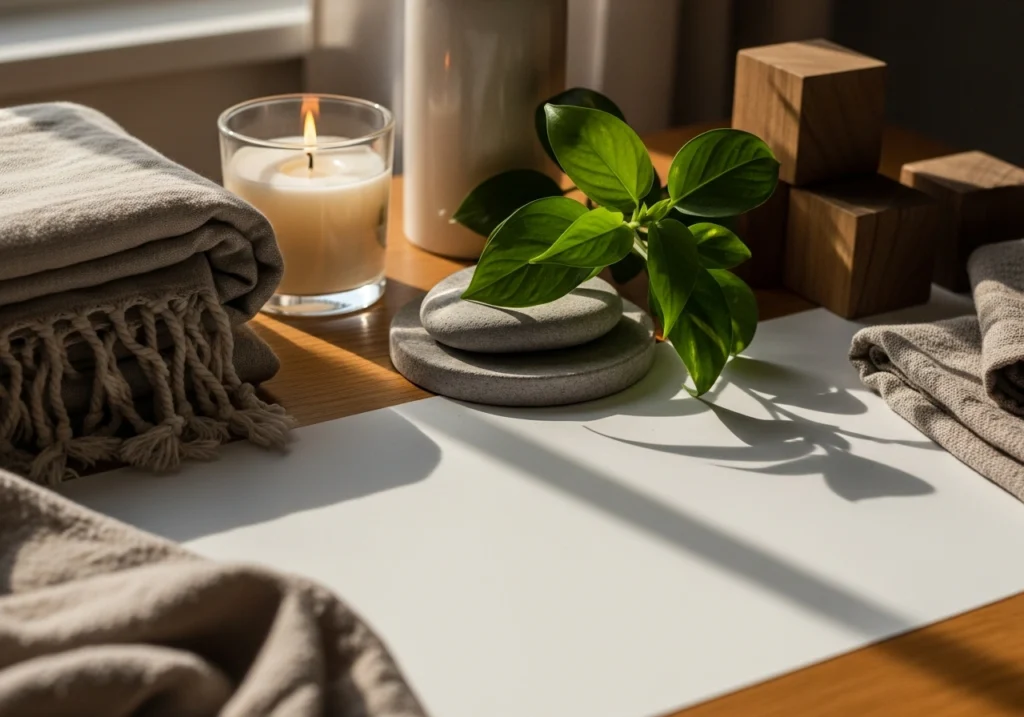
Hygge (pronounced “hoo-gah”) represents a Danish concept that English doesn’t perfectly translate. It combines coziness, comfort, warmth, and contentment into one word. Minimalist cozy decor inspired by hygge isn’t about having less stuff. It’s about choosing the right stuff. It’s about curating spaces intentionally rather than accumulating randomly.
Think of hygge as the opposite of sterile perfection. Imagine sitting by a window during rain. You’re wrapped in a soft blanket. Candles flicker nearby. Warm tea steams in your hands. That moment—that feeling—is hygge. It’s not luxury. It’s not expensive. It’s authentic comfort. Cozy home decor ideas rooted in hygge emphasize sensory experiences over visual trends. They celebrate what makes you genuinely feel good. A worn leather chair beats a pristine designer sofa if the worn chair actually invites you to sit, relax, and stay.
Hygge differs fundamentally from minimalism alone. Minimalism focuses on eliminating excess. Hygge focuses on inviting comfort. The two combine beautifully. Simple cozy home ideas merge minimalist principles with hygge warmth. You remove clutter but add softness. You clear surfaces but layer textures. You limit colors but increase coziness through lighting and materials.
Understanding the Meaning of Hygge in Home Styling
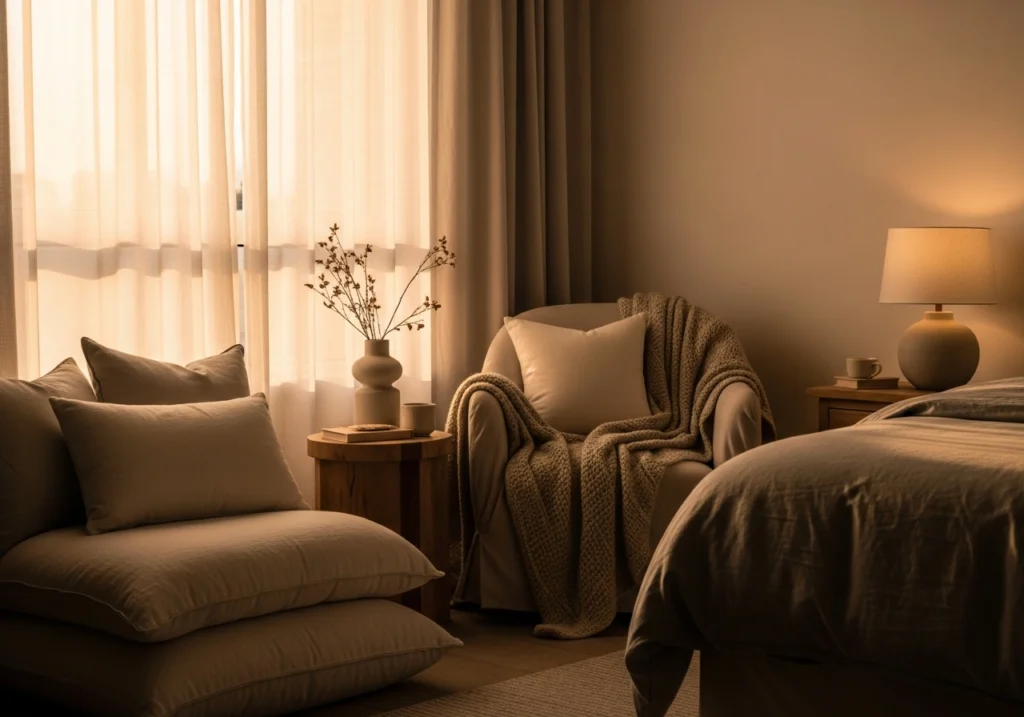
Hygge home decor translates Danish comfort principles into homes across America. Rather than expensive furniture statements or trendy pieces, simple hygge decor ideas focus on sensory experiences. This approach emphasizes touch. It emphasizes sight. It emphasizes smell and sound. Creating warm and cozy interior spaces means engaging multiple senses simultaneously.
Consider lighting first. Harsh overhead lights contradict hygge completely. Your nervous system recognizes harsh light as alertness mode. Soft, warm lighting signals safety and relaxation. Consider textures next. Rough surfaces feel unwelcoming. Soft, touchable materials invite interaction. Natural wood feels different from plastic. Real linen feels different from synthetic blends. Your hands know the difference. Your body knows. Cozy home decor ideas acknowledge that humans are sensory creatures. We don’t just see our spaces. We feel them.
| Hygge Element | Purpose | Sensory Impact |
|---|---|---|
| Soft Lighting | Creates warmth | Visual + emotional calm |
| Natural Materials | Authentic beauty | Tactile comfort |
| Neutral Colors | Visual calm | Reduces mental overstimulation |
| Quality Textiles | Physical comfort | Touch-based coziness |
| Minimal Accessories | Clear spaces | Mental peace |
| Warm Scents | Atmospheric enhancement | Olfactory comfort |
The meaning of hygge in home styling ultimately centers on authenticity. Your space should reflect your genuine preferences, not Pinterest perfection. Creating a warm and calm home atmosphere means honoring what actually makes you comfortable. If you love reading, create a reading nook. If you love cooking, make your kitchen inviting. If you love being alone, design quiet spaces. Hygge isn’t a checklist. It’s a philosophy guiding your choices.
Why Simple Hygge Decor Works for Modern Homes
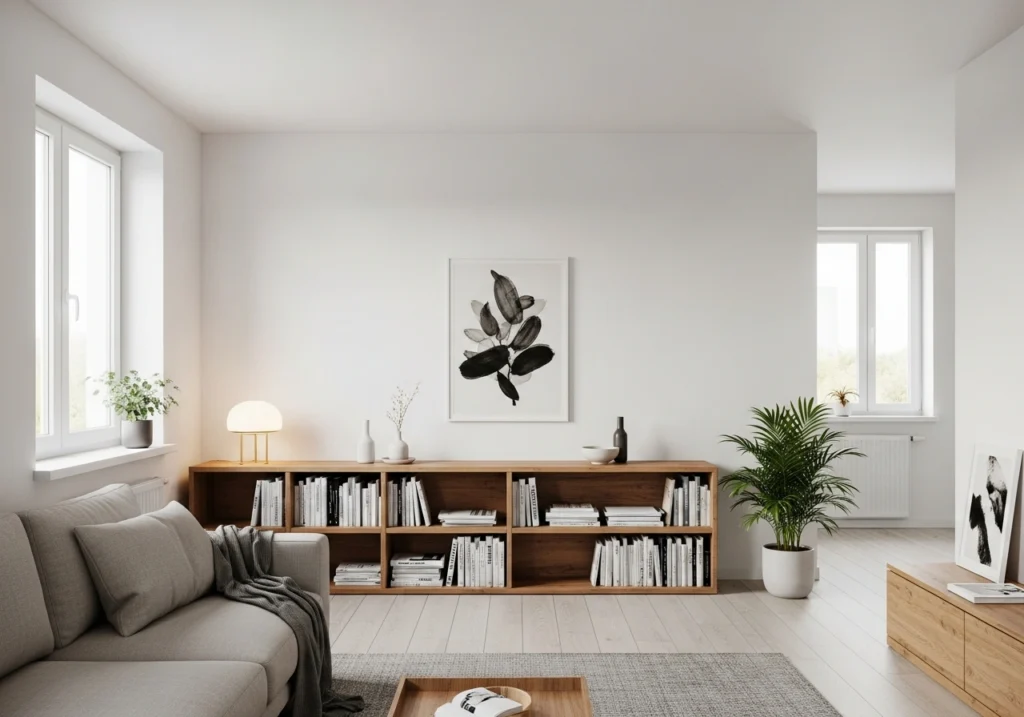
Modern life moves fast. Decisions pile up constantly. We’re overwhelmed by choices and stimulation. Simple hygge decor addresses this directly. By eliminating unnecessary items while prioritizing genuine comfort, homeowners create flexible, adaptable spaces. These spaces support rather than complicate modern life.
Consider maintenance burden. A cluttered home requires constant organizing, cleaning, and decision-making. A minimalist cozy decor approach reduces this burden significantly. Fewer items mean less to clean. Less to organize. Less to feel guilty about. Your mental energy focuses on living rather than maintaining. Consider financial impact. Trendy decorating drains wallets constantly. New items arrive. Trends shift. You buy again. Simple hygge decor ideas celebrate quality over quantity. You invest in timeless pieces that last decades. You spend less overall while enjoying spaces more deeply.
The psychological benefits matter equally. Research shows clutter increases stress and anxiety. Clear spaces calm our nervous systems. Cozy home decor ideas that embrace simplicity create environments supporting mental health. They reduce decision fatigue. They minimize visual overstimulation. They invite genuine relaxation. Families gravitate toward these spaces naturally. Children play more peacefully. Adults unwind more deeply. Easy ways to make your home cozy often involve removing things rather than adding them. Counterintuitive? Yes. Effective? Absolutely.
Modern homes also benefit from flexibility. Life changes. Families grow. Work situations shift. Jobs move from offices to home. Simple cozy home ideas adapt easily. You’re not locked into one aesthetic. Quality basics allow endless rearrangement. Natural materials age beautifully rather than looking outdated. Neutral palettes accept new accents easily. This flexibility makes simple hygge decor practical for real, evolving lives rather than static showrooms.
Essential Elements of Simple Hygge Decor
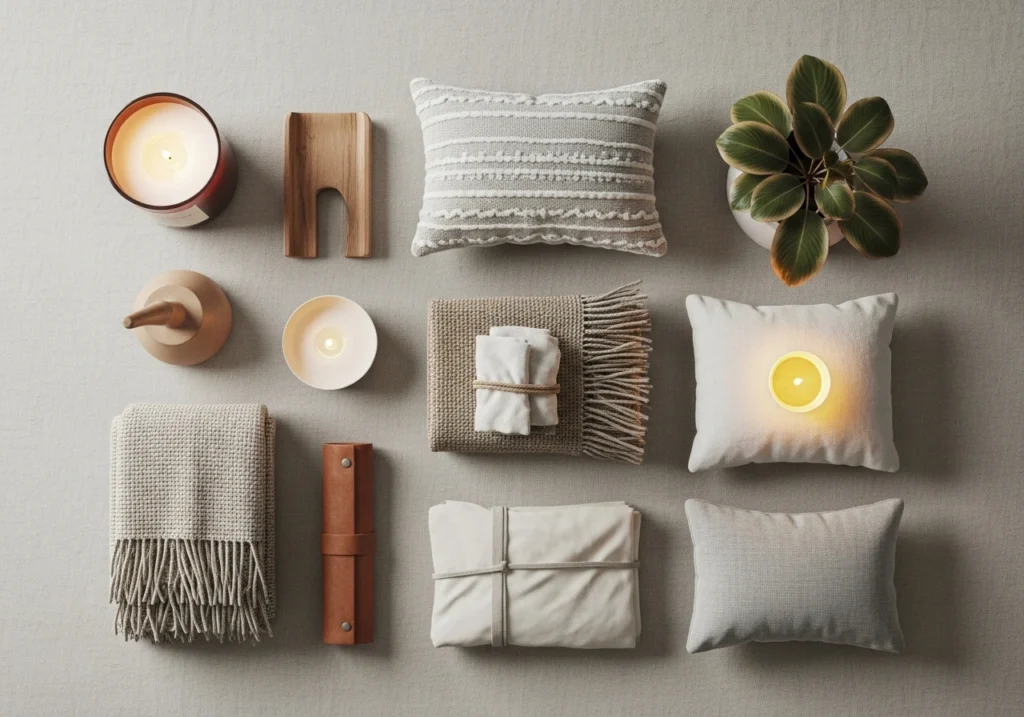
Every successful simple hygge decor space rests on foundational elements working together harmoniously. These aren’t separate, isolated choices. They interconnect. They support each other. They create cumulative comfort through thoughtful combination.
Hygge decor ideas for beginners consistently emphasize soft illumination first. This single element matters more than any other. Lighting transforms mood instantly. Second comes natural materials. Wood, stone, linen, wool, and leather feel authentic. They age beautifully. They develop character. Third comes neutral color palettes. These provide visual calm while allowing textures to shine. Fourth comes quality textiles. Throws, pillows, rugs, and blankets create tactile warmth. Finally comes strategic accessorizing. Cozy minimalist home decor tips teach restraint. Every item serves purpose, never decoration alone.
These elements don’t operate in isolation. Soft lighting highlights natural materials beautifully. Neutral colors showcase texture variations. Quality textiles provide comfort while minimizing visual clutter. Strategic accessories add personality without overwhelm. Understanding how elements interconnect helps you create spaces that feel cohesive, intentional, and genuinely welcoming rather than randomly assembled.
Soft Lighting and Warm Ambience
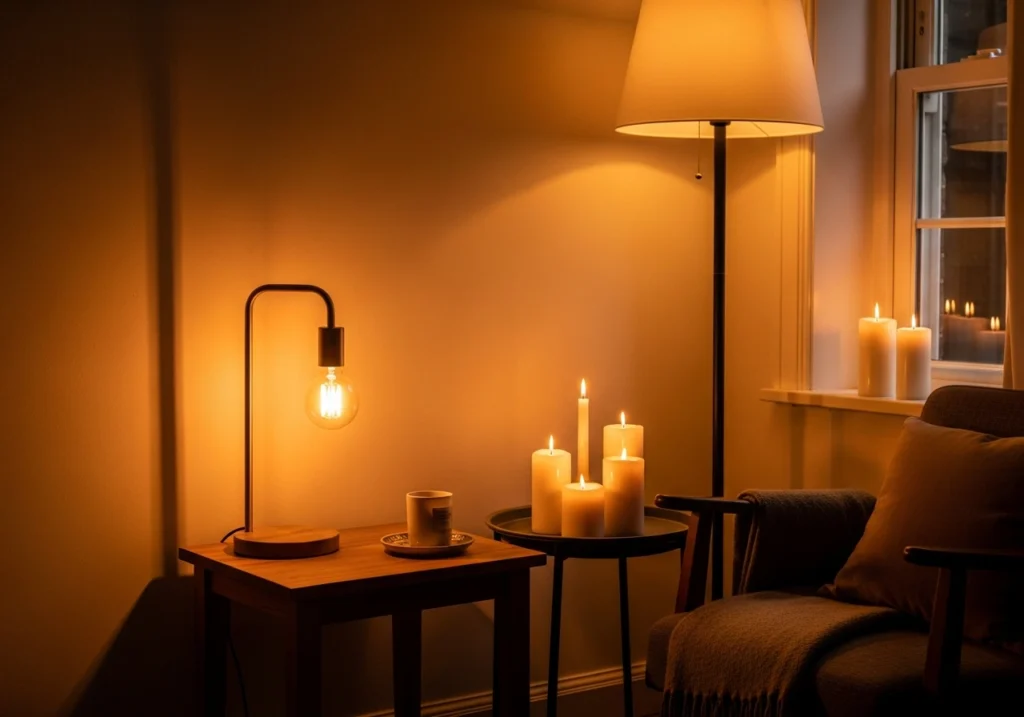
Lighting determines hygge home decor success more than any other single factor. This fact surprises many people. They expect furniture or color to matter most. But lighting creates the emotional foundation for every room. Harsh overhead fixtures contradict everything simple hygge decor ideas represent. They signal alertness. They feel institutional. They make you want to leave.
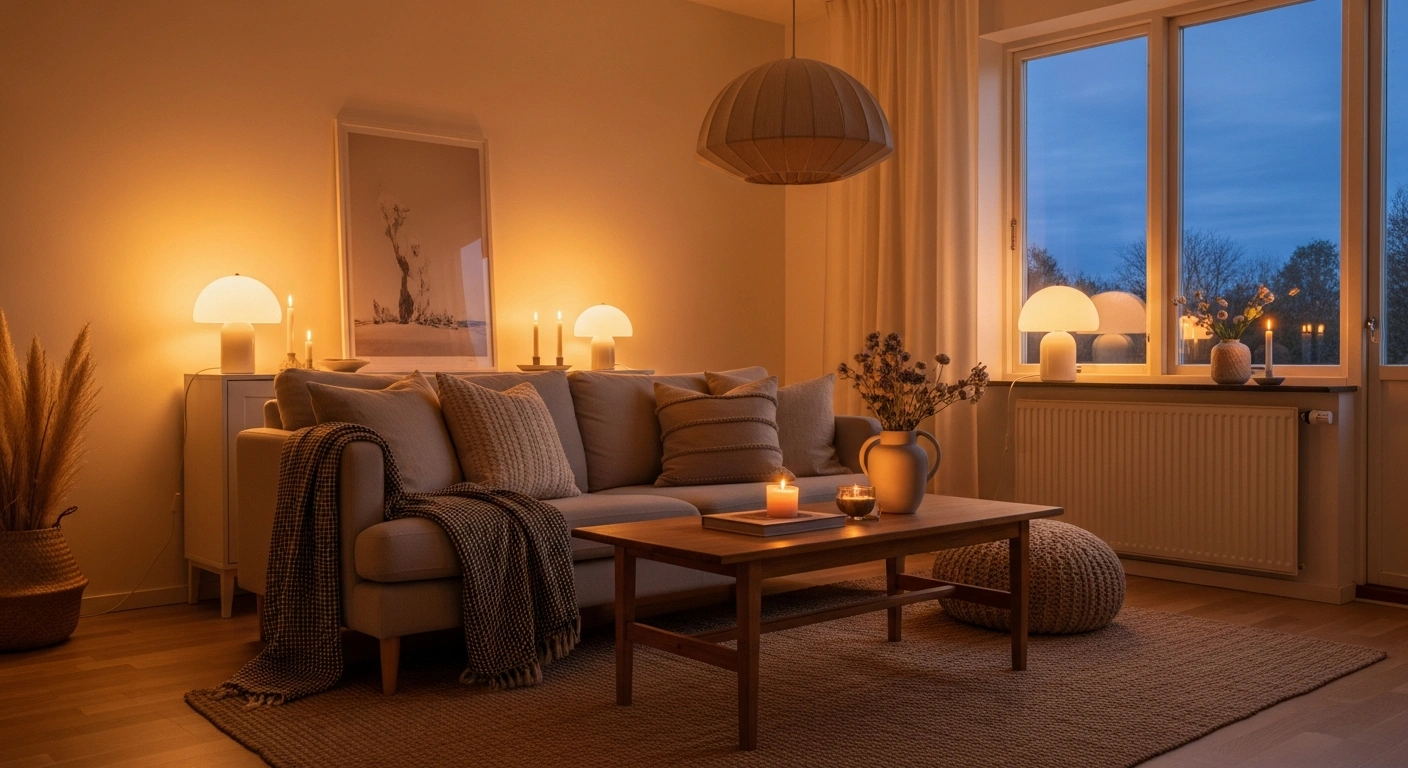
Soft lighting home decor transforms spaces immediately. Layered lighting strategies work best. You need multiple light sources creating warmth throughout the room. Table lamps positioned on side tables cast gentle pools of light. Floor lamps in corners create ambient warmth. Wall sconces flanking mirrors or artwork add sophistication. String lights strung across walls bring playful coziness. Candles—real or high-quality LED—provide irreplaceable warmth. The flickering movement soothes your nervous system in ways steady lighting cannot.
Color temperature matters enormously. Lighting measured at 2700K to 3000K feels warm and inviting. Lighting above 5000K feels cold and institutional. Most home lighting should hover in the 2700K range. This warm color temperature signals comfort to your nervous system. It makes spaces feel safe. Dimmers allow adjusting brightness for different moods and times of day. Morning might call for slightly brighter light. Evening calls for dimmed, amber-toned warmth.
| Lighting Type | Best Placement | Mood Created | Cost Range |
|---|---|---|---|
| Table Lamps | Side tables, desks | Focused warmth | $30-$150 |
| Floor Lamps | Corners, beside chairs | Ambient glow | $40-$200 |
| Wall Sconces | Around mirrors, artwork | Sophisticated warmth | $50-$300 |
| String Lights | Around walls, headboards | Playful coziness | $15-$50 |
| Candles (Real Wax) | Surfaces throughout | Irreplaceable glow | $3-$15 each |
| LED Candles | Safe alternatives | Flameless warmth | $5-$20 |
Easy ways to make your home cozy often start with lighting audits. Look at your current setup. Do overhead lights dominate? Replace them with table lamps and floor lamps. Are lights too bright? Install dimmers. Are light sources sparse? Add candles and string lights. Candlelight creates irreplaceable ambiance. The flickering movement engages something primal in us. Studies show candlelight reduces stress and anxiety while improving mood and sleep quality. Incorporating candles into warm and cozy interior design isn’t optional. It’s essential.
Natural light during daytime matters too. Sheer curtains allow light while maintaining privacy. Skylights and large windows bring daylight deeper into homes. Positioning seating near windows creates morning warmth. Creating a warm and calm home atmosphere means honoring daylight while preparing for evenings. Morning light energizes. Evening darkness calls for artificial warmth.
Natural Materials and Neutral Colors
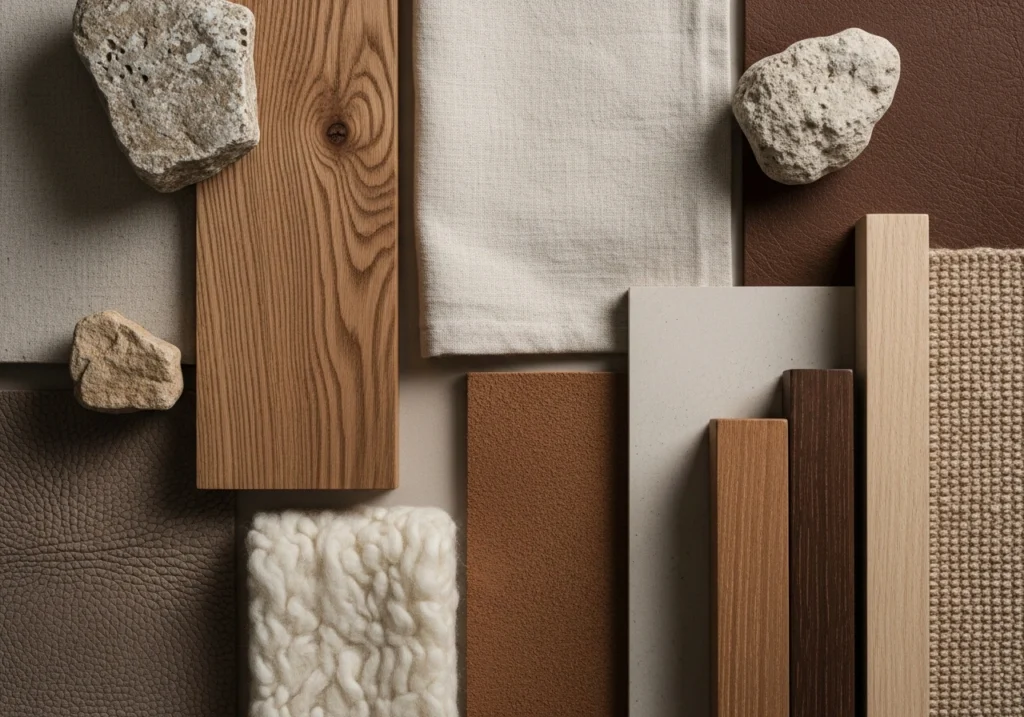
Natural decor elements form hygge’s foundation. Wood, stone, linen, wool, and leather age beautifully. They develop patina and character. They feel authentic. A wooden table scratched from years of use holds more warmth than a pristine new one. Worn leather chairs invite sitting more than untouched designer versions. Simple Scandinavian-inspired decor ideas celebrate this authenticity. They embrace imperfection. They treasure materials that improve with age.
Wood plays a central role in simple hygge decor ideas. Different wood tones—oak, walnut, pine, birch—each bring unique warmth. Mixing tones creates richness without chaos. Light woods feel fresh. Dark woods feel grounded. Medium tones bridge both. Exposed wooden beams, wooden furniture, wooden frames, and wooden flooring all contribute. Stone adds permanence. Concrete softens roughness when combined with textiles. Wool provides warmth. Linen offers breathable comfort. Leather develops gorgeous patina. Cotton blends soften spaces. These materials age. They wear. They develop stories.
Neutral home decor ideas provide visual calm essential for true coziness. Colors like cream, soft gray, warm white, and muted brown create peaceful backdrops. These aren’t boring. They’re sophisticated. They allow other elements prominence. Textures become the focal point. Natural materials showcase variation. Light interacts differently with rough surfaces versus smooth ones. Neutral palettes prevent visual overwhelm. Your brain doesn’t work constantly processing color information. Energy remains available for genuine relaxation.
Warm undertones distinguish successful neutral palettes from sterile ones. Cool whites can feel harsh. Warm whites feel inviting. Cool grays feel cold. Warm grays feel sophisticated. Choosing undertones carefully transforms neutral spaces from boring to beautiful. Warm whites lean toward cream, ivory, or champagne. Warm grays lean toward greige (gray-beige blends) or taupe. Cozy home decor ideas using neutrals remain warm and welcoming through undertone selection.
Strategic accent colors work beautifully within neutral frameworks. Burnt orange brings earthy warmth. Sage green feels natural and calming. Dusty blue suggests sky and water. Navy grounds spaces. These accents appear in textiles, artwork, or accessories. They add personality without overwhelming. Keeping accent colors muted maintains calm. Saturated, bright colors feel aggressive. Muted versions feel sophisticated and restful.
Cozy Textiles and Minimal Accessories
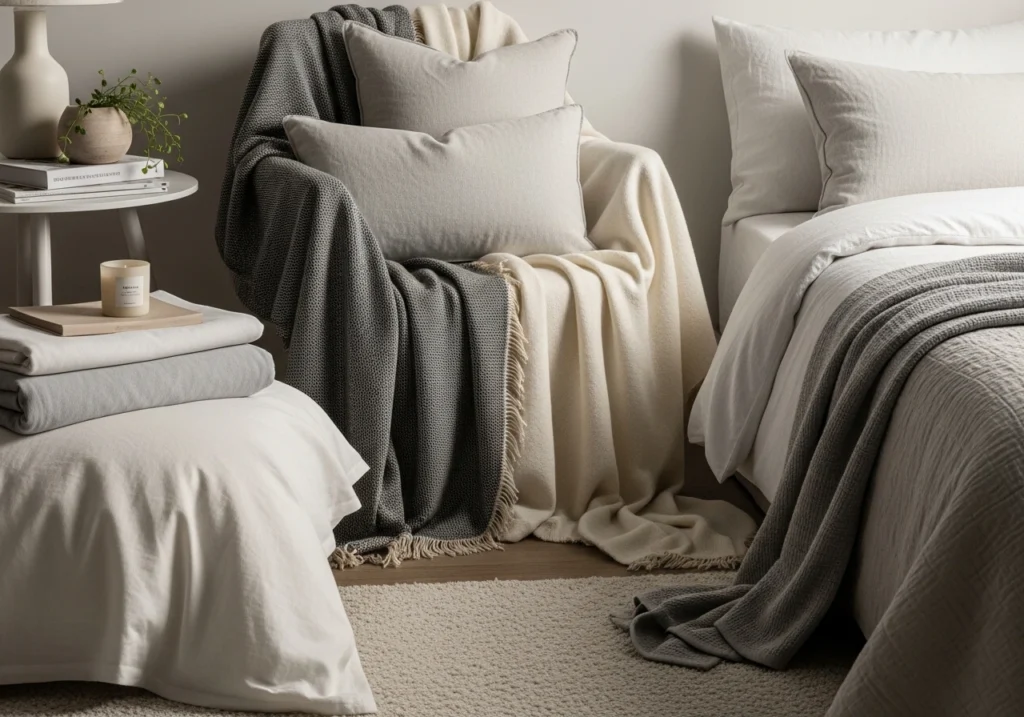
Textiles create simple hygge decor’s tactile dimension. Soft throws, plush rugs, linen cushions, and quality blankets invite touch and relaxation. They transform austere rooms into welcoming sanctuaries. Unlike maximalist decorating that layers textiles abundantly, minimalist cozy decor uses them strategically. Every item serves purpose. Every item provides comfort, warmth, or visual interest. Decoration alone has no place here.
Quality matters tremendously. A single premium wool throw outperforms five cheap acrylic blankets. Real linen pillowcases breathe better than synthetic blends. Genuine wool rugs last decades while synthetic versions shed and wear thin. Investment in quality textiles pays dividends over time. They soften with age rather than degrading. They age beautifully. A well-maintained linen throw used weekly for ten years develops character. It softens. It improves. Cheap alternatives deteriorate within months.
Layering textiles creates richness within simplicity. A bed might feature quality sheets (high thread count cotton), a lightweight blanket, a heavier throw, and carefully placed pillows. This layering serves function. It allows temperature adjustment. It creates visual interest through texture and subtle color variation. But restraint remains essential. Too many patterns clash. Too many textures feel chaotic. Cozy minimalist home decor tips teach mixing patterns sparingly. If using a checked pillow, keep others solid. If using a striped throw, pair it with texture rather than additional patterns.
Natural fibers outperform synthetics consistently in hygge home decor. Wool regulates temperature beautifully. It’s warm when cool, cool when warm. It naturally resists odors and staining. Linen becomes softer with washing. It breathes well. Cotton blends feel comfortable year-round. Leather develops gorgeous patina. Synthetic fibers feel plasticky. They don’t breathe. They don’t improve with time. Investing in natural fiber textiles aligns with hygge’s authenticity principle.
| Textile Type | Best Use | Benefits | Care Level |
|---|---|---|---|
| Wool Throws | Sofas, beds | Temperature regulation | Low |
| Linen Pillows | Beds, seating | Breathable comfort | Medium |
| Cotton Sheets | Beds | Soft, durable | Low |
| Wool Rugs | Living areas, bedrooms | Durability, warmth | Medium |
| Leather Accents | Chairs, poufs | Patina development | Medium |
| Linen Curtains | Windows | Light filtering, elegance | Medium |
Accessorizing requires ruthlessness. Simple cozy home ideas eliminate decorative items that don’t serve purpose. Ask before adding anything: Does this bring genuine comfort? Does it improve functionality? Does it deserve valuable space? Many homes accumulate items over years. Vases nobody uses. Decorative bowls without purpose. Throw pillows that don’t get sat on. Hygge demands releasing these. Empty surfaces aren’t failures. They’re breathing room. They’re mental calm. Easy ways to make your home cozy often involve removing items rather than adding them.
Essential accessories include items serving genuine purposes. Books bring both comfort and functionality. Plants add life and air quality. A single meaningful artwork reflects personal values. A candle holder serves dual purpose. Functional accessories feel less cluttered than purely decorative items. They justify their space. A beautiful basket storing blankets looks intentional. A decorative basket empty on a shelf looks wasteful.
Simple Hygge Decor Ideas for Living Room
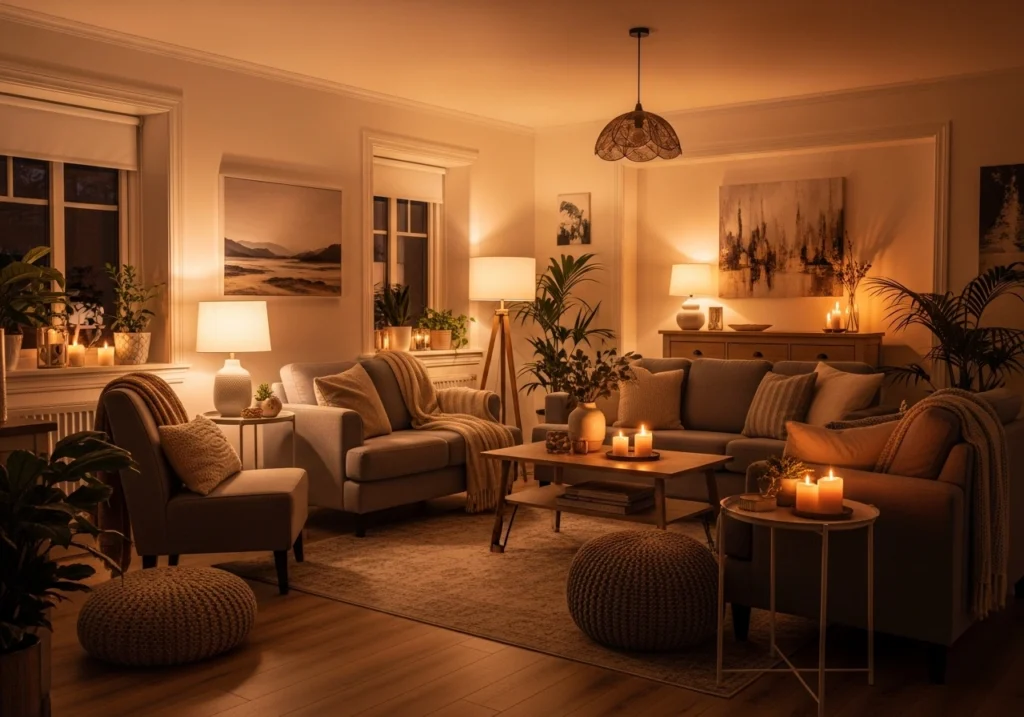
Living rooms deserve intentional simple hygge decor ideas since they’re where families gather. These are the spaces where genuine connection happens. Where you unwind after long days. Where guests feel welcomed or uncomfortable based on atmosphere. Creating hygge living room ideas means prioritizing comfort above all else.
Start with furniture arrangement. Conversation matters in hygge spaces. Seating should facilitate talking, not isolate individuals. Arranging chairs and sofas facing each other creates natural gathering. Nothing says “don’t relax here” like a sofa facing a blank wall. Position seating toward windows if possible. Natural light during daytime adds warmth. Views outside expand perceived space. Layer soft lighting around seating areas. A floor lamp in a corner. Table lamps on side tables. Candles on coffee tables. This layering creates ambient warmth engaging everyone in the room.
Anchor the living room with a quality rug. Rugs define spaces psychologically. They signal “this area is different.” They soften footsteps. They add warmth underfoot. Natural fiber rugs (wool, jute, sisal) feel authentic. They age beautifully. Size matters. Larger rugs make spaces feel connected. Smaller rugs look insufficient. Ideally, front sofa legs sit on the rug. This visual continuity feels intentional.
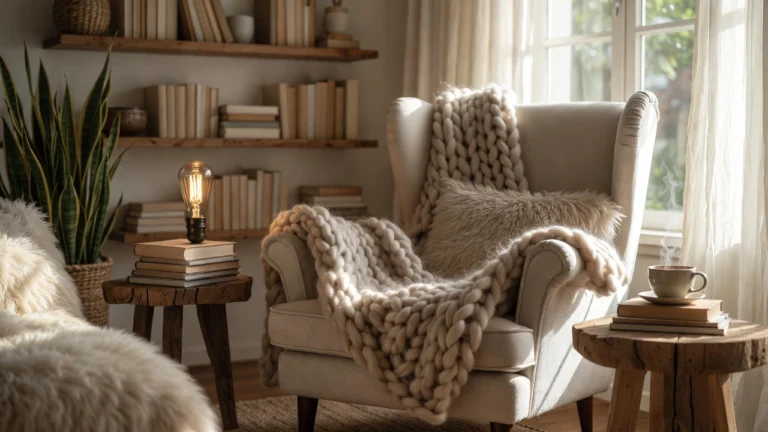
Textiles transform living rooms into cozy sanctuaries. Quality throws draped over sofas invite wrapping up. Throw pillows add comfort and visual interest. Mix textures rather than patterns. A wool throw pairs beautifully with linen pillows. A chunky knit blanket layers with smooth cotton. This textural variety feels rich without appearing chaotic. Warm and cozy interior living spaces use textiles strategically.
Keep surfaces minimal. A coffee table works best with books, a candle, and perhaps one small plant. Nothing else. Walls should display meaningful items only. A single beautiful artwork. Floating shelves with curated books. A mirror reflecting light and expanding perception. Empty wall space feels peaceful, not bare. Cozy home decor ideas celebrate white space.
Plants bring life to living rooms. Low-maintenance options like pothos, snake plants, or fiddle leaf figs work beautifully. They improve air quality. They add organic shapes. They soften harsh lines. One large plant works better than many small ones. It becomes a focal point rather than clutter.
Storage should hide rather than display. Open shelving invites accumulation. Closed cabinets keep items out of sight while remaining accessible. Baskets under tables store blankets and books. Wall-mounted shelving holds essentials without consuming floor space. Simple Scandinavian-inspired decor ideas emphasize hidden storage maintaining clean sight lines.
Simple Hygge Decor Ideas for Bedroom
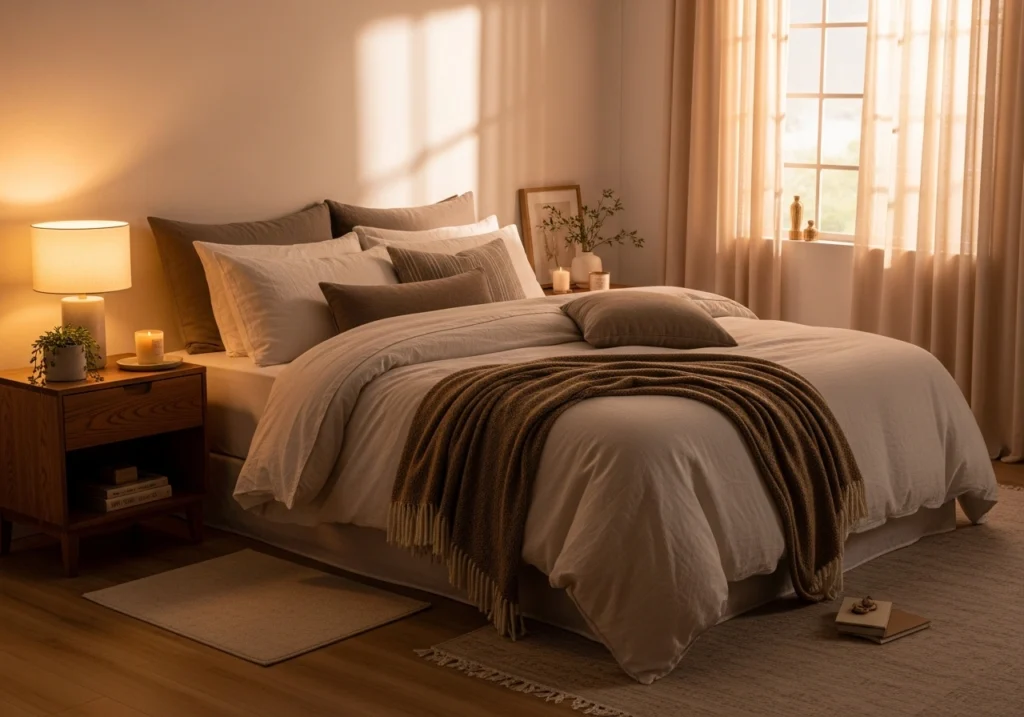
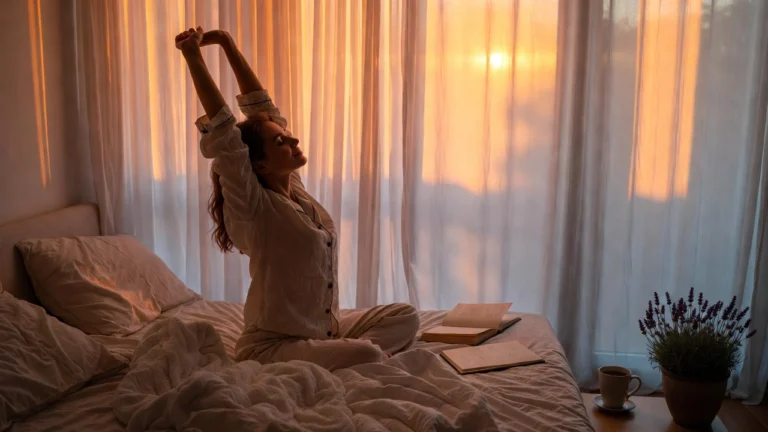
Bedrooms represent hygge home decor’s heart. Personal sanctuaries demand comfort prioritization. This is where you sleep. Where you start each day. Where you retreat for peace. Creating hygge bedroom decor means making this space feel like a safe, warm embrace.
Quality bedding forms the foundation. Invest in high thread count sheets. 400 to 600 thread count feels soft without being heavy. Natural fibers (cotton, linen) breathe better than synthetics. A quality duvet insert keeps warmth without overheating. Choose colors supporting relaxation. Soft whites, warm creams, gentle grays. Avoid bright colors in bedrooms. Save personality for living spaces. Save stimulation for daytime rooms.
Layer bedding creating visual and physical comfort. Start with fitted sheets and a flat sheet. Add a lightweight blanket. Top with a heavier throw or duvet. This layering allows temperature adjustment. Some nights require heavy covers. Some require lighter options. Layering accommodates both. Arrange pillows thoughtfully. Two at the headboard for sleeping. Two or three decorative pillows in front add visual interest without feeling cluttered. Stick to neutral colors maintaining calm. One textured pillow mix adds sophistication without chaos.
Invest in quality mattress and pillows. You spend one-third of your life sleeping. Quality sleep impacts everything. A mattress supporting proper spinal alignment matters. Pillows supporting your neck matter. Cheap versions create pain and poor sleep. Good versions transform sleep quality entirely. This represents money well spent.
Wall color sets bedroom mood. Warm whites, soft grays, pale blues, or gentle greens work beautifully. Avoid bold colors creating stimulation. Avoid cool colors feeling cold. Paint matters. Quality paint applies smoothly. Budget paint leaves visible brushstrokes. One coat of quality paint looks better than two coats of cheap paint. Consider finishing walls slightly matte. This reduces reflection and glare.
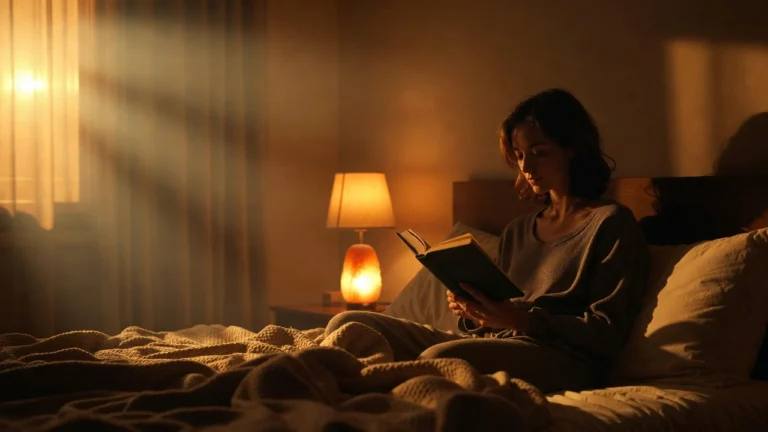
Lighting requires special attention in bedrooms. Harsh overhead lights prevent sleep. Soft bedside lamps allow reading without stimulation. Dimmers let you adjust brightness. Warm color temperature (2700K) supports melatonin production. This helps sleep quality. Wall sconces beside beds offer reading light without reaching. Keep screens away from beds. The blue light disrupts sleep.
Window coverings serve multiple purposes. Light-blocking options during sleep hours support rest. Sheer curtains allow morning light. Layering both—sheer curtains with blackout options—provides flexibility. Soft, natural fabrics like linen or cotton feel appropriate for bedrooms. Avoid heavy, synthetic-feeling materials. Curtains should hang to floor or slightly beyond, creating elegance and visual height.
A bedroom rug adds warmth underfoot. Waking to cold floors feels unwelcoming. Soft wool or plush options feel luxurious while remaining practical. Rugs define space. They soften footsteps. They add insulation. Light colors work well in bedrooms. They expand perceived space. They provide calm visual backdrop.
Storage should hide completely. Nightstands work best with minimal items. A lamp. A book. A small plant. Nothing more. Drawers hide essentials. Closed closets contain clothes. Under-bed storage holds seasonal items. Surfaces should look nearly empty. Empty surfaces promote sleep. Cluttered surfaces create anxiety.
Scent matters in bedrooms. Lavender promotes relaxation. Chamomile encourages sleep. Avoid strong scents like citrus energizing rather than calming. Scent diffusers work better than sprays. They create gentle, consistent fragrance. Choose high-quality options. Synthetic scents feel harsh. Natural essential oils feel authentic.
Creating a warm and calm home atmosphere in bedrooms means temperature control. Keep rooms slightly cool—around 65-68 degrees. This supports better sleep. Too warm disrupts rest. Too cold feels uncomfortable. Quality bedding maintains warmth without overheating.
Simple Hygge Decor Ideas for Small Spaces
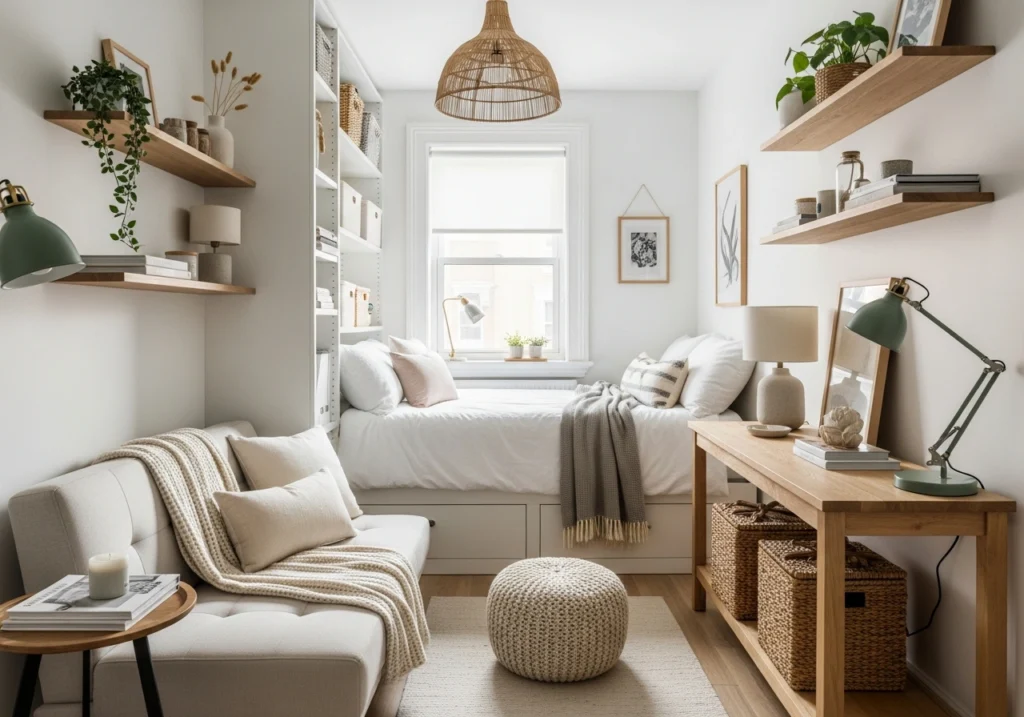
Small spaces actually embrace simple hygge decor ideas naturally. Minimalism feels less restrictive. More intentional. More honest about what truly matters. Simple hygge decor for small spaces eliminates excess forcing mindfulness about possessions. Everything visible serves purpose. Everything visible brings comfort.
Vertical storage prevents floor clutter. Floating shelves use wall space efficiently. Wall-mounted hooks hold items. Tall, narrow bookcases maximize vertical real estate. Corner shelving utilizes awkward spaces. These solutions keep floors open creating perceived spaciousness. Open floors feel calming. Cramped floors feel stressful.
Light colors expand spatial perception. Dark colors make spaces feel smaller. Whites, creams, soft grays open rooms psychologically. This doesn’t mean blank. Textures and natural materials add richness. But color restraint genuinely makes small spaces feel larger. Paint walls lighter colors. Choose light-colored furniture. Use neutral textiles.
Strategic lighting adds depth. Multiple light sources scattered throughout create interest. A corner lamp, a bedside lamp, candles on shelves. Light bounces creating perceived volume. Mirrors reflect light and views expanding perception. A mirror opposite a window bounces natural light throughout the room. Mirrors positioned thoughtfully work magic in small spaces.
Quality textiles compensate for square footage limits. A premium wool throw feels more luxurious than several cheap blankets. Quality pillows feel more comfortable. Soft rug feels more inviting. Investment in fewer, better items beats scattered cheap purchases. Small cozy home ideas celebrate quality over quantity completely.
Multifunctional furniture serves small spaces brilliantly. Ottomans store blankets while providing seating or footrests. Beds with drawers hide items. Shelving units serve as room dividers defining space psychologically. Nesting tables adjust to needs. Consoles work as desks, dressers, or display surfaces. Every piece should earn its space through dual or triple purpose.
Decluttering happens before decorating. Empty apartment before adding items. Remove everything not serving purpose. Empty shelves work better than full ones. Empty drawers remain accessible. An empty small space feels peaceful. A cluttered small space feels oppressive. Easy ways to make your home cozy in small spaces mean removing things ruthlessly before adding anything.
Storage solutions hide necessities beautifully. Pretty baskets store items maintaining clean sight lines. Closed cabinets keep items accessible while invisible. Drawers hide supplies. Wall-mounted shelving remains open but organized. Storage under furniture utilizes wasted space. Invisible storage makes small spaces breathe. Visible clutter suffocates them.
Making small spaces feel intentional rather than limited requires perspective shift. Small spaces aren’t temporary. They’re complete homes deserving intentional design. Curated small spaces feel sophisticated. They feel chosen rather than compromised. They showcase personality efficiently. Minimalist cozy decor transforms small spaces into intimate sanctuaries rather than cramped apartments.
Budget-Friendly Simple Hygge Decor Ideas
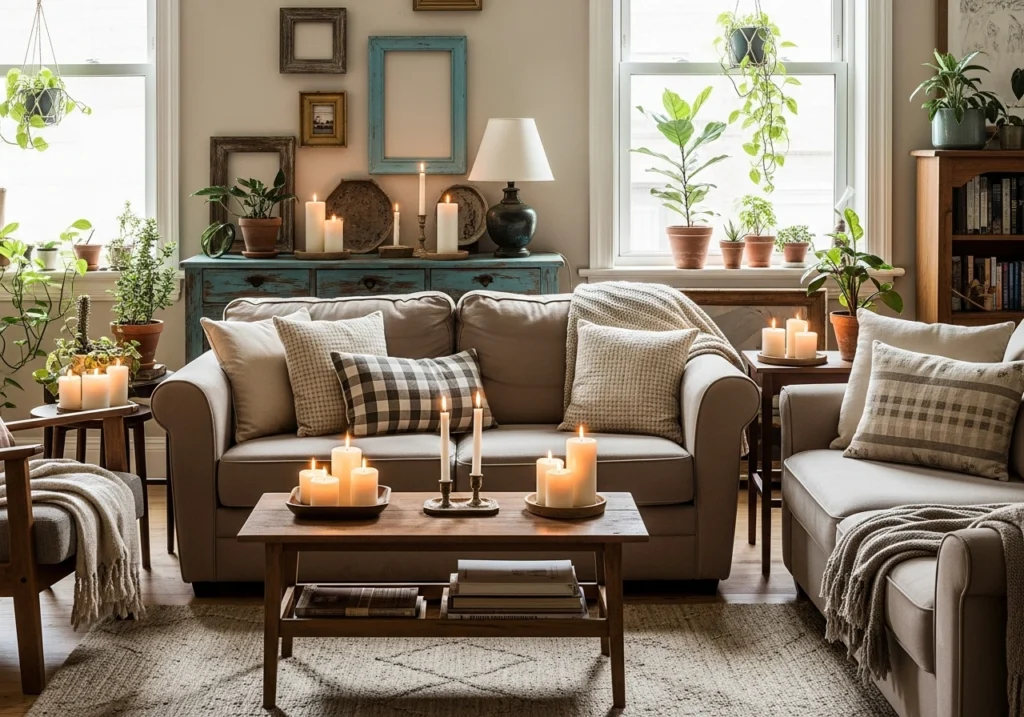
Simple hygge decor costs far less than trend-driven alternatives. This philosophy embraces restraint financially and materially. Budget hygge decor options abound. You don’t need wealth to create comfort. You need strategy.
Thrift stores offer authentic, affordable pieces. Vintage wooden furniture develops character decades cheaper than new reproductions. Authentic vintage items cost fractions of new pieces. Hunt vintage stores, estate sales, and secondhand shops. You’ll find beautiful wood pieces, quality textiles, interesting artwork, and unique accessories. Shopping secondhand aligns perfectly with hygge’s sustainability values.
DIY projects personalize spaces affordably. Paint old picture frames. Sew pillow covers from linen. Build floating shelves. Refinish wooden furniture. These projects require modest supplies costing less than finished products. They infuse spaces with personal meaning. Handmade items feel more authentic than mass-produced alternatives. Your effort matters. Your creativity matters. DIY projects transform cheap items into treasured pieces.
Candles create maximum ambiance impact cheaply. A $5 candle transforms a room instantly. Real wax candles from discount stores cost less than fancy versions. Grouping candles creates dramatic effect. Ten $3 candles positioned strategically outperform expensive single versions. Affordable hygge decorating ideas lean heavily on candles because they deliver massive impact for minimal investment.
Rearranging existing furniture costs nothing. Fresh layouts feel like redecorating. Moving the sofa. Repositioning the bed. Turning chairs at angles. These simple changes refresh spaces entirely. Your brain perceives newness. You enjoy renewed appreciation for existing items. Free redecoration through rearrangement works remarkably well.
Textiles from discount retailers provide genuine softness without premium prices. Quality wool throws exist at reasonable prices if you shop during sales. Linen pillowcases cost less buying off-season. Cotton sheets feel wonderful at mid-range prices. Shopping sales strategically stretches budgets enormously. Sign up for store emails. Watch clearance sections. Buy off-season items at discounts.
Gradual investment strategy beats rushed decorating financially and aesthetically. Rather than buying everything at once, invest slowly in quality basics. First month: bedding. Second month: area rug. Third month: lighting. Fourth month: seating textiles. This approach prevents overspending. It allows decisions to simmer. You avoid impulse purchases regretted later. You invest thoughtfully rather than frantically.
Repurposing existing items saves money creatively. Old jars become candle holders. Scarves become wall hangings. Wooden crates become storage. Vintage books become decorative stacks. Your creativity matters. Your restraint matters. Free items become treasured decorations through perspective shifts.
Community swap groups and free groups offer hidden treasures. Facebook Marketplace, Buy Nothing groups, and Craigslist host items people want to gift away. Offering a few hours helping someone move might earn quality furniture. Online groups share resources generously. Hygge decor without spending much money becomes possible through community connection.
How to Create a Hygge Home Without Overdecorating
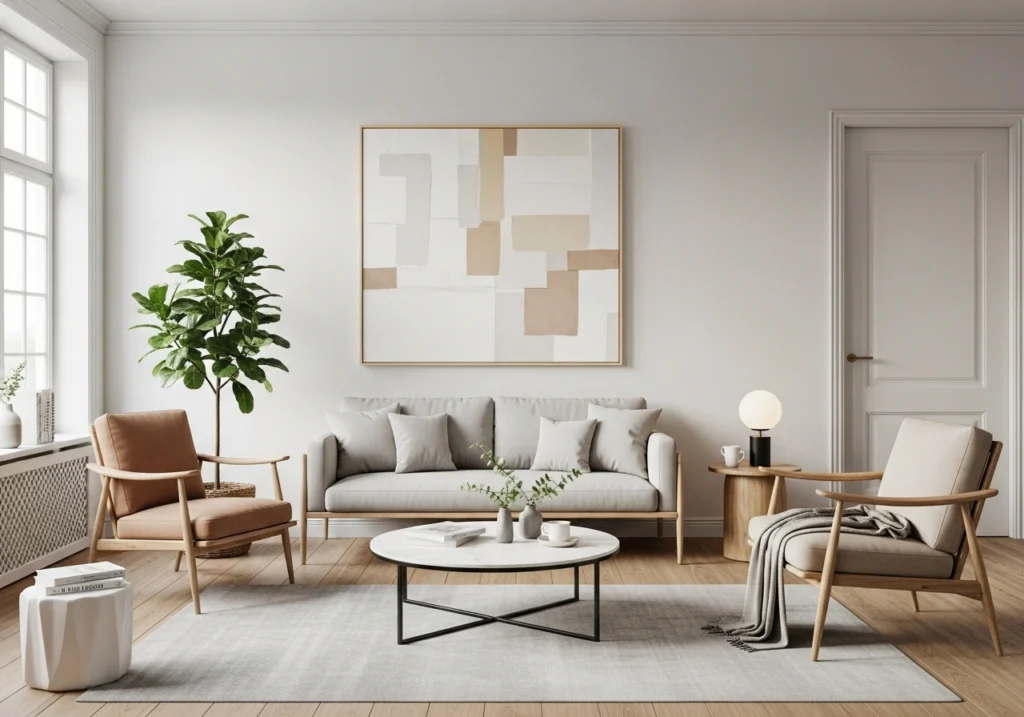
Restraint defines simple hygge decor ideas fundamentally. Before adding anything to your home, ask critical questions. Does this serve genuine purpose? Does it bring authentic comfort? Does it honestly deserve precious space? Does it align with my values? Empty surfaces aren’t failures. They’re breathing room. They’re visual calm. They’re mental peace.
Easy ways to make your home cozy often involve editing aggressively rather than acquiring. Most homes contain three times more items than necessary. Removing these items transforms spaces instantly. Clear shelves calm minds. Empty surfaces invite relaxation. Uncluttered rooms support sleep and peace. This philosophy contradicts consumer culture. It aligns perfectly with genuine wellbeing.
Intentional minimalism creates calm. Every visible item should serve purpose or bring joy. Decoration alone doesn’t qualify. A throw pillow you never use is clutter. A vase gathering dust is clutter. Books you’ll never reread are clutter. These items stress your brain subconsciously. Removing them creates freedom. Space becomes intentional. Rooms feel designed rather than accumulated.
Understanding empty space as design element shifts perspective. Designers use white space constantly. Empty wall space creates focus elsewhere. Uncluttered shelves make remaining items prominent. Breathing room makes everything visible more meaningful. Japanese design philosophy emphasizes this principle. Emptiness isn’t absence. It’s presence of possibility.
Avoiding impulse purchases protects budgets and spaces simultaneously. See something appealing? Wait a week. Still want it? Wait another week. Genuine needs persist. Impulses fade. This simple practice eliminates regrettable purchases. It prevents accumulation. It maintains intentional spaces. Cozy home styling ideas prioritize restraint preventing chaos.
Creating visual focal points prevents scattered decorating. Rather than distributing items throughout rooms, concentrate them. One beautiful gallery wall. One dramatic light fixture. One quality rug. One significant artwork. These focal points anchor spaces. They prevent scattered clutter feeling. Rooms feel designed rather than accumulated.
Seasonal decoration restraint maintains calm. Holiday decorations can overwhelm. Use them minimally. A small wreath. Subtle lights. Minimal ornaments. Store most decorations away. This approach prevents cramping spaces. It maintains year-round coziness. Winter doesn’t mean cluttering homes. Holidays don’t mean abandoning design principles.
Testing items before permanent placement prevents mistakes. Bring candles home. Live with them. Do they actually make spaces better? Or do they take up space? Borrow items from friends. See how they feel in your actual space. Rental furniture allows trying before buying. These approaches prevent expensive mistakes.
Accepting blank walls as success requires perspective shift. Not every wall needs decoration. Some walls should remain empty. This emptiness creates calm. Your eyes rest. Your brain relaxes. Permission to have blank walls represents freedom. It means not following decorating rules obsessively. It means listening to what spaces actually need rather than what magazines suggest.
Conclusion: Creating Comfort with Simple Hygge Decor Ideas
Simple hygge decor ideas represent permission to prioritize comfort, authenticity, and intentionality above trends and perfectionism. This philosophy isn’t complicated. It’s not exclusive. It’s available to everyone regardless of budget or home size. Through thoughtful choices—warm lighting, natural materials, quality textiles, minimal accessories—homes transform into genuine sanctuaries.
Hygge home decor principles remind us that comfort matters. Connection matters. Authenticity matters more than perfection. Spaces should support wellbeing rather than create stress. They should invite relaxation rather than demand maintenance. They should reflect genuine preferences rather than external expectations. Simple cozy home ideas celebrate this return to what truly matters.
Implementation happens gradually. Start with one room. Apply lighting changes. Add quality textiles. Remove unnecessary items. Notice how the space transforms. Feel how it changes your mood. Notice yourself spending more time there. Notice deeper relaxation. Then move to another room. This gradual approach prevents overwhelm. It allows sustainable change. It creates lasting results.
The beauty of simple hygge decor lies in its simplicity. You don’t need wealth. You don’t need design expertise. You need understanding. You need to know that warmth beats trends. Authenticity beats perfection. Quality beats quantity. Comfort beats appearance. These principles guide every decision. These principles create spaces supporting genuine wellbeing.
Your home should feel like a hug. It should welcome you. It should relax you. It should support your real life rather than some imagined perfect version. Creating a warm and calm home atmosphere means designing for yourself. For your actual preferences. For your genuine comfort. For your honest wellbeing. This is what hygge truly offers. Not rules. Not trends. Not perfectionism. Just warm, authentic, comfortable home spaces. That’s enough. That’s everything.
FAQs: Simple Hygge Decor Ideas
What are the key elements of simple hygge decor?
The core foundation of simple hygge decor rests on several interconnected elements working together harmoniously. Soft lighting home decor serves as the most critical element, transforming mood instantly through layered, warm light sources positioned strategically throughout spaces. Natural materials form the second pillar, with wood, stone, linen, wool, and leather providing authentic beauty that ages wonderfully. Neutral color palettes create visual calm, providing peaceful backdrops allowing textures to shine. Quality textiles—throws, pillows, rugs, blankets made from natural fibers—deliver tactile warmth inviting genuine comfort. Finally, minimal accessories ensure each visible item serves authentic purpose rather than decoration alone. These elements interconnect beautifully. Soft lighting showcases natural materials. Neutral colors highlight textile textures. Strategic accessories maintain minimalist calm. Understanding these relationships helps you create cohesive, intentional spaces feeling warmly welcoming rather than randomly assembled.
Can hygge decor work in small homes?
Absolutely, and actually, small spaces embrace simple hygge decor for small spaces principles naturally. Minimalist cozy decor feels less restrictive in compact homes. Forced minimalism becomes genuine. Smaller spaces demand intentionality preventing careless accumulation. Vertical storage uses wall space efficiently keeping floors open. Light colors expand perceived dimensions. Strategic lighting adds depth. Quality textiles compensate for limited square footage through richness and comfort. Cozy home decor ideas specifically designed for small spaces feel intimate rather than cramped. Small homes can showcase personality beautifully through careful curation. They avoid sprawling, disconnected rooms feeling overwhelming. Compact spaces feel intentionally designed rather than compromised. When decorated with simple hygge decor ideas, small homes become sanctuaries feeling warm, welcoming, and completely sufficient.
How can I create hygge decor on a budget?
Budget hygge decor options abound making comfort accessible regardless of financial resources. Thrift stores offer authentic, vintage pieces costing fractions of new reproductions. Wooden furniture, quality textiles, meaningful artwork, and unique accessories become treasures through secondhand shopping. DIY projects personalize spaces affordably—painting frames, sewing pillow covers, refinishing furniture. Hygge decor without spending much money relies heavily on candles, which deliver massive ambiance impact for minimal investment. Rearranging existing furniture costs nothing while refreshing spaces entirely. Shopping sales strategically stretches budgets. Buying off-season items reduces costs significantly. Gradual investment prevents overspending, allowing thoughtful decisions rather than rushed purchases. Community swap groups and Buy Nothing networks offer free items. Repurposing existing items through creative perspective shifts costs nothing. Affordable hygge decorating ideas prioritize restraint, quality over quantity, and creative resourcefulness. Comfort doesn’t require wealth. It requires intentionality.
Is hygge decor the same as Scandinavian decor?
These concepts relate closely but represent distinct approaches. Scandinavian home decor emphasizes minimalism, functionality, clean lines, and light color palettes optimized for dark Nordic winters. It prioritizes efficiency and utility. Hygge incorporates Scandinavian design principles but emphasizes warmth and emotional comfort equally. Scandinavian design provides the structure. Hygge provides the feeling. Simple Scandinavian-inspired decor ideas adopt minimalist frameworks while infusing warmth through textiles, lighting, and sensory elements creating genuine coziness. Scandinavian rooms can feel cool and austere. Hygge rooms feel warm and inviting. Think of Scandinavian design as the skeleton. Hygge is the warmth breathing life into that skeleton. Simple hygge decor ideas inspired by Scandinavian principles create spaces that are beautifully minimal yet genuinely cozy—the perfect blend of form and feeling.
What colors are best for simple hygge decor?
Neutral palettes dominate successful simple hygge decor designs. Creams, soft grays, warm whites, and muted browns provide visual calm while remaining warm and inviting. Neutral home decor ideas require attention to undertones. Warm whites feel inviting. Cool whites feel harsh. Warm grays feel sophisticated. Cool grays feel cold. Choose undertones carefully distinguishing peaceful from sterile. Warm whites lean toward cream, ivory, or champagne. Warm grays lean toward greige or taupe. Strategic accent colors work beautifully within neutral frameworks. Burnt orange brings earthy warmth. Sage green feels natural and calming. Dusty blue suggests sky and water. Navy grounds spaces. These accents appear in textiles, artwork, or accessories adding personality without overwhelming. Keep accents muted maintaining calm. Saturated bright colors feel aggressive. Muted versions feel sophisticated and restful. Cozy home decor ideas succeed through color restraint creating peaceful foundations while warmth and personality emerge through textiles, materials, and layered lighting.
Final Thoughts
Creating simple hygge decor represents returning to what genuinely matters. Not trends. Not perfectionism. Not comparison. Just authentic comfort supporting real wellbeing. Your home should feel like a warm embrace. It should welcome you home. It should help you relax. It should support your actual life. These principles guide everything. Start today. Make one change. Notice the difference. Then make another. Gradually, intentionally, your space transforms. Welcome home.