
Slow and Peaceful Holiday Season: How to Celebrate Mindfully and Stress-Free
The holidays are coming. Many people feel excited. But some feel stressed. The shopping, cooking, parties, and endless tasks can make you tired. What if this year was different? What if you could experience a slow and peaceful holiday season that feels calm instead of chaotic?
This article shows you how. We’ll explore ways to make your holidays slower, quieter, and more meaningful. You’ll learn to say no without guilt. You’ll discover how to create a calm holiday celebration that works for your family. By the end, you’ll have real strategies to enjoy a stress-free holiday that actually feels good.
Why Choosing a Slow Holiday Season is Good for Your Wellbeing
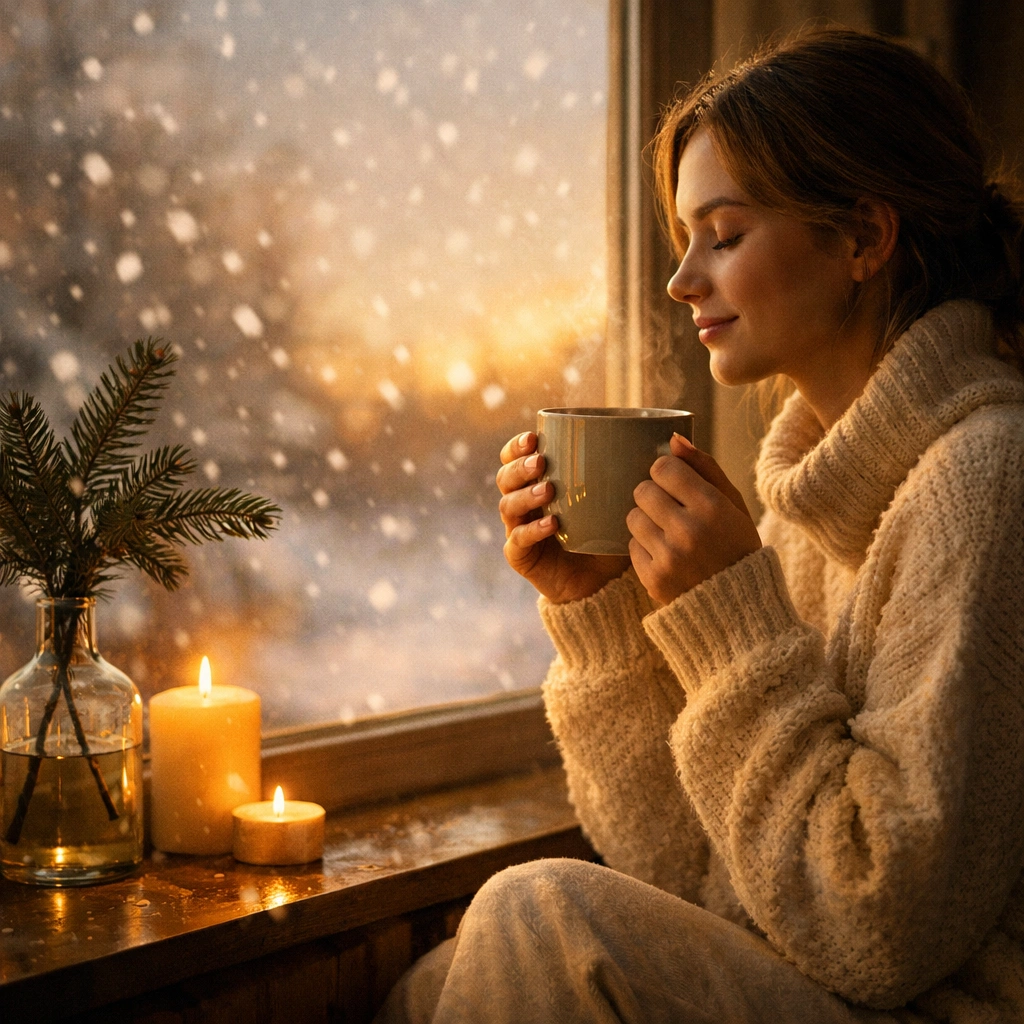
A slow and peaceful holiday season isn’t lazy. It’s intentional. When you slow down during the holidays, your body and mind finally get a chance to rest. Most people run from November through January without stopping. They skip meals, lose sleep, and ignore their own needs. This creates stress that shows up as anxiety, irritability, and exhaustion.
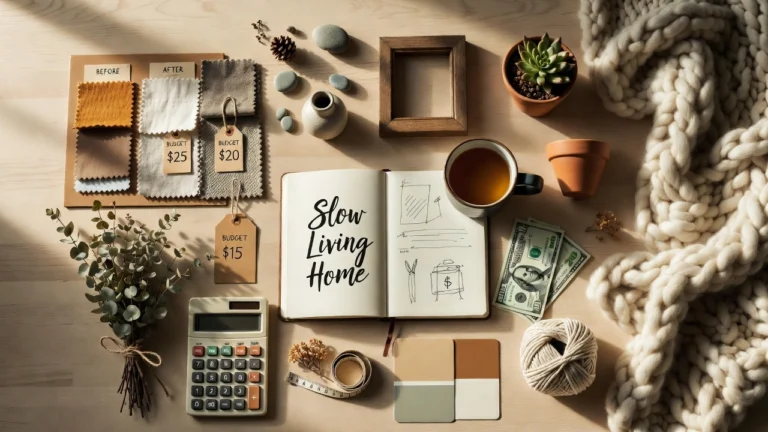
you may also like this:Slow Living Home Decor: How to Create a Cozy, Calm, and Mindful Home
Research shows that rushed holidays increase cortisol levels. Cortisol is the stress hormone your body releases when you’re overwhelmed. High cortisol makes you tired, weakens your immune system, and makes you sick more easily. By choosing a mindful holiday season, you protect your health. Studies from the American Psychological Association show that people who practice mindfulness during stressful times have 30% less anxiety and sleep better. A stress-free holiday isn’t about doing less. It’s about choosing what matters most and letting the rest go.
Understanding the Impact of Holiday Stress on Mental Health
Holiday stress affects your mental health in real ways. When you’re rushing, your brain can’t process emotions properly. You snap at family members. You feel guilty about your temper. Then you feel more stressed about feeling guilty. It becomes a cycle. The holiday season also brings up old family patterns and difficult memories for many people. If your family was chaotic growing up, the holidays might trigger those old feelings. If you’ve experienced loss, seeing happy families celebrating can feel painful.
A peaceful Christmas season gives your nervous system a chance to calm down. When your nervous system is calm, you can handle difficult emotions better. You can enjoy the good moments without rushing past them. You can be present with the people you love. Research from Harvard Medical School shows that people who practice mindfulness have better emotional regulation. They’re less reactive and more able to choose how they respond to stress. A calm holiday celebration with relaxing holiday ideas actually heals your nervous system.
The Science Behind Mindful Celebration
The brain loves novelty and new experiences. But it also loves routine and predictability. During the holidays, most people only experience novelty and chaos. Their brains never settle down. When you practice slow living during holidays, you give your brain what it needs. Neuroscientists have found that mindfulness activates the prefrontal cortex. This is the part of your brain that handles decision-making, planning, and self-control. When this area is active, you feel calmer and more in control.
Mindful holiday season practices also increase serotonin and dopamine. These are feel-good chemicals in your brain. When you slow down and notice beautiful moments, your brain releases these chemicals naturally. You don’t need presents or parties to feel happy. You need presence and attention. A simple moment of watching snow fall can make you happier than a big party you’re too stressed to enjoy. The holidays become about quality, not quantity. This is what makes a stress-free holiday actually feel peaceful.
Planning a Calm and Stress-Free Holiday Schedule
The biggest mistake people make is trying to do everything. They want a perfect house, perfect meals, perfect decorations, and perfect memories. But perfect doesn’t exist. Perfect is exhausting. When you plan a calm holiday celebration, you choose your top three to five priorities. Everything else is optional. Maybe your priority is cooking a special meal with your kids. Or maybe it’s decorating the house. Or spending quiet time with your partner. Whatever your priorities are, protect them. Say no to everything else.
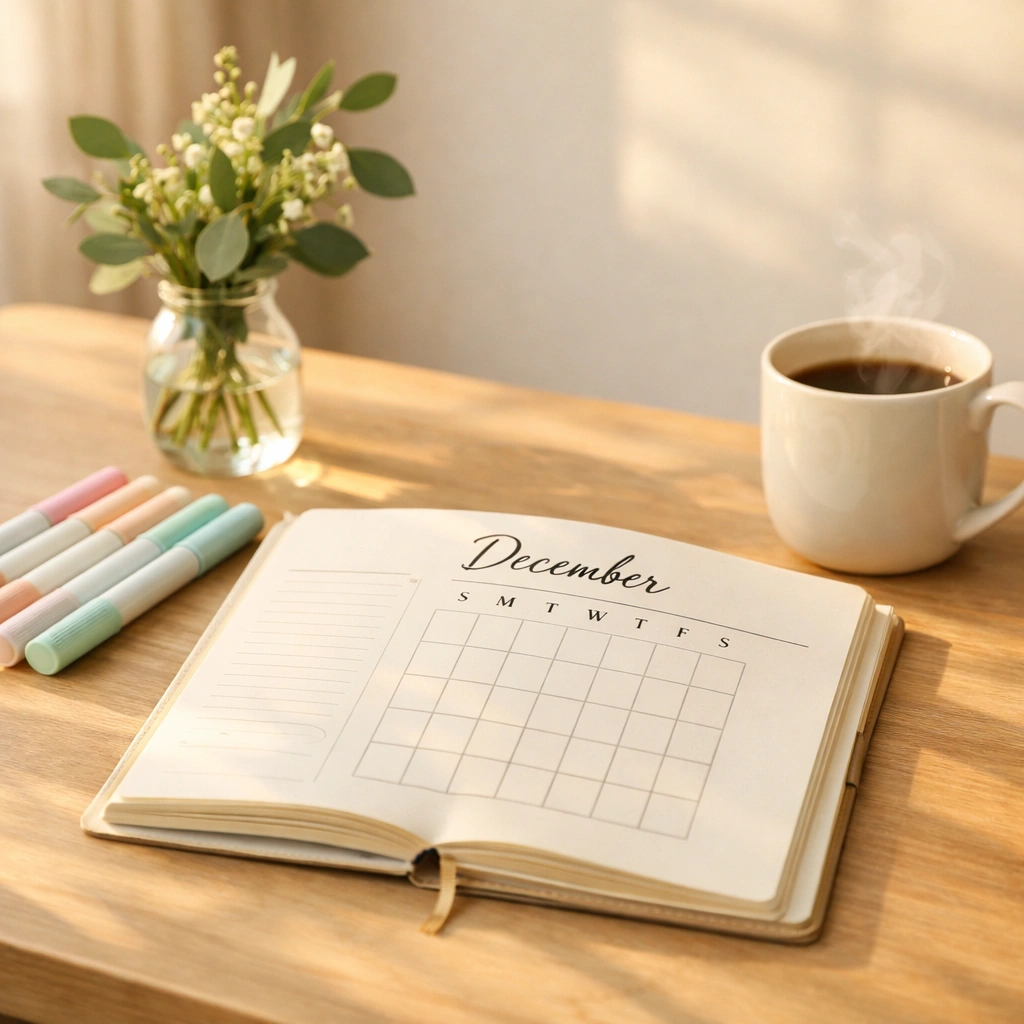
Stress-free holiday tips start with a realistic schedule. Look at November and December on a calendar. Mark the fixed events. These are things you can’t move, like school parties or family dinners. Then look at the white space. This is time you can fill or leave empty. Most people try to fill every space with more activities. Instead, leave some space open. Build in buffer time. Life happens. Someone gets sick. You need a mental health day. Stores are out of something you planned to buy. When you have buffer time, these things don’t derail your whole holiday.
Creating a Realistic Holiday Timeline

Start your holiday planning in early November. Don’t wait until mid-November when panic sets in. Grab a notebook or open a document. Write down every holiday tradition you do. Every gift you buy. Every meal you cook. Every decoration you hang. Every party you host or attend. Now look at this list honestly. How much of this do you actually enjoy? Highlight the things you love. These are your non-negotiables. Everything else is negotiable.
Break your big tasks into smaller steps. Instead of “decorate the house,” write “hang lights outside” and “put up tree” and “decorate mantel” on different days. This makes big projects feel manageable. A slow-paced festive season spreads tasks across weeks instead of doing everything in one weekend. You might hang outdoor lights in early November. You might put up the tree in mid-November. You might do indoor decorations later. By spreading tasks out, you have time to enjoy each step. The cozy holiday traditions you create feel special because you’re present while doing them.
| Task | Week 1 | Week 2 | Week 3 | Week 4 |
|---|---|---|---|---|
| Outdoor lights | Start | Finish | — | — |
| Indoor decorations | — | Start | Finish | — |
| Holiday shopping | Ongoing | Ongoing | Finish | — |
| Meal prep | — | — | Start | Finish |
| Card writing | — | Start | Finish | — |
Saying No Without Guilt

This is the hardest part for most people. You feel obligated to say yes to everything. You worry people will be upset if you decline. Here’s the truth: people get over it. And your wellbeing matters more than making everyone happy. You cannot pour from an empty cup. If you’re exhausted and resentful, you can’t show up fully for anyone.
Practice saying no kindly. You don’t need a long explanation. “Thank you so much for inviting us, but we’re keeping our holiday simple this year and won’t be able to make it” is enough. You don’t owe anyone your energy or time. When you say no to things that drain you, you say yes to things that fill you. You say yes to quiet moments with loved ones during holidays. You say yes to rest. You say yes to a peaceful holiday instead of a performance.
Mindful Holiday Traditions for a Peaceful Celebration

Traditions give structure to the holidays. They create memories. They help us feel connected to family history. But many traditions became obligatory rather than joyful. Someone is doing them because they’ve always done them, not because they love them. A slow and peaceful holiday season means examining your traditions. Which ones bring joy? Which ones feel like obligations? You can keep the joyful ones and release the ones that drain you.
Creating new traditions aligned with your values is powerful. Maybe your family’s tradition was a huge decorated house, but you love minimalism. You could start a new tradition of a minimalist holiday decor with just a few meaningful pieces. Or maybe your family always went to lots of parties, but you prefer quiet. You could start a new tradition of a quiet winter holidays with movie nights instead. Your traditions should reflect your life now, not your parents’ life from thirty years ago. The most beautiful holidays are the ones where families feel relaxed and connected, not stressed and performing.
Reimagining Time-Honored Customs
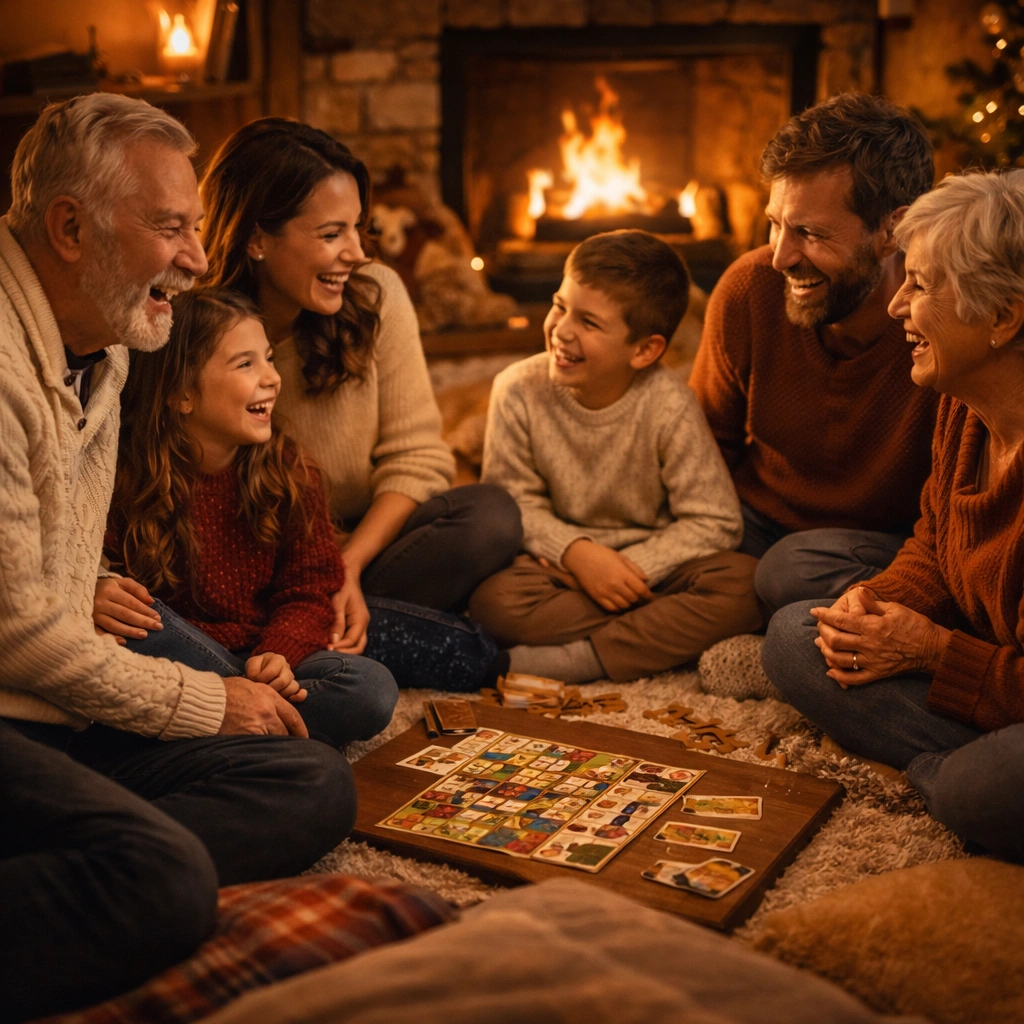
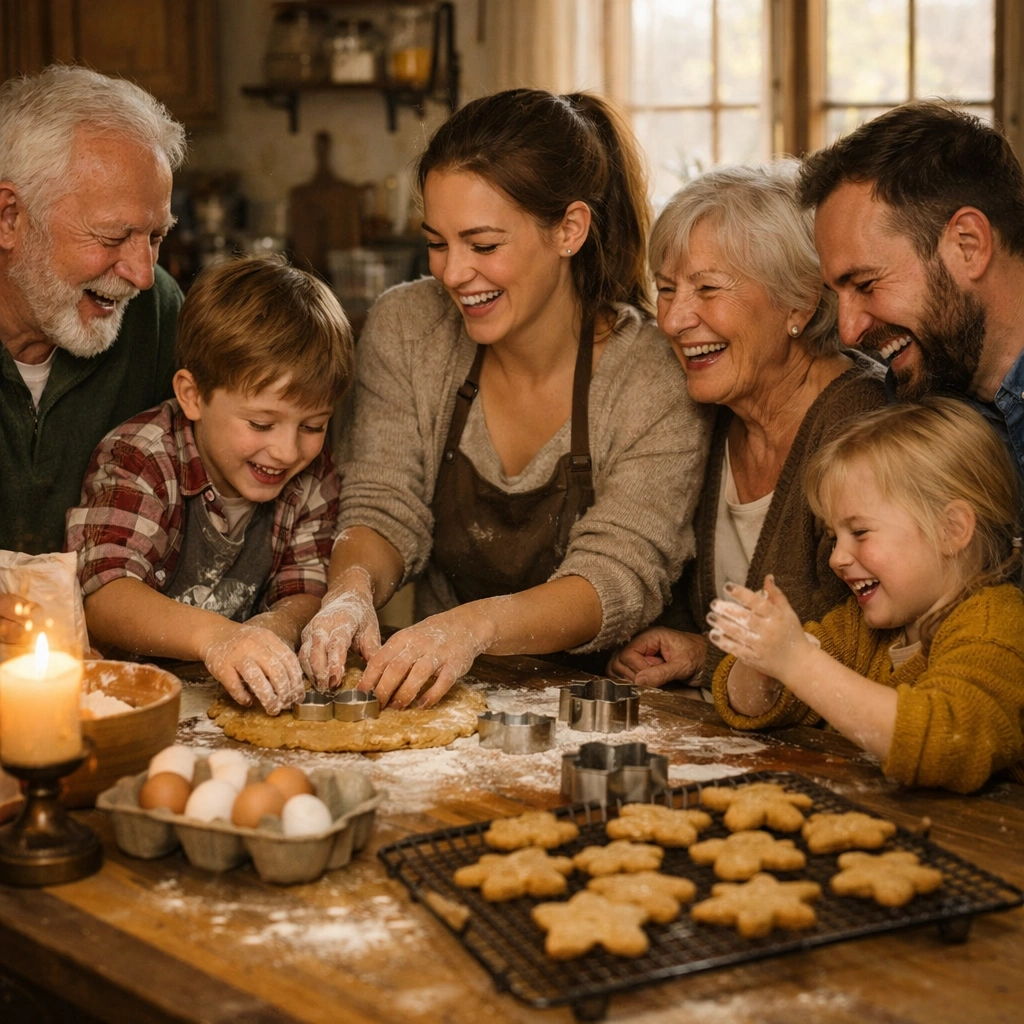
Think about the traditions you grew up with. Some probably felt magical. Others probably felt like work. The ones that felt magical are worth keeping. The ones that felt like work are worth releasing. For example, maybe your family always made homemade candy and decorated cookies together. If everyone loved this, keep it. But if you were stressed about the kitchen being messy and cookies looking perfect, you could simplify. Make just one type of cookie. Or buy quality cookies and decorate them with your kids for fun, not for perfection.
Peaceful Christmas ideas often involve slowing down traditional activities. Instead of a stressful Christmas Eve dinner where you’re cooking all day, what if you cooked a simple meal? Or got takeout? Or made a charcuterie board? Your family still gets to eat together. You get to be present instead of stuck in the kitchen. Instead of a complicated gift exchange with piles of presents, what if everyone got just one gift they really wanted? The slow living during holidays means keeping what’s meaningful and simplifying what’s not.
Incorporating Meditation and Reflection Practices

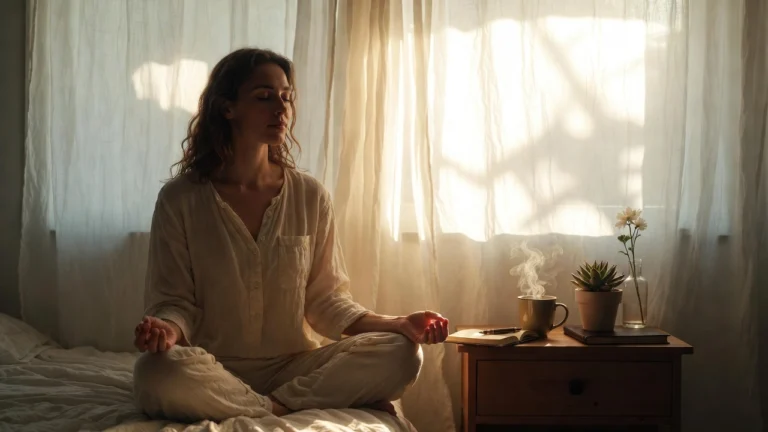
You don’t need to be experienced in meditation to practice it during the holidays. A simple practice is to spend five minutes each morning noticing your breath. Sit somewhere quiet. Close your eyes. Count your breaths. Breathe in for four counts, hold for four, breathe out for four. Do this five times. Your nervous system will calm down. Your mind will clear. You’ll start your day from a peaceful place instead of jumping straight into stress.
Mindful holiday season activities also include reflection. Each evening, write down three good moments from the day. They don’t have to be big. Maybe your kid made a funny joke. Maybe you had a good cup of coffee. Maybe the sunset was beautiful. Writing these down trains your brain to notice the good stuff. Research shows that gratitude practices reduce depression and anxiety by up to 23%. A simple evening reflection changes how you experience the whole day.
Creating a Cozy and Relaxing Home Atmosphere

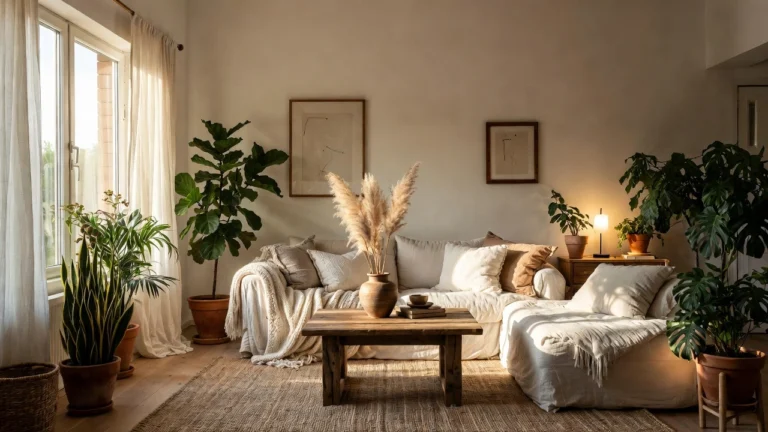
Your home is a sanctuary during the holidays. If it’s cluttered and chaotic, your mind will feel cluttered and chaotic. If it’s clean and organized, your mind will feel calm. You don’t need a magazine-perfect home. You need a home that feels peaceful. Start by decluttering before you decorate. Remove things you don’t love or need. Give away excess items. This creates physical space, which creates mental space.
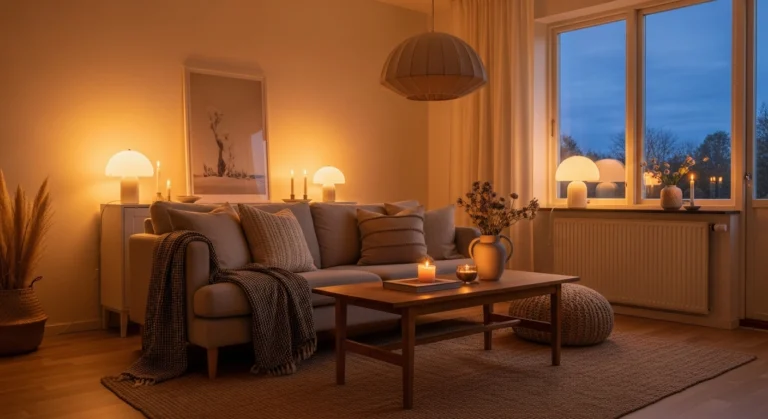
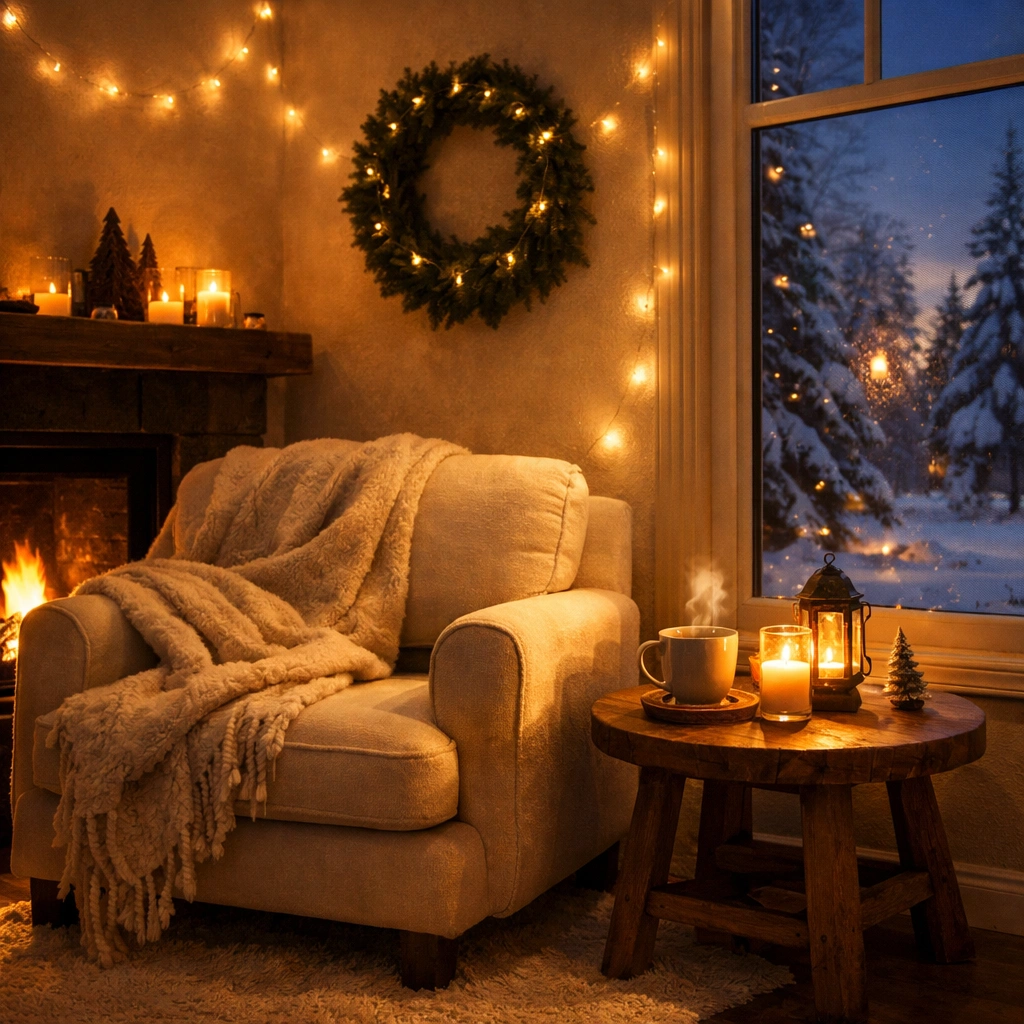
A tranquil holiday home uses color and light intentionally. Soft, warm colors like cream, gray, and soft green feel calming. Bright reds and flashy decorations can feel stimulating instead of relaxing. Warm lighting is essential. Harsh overhead lights feel institutional. Instead, use lamps, candles, and string lights. The warm glow creates coziness. A hygge holiday season (hygge is a Danish word for cozy contentment) focuses on creating a feeling, not a look. It’s about comfort and warmth and togetherness.
Conclusion
A slow and peaceful holiday season is possible. It doesn’t require perfection or lots of money. It requires intention. It requires saying no to things that drain you. It requires saying yes to things that fill you. It requires protecting rest and presence over productivity and performance. It requires believing that simple, quiet holidays are actually better than rushed, busy ones.
This year can be different. You can experience a calm holiday celebration where you feel peaceful instead of stressed. Where you’re present with people you love instead of rushing between tasks. Where you enjoy the season instead of surviving it. It starts with small choices. Choosing to say no. Choosing to simplify. Choosing to rest. Choosing to be present. These choices add up. They transform your entire holiday experience.
The most meaningful holidays are the quiet ones. The moments of real connection. The time spent doing nothing special. The conversations. The laughter. The feeling of being safe and loved. You don’t need a magazine-perfect home or an impressive meal. You need presence. You need peace. You need to feel okay. Mindful holiday season practices give you this. You have permission to celebrate slowly. You have permission to make the holidays work for you instead of working for the holidays. Start today. Choose one thing from this article. Try it. See how it feels. Then try another. By the time the holidays arrive, you’ll have created your own version of a slow and peaceful holiday season.
Frequently Asked Questions
How do I explain my slower approach to family?
Many families have strong expectations about how holidays should look. Conversations are important. You might say something like: “I want to spend quality time with everyone, but I do better when things are less chaotic. I’m planning our holidays differently this year to create a calmer experience. I hope you’ll enjoy it too.” Most people appreciate honesty. Frame your slower approach as wanting to enjoy time together more, not as rejecting their traditions. Some families might resist initially. When they experience the peace of a slower holiday, they usually come around. If they don’t, remember that their comfort isn’t your responsibility. Your wellbeing is.
Can children enjoy a peaceful holiday season?
Children actually thrive with slower holidays. They get overstimulated by constant activity and sugar and loud environments. A slower pace allows them to actually enjoy moments instead of rushing past them. Kids love simple activities like decorating cookies, building blanket forts, or watching snow. They love family time without screens. They love traditions they understand and can participate in. The stressed, rushed holiday might look fun from the outside. But kids feel the stress. They pick up on parental anxiety. A calm environment actually makes them happier. You’re teaching them healthy habits they’ll carry into adulthood.
What if my partner wants a traditional busy holiday?
Partnerships require compromise. Maybe your partner loves big family gatherings while you find them draining. Talk about what you both need. Maybe you attend one big gathering and keep other time quiet. Maybe you alternate whose preferences take priority year to year. Maybe you split traditions, each doing some things you love. The goal is finding a holiday that works for both of you. If you can’t reach agreement, a counselor can help. But usually, when both partners understand why the other person needs a certain pace, compromise is possible. Your partner might surprise you and enjoy a calmer pace once they try it.
How do I balance joy with intentionality?
Intentionality enhances joy. It doesn’t diminish it. When you’re present instead of rushing, you feel more joy. When you do activities you actually love instead of obligations, you feel more joy. When you’re rested instead than exhausted, you experience more joy. Joy and intentionality aren’t opposites. They’re partners. A slow, peaceful holiday has more genuine joy than a rushed one. The joy is quieter, maybe. It’s deeper though. It lasts longer. You’ll remember quiet moments with loved ones for years. You’ll forget a stressful party immediately. Intentional joy is real joy.
Where do I start if this feels completely new?
Start small. Choose one thing from this article. Maybe it’s the five-senses grounding technique. Learn it. Use it. See how it works. Then add one more thing. Maybe it’s saying no to one obligation. Then one more thing. Maybe it’s creating a reading nook. These small changes accumulate. By the time the holidays arrive, you’ll have built a foundation of stress-free holiday tips and practices. You don’t have to change everything at once. Small, consistent changes create lasting results. Be patient with yourself as you learn a new way of celebrating.