How to Make Slow Living Decor Swaps on a Budget
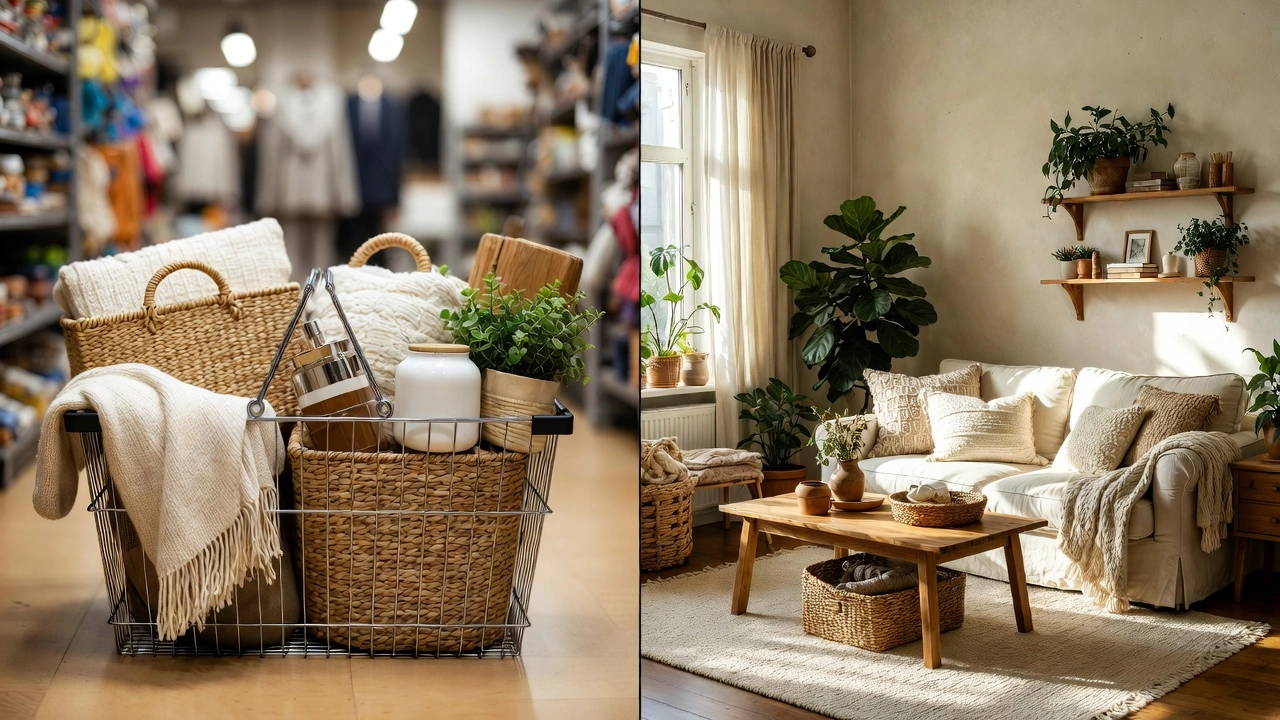
Big box stores overwhelm with their endless aisles of cheap disposable decor. Everything screams “buy me now!” in bright colors and rock-bottom prices. You fill your cart thinking you’re saving money. But six months later, those trendy pillows look dated. That particleboard shelf wobbles dangerously. The synthetic throw blanket pills into an ugly mess. You’re back at the store replacing everything again, trapped in an expensive cycle disguised as savings. This isn’t frugality. It’s financial quicksand dressed up as bargains.
Here’s what the home decor industry won’t tell you: slow living decor swaps actually cost less long-term despite sometimes higher upfront prices. The philosophy centers on buying less, choosing better, prioritizing quality natural materials that age beautifully rather than deteriorate miserably. Sustainable decor swaps align perfectly with tight budgets because they eliminate constant replacement cycles draining bank accounts month after month. The ten mindful home updates ahead require no trust funds or unlimited credit cards—just thrift stores, nature walks, smart shopping, and willingness to resist impulse buying marketed as necessity. Your home deserves better than disposable junk. Your wallet definitely deserves better. Let’s swap fast for slow starting today.
What Are Slow Living Decor Swaps and Why They Matter
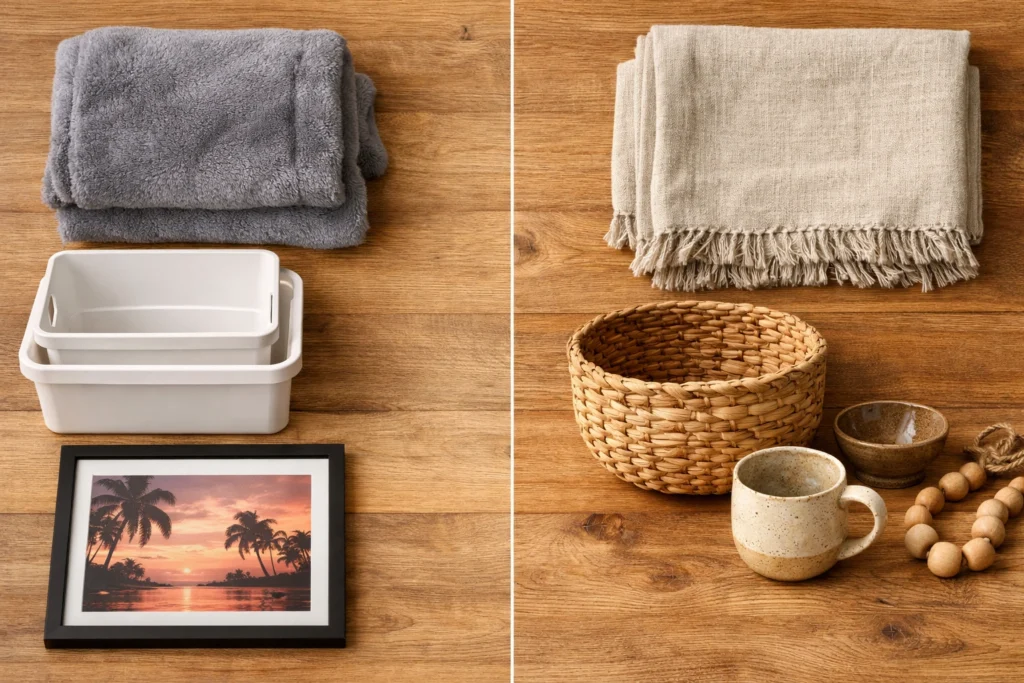
The slow design philosophy counters everything modern consumer culture teaches about home decorating. Instead of trend-chasing and constant upgrading, it emphasizes intentional decorating choices around longevity, sustainability, and genuine quality. Slow living decor swaps mean replacing synthetic materials with natural alternatives, disposable items with lasting treasures, mass-produced pieces with handmade decor pieces. The core principles include honoring natural materials, choosing timeless design, supporting local artisans, and consuming consciously rather than compulsively. This isn’t minimalism demanding stark emptiness—it’s thoughtful home swaps creating warmth through quality over quantity decor that improves rather than deteriorates over years. The approach saves money by eliminating replacement cycles while reducing environmental impact through mindful decorating swaps.
The psychological benefits extend beyond aesthetics into genuine wellbeing improvements. Decluttering for slow living reduces decision fatigue by eliminating excess competing for attention. Financial advantages compound over time—initial investments in quality pieces pay dividends through longevity while cheap alternatives create ongoing expenses. Environmental benefits matter too: sustainable home changes dramatically lower carbon footprint and landfill waste. Common misconceptions paint slow living as expensive privilege, but budget constraints actually align perfectly with its buy less choose better mentality. The goal isn’t deprivation. It’s liberation from the constant consumption treadmill marketed as happiness. Slow living home ideas prove that conscious home design costs less while delivering more satisfaction, beauty, and peace than any amount of disposable decor ever could.
Replace Synthetic Textiles with Natural Fiber Alternatives
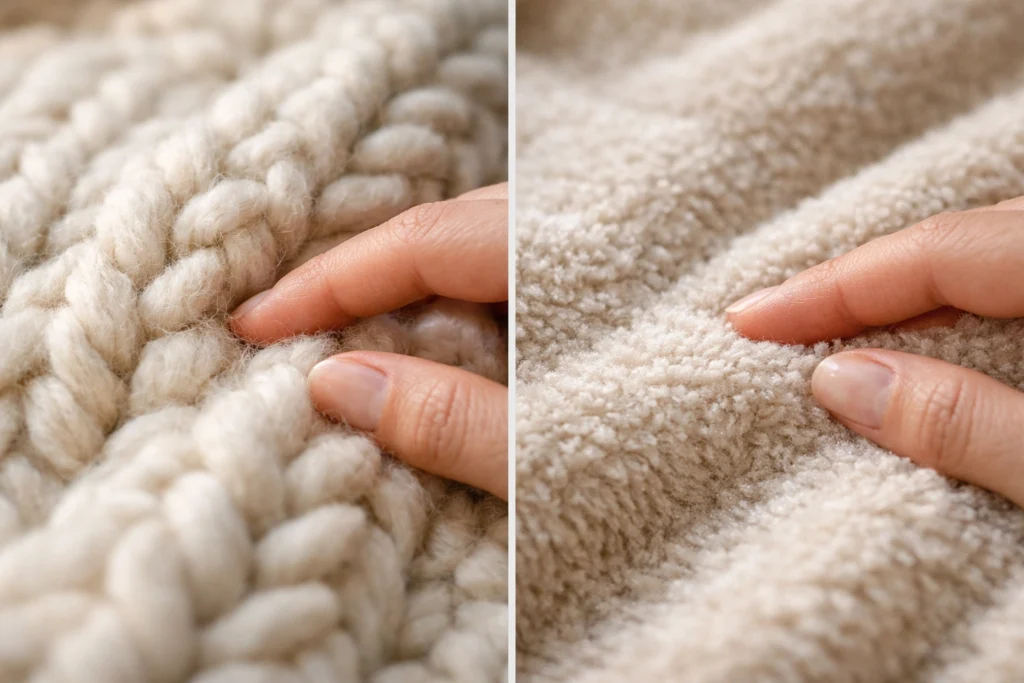
Synthetic textiles dominate modern home goods because they’re cheap to manufacture and market as “easy care.” But polyester throws feel clammy. Acrylic blankets pill into ugly nubs. Nylon rugs crush flat and never recover. These petroleum-based fabrics reduce consumption of quality while creating ongoing replacement expenses. Natural fiber textiles—cotton, linen, wool, jute—breathe beautifully, regulate temperature, and develop soft patina rather than deteriorating into trash. The tactile quality difference between synthetic and natural materials registers immediately when you touch quality linen versus polyester claiming to be linen. Natural material swaps create better daily experiences while lasting decades instead of seasons. Environmental advantages matter too: biodegradable natural fibers return to earth while synthetics persist in landfills for centuries.
| Synthetic Item | Natural Alternative | Budget Source | Approx Cost | Lifespan |
|---|---|---|---|---|
| Polyester throw | Wool or cotton blanket | Thrift stores, estate sales | $10-25 | 20-50 years |
| Acrylic pillows | Linen or cotton covers | Fabric stores (DIY), secondhand | $5-15 each | 10-20 years |
| Synthetic curtains | Linen or cotton drapes | Goodwill, online marketplaces | $15-40 | 15-30 years |
| Nylon area rug | Jute or wool rug | HomeGoods clearance, FB Marketplace | $30-80 | 10-40 years |
| Microfiber sheets | Cotton or linen sheets | Thrift stores, sales | $20-50 | 10-25 years |
Swap Fast Fashion Decor for Timeless Secondhand Finds
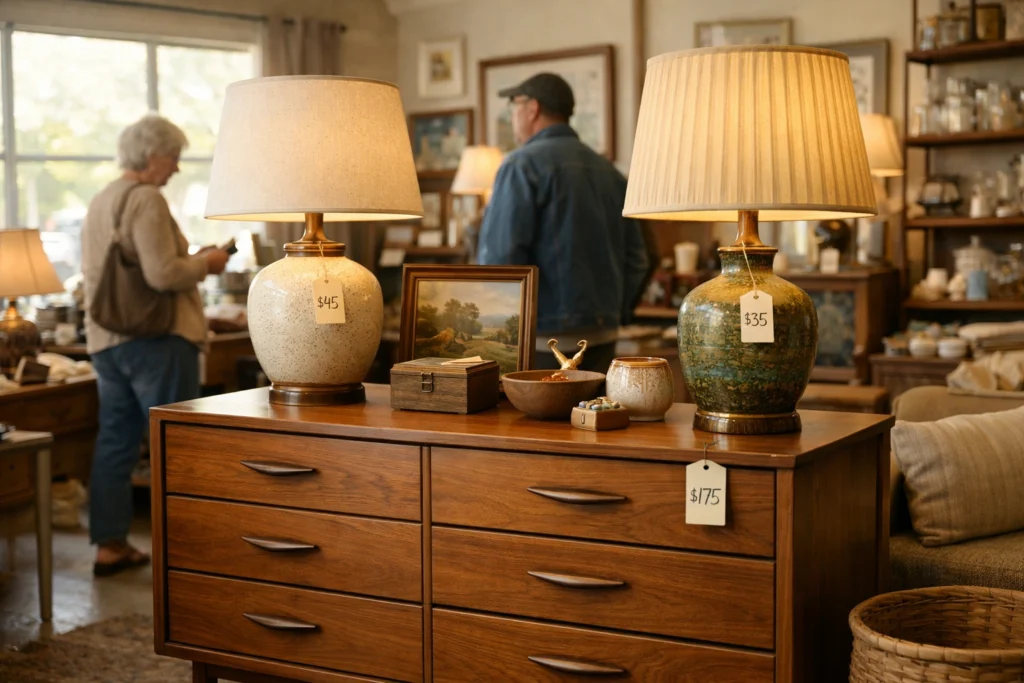
Fast fashion decor mirrors clothing industry’s worst practices: trendy designs manufactured cheaply for rapid turnover creating constant consumption. The parallel runs deep—both industries market disposability as affordability while actually costing more through replacement cycles. Environmental costs mount exponentially: landfill waste, resource depletion, carbon emissions from constant manufacturing and shipping. Aesthetic problems plague fast decor too. Every Target and HomeGoods carries identical items making homes look like catalog spreads rather than personal spaces. Trends date quickly, rendering purchases obsolete within seasons. Millennial gray. Farmhouse everything. Coastal grandmother. Each wave creates landfill mountains of perfectly functional items abandoned because they’re no longer Instagram-worthy. The financial waste compounds when you calculate repeatedly buying replacement items every time aesthetics shift.
Secondhand decor choices offer escape from this expensive hamster wheel through timeless decor swaps emphasizing classic shapes, neutral colors, and quality construction. Treasure vintage finds at estate sales where entire households liquidate at fractions of retail, often including pieces that survived decades proving their durability. Habitat for Humanity ReStores sell donated furniture and decor benefiting charity while offering incredible deals. Consignment shops curate quality pieces, doing authentication work for you. Online options like Chairish, Facebook Marketplace, and local vintage groups expand hunting grounds exponentially. Learn to appreciate craftsmanship by inspecting stability, checking for solid wood rather than particleboard, and testing drawers and doors. Practice patience—the perfect piece appears when you’re not desperately searching. The unique character of vintage decor finds beats cookie-cutter new items every time, creating homes reflecting personality rather than mimicking retail displays.
Choose Quality Over Quantity When Buying New Pieces
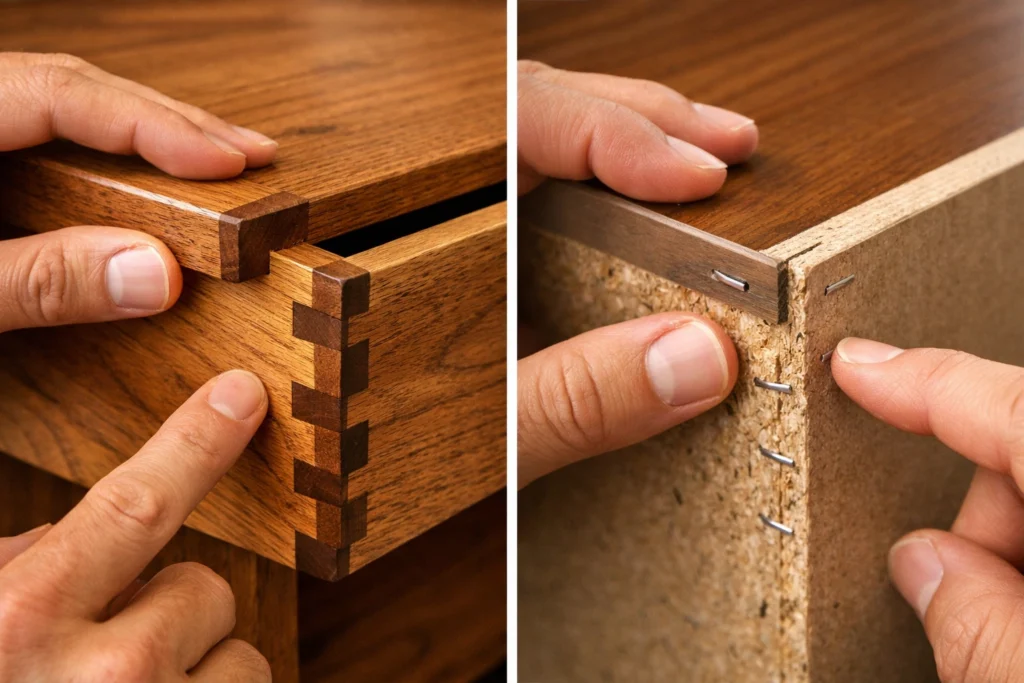
The quality over quantity decor philosophy requires mental shift from “how much can I buy?” to “what truly serves me?” Cost-per-use calculations reveal that expensive items used daily cost less than cheap items used rarely. A $200 solid wood nightstand serving faithfully for 30 years costs $6.67 annually. A $50 particleboard version collapsing after 3 years costs $16.67 annually—and that’s before calculating replacement time, effort, and transportation. Quality hallmarks include solid wood rather than composite, dovetail joints rather than staples, natural materials rather than synthetics. Research construction methods before purchasing. Invest wisely by saving designated funds rather than impulse buying wrong pieces. Quality items transcend trends, becoming heirlooms rather than landfill fodder.
you may also like this:How to Start A Hygge Home This Year
Budget strategies for buying less, choosing better include saving specifically for decor purchases rather than grabbing whatever’s cheap today. Wait for sales on quality brands—West Elm, Crate & Barrel, Room & Board all discount floor models and discontinued items substantially. Outlet stores offer first-quality goods at 30-60% off retail. Financing options through Affirm or Klarna spread costs over months for major furniture pieces, though interest-free plans work best. One quality piece beats five cheap alternatives both aesthetically and financially. The satisfaction of owning fewer better things surpasses the clutter of abundant junk. Intentional interior updates through occasional quality purchases create more beauty than constant cheap acquisitions ever could. This conscious consumption decor approach honors both your space and your money by refusing to treat either carelessly through impulse purchases.
Trade Mass-Produced Art for Handmade or Local Pieces
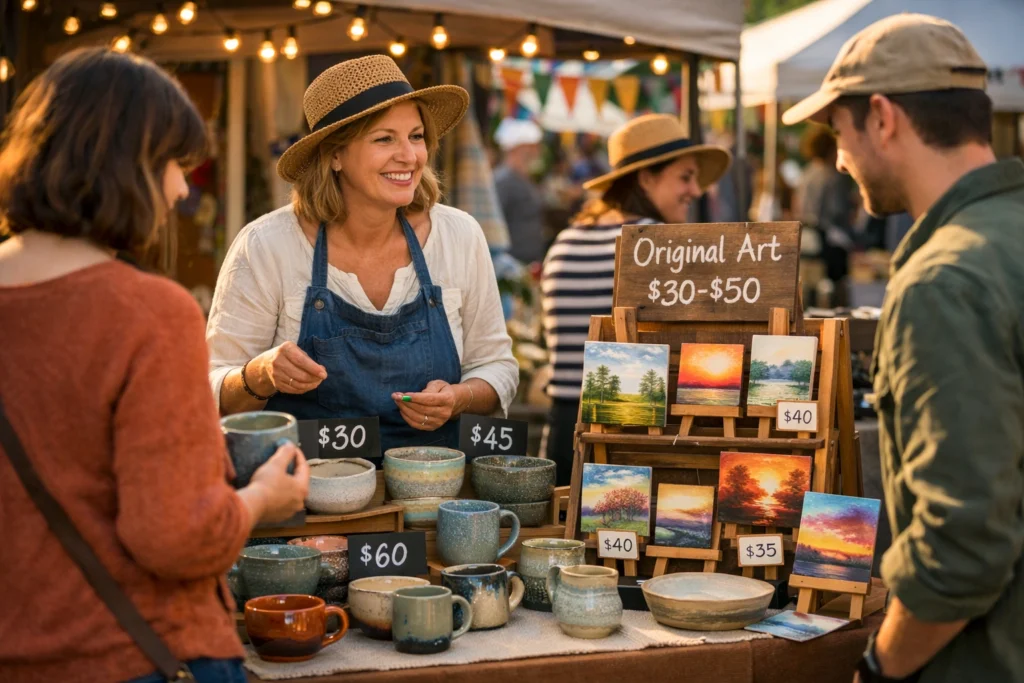
Mass-produced art lacks soul regardless of how skillfully it mimics originality. Those ubiquitous prints from big box stores appear in thousands of homes, eliminating any claim to uniqueness. Handmade decor pieces carry stories—the artist’s vision, technique, time invested. Supporting local artisans builds community while ensuring your walls display actual art rather than glorified posters. Emotional connection to art with provenance exceeds any feeling generic prints generate. Affordable art exists everywhere if you know where to look: local art fairs, student exhibitions, Etsy shops run by emerging artists. Small original pieces cost less than people assume, often $30-100 for drawings, watercolors, or prints. Art represents investment in culture and community, not just wall coverage. Original pieces become conversation starters sharing artists’ names and stories.
Budget-friendly art acquisition starts small: postcards from museum shops, artist-signed prints, original drawings cost $10-50. Follow local artists on Instagram watching for sales and studio clearances. Art school end-of-year shows feature student work priced to sell, often $25-150 for substantial pieces. DIY options include framing children’s artwork professionally, displaying your own photography, creating pressed botanical prints. Curate carefully by rotating displayed art from storage, keeping walls fresh without new purchases. Commission local artists for custom pieces—many work within budgets when approached respectfully. The meaningful decor choices of artisan decor pieces beat mass production because imperfect handmade art adds character machine perfection never achieves. Support local artisans creates economic ecosystem benefiting your community while beautifying your home with pieces nobody else owns.
Replace Plastic Storage with Natural Material Options
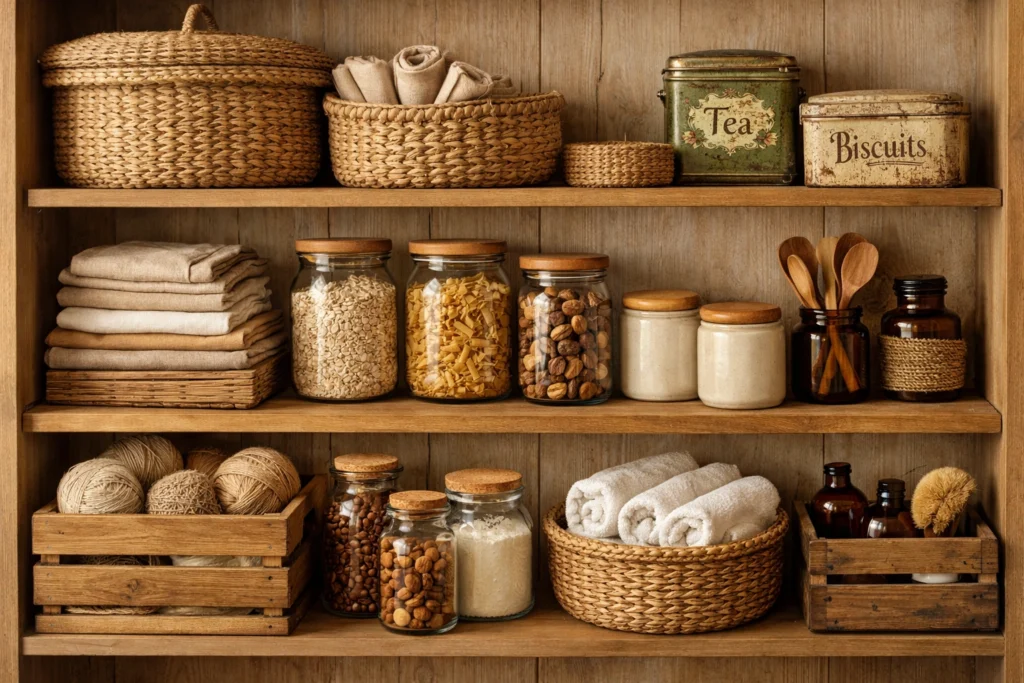
Plastic storage pervades American homes despite looking cheap regardless of actual cost. Clear plastic bins scream “temporary” even when they’re not. Colored plastic creates visual chaos through competing hues that never coordinate. Environmental issues compound the aesthetic problems—petroleum-based plastics release chemicals as they off-gas, particularly when heated or aged. Plastic never ages well, just becomes brittle and discolored. Bright colors fade unevenly. Lids crack. Nothing about plastic storage improves over time. The visual clutter from storing items in plastic containers ironically undermines the organizational purpose since the containers themselves create mess through their ugliness and ubiquity.
| Plastic Item | Natural Alternative | Budget Source | Price Range | Aesthetic Value |
|---|---|---|---|---|
| Plastic storage bins | Woven baskets (jute, seagrass, rattan) | Thrift stores, HomeGoods, TJ Maxx | $5-20 | Acts as display-worthy decor |
| Plastic drawer dividers | Wooden dividers, bamboo trays | Dollar stores, craft stores, DIY | $3-15 | Professional, intentional look |
| Plastic food containers | Glass jars, ceramic crocks, metal tins | Save jars, thrift stores | Free-$10 | Display contents beautifully |
| Plastic hangers | Wooden hangers | Thrift stores bulk, IKEA | $0.50-2 each | Clothes hang better, last forever |
| Plastic magazine holders | Wooden or metal file holders | Office supply sales, vintage shops | $5-15 | Elevates home office aesthetic |
Swap Trendy Colors for Neutral Timeless Palettes
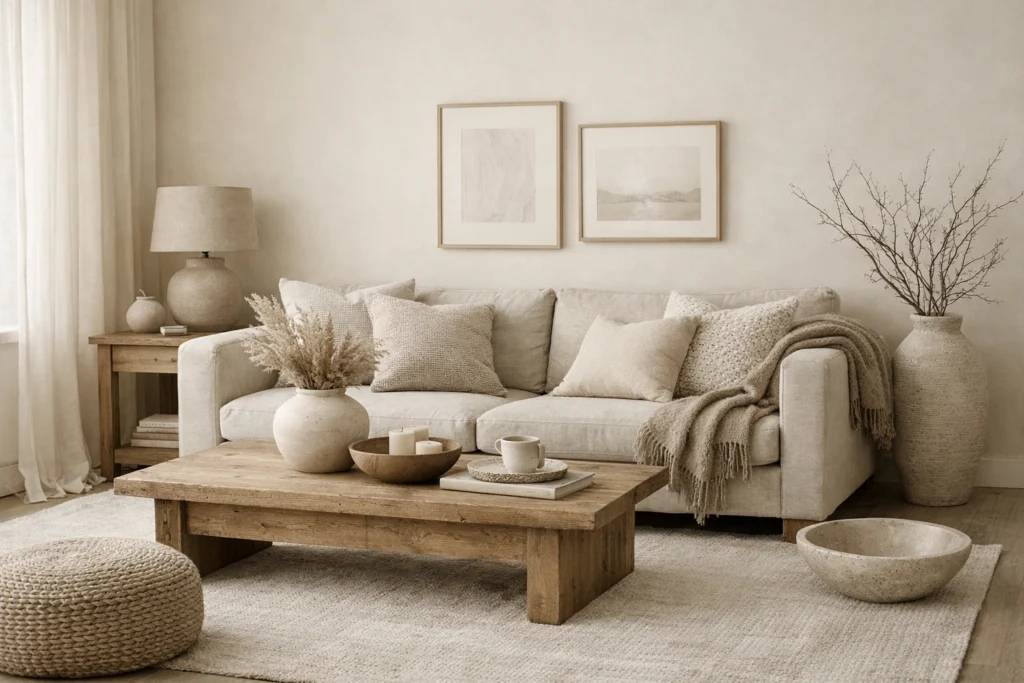
Pantone’s annual “Color of the Year” announcement creates artificial obsolescence, convincing homeowners that last year’s perfectly good walls now look dated. Living Coral. Very Peri. Viva Magenta. The marketing machine churns, pushing constant repainting and replacement. Financial waste mounts when you calculate painting costs every few years chasing trends. Neutral slow living palette choices transcend these manufactured cycles through timeless warm whites, beiges, soft grays, and natural wood tones. Neutral foundations work across style evolution—your grandmother’s antiques and your modern art both look beautiful against cream walls. Accent color flexibility increases dramatically when walls stay neutral, allowing personality through easily changed textiles and accessories. Resale value improves too since neutral homes appeal to broader markets.
Implementation starts with paint—the highest impact simple decor changes available. Slow living color schemes favor warm whites like Benjamin Moore’s Swiss Coffee or Sherwin Williams’ Alabaster over stark white or cool grays reading cold. Choose textiles in cream, tan, natural linen tones building texture-rich slow decor through material variety rather than color competition. Wood tones count as neutral color contributors, particularly when staying within warm families. Strategy involves bold accent colors through pillows, throws, artwork—items changed seasonally without repainting walls. Budget advantages shine here: never repainting trendy walls saves hundreds every few years. Neutral doesn’t mean boring when layered with varied textures, patterns, and materials. The intentional home aesthetic emerges from restraint, proving that choosing timeless design creates more beauty than trend-chasing ever delivers.
Choose Multifunctional Furniture Over Single-Purpose Items
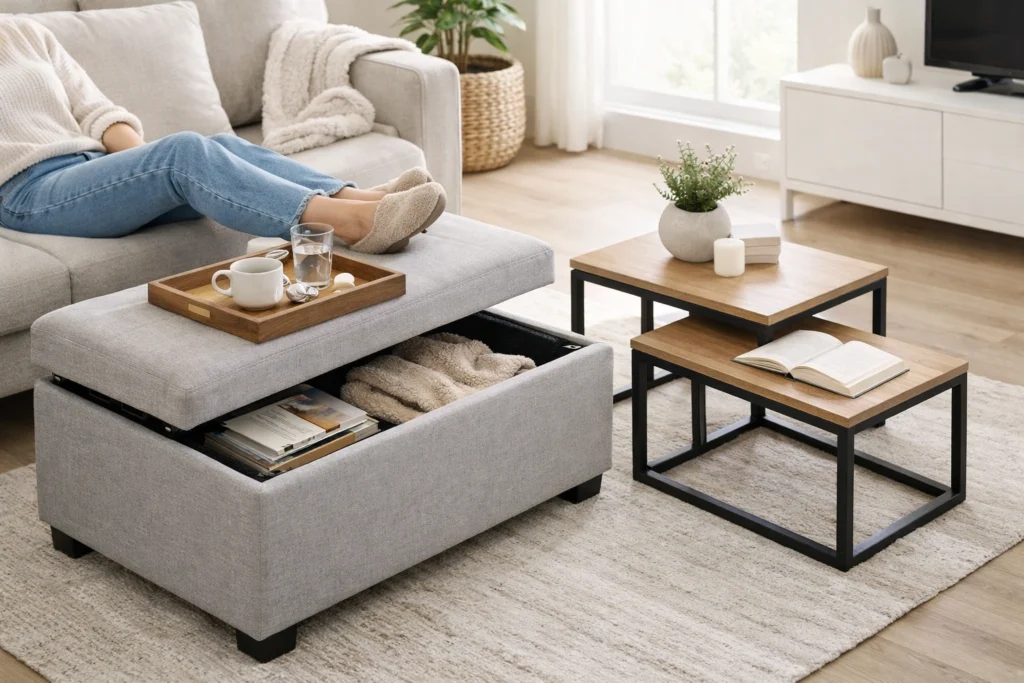
Space and budget realities facing many Americans demand furniture working harder through multiple purposes. Sustainable furniture alternatives emphasize pieces serving dual or triple functions, justifying higher quality investment through expanded utility. Space-saving benefits extend beyond budget considerations into actual livability—furniture consuming floor space without proportional function creates cramped feelings even in adequate square footage. Reduce consumption by purchasing one quality multifunctional piece rather than three mediocre single-purpose items. Creativity and thoughtful home swaps turn limitations into opportunities, producing clever solutions delivering genuine satisfaction.
Specific examples include storage ottomans providing seating, footrest, and hidden storage simultaneously—triple duty from one piece. Dining tables double as desks for work-from-home needs. Console tables function as entryway surfaces, display areas, and workspace. Sofa beds, daybeds, Murphy beds accommodate overnight guests without dedicated guest rooms. Nesting tables provide surface area when needed while tucking invisibly away when floor space matters more. Quality importance amplifies for multifunctional pieces since they work harder and endure more use. Secondhand sources often feature better construction than new budget furniture—1970s solid wood dressers with dovetail joints outlast modern particleboard alternatives dramatically. Invest in longevity through pieces built to withstand decades of daily use. The minimal decor upgrades of strategically chosen multifunctional furniture create more livable homes than rooms stuffed with single-purpose pieces offering limited value relative to space consumed.
Replace Chemical Candles with Natural Beeswax or Soy

Conventional paraffin candles derive from petroleum byproducts, releasing toxins when burned that accumulate in indoor air. Health impacts include respiratory irritation, allergies, and chemical sensitivities aggravated by regular candle use. Synthetic fragrances compound problems by adding volatile organic compounds to the mix. Black soot from paraffin candles damages walls and ceilings, requiring repainting to address discoloration. Inconsistent burning and short lifespan mean constant replacement despite cheap initial prices. The environmental concerns of petroleum-based products extend beyond health into sustainability questions about resource extraction and disposal. Prioritize sustainability by replacing synthetic materials with natural alternatives performing better across all metrics.
Natural candle alternatives include beeswax candles offering air-purifying properties through negative ion release, burning longer than paraffin, and carrying natural honey scent requiring no additives. Soy candles provide renewable clean-burning option at lower price points than beeswax, made from domestically grown soybeans supporting American agriculture. Making own candles from beeswax or soy wax maximizes savings—bulk wax, wicks, and containers cost less per candle than retail. Essential oils provide natural fragrance without synthetic chemicals. Initial cost runs higher but longer burn time creates value—a $15 beeswax candle burning 40 hours costs less per hour than $8 paraffin burning 15 hours. Local decor sources include beekeepers at farmers markets selling beeswax at wholesale prices. Support local artisans by purchasing hand-poured soy candles from small businesses. The eco-friendly decor alternatives of natural candles improve indoor air quality while creating ambiance that honors rather than harms your health.
Swap New Plants for Propagated or Thrifted Planters
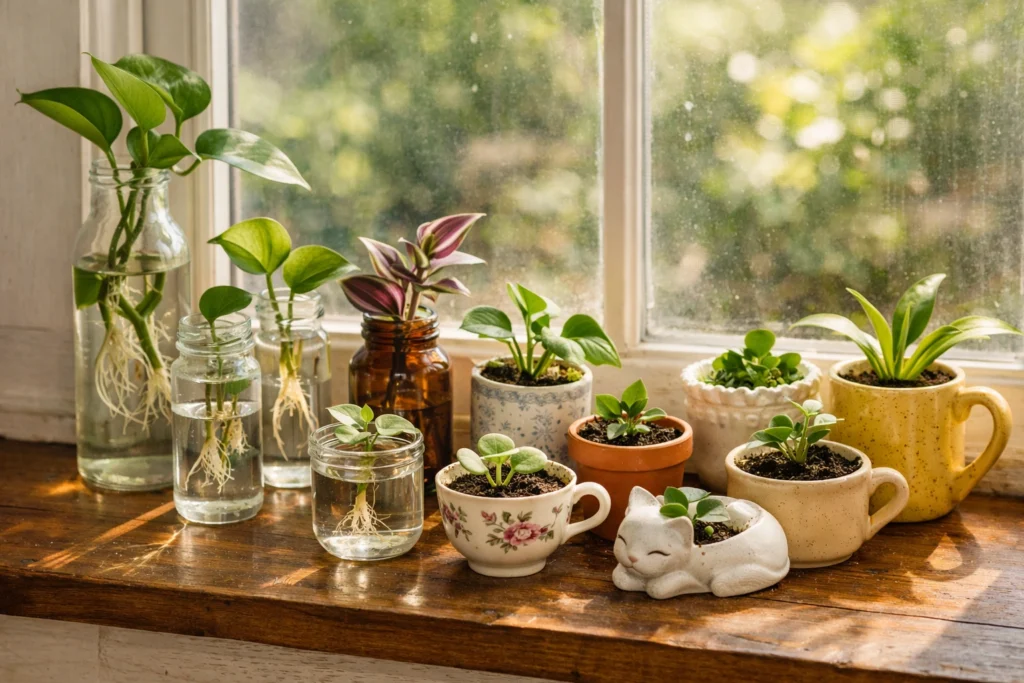
Houseplant costs escalate quickly when buying established specimens at retail prices. Monstera deliciosa. Fiddle leaf fig. String of pearls. Trendy plants command $30-80 for sizes easily grown from cuttings. Propagation offers free plant multiplication from friends’ or your own mature specimens. Many popular houseplants root readily in water—pothos, philodendron, tradescantia, succulents. Community plant swaps and local gardening groups facilitate trading cuttings and full plants without money exchanging hands. The satisfaction from nurturing cuttings into full plants exceeds any store purchase, creating genuine connection to living things in your care. The slower process teaches patience while saving substantial money. Educational value adds to budget benefits as you learn plant care through hands-on experience.
Free and Budget Plant Strategies:
Propagate existing plants by taking 4-6 inch cuttings from friends or your own mature specimens, rooting them in water on sunny windowsills before potting in soil. Join local plant swap groups on Facebook where members trade cuttings and full plants for free, often including rare varieties. Ask neighbors with overgrown gardens if you can divide perennials they’re splitting anyway—hostas, daylilies, irises multiply readily and need division every few years. Check “free” sections of Craigslist and Facebook Marketplace where people give away plants when moving, often including pots and soil. Visit garden centers in late September through November when they discount inventory 50-75% before winter dormancy. Use any container with drainage as planter: thrifted bowls drilled carefully, vintage crocks, even cleaned tin cans painted or wrapped. Start seeds indoors during late winter for pennies compared to buying established plants in spring. Forage responsibly for cuttings from public spaces where permitted, never taking from private property or protected lands.
Trade Disposable Decor for Vintage or Antique Treasures
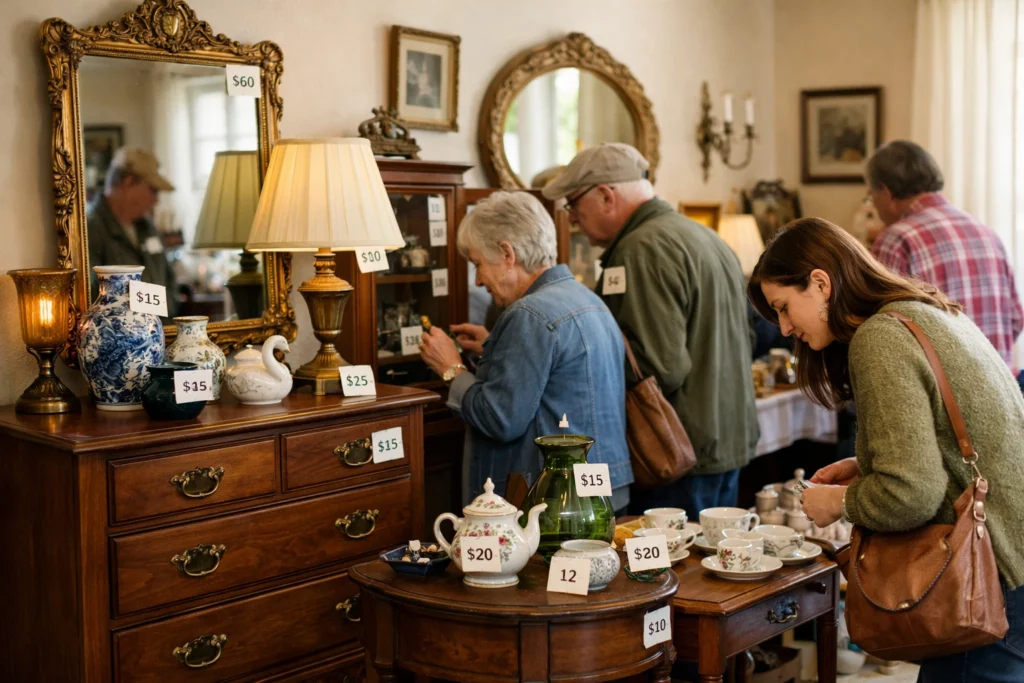
Disposable decor culture promotes seasonal buying, holiday-specific items, and trend-based purchasing requiring constant replacement. Halloween decorations stored eleven months yearly. Christmas items used weeks then packed away. Spring decor. Fall vibes. The marketing never stops, convincing consumers that homes need constant refreshing through new purchases. Financial drain compounds through sheer volume—small individual purchases accumulate into thousands annually. Quality differences between vintage and modern manufacturing reveal themselves immediately when comparing construction methods. Antiques already proved longevity through survival across decades or centuries. Unique character from handcrafted origins can’t be replicated through mass production. Environmental benefits of reusing rather than manufacturing new products matter enormously given resource depletion and waste accumulation challenges.
Vintage decor finds through estate sales offer best source for quality at accessible prices—entire households liquidate, creating buyer’s markets for everything from furniture to kitchenware. Auctions handle larger pieces and higher-value items at fractions of retail when crowds stay small. Antique malls provide vendor variety and negotiable pricing, particularly near closing time or month-end when dealers want sales. Online options include eBay for searchable inventory, Chairish for curated vintage furniture, Etsy vintage categories for smaller decor items. Learning to spot quality involves checking for solid wood rather than veneer over particleboard, dovetail joints in drawers indicating craftsmanship, maker marks or stamps suggesting reputable manufacturers. Patina and wear add value in slow decorating style aesthetic—perfectly preserved looks suspect while honest wear tells stories. The meaningful decor choices of vintage and antique pieces create homes with character, history, and personality impossible to buy new at any price.
Replace Overhead Lighting with Warm Layered Light Sources
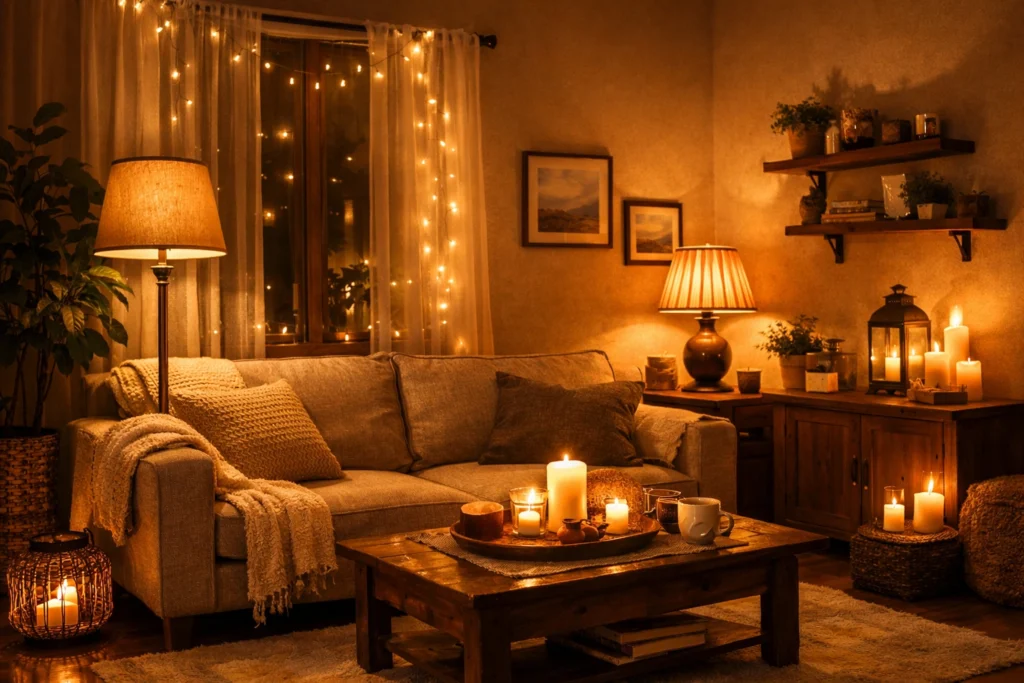
Harsh overhead lighting contradicts every principle of slow design philosophy by flooding spaces with unflattering illumination eliminating shadows and nuance. Layered lighting incorporates ambient, task, and accent sources creating depth and visual interest. Ambient provides overall illumination—think table and floor lamps rather than ceiling fixtures. Task lighting serves specific activities like reading or cooking—desk lamps, under-cabinet lights. Accent highlights architectural features or artwork—picture lights, uplighting. Warm light temperature around 2700K creates coziness while cool daylight bulbs (5000K+) feel institutional. Lighting dramatically affects mood and atmosphere more than almost any other design element. Energy savings emerge from strategically lighting only areas in use rather than illuminating everything constantly. Invest in longevity through quality lighting improving daily experience measurably.
Budget lighting strategies start with thrifting lamps—table lamps, floor lamps, even chandeliers at fractions of retail. Replace bulbs to warm temperature as cheapest impactful change, spending $10-20 for warm LED bulbs transforming existing fixtures. String lights provide ambient glow at minimal cost, particularly warm white versions creating magical atmosphere. Dimmer switch installation represents straightforward DIY project costing $15-30 in materials, allowing intensity adjustment throughout day. Rewiring vintage lamps costs $20-40 at lamp repair shops, transforming beautiful thrifted bases with outdated wiring into safe functional lighting. Eliminating overhead fixture dependence saves electricity long-term—100-watt overhead running four hours daily costs $15 annually while two 40-watt lamps selectively used cost $8. The slow home makeover of improved lighting creates calm atmosphere supporting relaxation rather than constant alertness harsh overhead lighting demands.
How Budget-Friendly Slow Living Swaps Transform Your Home
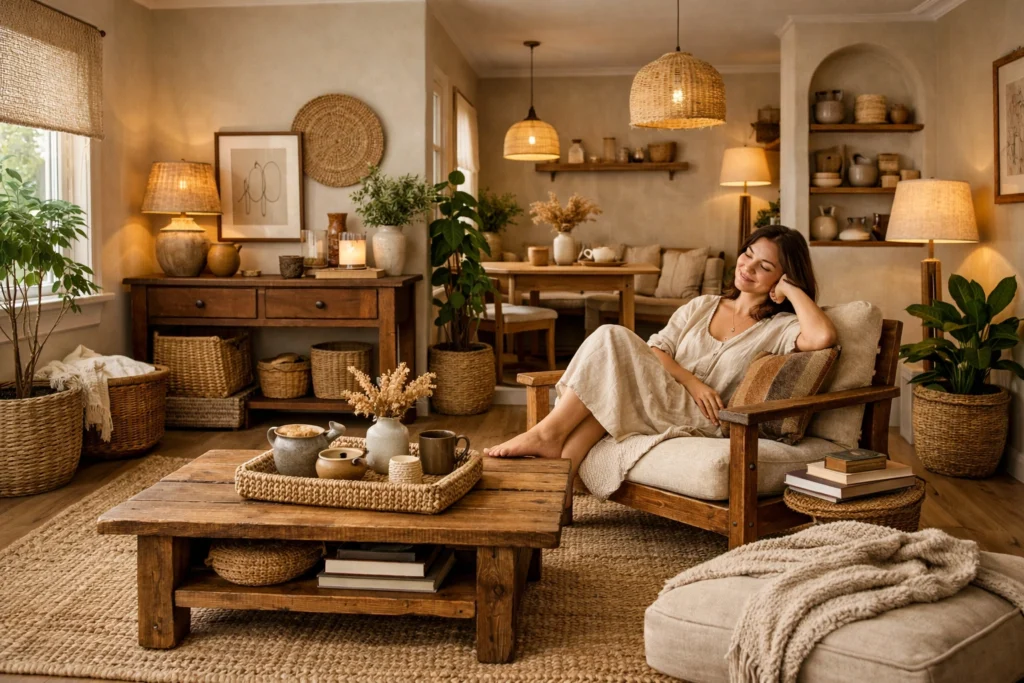
The cumulative impact of slow living decor swaps exceeds individual change effects through synergistic intentional decorating choices creating cohesive spaces. Financial benefits compound over time—lower overall spending despite quality focus, elimination of replacement cycles, reduced impulse purchases. Environmental impact reduction through conscious consumption decor matters increasingly as climate change accelerates. Improved daily experience from quality over quantity decor delivers satisfaction cheap alternatives never provide. Psychological benefits include contentment from living with less, reduced decision fatigue from eliminating excess, pride of ownership when possessing fewer better things. The slow lifestyle home becomes refuge rather than source of stress or financial strain. Cultivate intentional home spaces supporting wellbeing rather than undermining it through constant dissatisfaction marketed by home decor industry.
| Approach | Year 1 Cost | Year 5 Cost | Year 10 Cost | Quality Level | Environmental Impact | Satisfaction |
|---|---|---|---|---|---|---|
| Fast Decor | $2,000 initial | $8,000 (4 replacements) | $15,000+ (8+ replacements) | Poor, deteriorating | High waste, landfill burden | Low, constant dissatisfaction |
| Slow Living Swaps | $1,500 initial | $2,500 (few additions) | $3,000 (minimal replacement) | Excellent, improving | Low, sustainable, circular | High, lasting contentment |
Conclusion
Slow living decor swaps prove that budget limitations and sustainability values align perfectly rather than conflicting. Small consistent changes outperform dramatic expensive overhauls both financially and aesthetically. Conscious home design isn’t deprivation—it’s conscious choice toward better quality, genuine beauty, and lasting satisfaction. Start with whichever swap resonates most strongly, whether thrifting textiles, propagating plants, or swapping overhead lighting for lamps. American consumer culture makes this approach countercultural, swimming against tide of constant marketing, but that’s precisely what makes it liberating. Resist trend chasing and resist impulse buying frees mental energy and financial resources for what genuinely matters.
Take action this week by visiting local thrift stores, joining community plant swaps, or researching artisans at nearby farmers markets. Remember that quality pieces matter more than transformation speed—practice patience as your home evolves gradually. Community resources like Buy Nothing groups, plant swap meetups, and repair cafes facilitate slow living decor swaps through shared resources and skills. Budget constraints often produce the most creative beautiful homes because limitations force intentional decorating choices rather than mindless accumulation. Your home reflects values through meaningful decor choices more than dollar amounts spent. Start small. Buy less, choose better. Honor natural materials. Support local artisans. The transformation begins with single intentional swap, building momentum toward home that truly feels like sanctuary rather than just shelter.
Frequently Asked Questions
How much money can I actually save with slow living decor swaps?
Most people save 40-60% compared to buying new conventional decor, with savings increasing dramatically over time as replacement cycles eliminate. Initial investment in quality pieces might equal or slightly exceed cheap alternatives, but elimination of constant replacement reduces lifetime costs substantially. For example, a $200 solid wood dresser lasting 30 years costs $6.67 annually while a $100 particleboard version lasting 3 years costs $33.33 annually—five times more expensive long-term. Thrifting and secondhand decor choices reduce initial costs by 70-90% compared to retail for similar or better quality. Calculate total cost of ownership rather than purchase price to understand true value. The sustainable decor swaps approach saves thousands over decades while creating better living environments than disposable alternatives ever could.
Where do I start if I’m completely overwhelmed by the idea of slow living decor swaps?
Start with textiles since they’re easiest, lowest risk, and immediately impactful. Visit your local thrift store this weekend and look specifically for 100% cotton, linen, or wool blankets, throws, or pillow covers. Replace synthetic materials with one natural fiber alternative costing $5-15 and taking ten minutes to implement. This single swap improves your space’s feel immediately while building confidence for additional changes. Once you experience the tactile difference between natural and synthetic fibers, motivation builds organically for further swaps. Don’t attempt wholesale home transformation—slow down decorating means gradual intentional interior updates over months or years, not rushed overhauls creating stress. Practice patience and appreciate simplicity by focusing on one area or one type of item at a time until changes feel natural rather than overwhelming.
Can I practice slow living decor swaps while renting?
Absolutely! Most swaps don’t require permanent changes or landlord permission. Textiles, lighting (lamps not hardwired fixtures), plants, artwork, storage solutions, and furniture all remain portable. Focus on items you’ll take with you rather than built-in improvements you’ll abandon when moving. Actually, renting makes slow living home ideas easier since you’re not tempted by permanent renovations that might not suit future spaces. Many landlords allow painting if you return walls to original color before moving, expanding your options. The philosophy works in any living situation because it’s about conscious consumption decor choices, not homeownership requirements. Renters often develop better slow decorating style instincts because they must curate carefully around temporary circumstances, forcing genuine intentional decorating choices rather than filling space mindlessly.
How do I know if secondhand or vintage items are actually quality or just old junk?
Learn quality indicators through practice and research. Solid wood feels heavy and shows natural grain patterns rather than printed wood-look. Dovetail joints in drawers indicate craftsmanship—look for interlocking triangular cuts rather than staples or glue. Smooth drawer glides suggest quality construction with proper joinery. Even wear patterns show gentle use not abuse—scratches and patina add character while structural damage signals poor care. Check stability by wiggling furniture—quality pieces don’t wobble. Research maker marks and stamps identifying manufacturers known for quality. Bring a magnet—real wood doesn’t attract magnets while metal hardware does. Ask about provenance and age from sellers. When in doubt, pass and keep looking. Estate sales and antique dealers generally price fairly based on actual quality. With experience, you’ll develop intuition for spotting gems. Value craftsmanship and appreciate longevity by learning what quality looks like physically.
What if my partner or family doesn’t understand slow living and wants new trendy stuff?
Start with your personal spaces first: your bedside table, reading corner, home office, closet. Let results speak louder than lectures—when they notice your cotton blanket feels better than their polyester one, offer to find them a thrifted version. Share budget savings concretely: “I furnished my office for $200 instead of the $800 we’d spend new.” Involve them in treasure hunting by framing secondhand shopping as fun adventure rather than deprivation. Support sustainability and reduce environmental impact resonates differently across people—find their values alignment. Respect that everyone moves at their own pace toward conscious consumption decor. Focus on your choices without judging theirs. Often, seeing tangible benefits gradually converts skeptics more effectively than pressure or preaching. The slow lifestyle home improvements you make in your spaces create natural curiosity as people experience the difference quality makes.