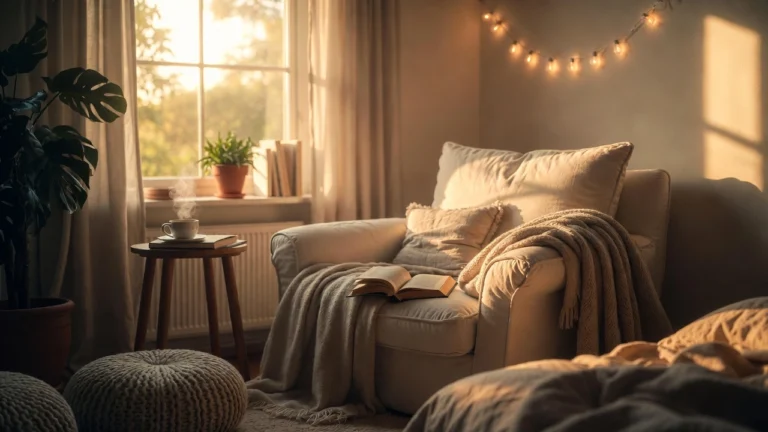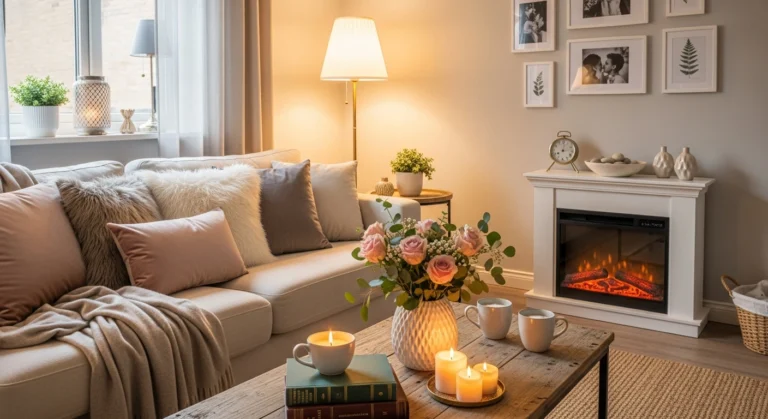
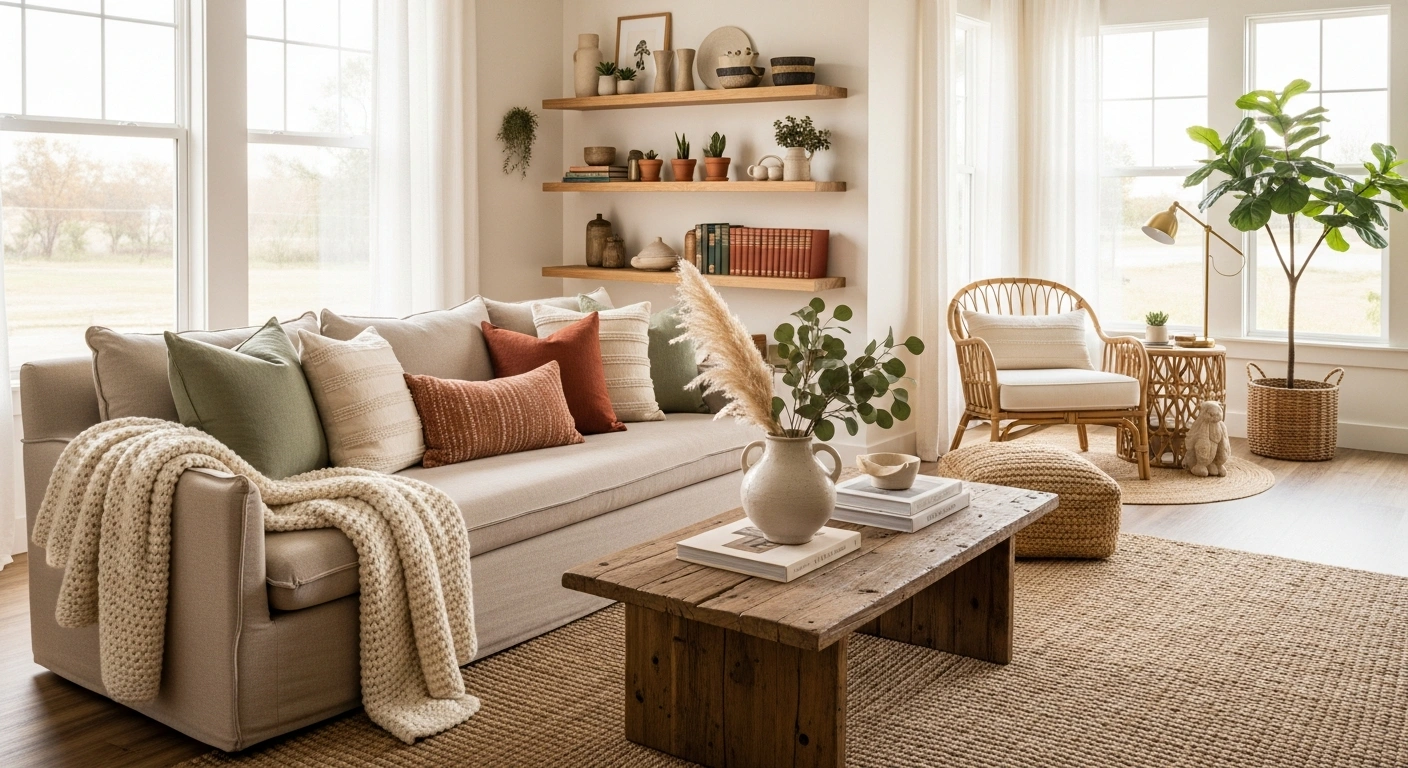
Slow Living Home Decor: How to Create a Cozy, Calm, and Mindful Home
The modern world spins faster each day. Notifications ping relentlessly while to-do lists expand beyond reason. Your home should offer refuge from this chaos, yet many spaces mirror the frenzy instead of providing peace. Slow living home decor transforms ordinary dwellings into intentional sanctuaries where every element serves a purpose and nurtures well-being. This design philosophy prioritizes quality over quantity, natural materials over synthetics, and meaningful connections over fleeting trends. Unlike stark minimalism that can feel cold, slow living interior embraces warmth through texture, personal stories, and thoughtful curation.
Creating a cozy home decoration environment doesn’t require expensive renovations or designer consultations. Small, deliberate changes compound into profound transformations when guided by slow living principles. Whether you inhabit a sprawling suburban house or a compact urban apartment, these strategies adapt to your unique circumstances and budget. The journey toward a calm home interiors aesthetic unfolds gradually, mirroring the patient philosophy itself. You’ll discover that mindful home decor choices ripple outward, influencing daily habits, purchasing decisions, and overall life satisfaction in unexpected ways.
What Is Slow Living Home Decor and Why It Matters
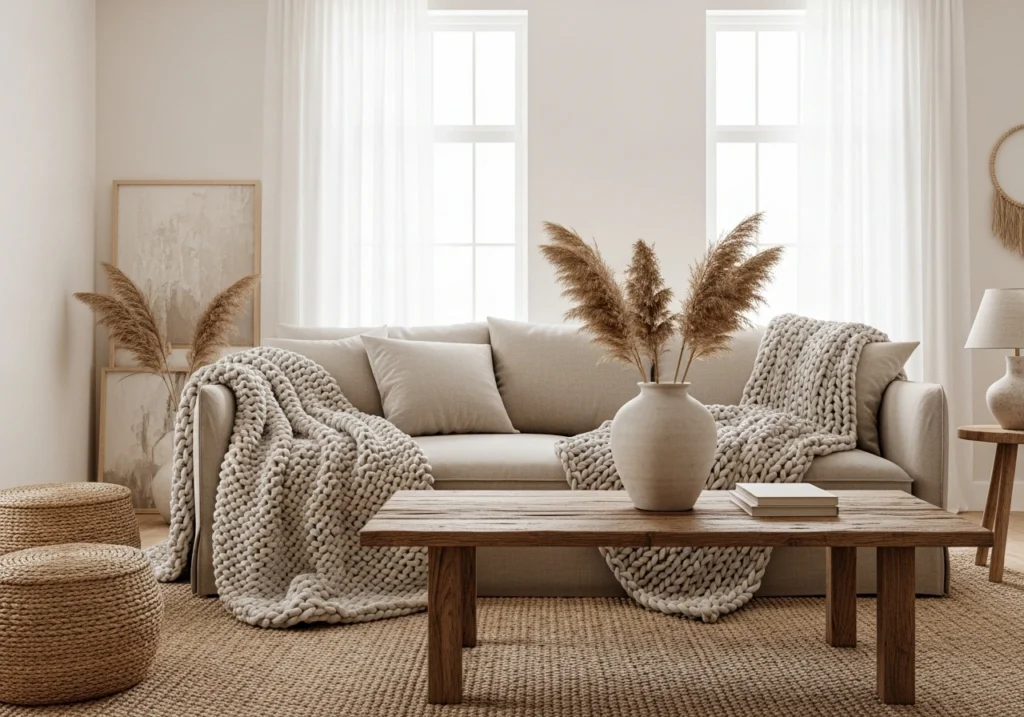
Slow living home decor emerged from broader cultural movements questioning consumerism’s relentless pace. The philosophy traces roots to Italy’s Slow Food movement of the 1980s, which later expanded into lifestyle domains including design and home environments. This approach rejects disposable culture in favor of enduring quality, asking homeowners to consider each purchase’s lifecycle and emotional resonance. Slow lifestyle home ideas emphasize harmony between inhabitants and their surroundings, recognizing that physical spaces profoundly impact mental states. Research from environmental psychology demonstrates tangible connections between decluttered and organized home environments and reduced cortisol levels, the stress hormone that wreaks havoc on health when chronically elevated.
The movement resonates powerfully today because digital saturation has created collective exhaustion. Screens dominate waking hours while algorithmic feeds engineer endless wanting through targeted advertising. Peaceful home atmosphere creation becomes revolutionary when mainstream culture glorifies hustle and accumulation. Studies published in the Journal of Environmental Psychology reveal that residents of thoughtfully designed spaces report 32% better sleep quality and 28% lower anxiety compared to those in chaotic environments. Beyond individual benefits, sustainable home decor aligns with growing environmental consciousness as people recognize finite resources and climate change’s urgency. Choosing natural materials home decor like reclaimed wood and organic textiles reduces ecological footprints while supporting artisans who practice traditional crafts threatened by mass production.
Key Principles of Slow Living Home Design
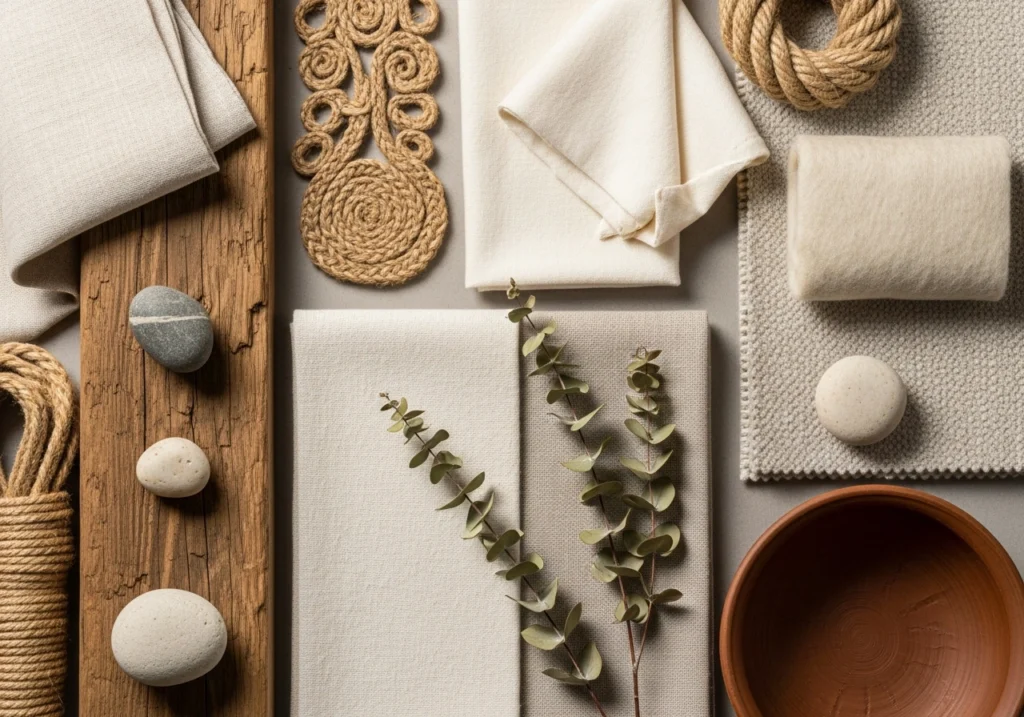
Quality trumps quantity in every slow living decision, from furniture investment to decorative accents. A single wooden furniture for slow living piece crafted by skilled hands will outlast twenty particle board items from big-box retailers. This principle extends beyond durability into emotional attachment—handmade home decor items carry stories of their creators, forging connections impossible with factory-stamped objects. Consider a handwoven rug from a regional artisan versus a machine-made synthetic version. The former develops character through wear, its imperfections revealing human touch, while the latter deteriorates into landfill waste within years. Cost-per-use calculations favor quality investments; a $1,200 solid oak dining table serving three generations costs mere pennies daily compared to $300 pressed-wood alternatives requiring replacement every decade.
Natural materials form slow living’s foundation because they age gracefully and connect inhabitants to earth’s rhythms. Linen and cotton fabrics breathe unlike polyester blends, regulating temperature while developing soft patinas over time. Stone countertops, wool rugs, and clay pottery interact with light and touch in ways plastics never replicate. Eco-friendly home decor ideas often showcase materials like jute, bamboo, cork, and rattan—renewable resources requiring minimal processing. Simplicity grounds the aesthetic without veering into sterile minimalism. Neutral color home design palettes provide calming backdrops, allowing textures and natural variations to shine. The goal isn’t museum-like sparseness but rather cozy chic home environments where every item earns its place through beauty, function, or sentimental value. Personal meaning elevates spaces from showrooms to lived-in sanctuaries, which is why vintage family photographs or travel souvenirs matter more than generic mass-market art.
Choosing the Right Color Palette for a Calm Home
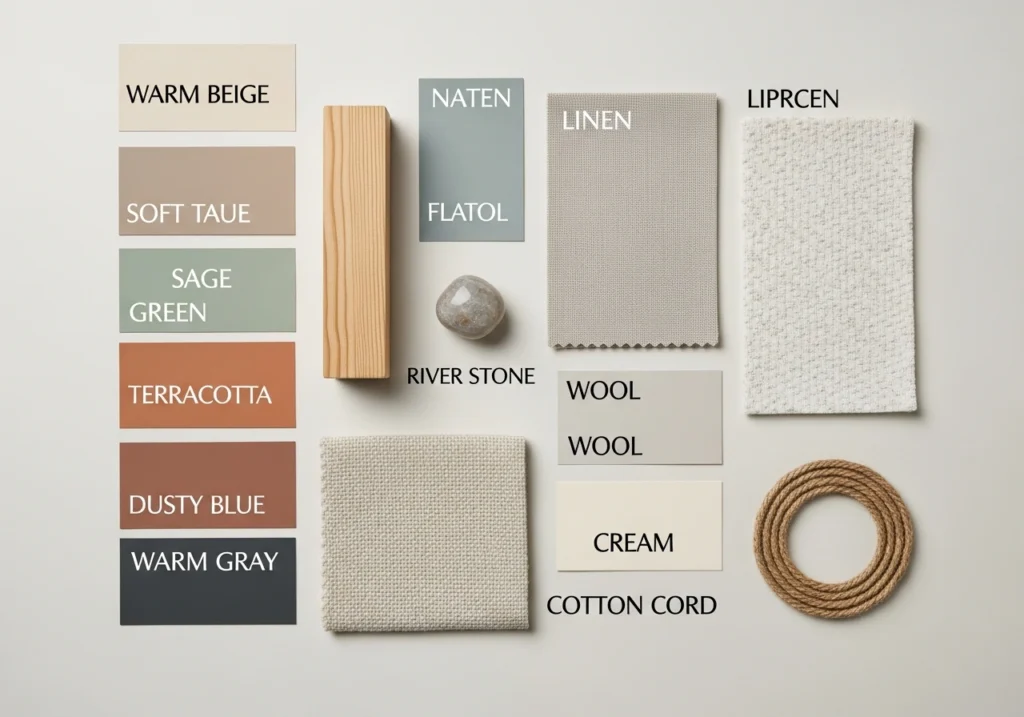
Color psychology research confirms that hues directly influence mood, energy levels, and cognitive function. Warm neutrals like cream, beige, and taupe create relaxing home interiors by mimicking natural landscapes—sandy beaches, limestone cliffs, weathered driftwood. These shades reflect light softly rather than absorbing it harshly, making rooms feel larger and airier. Earthy tones and textures such as terracotta, sage green, and warm gray ground spaces in organic familiarity. Studies from the Color Research and Application journal demonstrate that exposure to earth-tone environments lowers blood pressure by an average of 8-12 points compared to stark white or vibrant spaces. The mechanism involves evolutionary biology; humans evolved in natural settings, so brains interpret these colors as safe and restorative.
Strategic accent colors add warmth without overwhelming senses accustomed to visual chaos. Dusty blues evoke twilight skies while faded greens channel forest canopies—both scientifically proven to reduce mental fatigue. Introduce accents through easily changeable elements like throw pillows, ceramic vases, or framed botanical prints rather than permanent fixtures. This flexibility allows seasonal shifts honoring nature’s cycles without major overhauls. Creating flow between rooms strengthens the calm home interiors experience, achieved through graduated tones that transition logically. For example, start with warm beige in entryways, deepen to taupe in living spaces, then soften to cream in bedrooms. Avoid jarring contrasts that jolt attention; instead, let eyes travel smoothly through harmonious progressions that feel instinctive rather than designed.
Furniture Selection for a Slow Living Home
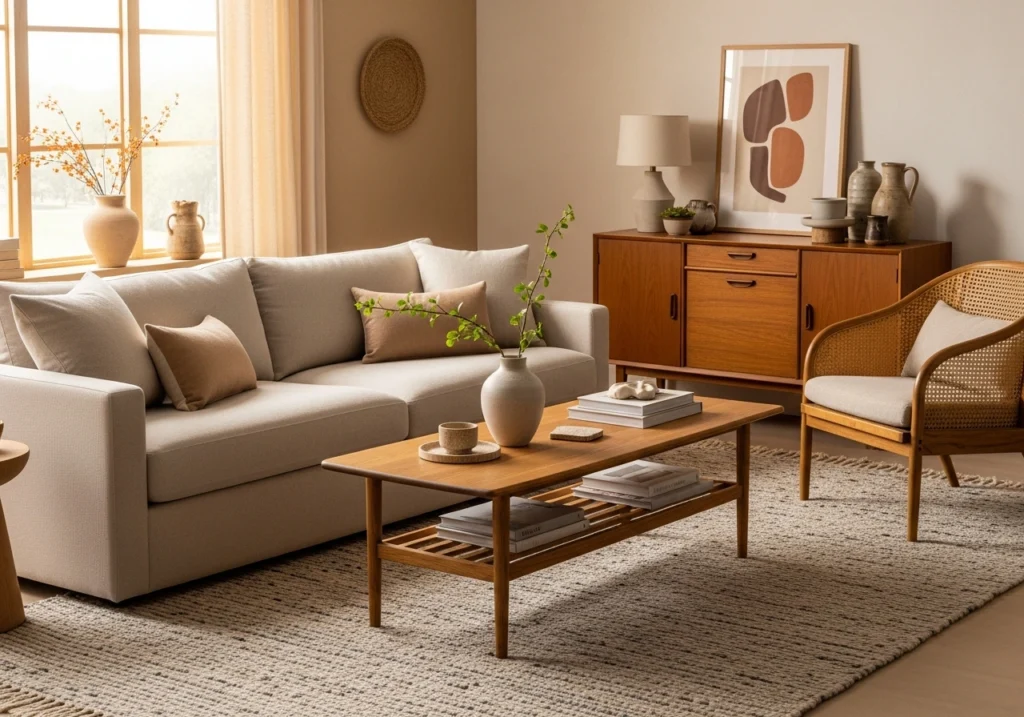
Comfort and durability anchor furniture decisions in slow living philosophy. Deep-seated sofas upholstered in natural fabrics invite genuine relaxation, unlike stiff modern pieces prioritizing aesthetics over usability. Comfortable seating for living room spaces should accommodate various postures—reading curled sideways, conversing upright, napping stretched full-length. Test pieces extensively before purchasing, spending at least fifteen minutes in different positions. Solid wood tables crafted from oak, walnut, or maple develop rich patinas that synthetic veneers cannot replicate. These investments appreciate aesthetically while serving daily needs for decades, unlike trendy acrylic or metal alternatives that date quickly and lack warmth.
Timeless styles resist fashion cycles that make spaces feel dated within seasons. Mid-century modern, Shaker, and Scandinavian designs share clean lines and functional forms that transcend eras. Vintage and contemporary furniture mix creates layered interest when unified by material quality and proportional harmony. A 1960s teak credenza pairs beautifully with a contemporary linen sofa if both emphasize craftsmanship and natural elements. Multi-functional pieces prove especially valuable for small space cozy decor solutions—storage ottomans concealing blankets, extendable dining tables accommodating guests, or daybed-sofas doubling as seating and sleeping surfaces. Supporting local artisans and vintage markets aligns purchasing with slow living ethics while yielding unique finds unavailable in corporate showrooms. Estate sales, thrift stores, and regional craftspeople offer treasures with history and soul, from hand-turned wooden bowls to mid-century credenzas requiring minor restoration.
Decor Tips for a Cozy and Relaxing Space
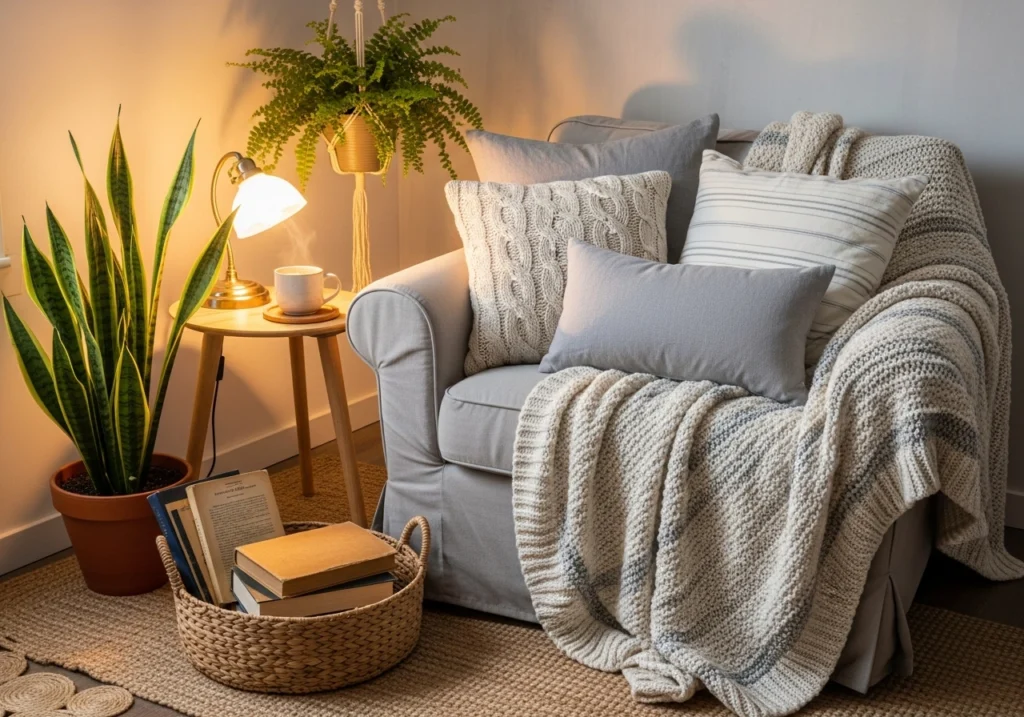
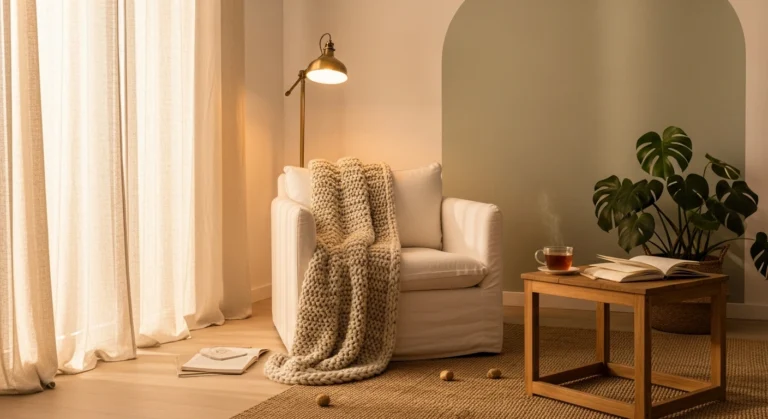
Textiles layer warmth and tactile pleasure throughout cozy home decoration environments. Chunky knit throws draped over sofas invite touch while providing functional comfort during cooler months. Linen and cotton fabrics for curtains filter harsh sunlight into diffused golden glows that flatter skin tones and soften hard edges. Wool rugs anchor seating areas, their natural lanolin creating subtle sheen and inherent stain resistance. Mixing textures prevents monotony—pair smooth leather chairs with nubby woven cushions, or contrast cool linen bedding against velvet accent pillows. Seasonal rotations keep spaces fresh without accumulating clutter; switch lightweight cotton throws for heavier wool versions as temperatures drop, then reverse come spring.
Natural elements bring indoor plants for calm environment benefits including improved air quality and biophilic design principles that reduce stress. Boston ferns, snake plants, and pothos thrive in typical indoor conditions while filtering toxins like formaldehyde and benzene. Dried botanicals such as pampas grass, eucalyptus, or lavender bundles add vertical interest without maintenance demands. Driftwood sculptures, river stone collections, or geode displays connect interiors to outdoor wonders. Art selections should prioritize personal meaning over generic prints—frame children’s drawings, display inherited watercolors, or showcase travel photography capturing meaningful memories. Rotate artwork quarterly to prevent visual fatigue while keeping walls dynamic. Scent often gets overlooked despite its powerful emotional impact. Essential oil diffusers dispersing lavender, cedarwood, or bergamot create olfactory signatures associated with relaxation, while beeswax candles emit negative ions that purify air naturally.
Decluttering and Organizing for Mindful Living
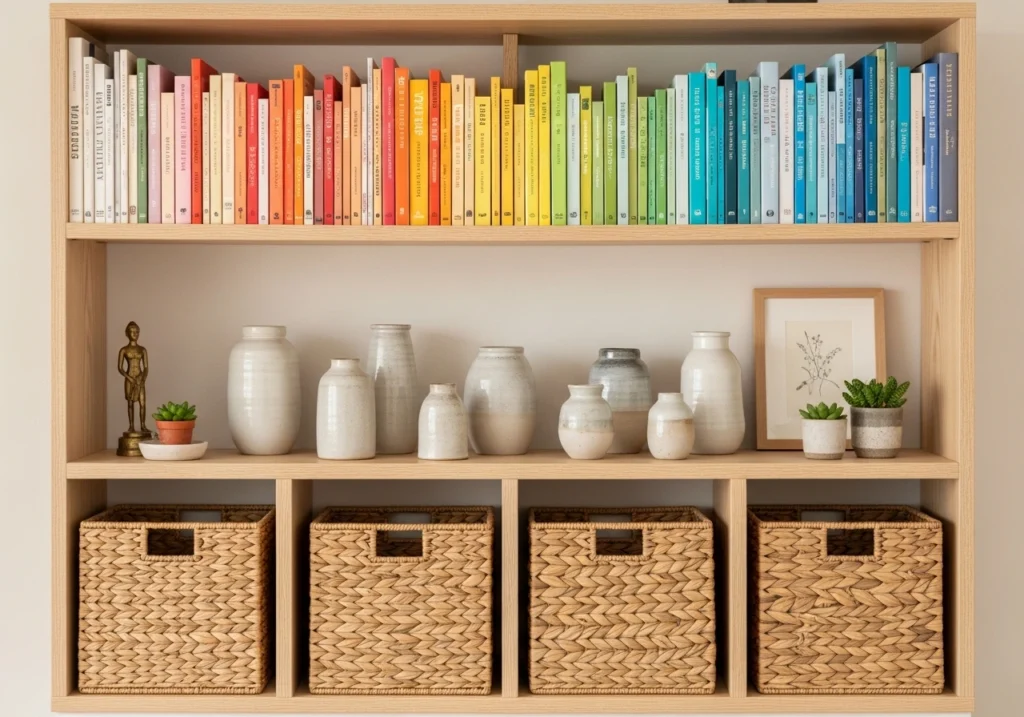
The slow living decluttering approach differs from aggressive purging methods by emphasizing thoughtful curation over arbitrary rules. Rather than forcing decisions about hundreds of items in weekend marathons, this method encourages quarterly assessments where you evaluate possessions against current needs and values. Implement a one-in-one-out guideline—each new acquisition requires releasing something similar to prevent accumulation creep. This practice fosters mindful home decor consciousness, making purchases deliberate rather than impulsive. A study from the Princeton University Neuroscience Institute found that physical clutter competes for attention, reducing performance and increasing stress, which explains why decluttered and organized home spaces feel immediately calming.
Storage solutions should integrate aesthetically rather than hiding chaos behind closed doors. Open shelving works beautifully when organized with intention—group books by color for visual cohesion, display ceramics with breathing room, and use matching baskets in natural materials like seagrass or rattan for corralling smaller items. Visible storage maintains accessibility while encouraging tidiness since disorder becomes immediately apparent. Simple home styling embraces negative space, recognizing that empty surfaces provide visual rest as valuable as filled ones. Digital decluttering complements physical organization in modern homes. Manage smart home devices thoughtfully, keeping only genuinely useful technology while creating tech-free zones in bedrooms or dining areas. Cable management solutions like cord covers or charging stations prevent tangled eyesores that disrupt peaceful home atmosphere cultivation.
| Storage Solution | Material | Best Use | Aesthetic Benefit |
|---|---|---|---|
| Woven seagrass baskets | Natural fiber | Toys, magazines, throws | Texture and warmth |
| Open wooden shelving | Reclaimed wood | Books, plants, ceramics | Display beautiful items |
| Linen storage bins | Organic cotton | Closet organization | Soft, breathable |
| Rattan drawer organizers | Sustainable bamboo | Utensils, office supplies | Natural elegance |
Slow Living Home Decor in Small Spaces
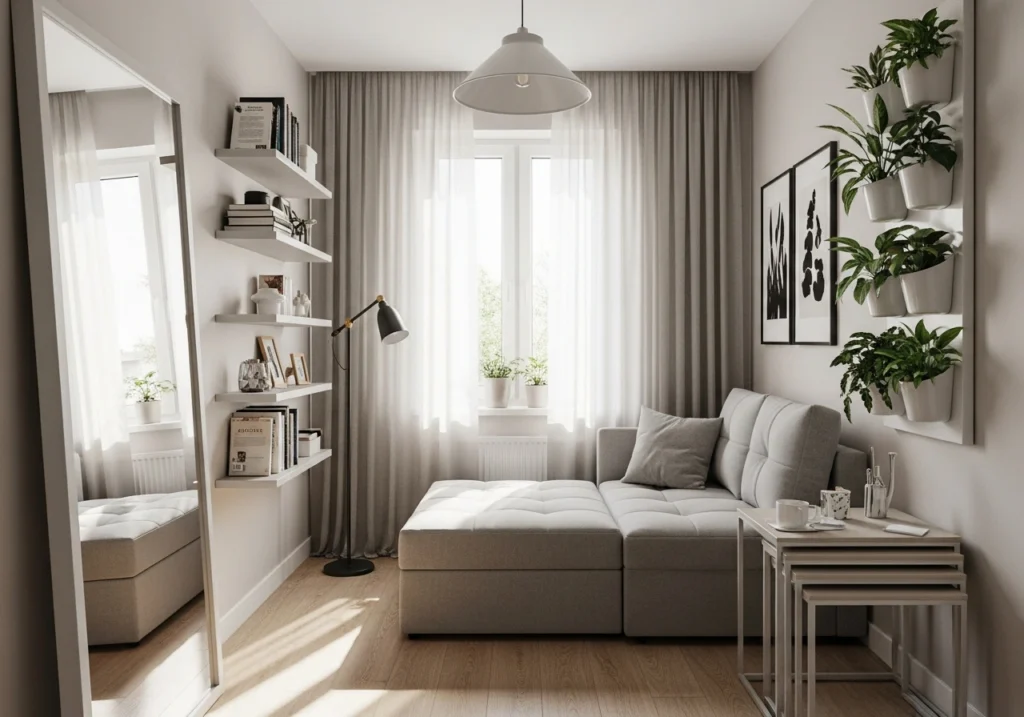
Maximizing light transforms compact quarters into airy retreats defying square footage limitations. Position mirrors opposite windows to double natural illumination while creating depth perception. Large mirrors work better than gallery walls of small ones, amplifying light more effectively. Sheer curtains filter sunlight gently without blocking precious rays, unlike heavy drapes that shrink rooms visually. Neutral color home design choices reflect light rather than absorbing it—paint walls soft white, cream, or pale gray to enhance brightness. Furniture scaled appropriately prevents overwhelming small footprints; choose armless chairs, glass coffee tables, or wall-mounted desks that maintain visual openness.
Vertical storage capitalizes on underutilized height in cramped spaces. Floor-to-ceiling bookcases draw eyes upward, making ceilings feel taller while providing ample storage. Floating shelves display plants and decorative items without consuming floor space. Wall-mounted fold-down desks disappear when not needed, crucial for small space cozy decor solutions in studio apartments. Creating zones without permanent walls defines areas for different activities—place area rugs under dining tables and seating groups to delineate spaces psychologically. Bookshelf dividers separate sleeping areas from living zones while maintaining light flow and offering display opportunities. Minimalist bedroom and living room designs keep furniture minimal and multi-functional, ensuring every piece justifies its footprint through beauty or utility. A sofa bed serves guests while providing daily seating, while nesting tables adapt to varying needs without permanently occupying space.
Lighting Ideas to Enhance Calm and Coziness
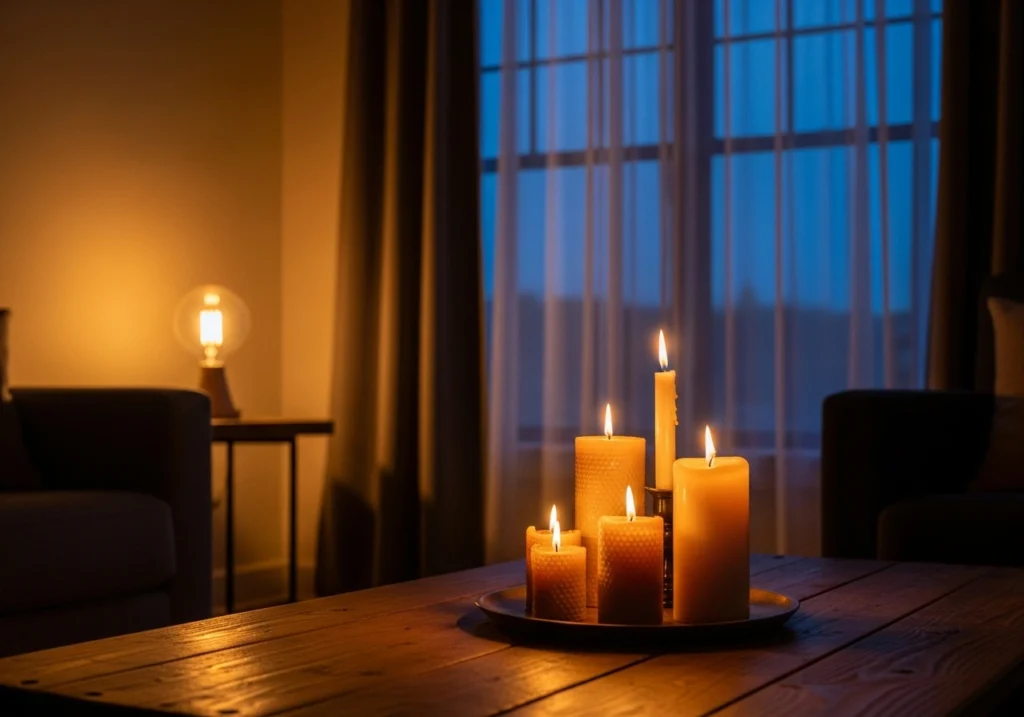
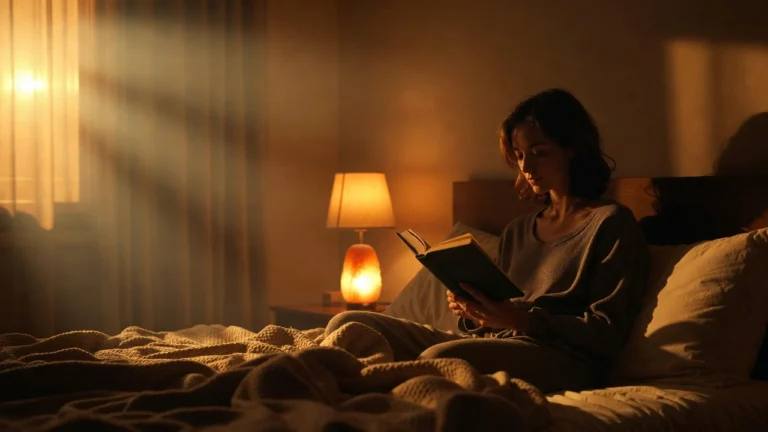
Layered lighting provides flexibility essential for cozy home decoration success. Ambient lighting establishes overall illumination through ceiling fixtures or torchieres bouncing light off ceilings. Task lighting focuses on specific activities—reading lamps beside chairs, under-cabinet strips in kitchens, or desk lamps in workspaces. Accent lighting highlights architectural features or artwork through picture lights or uplighting. Dimmer switches prove transformative, allowing adjustment from bright morning energy to evening relaxation with simple turns. Harsh overhead fluorescents destroy ambiance immediately; replace them with warm LED bulbs rated between 2700K and 3000K that mimic incandescent glow without energy waste.
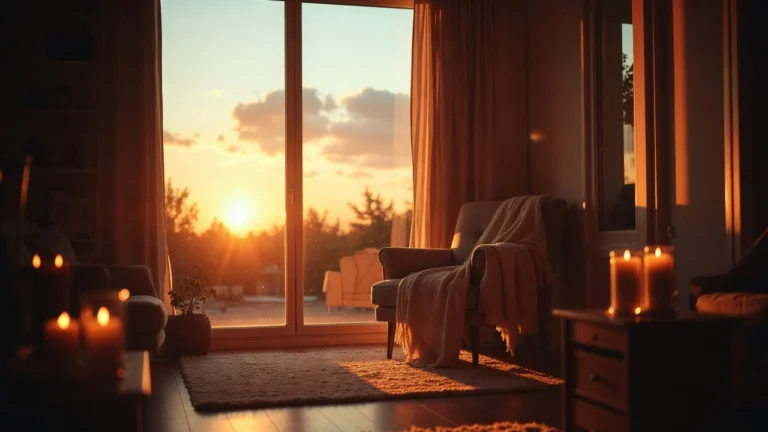
Natural light optimization begins with window treatments balancing privacy and illumination. Soft lighting for cozy interiors comes from sheer linen panels that filter rather than block daylight. Reflective surfaces like polished marble or glossy paint finishes bounce sunlight deeper into rooms. Seasonal adjustments respect changing light quality—blackout curtains prevent overheating during summer while allowing maximum winter sun. Candles create incomparable warmth through flickering flames that engage primitive comfort responses. Beeswax or soy candles avoid petroleum-based paraffin while offering cleaner burns and subtle natural scents. Cluster candles at varying heights on dining tables or mantels for dramatic effect, always prioritizing safety through stable holders and vigilant supervision. Flameless LED candles provide ambiance without fire risks in households with children or pets.
Easy Slow Living Home Makeover Tips on a Budget
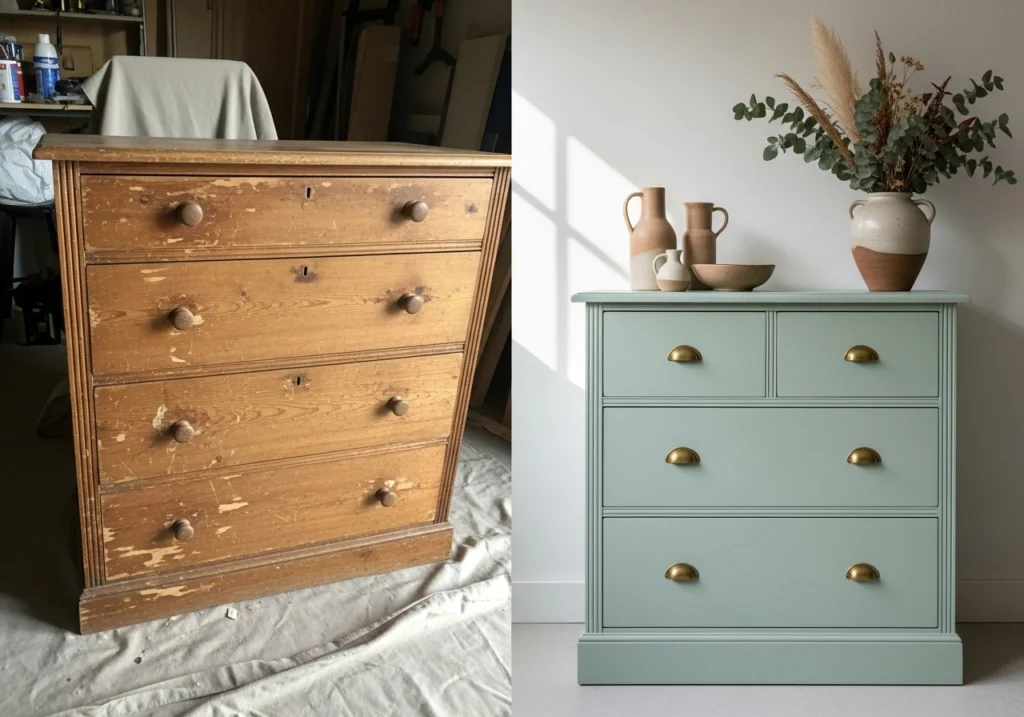
DIY projects deliver maximum transformation for minimal investment when approached strategically. Painting furniture with chalk paint updates outdated pieces beautifully—sand lightly, apply two coats, then distress edges for vintage charm. A tired dresser becomes a statement piece for under $40 in materials and a weekend’s effort. Creating macramé wall hangings requires only cotton cord and basic knotting techniques learned through free online tutorials. These handmade home decor items add texture and personality impossible to purchase mass-produced. Stenciled accent walls introduce pattern without wallpaper expense; tape geometric designs or botanical motifs, then paint within boundaries using sample-size paints costing just a few dollars each.
Shopping secondhand offers sustainable home decor options at fraction-of-retail prices while keeping items from landfills. Facebook Marketplace, Craigslist, and estate sales yield incredible finds from solid wood furniture to vintage textiles. Inspect carefully for structural integrity, checking drawer glides, joint stability, and finish condition. Minor flaws like scratches or dated hardware become charming quirks or simple fixes. Rearranging existing possessions costs nothing yet refreshes spaces dramatically. Experiment with furniture placement, swap items between rooms, or relocate artwork to new walls for fresh perspectives. A bedroom lamp might illuminate a reading nook better while the living room side table could anchor a bedroom corner perfectly. Before-and-after photographs document transformations and build confidence for future projects.
| Budget Swap | Instead Of | Cost Savings | Quality Difference |
|---|---|---|---|
| Vintage wool rug (thrifted) | New synthetic rug | Save $250+ | Superior durability, natural fibers |
| DIY painted dresser | New furniture store piece | Save $400+ | Unique character, solid wood |
| Secondhand linen curtains | Department store panels | Save $60+ | Better fabric weight |
| Farmers market pottery | Mass-produced ceramics | Save $30+ | Handcrafted uniqueness |
Maintaining a Calm and Cozy Home Long-Term
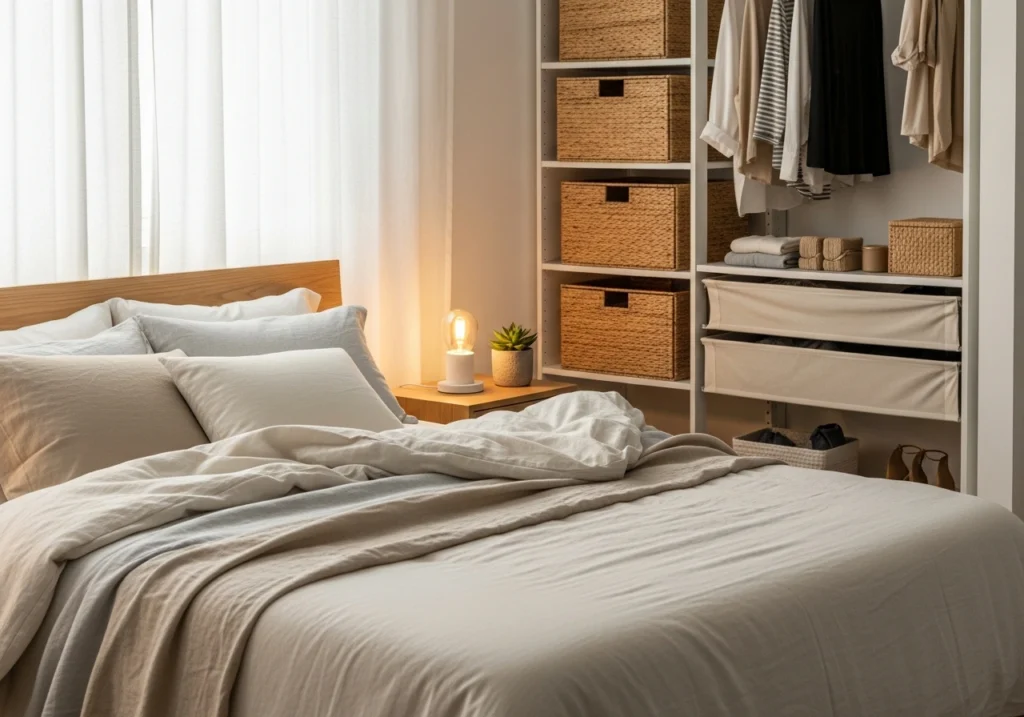
Sustainable habits prevent backsliding into chaos after initial decluttering efforts. Daily ten-minute tidy sessions maintain order without overwhelming schedules—reset common areas each evening, returning items to designated homes and wiping surfaces clean. Weekly deep-cleaning schedules rotate focus areas; tackle kitchen appliances one week, bathroom grout the next, window washing the following. This approach prevents marathon cleaning sessions that breed resentment and burnout. Monthly space reassessments catch creeping clutter early. Walk through each room asking whether every visible item serves current needs or sparks joy, donating or discarding anything that doesn’t meet criteria.
Resisting consumer temptations protects hard-won mindful home decor achievements from erosion. Unsubscribe from retail emails that engineer artificial desire through scarcity messaging and flash sales. Implement a thirty-day wishlist rule—add desired items to lists but wait a month before purchasing, eliminating impulsive buys that later become regrets. When shopping proves necessary, consult checklists ensuring purchases align with established aesthetic and functional criteria. Does this item use natural materials home decor philosophy? Will it serve beautifully for years rather than months? Does it genuinely improve daily life or merely occupy space? Evolving spaces thoughtfully accommodates life changes without wholesale renovations. Seasonal refreshes swap textiles and decorative accents—lightweight cotton throws replace wool versions come summer, while spring florals substitute winter evergreens. Design journals document evolving preferences, purchases, and project ideas, providing reference points and preventing repetitive mistakes.
Conclusion
Slow living home decor transforms houses into havens through intentional choices prioritizing quality, meaning, and tranquility over trends and accumulation. This philosophy recognizes homes as more than physical structures—they’re ecosystems affecting mental health, relationships, and environmental impact. Creating calm home interiors doesn’t demand perfection or expensive overhauls but rather patient, deliberate steps honoring your unique circumstances and values. Whether starting with decluttering a single drawer, painting one accent wall, or simply rearranging furniture for better flow, small actions compound into profound transformations over time.
The journey toward relaxing home interiors mirrors the slow living philosophy itself, unfolding gradually rather than overnight. Your space will evolve as you do, adapting to changing needs while maintaining core principles of simplicity, natural beauty, and mindful furniture arrangement. The greatest success metric isn’t Instagram-worthy perfection but rather how you feel crossing your threshold each evening—whether stress melts away or amplifies. Let that sensation guide every decision, creating hygge home inspiration environments where you genuinely exhale peace and reconnect with what matters most beyond the chaos spinning outside your walls.
FAQ (Frequently Asked Questions)
What is slow living home decor?
Slow living home decor represents a design philosophy emphasizing intentionality, natural materials, and creating calm living spaces free from excess or haste. It prioritizes quality over quantity, sustainability over disposability, and personal meaning over generic trends. This approach cultivates peaceful home atmosphere environments where every element serves functional or emotional purposes.
How do I start creating a slow living home on a budget?
Begin with decluttering and rearranging existing possessions before purchasing anything new. Thrift vintage pieces from estate sales and secondhand marketplaces. DIY simple projects like painting furniture with chalk paint or creating macramé wall hangings. Focus on sustainable home decor choices that cost less long-term through durability and timeless appeal.
Can slow living home decor work in small apartments?
Absolutely. Slow living room design adapts beautifully to compact spaces through multi-functional furniture, vertical storage solutions, and light-maximizing strategies. Small space cozy decor solutions emphasize quality over quantity, making each item earn its place. Neutral palettes and strategic mirrors create openness despite limited square footage.
What colors are best for a calm home environment?
Warm neutrals like beige, cream, soft gray, and earthy tones and textures including sage green, terracotta, and warm taupe create soothing atmospheres. These hues reflect light gently while mimicking natural landscapes that evolved brains interpret as safe. Accent with dusty blues or faded greens for warmth without overwhelming senses.
How is slow living different from minimalism?
While both value simplicity, slow living interior design embraces warmth, texture, and personal meaning rather than stark austerity. Minimalist home decor can feel cold when taken to extremes, whereas slow living incorporates cozy chic home elements like layered textiles, plants, and sentimental objects that make spaces feel genuinely lived-in and loved.