How to Turn a Busy Living Room into a Slow Living Sanctuary
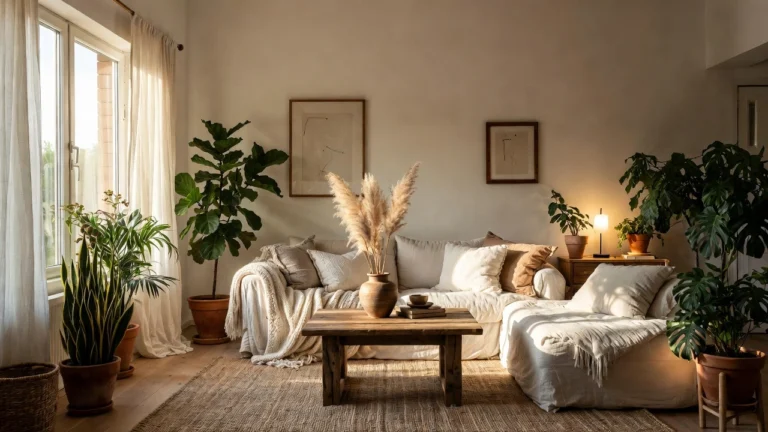
Your living room should be a place of peace. It shouldn’t feel chaotic or overwhelming. Many people spend their evenings in spaces that drain their energy instead of restoring it. The good news? You can transform your busy living room into a slow living sanctuary with intentional changes and thoughtful planning.
This guide will show you exactly how to create a calm living room that supports relaxation, mindfulness, and genuine rest. Whether your space is cluttered, overstimulating, or simply lacks purpose, the strategies in this article will help you build a sanctuary where you actually want to spend time. Let’s dive in.
What Is a Slow Living Sanctuary and Why Your Living Room Needs One
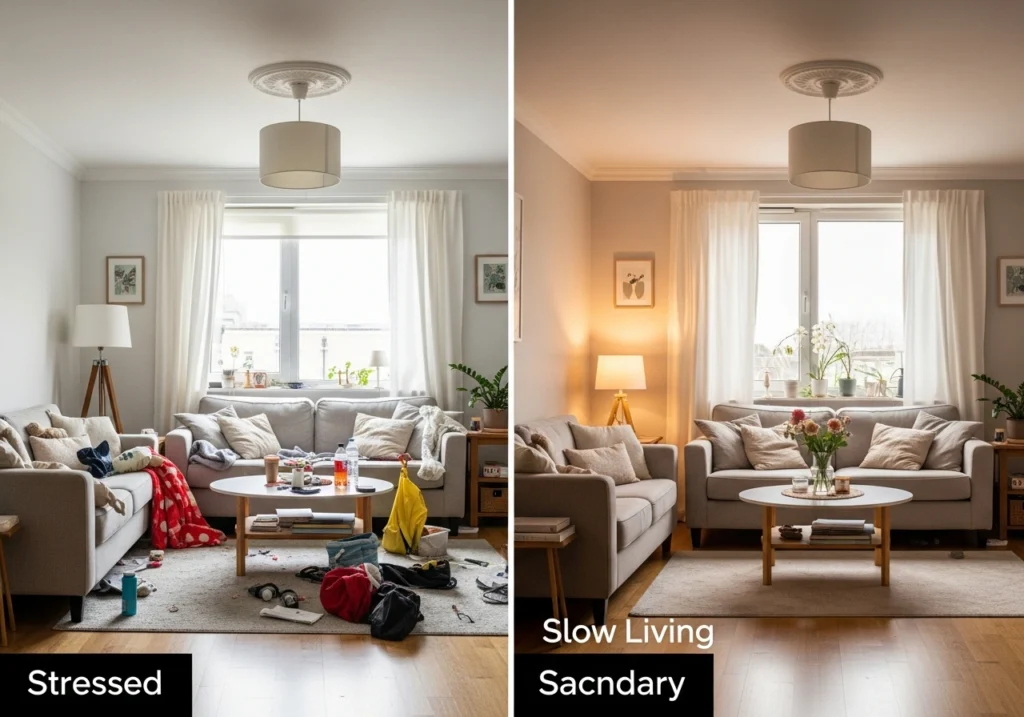
A slow living sanctuary is more than just a pretty room. It’s a deliberately designed space that encourages rest, reflection, and intentional living. The concept of slow living means rejecting the constant rush of modern life. Instead, you embrace simplicity, mindfulness, and purposeful activities. Your living room becomes the physical embodiment of this philosophy.
Calm living room ideas start with understanding the psychology behind peaceful spaces. Research shows that cluttered, overstimulating environments increase cortisol levels, the stress hormone. When your living room feels busy, your nervous system stays in a heightened state. You can’t truly relax. A slow living home design, however, signals safety to your brain. Soft textures, muted colors, and organized spaces tell your mind that it’s safe to unwind. Studies from environmental psychology indicate that people who spend time in deliberately calm spaces report 30 percent less anxiety than those in chaotic environments. Your living room isn’t just furniture and walls. It’s an investment in your mental health.
you may also like this:Small Dining Room Ideas That Make a Big Style Statement
Common Reasons Your Living Room Feels Busy and Overstimulating
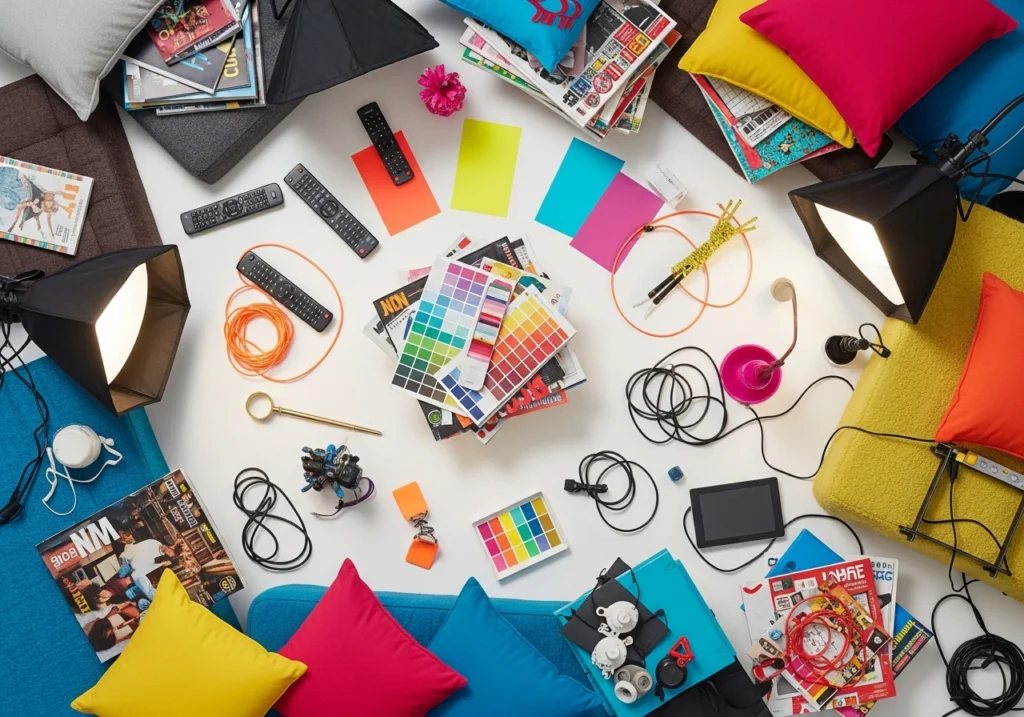
Most busy living rooms don’t happen by accident. They develop over time through accumulated possessions, poor lighting choices, and unclear intentionality. Understanding what makes a room feel chaotic is the first step toward transformation. Many people add items without removing anything. A lamp here, a throw pillow there, another decorative object. None of these things seem problematic in isolation. But together, they create visual noise.
Your living room might feel overstimulating for several distinct reasons. Too many colors competing for attention overwhelm the senses. Harsh overhead lighting creates a clinical atmosphere rather than warmth. Electronics scattered around trigger a sense of constant connection rather than rest. Furniture arranged without flow creates awkward traffic patterns and tension. Even the smell and air quality matter. Stale air and musty odors subtly stress your nervous system. Cozy slow living spaces eliminate these irritants. They operate on subtraction rather than addition. Instead of asking “what can I add?” the slow living philosophy asks “what can I remove?” This distinction matters enormously.
Declutter Your Living Room to Embrace Slow Living
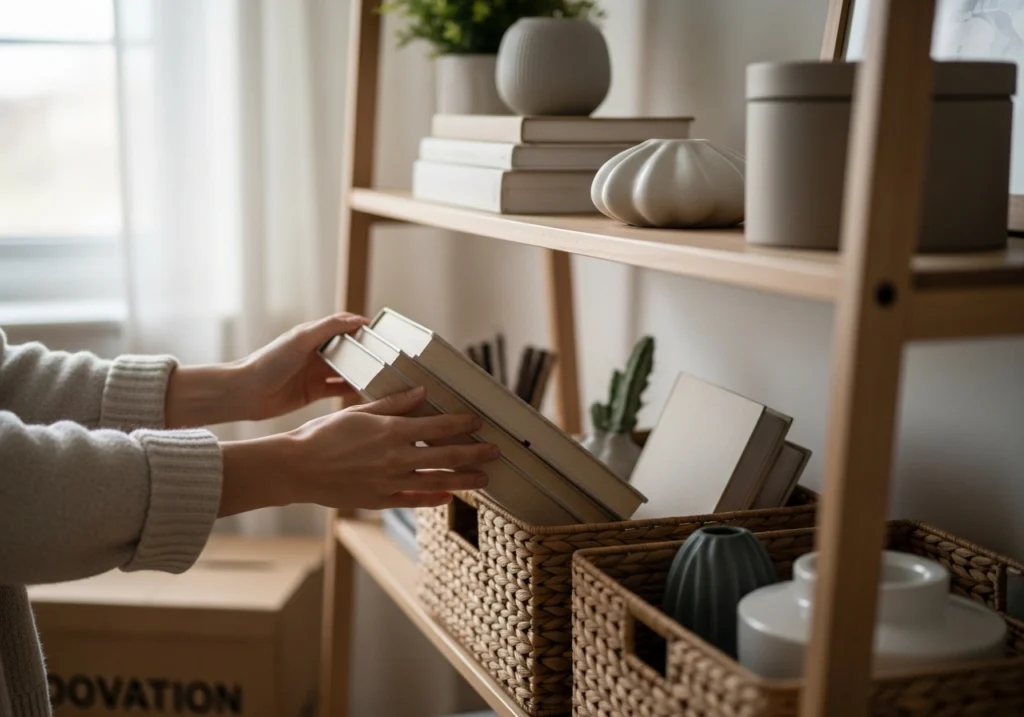
Decluttering is the foundation of every slow living sanctuary. You can’t create a peaceful space while surrounded by items that don’t serve you. But decluttering isn’t about becoming minimalist to an extreme degree. It’s about being intentional with what stays and what goes. The goal is a decluttered living room that feels spacious and breathable.
Start with the obvious items that don’t belong. Old magazines from last year. Remote controls for devices you no longer own. Decorative items you keep out of obligation, not love. Many people discover that removing these items immediately makes their room feel larger and calmer. Then move to the trickier category: items you like but don’t love. This requires honest evaluation. Does this throw blanket actually make you happy, or do you keep it because it was expensive? Does this bookshelf add value to your life, or is it just taking up space? The decluttering process should be gentle with yourself. You’re not throwing away memories or being wasteful. You’re creating space for what truly matters.
| Decluttering Method | Time Required | Best For | Emotional Difficulty |
|---|---|---|---|
| All at once | 1-2 days | Motivated people, small spaces | High (can be overwhelming) |
| Room by room | 1-2 weeks | Most people | Medium |
| Category by category | 3-4 weeks | Sentimental items, large spaces | Lower (gradual approach) |
| 15 minutes daily | Ongoing habit | Busy schedules, maintenance | Very low |
Choose a Calm Color Palette for a Slow Living Living Room
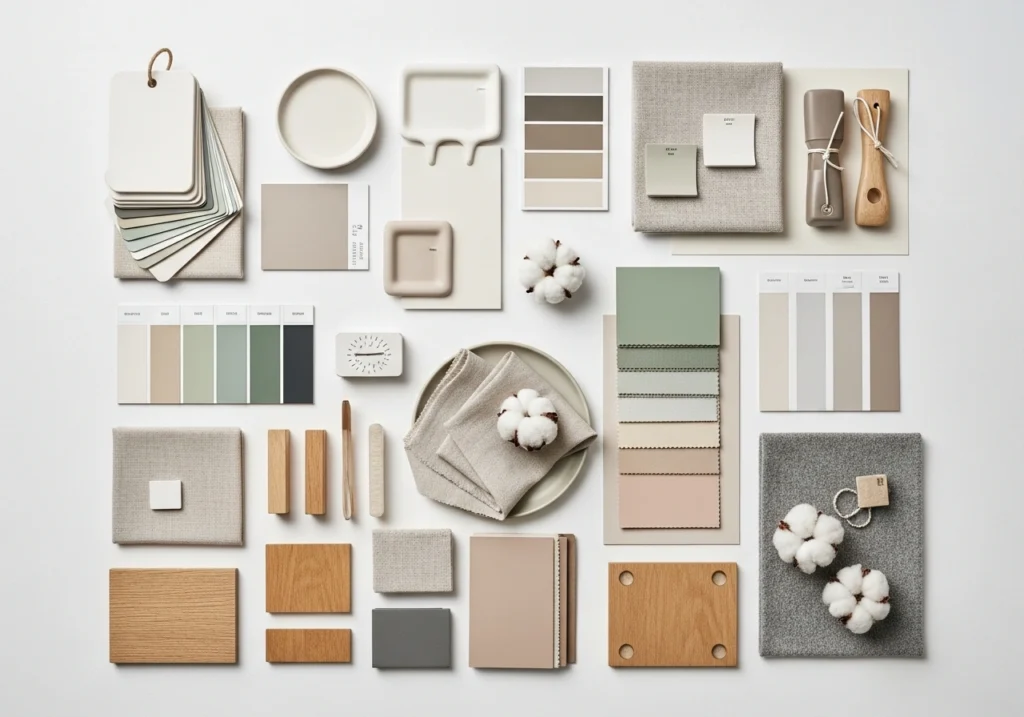
Color shapes mood more than most people realize. The hues surrounding you send constant signals to your brain about danger, comfort, energy, or calm. A slow living living room requires careful color consideration. Bright, saturated colors excite the nervous system. Soft, muted tones soothe it. This doesn’t mean your room must be boring beige. Rather, it means choosing colors intentionally for their psychological effect.
| Color | Psychology | Best Application | Lighting Impact |
|---|---|---|---|
| Soft White/Cream | Peaceful, clean | Walls, large furniture | Brightens naturally lit spaces |
| Warm Gray | Sophisticated, calm | Accent walls, upholstery | Neutral in any light |
| Soft Sage Green | Healing, restful | Accent wall, plants, textiles | Grounds warm lighting |
| Taupe/Greige | Warm, grounding | Main color, large furniture | Works in cool or warm light |
| Pale Blush | Gentle, soft | Accents only, small pieces | Flattering in evening light |
| Soft Blue | Tranquil, focused | Accent pieces, limited use | Can feel cool, needs warmth balance |
Use Natural Materials to Create a Relaxing Living Room
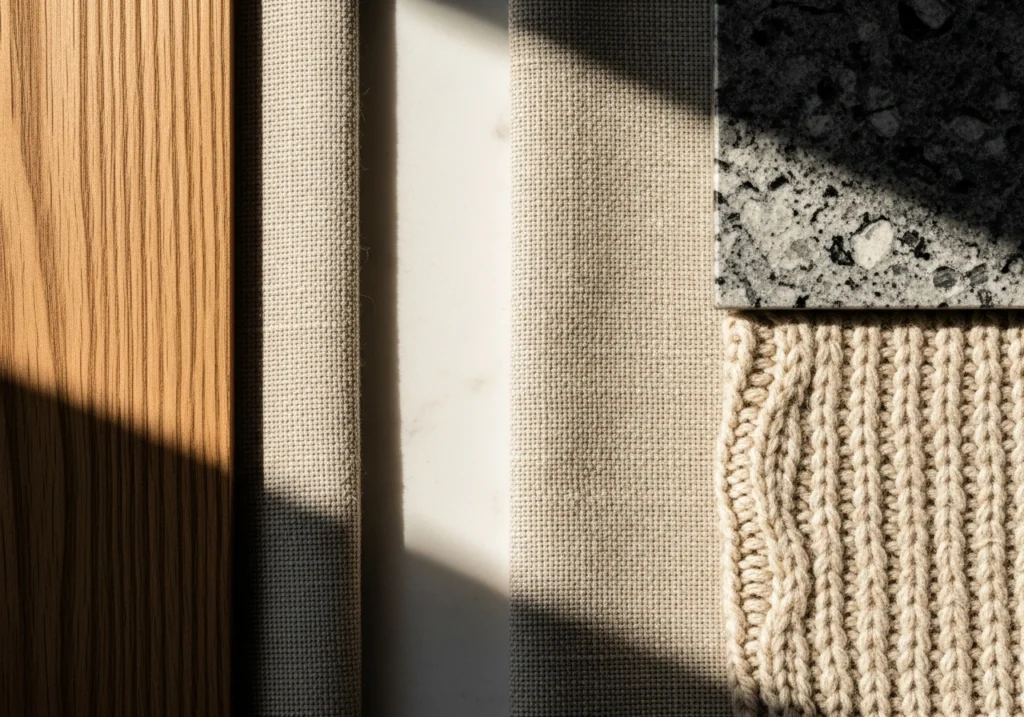
Natural textures and materials form the heart of any relaxing living room. Wood, linen, cotton, stone, and wool connect us to the earth in ways that synthetic materials simply cannot. This connection is called biophilic design, and research confirms it reduces stress and increases wellbeing. When you surround yourself with materials that feel alive and authentic, your body recognizes something true.
A relaxing living room should prioritize natural textures everywhere possible. Hardwood floors or natural wood finishes on furniture ground a space. Linen curtains diffuse light beautifully while offering texture. Cotton fabrics on seating wear well and age gracefully. Wool rugs add warmth and durability. These materials improve with age. A linen throw develops a beautiful patina. A wool rug becomes softer with time. Synthetic materials, by contrast, degrade. This matters psychologically. Using materials that improve over time reinforces the slow living philosophy of durability and meaning. You’re not chasing trends that become obsolete. You’re investing in pieces that last.
Furniture Placement Tips for a Slow Living Sanctuary
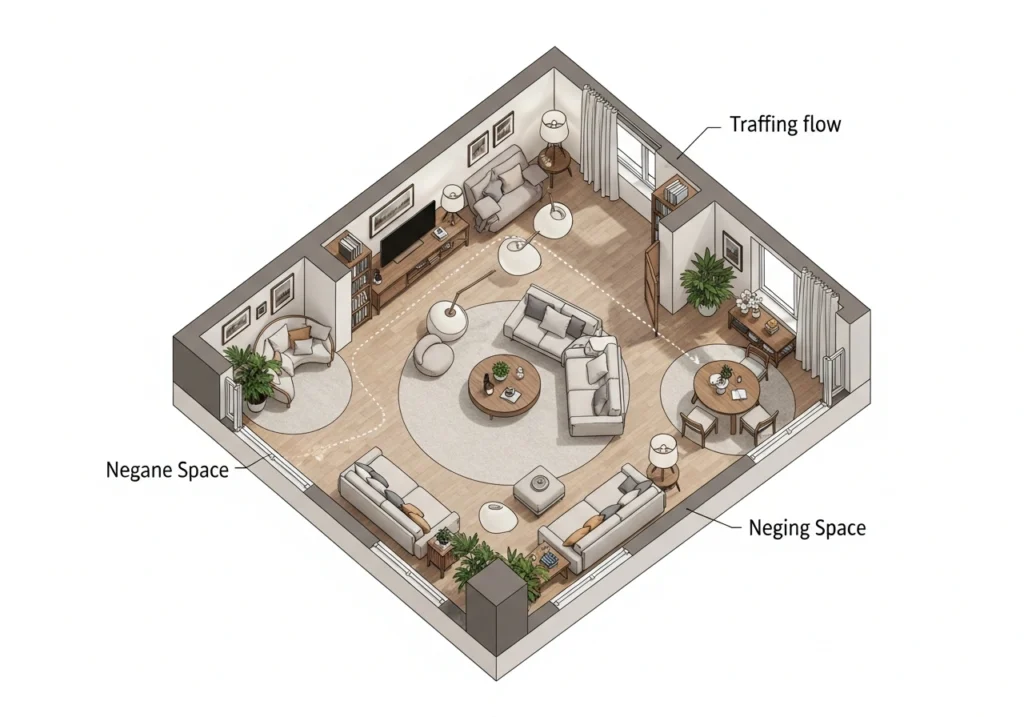
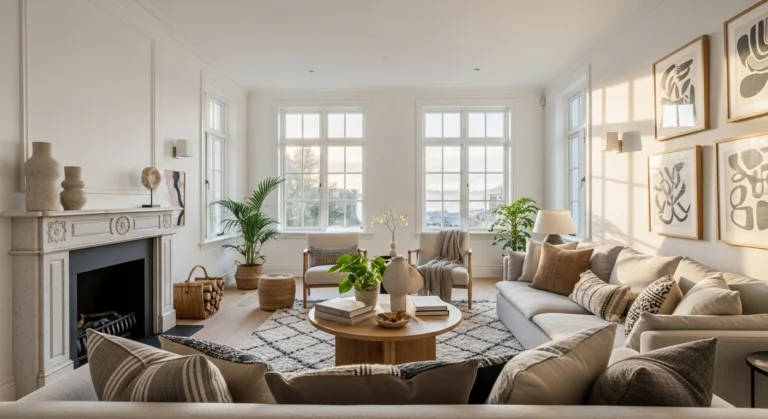
How you arrange furniture dramatically impacts how a room feels. Good comfortable seating arrangement creates natural conversation zones and clear flow. Poor arrangement creates awkwardness and wasted space. In a slow living sanctuary, furniture placement should support your actual activities. If you primarily read and rest, arrange seating to support quiet activities. If you gather with family, create a configuration that encourages connection without forcing people into corners.
The ancient practice of feng shui teaches principles that align with modern ergonomics and environmental psychology. Arrange seating so people can see the room’s entrance. This provides a sense of control and safety. Avoid blocking natural pathways with furniture. Instead, create intentional traffic flow. In a slow living home, this means designing for ease rather than forced formality. A reading chair positioned near a window with a small side table for tea requires less effort than furniture arranged for show. The space supports how you actually live. Leave negative space. Western design trends pack rooms with furniture. Slow living acknowledges that emptiness has value. It allows the eye to rest. It creates breathing room both physically and mentally.
Soft Lighting Ideas That Instantly Slow Down Your Space
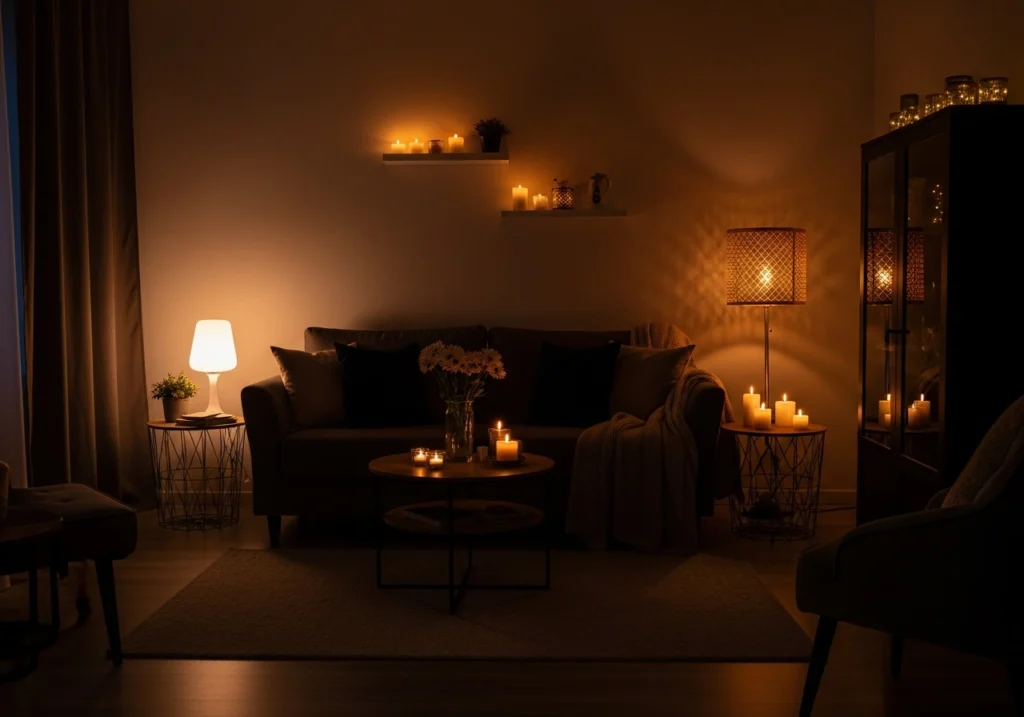
Lighting transforms how a space feels more than almost any other single element. Harsh overhead fluorescent lights trigger alertness. They belong in offices and hospitals, not your sanctuary. Soft lighting signals to your nervous system that it’s safe to relax. This happens unconsciously, but it happens powerfully. The difference between a lit and unlit room shapes your entire experience.
Soft lighting and ambient lamps create layers of warm illumination that supports rest. Avoid one bright overhead light. Instead, use multiple light sources at varying heights. A floor lamp in a reading corner. Table lamps on either side of seating. Candles on shelves and tables. This layering approach means you can adjust brightness based on your needs. Dimmer switches work beautifully for main lights, allowing flexibility. The key is warmth. Warm light (2700 Kelvin or lower) feels cozy. Cool bright light feels clinical. Your brain associates warm light with sunset and safety. It triggers melatonin production, supporting your natural sleep rhythm.
Add Cozy Textiles for Comfort and Warmth
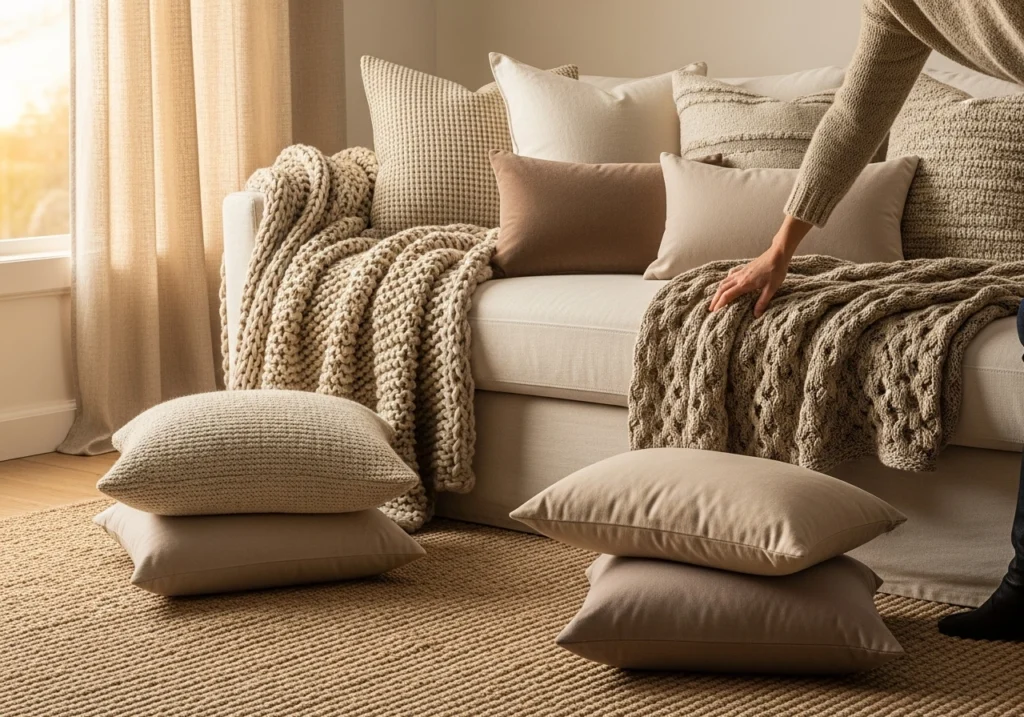
Textiles make a room feel lived-in and welcoming. Hard surfaces reflect sound and feel institutional. Soft fabrics absorb sound and create coziness. Linen and cotton fabrics offer the best texture and durability for regular use. They breathe naturally. They age beautifully. They’re hypoallergenic compared to synthetic options. A room filled with soft textures invites touch and engagement in a way that slick surfaces cannot.
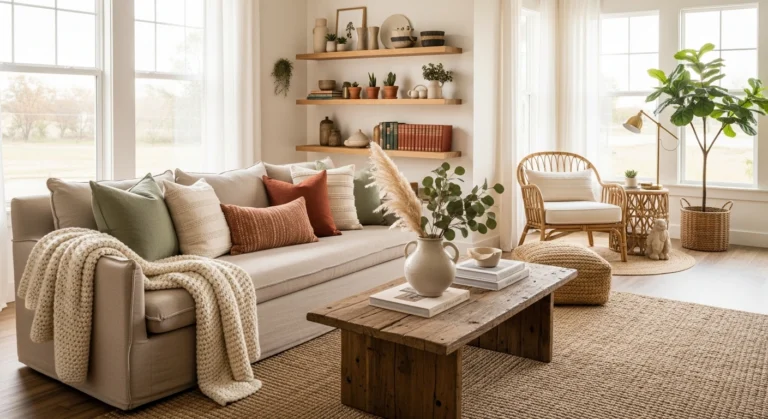
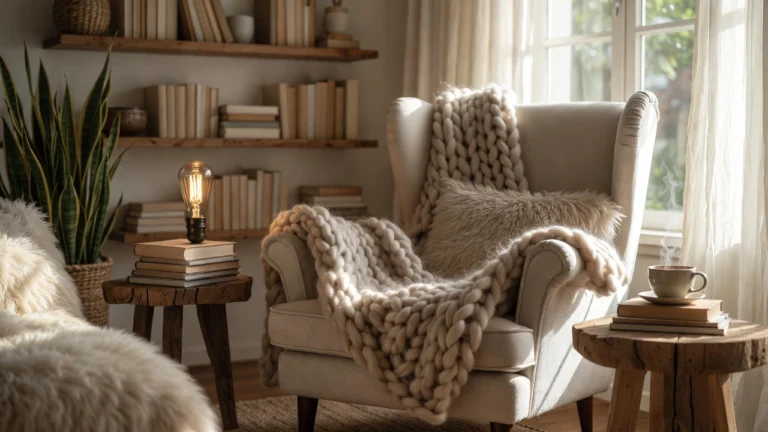
Cozy slow living spaces layer textiles thoughtfully. An area rug anchors a seating area and defines space. Throw blankets draped over chairs invite curling up with a book. Cushions in varying sizes and textures add visual interest without clutter. The key is intentionality. Rather than many small decorative pillows that serve no function, choose fewer pieces in quality fabrics that you actually use and enjoy. A chunky knit throw blanket serves double duty as decoration and functionality. A linen curtain filters light beautifully while offering softness. Quality over quantity prevents the cluttered feeling. Seasonal textile swaps keep things fresh without requiring constant purchases. Lighter cotton throws for summer. Heavier wool blankets for winter. This practice honors both your space and natural rhythms.
Incorporate Mindful Decor That Supports Slow Living
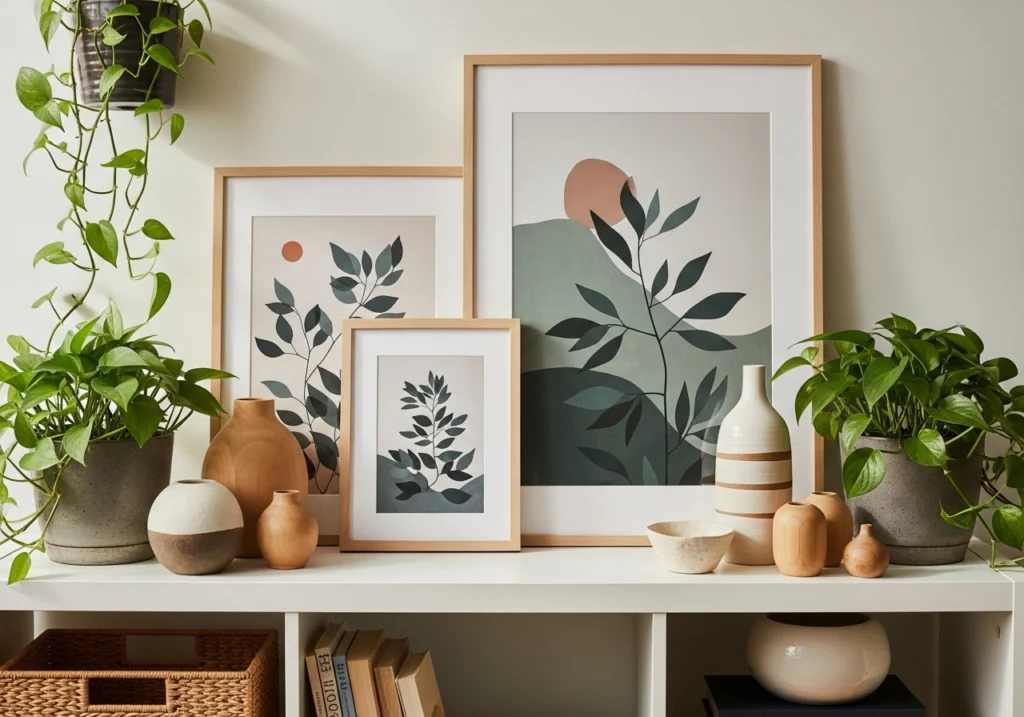
Mindful living room setup means every item serves a purpose or brings genuine joy. This is Marie Kondo’s principle of keeping only what “sparks joy,” but applied with wisdom. Not everything needs to spark joy in an obvious way. A functional storage basket might not spark joy, but it serves your peace of mind. The distinction matters. Mindful decor is intentional rather than accidental.
Before adding any item to your slow living room decor, ask yourself three questions. First: does this serve a function I actually need? Second: does this bring me joy or beauty? Third: can this item have multiple purposes or meanings? Art that promotes calm works beautifully. Nature photography. Abstract pieces in muted tones. Minimalist line drawings. These don’t overstimulate. They calm. Plants serve multiple purposes. They improve air quality. They add living elements. They require care, which adds intentionality to your daily routine. A single plant thriving in a corner provides more value than five plants struggling to survive. Handmade and organic decor items like wooden sculptures or woven baskets add warmth and tell stories. Mass-produced decorative objects often feel soulless by comparison.
Create a Quiet Corner for Rest and Reflection
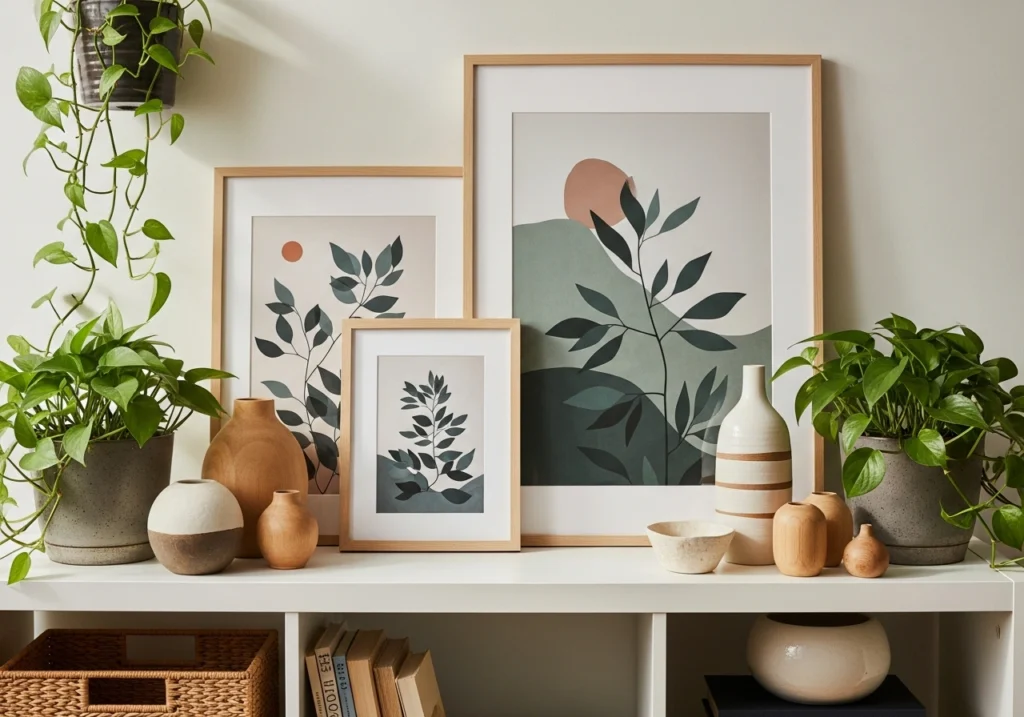
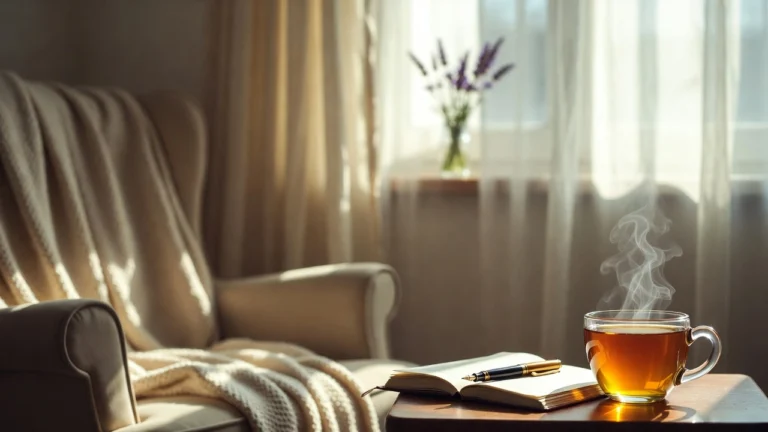
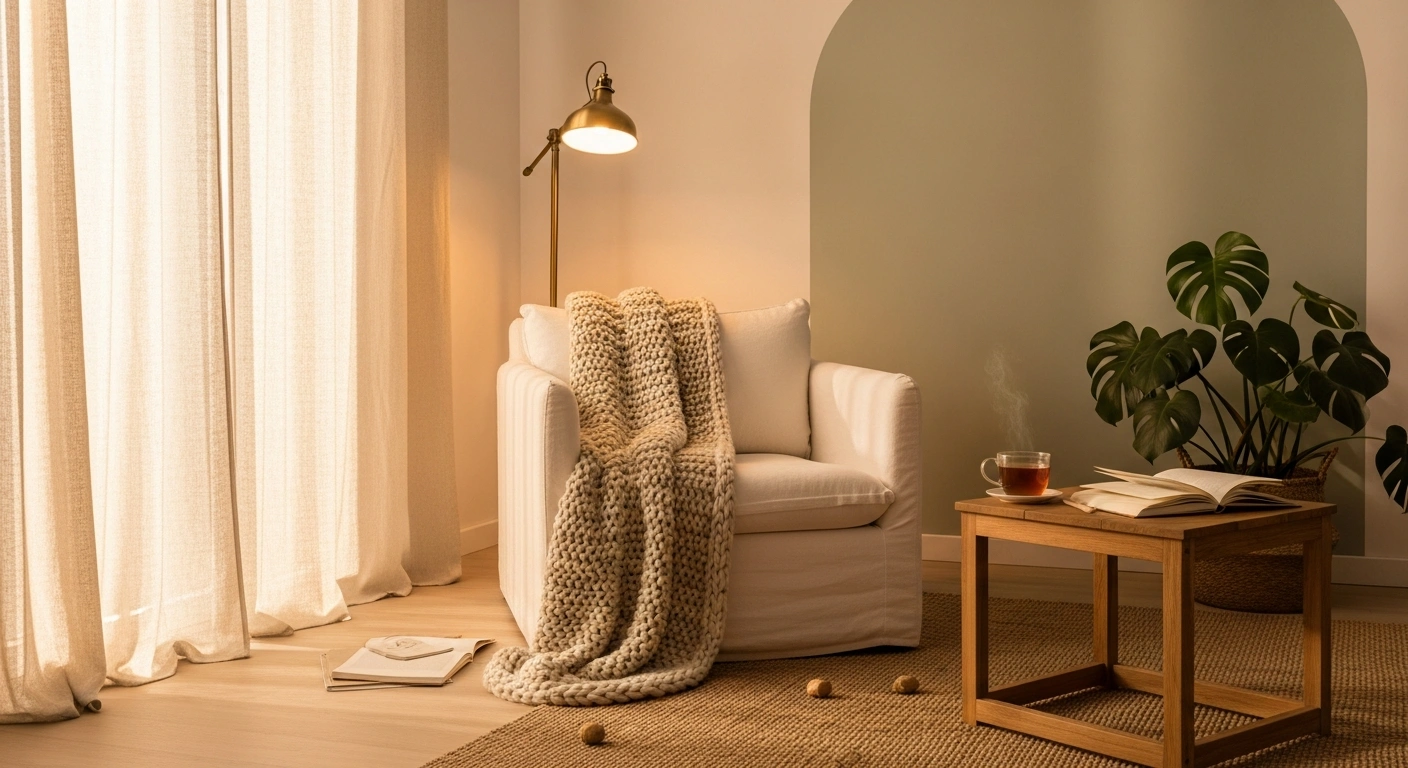
Within your living room, establish a dedicated quiet and intentional space for rest and reflection. This can be small. Even a corner with a comfortable chair and good natural light becomes a retreat. This corner should feel separate from the main living room activity. It’s your personal sanctuary within the sanctuary. The boundary doesn’t need to be dramatic. A different texture of rug. A subtle change in lighting. These create a psychological separation even in an open space.
Quiet and intentional spaces require thoughtful sound management. If you live in a noisy area, add soft furnishings that absorb sound. A heavy rug. Curtains in dense fabric. Plants actually absorb sound frequencies. Bookshelves filled with books dampen noise. White noise machines or soft water fountains can mask intrusive sounds. Your quiet corner should feel protected from household activity and outside noise. Privacy matters too. Even in a small space, a tall plant or decorative screen can create a sense of separation. You’re not hiding. You’re creating a dedicated space that serves a specific purpose.
How to Make a Small Living Room Feel Like a Slow Living Sanctuary
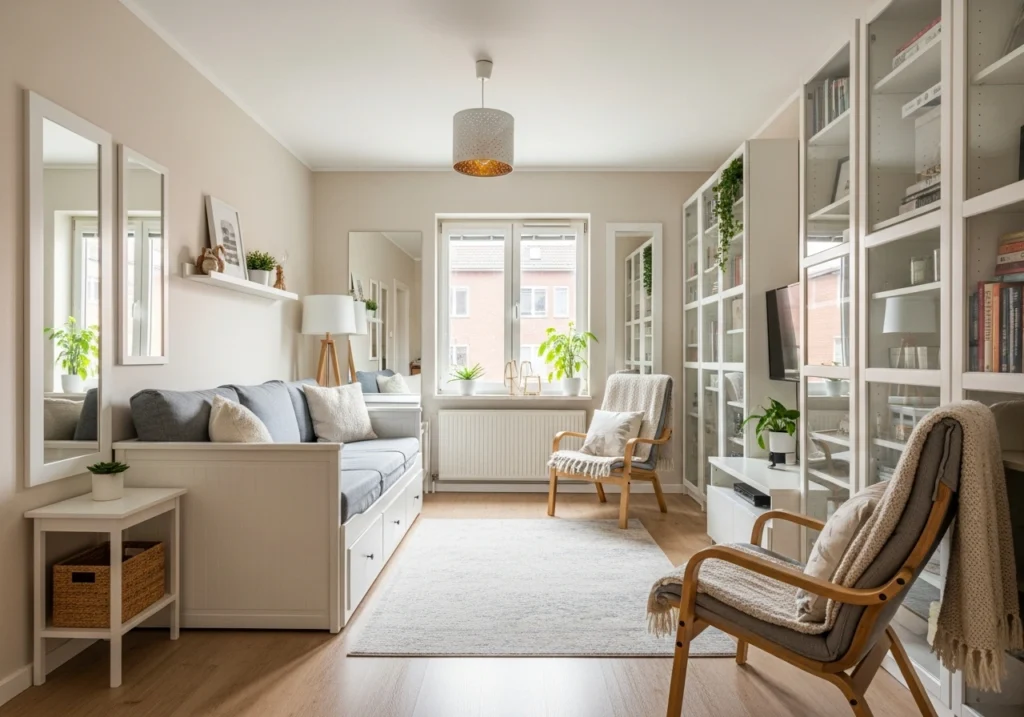
Small spaces present unique challenges. You can’t hide clutter in corners. Every piece must earn its place. The good news? Small spaces often feel more intimate and cozy when well-designed. A small living room becomes a slow living sanctuary through smart choices about what to include and creative use of vertical space.
Start with multipurpose furniture. An ottoman with hidden storage. A console table that becomes a dining surface. Wall-mounted shelving instead of freestanding bookcases. These choices reduce the number of pieces while providing functionality. Vertical space becomes your friend. Tall bookcases draw eyes upward, making rooms feel larger. Wall-mounted shelves display meaningful items without floor clutter. Hanging plants add living elements without consuming surface space. Mirrors strategically placed reflect light and create an illusion of spaciousness. Light colors on walls and larger furniture pieces make small living room spaces feel airy. A warm neutral color palette in a small space feels cohesive rather than choppy. Avoid too many different tones. Keep the color story simple. One main wall color. Textiles in coordinating neutrals. This simplicity feels intentional rather than restrictive.
Simple Daily Habits That Keep Your Living Room Calm and Clutter-Free
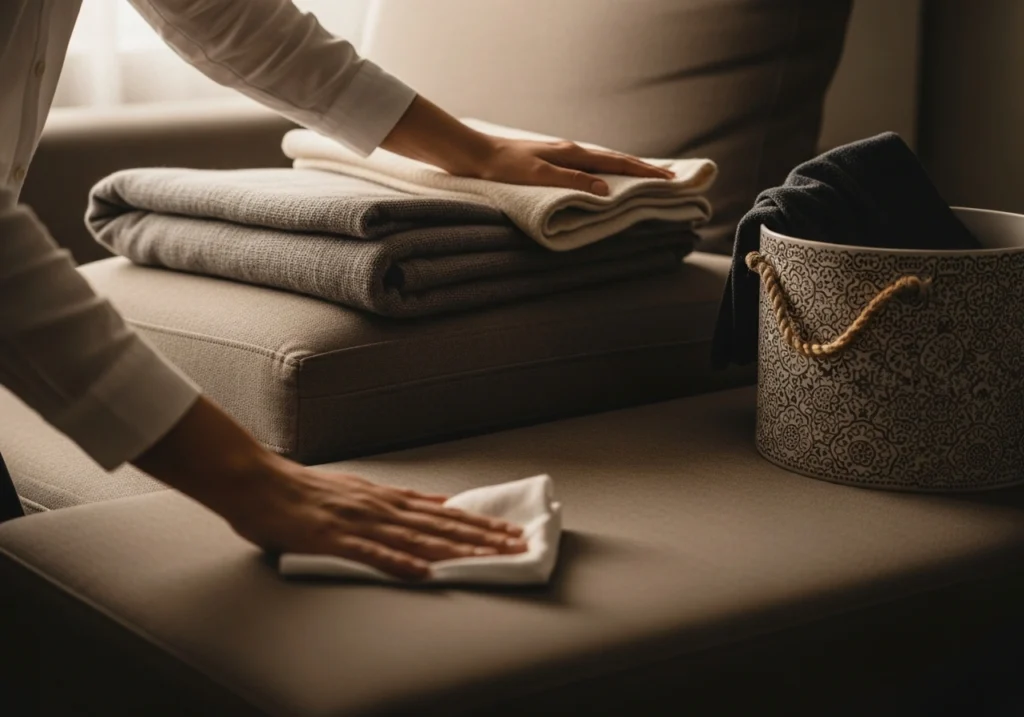
Transformation doesn’t end once you’ve decluttered and decorated. Maintaining a calm living room requires simple daily habits that prevent clutter from creeping back. Most people achieve their dream space only to watch it slowly degrade as items accumulate again. Breaking this cycle requires systems, not willpower.
Establish a five-minute evening reset ritual. Before bed, walk through your living room. Return items to their homes. Fold blankets. Fluff pillows. Tidy surfaces. This small investment prevents gradual degradation. You wake to a calm space rather than yesterday’s chaos. Create designated homes for everything. Remote controls live in one basket. Blankets in a specific chair. Books on specific shelves. When everything has a place, putting things away takes seconds. Items wandering homeless create visual disorder. One-in-one-out rule helps prevent accumulation. When you bring a new item home, something similar leaves. This prevents the gradual creeping of possessions that transforms organized spaces into busy ones.
The Transformation Awaits
Creating a slow living sanctuary from a busy living room is absolutely achievable. You don’t need to be an interior designer. You don’t need a large budget. You need clarity about what matters to you and willingness to make intentional choices. Start small. Remove one category of items that doesn’t serve you. Add one soft lamp. Rearrange furniture for better flow. Small steps compound into complete transformation.
Your living room should feel like a warm embrace when you enter it. It should invite rest and reflection. It should support the life you want to live rather than the life you’re rushing through. Every element, from wall color to furniture placement to soft textiles, should reinforce this purpose. This is the slow living philosophy. Not minimalism for its own sake. Not perfection. But intentionality that creates genuine peace.
Key Takeaways
A slow living sanctuary prioritizes peace over perfection. Calm living room ideas center on decluttering, intentional color choices, and natural materials. Soft lighting and ambient lamps support your nervous system’s relaxation. Cozy slow living spaces invite rest through texture and comfort. Peaceful living room design requires saying no to busy, overwhelming elements and yes to what truly serves you. Your daily habits maintain what you’ve created. The transformation from a busy living room to a slow living sanctuary is within reach for anyone willing to be intentional.