13 Southern Style Garden: The Complete Guide to Creating a Classic and Charming Outdoor Space
There’s a reason people slow down when they drive past a southern garden. Something about it pulls at you. The draping wisteria. The white-columned porch wrapped in Confederate jasmine. The magnolia standing like a quiet guardian at the garden’s edge. A southern style garden doesn’t just look beautiful — it feels like something. It feels like Sunday afternoons, sweet tea on the porch, and generations of careful tending passed down through proud family hands across centuries of American outdoor living tradition.
What Is a Southern Style Garden and What Makes It So Uniquely Beautiful
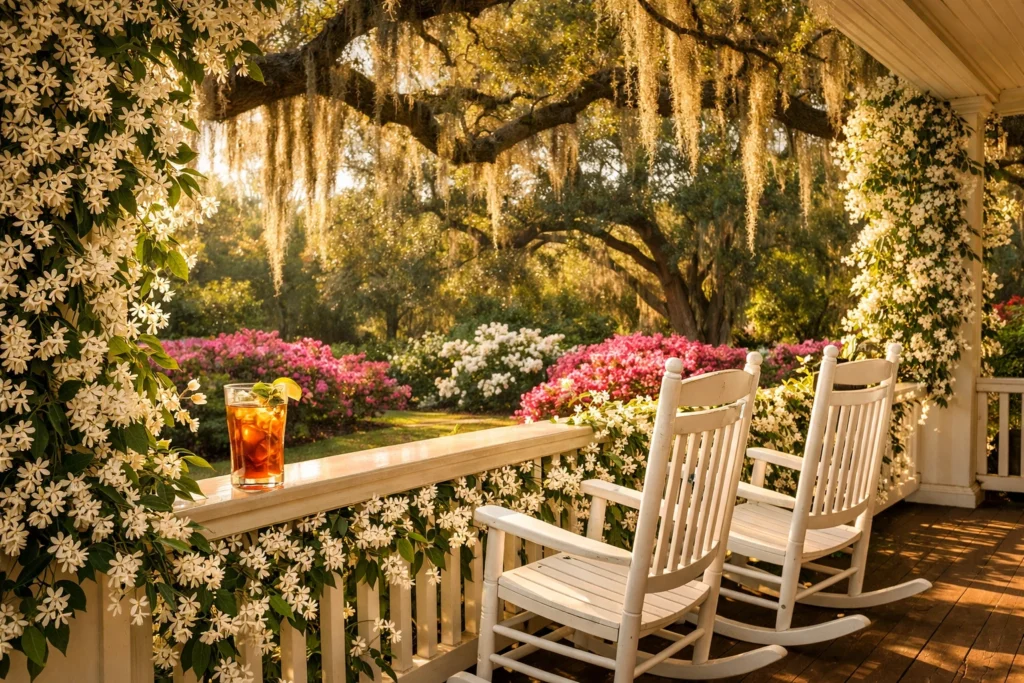
What is a southern style garden in its purest and most authentic expression? It’s a landscape philosophy rooted in three fundamental values — gracious hospitality, abundant sensory pleasure, and deep respect for regional botanical heritage. Southern garden design combines formal architectural structure with romantic lush planting in a tension that creates its distinctive character. Clipped boxwood hedges provide discipline and order. Overflowing roses, gardenias, and camellias provide indulgence and beauty. That simultaneous presence of structure and abundance is what makes southern gardens feel both elegantly composed and generously alive in ways that no other American regional garden style quite achieves or replicates.
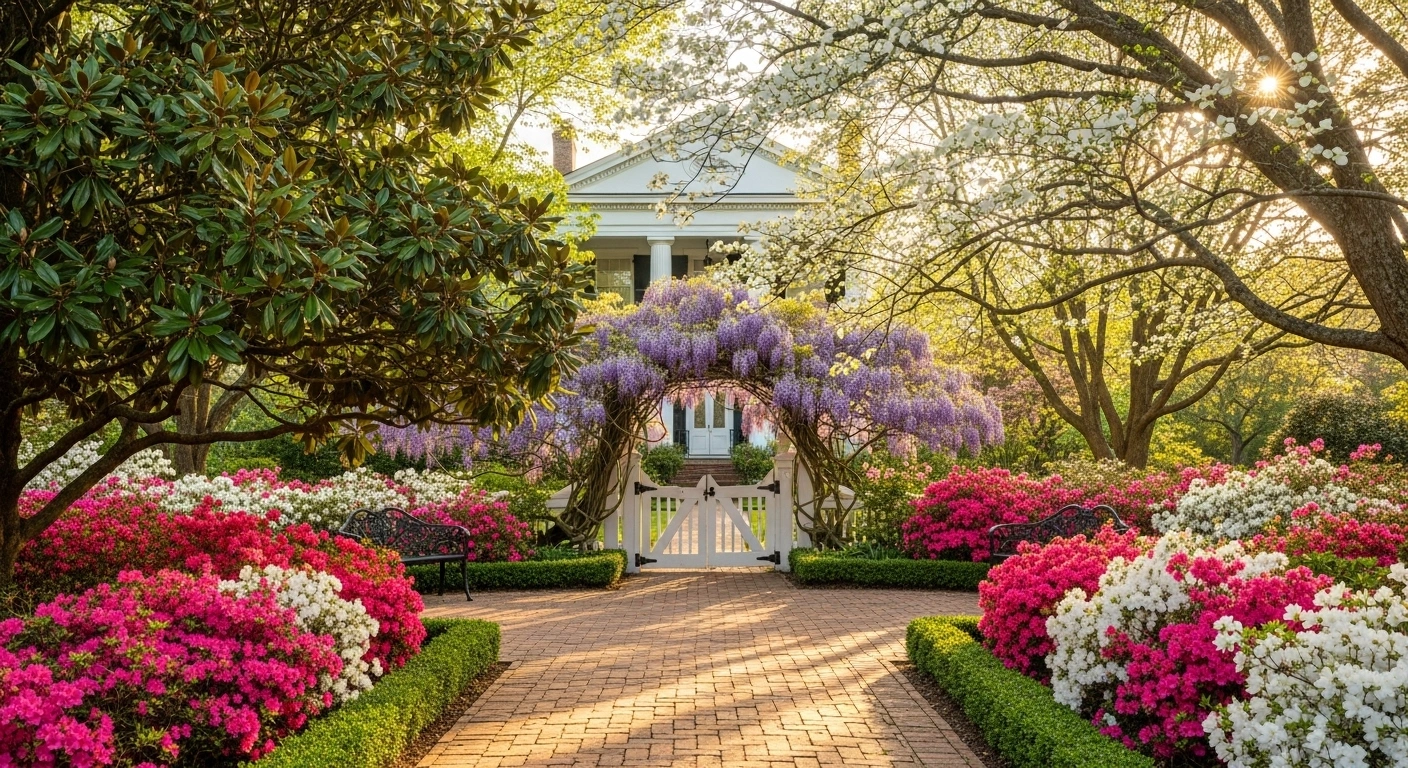
What makes a garden look southern style is a combination of specific plants, design principles, and atmospheric details working together as a unified whole rather than any single element working alone. The presence of a mature magnolia immediately signals southern garden character. So does a brick pathway flanked by azaleas in full spring bloom. Southern charm garden atmosphere depends on layering — evergreen structure providing year-round presence, flowering shrubs providing seasonal spectacle, climbing plants adding vertical romance, and carefully chosen garden ornaments adding the architectural punctuation that authentic southern garden design has always relied upon to create its unmistakable sense of established gracious place.
Key Design Elements That Define Every Classic Southern Style Garden
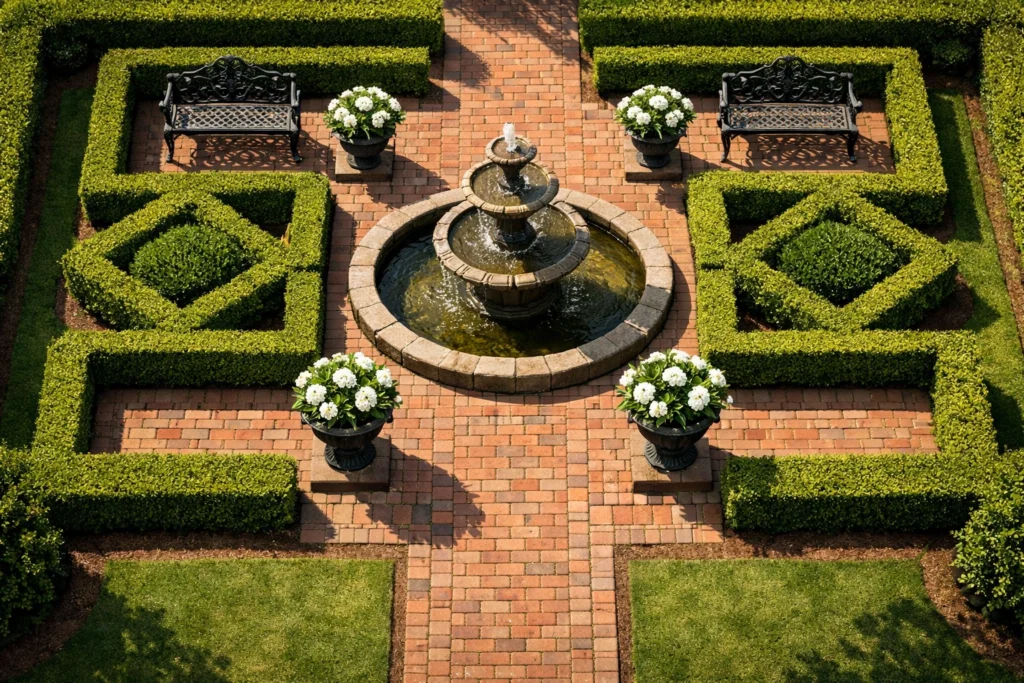
What are the key elements of southern garden design that separate a genuinely authentic southern landscape from a generic American residential garden that simply happens to contain a few southern plants? Symmetry is the foundational principle — matching plantings flanking entrances, balanced border arrangements on either side of central axes, and mirrored garden sections that create the formal elegance traditional southern garden design demands as its structural backbone. Southern gardens respect the classical design traditions that European settlers brought to American shores and refined over three centuries of hot humid growing conditions that tested every imported plant and design idea ruthlessly.
| Design Element | Purpose | Classic Examples | Modern Alternatives |
|---|---|---|---|
| Symmetry | Formal structure | Matching boxwood flanking entry | Matched ornamental grasses |
| Enclosure | Garden rooms | Brick walls, clipped hedges | Wooden fences, living screens |
| Focal Points | Visual destination | Fountain, specimen tree | Modern sculpture, fire feature |
| Hardscape | Architectural framework | Brick paths, stone terraces | Concrete pavers, gravel |
| Ornaments | Period character | Cast iron bench, urns | Contemporary ceramic planters |
Best Trees for a Traditional Southern Style Garden That Impress Everyone
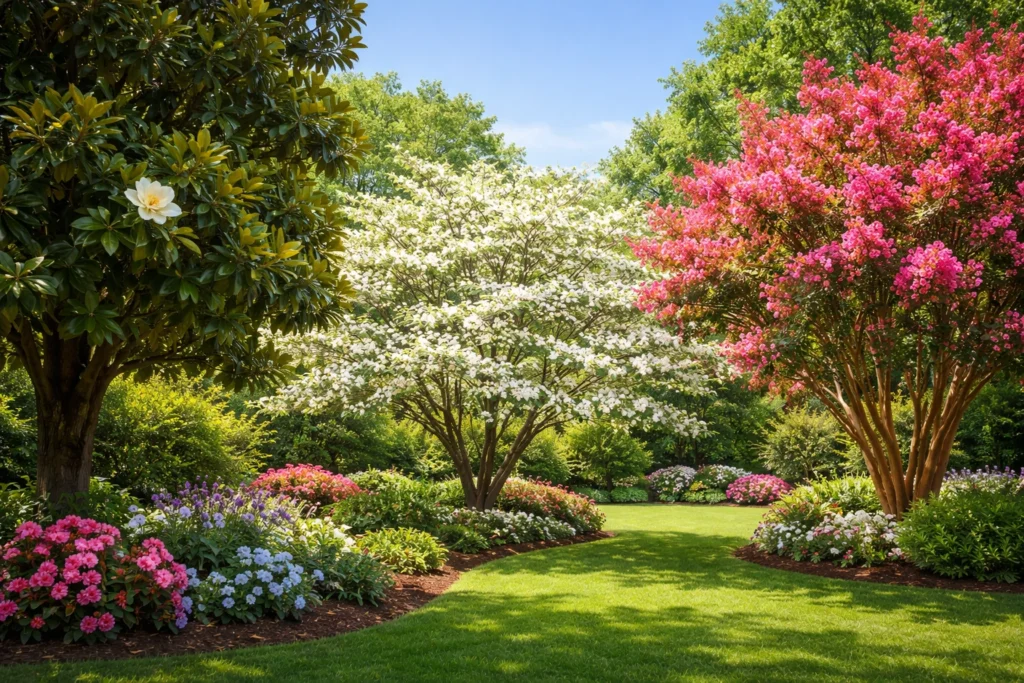
What trees are popular in southern garden design among homeowners, landscape architects, and garden designers who work throughout the American South? The southern magnolia — Magnolia grandiflora — answers that question with an authority that no other tree can challenge. Its enormous glossy evergreen leaves reflect sunlight with a lacquered brilliance that makes other trees look dull by comparison. Its creamy white blooms reaching twelve inches across in June fill entire neighborhoods with a sweet lemon fragrance that defines what southern summer smells like to everyone who grew up anywhere south of the Mason Dixon line. Southern garden trees don’t get more iconic or more impactful than a mature southern magnolia anchoring the corner of a well-designed residential landscape.
you may also like this:Outdoor Space on a Budget: 13 Smart Ways to Transform Your Backyard for Less
| Tree | Bloom Season | Mature Height | USDA Zones | Key Feature |
|---|---|---|---|---|
| Southern Magnolia | June-July | 60-80 feet | 6-10 | Iconic evergreen grandeur |
| Flowering Dogwood | March-April | 15-25 feet | 5-9 | Spring bloom spectacular |
| Crepe Myrtle | June-September | 15-30 feet | 6-10 | Summer color champion |
| Live Oak | Evergreen | 40-80 feet | 7-10 | Atmosphere and presence |
| Serviceberry | March-April | 15-25 feet | 4-9 | Early spring beauty |
| Sweet Bay Magnolia | May-June | 10-35 feet | 5-10 | Fragrant smaller option |
Best Shrubs and Hedges That Give Your Garden That True Southern Charm
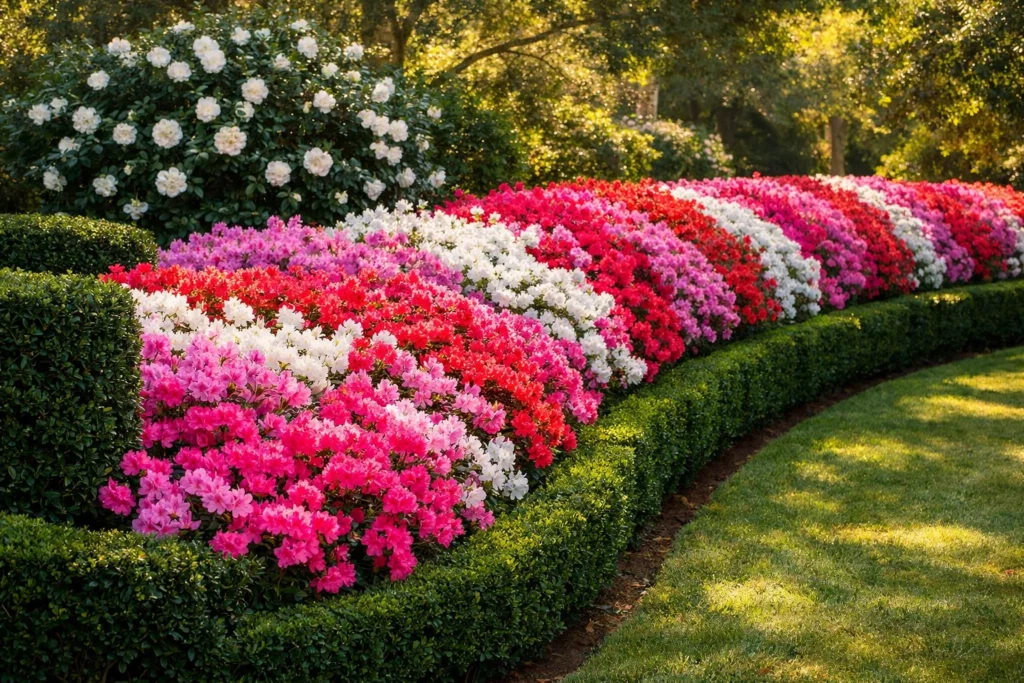
What shrubs are used in southern style gardens more consistently and more iconically than any other? Azaleas answer that question without hesitation or competition. Their spring flowering display is genuinely one of American horticulture’s most spectacular seasonal events — a mature azalea in full April bloom produces such an overwhelming abundance of flowers that foliage disappears completely beneath a solid mass of pink, white, red, or purple blossoms that creates a flowering spectacle unlike anything else available in the residential garden plant palette. Southern garden shrubs built around azalea foundations create landscapes that achieve genuine neighborhood landmark status during their peak spring bloom period drawing admirers from considerable distances.
How to add southern charm to your garden through shrub selection beyond azalea means embracing camellia as an equal partner in creating year-round southern garden character. Camellia japonica blooms from November through March filling the garden’s quietest seasonal period with elegant formal flowers that look almost artificial in their perfect waxy beauty. Camellia sasanqua blooms earlier from October through December with a more informal flowering habit that suits cottage garden settings beautifully. Boxwood creates the clipped geometric hedging that gives southern formal garden compositions their structural backbone — without boxwood’s crisp architecture the entire formal southern garden vocabulary loses its essential organizing framework and descends into pleasant but compositionally undisciplined abundance without architectural definition or visual order.
Most Beautiful Flowers for a Stunning Southern Style Garden Display
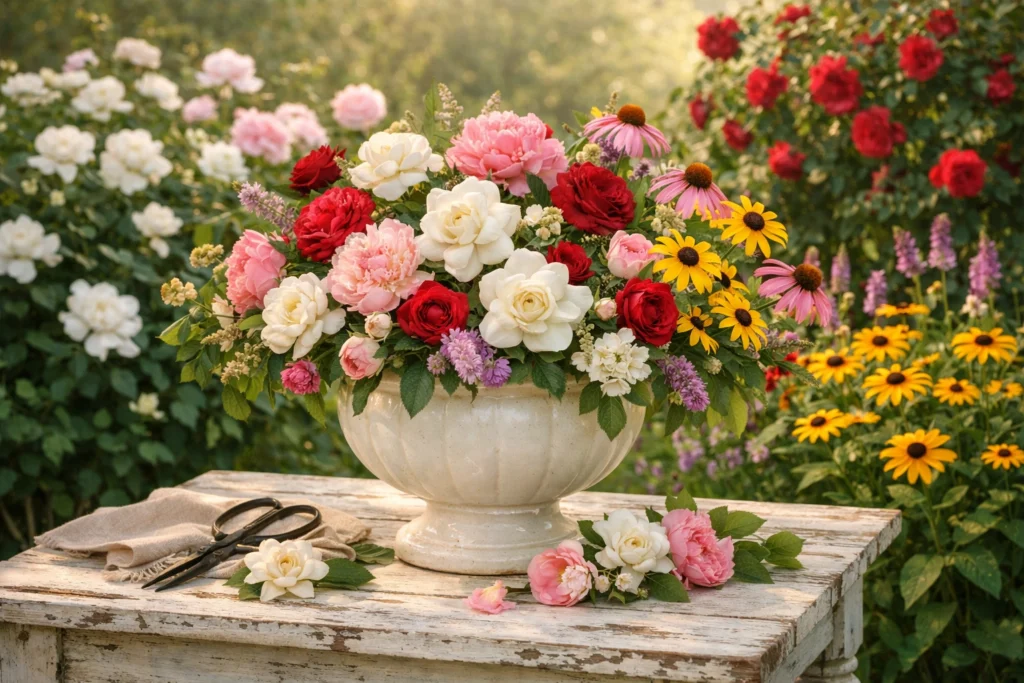
What are the best flowers for a southern garden that provide maximum visual and sensory impact throughout the growing season from early spring through late autumn? Gardenias claim the title of most atmospherically powerful southern garden flower through sheer olfactory dominance — their intoxicating sweet fragrance on warm June evenings is among the most evocative and beloved sensory experiences in all of American garden culture. Southern garden flowers without gardenias feel incomplete in the same way a Southern kitchen without sweet tea feels incomplete — the absence of something so fundamentally characteristic creates a subtle but persistent wrongness that experienced southern gardeners recognize immediately and instinctively.
What flowers grow best in southern gardens across the full growing season? The supporting cast of southern flowering plants is as impressive as its headliners. Peonies deliver heart-stoppingly beautiful late spring blooms in shades from pure white through deep magenta before departing gracefully for the summer. Southern garden color reaches its summer peak through roses in every shade, black-eyed Susans glowing gold throughout July and August, coneflowers in pink and orange attracting butterflies continuously, and hydrangeas providing enormous flower heads from late June through frost. What bulbs grow well in southern gardens specifically? Louisiana iris, caladiums, dahlias, and rain lilies all perform magnificently in southern heat and humidity producing spectacular results that northern gardeners can rarely achieve with these particular species regardless of their care and attention throughout the growing season.
Best Climbing Plants and Vines for a Classic Southern Style Garden
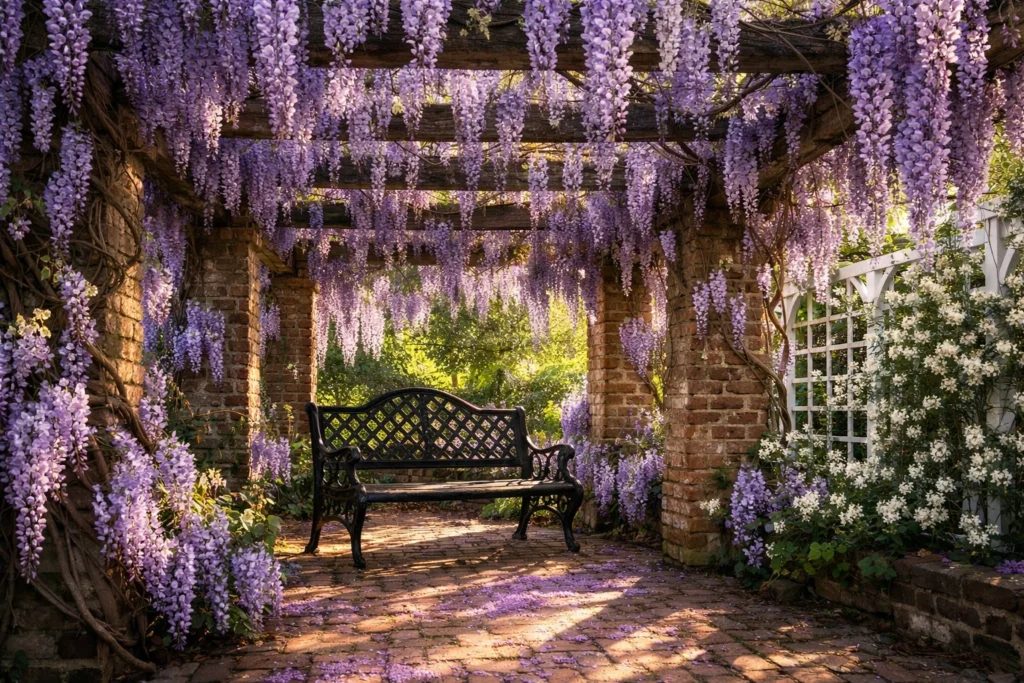
What climbing plants are popular in southern gardens creating the vertical romance and architectural drama that authentic southern outdoor spaces absolutely require? Wisteria climbing over a brick pergola or wrought iron garden gate is perhaps the single most iconic image in the entire canon of southern style garden design — its cascading purple flower clusters in April create a fragrant floral waterfall of almost overwhelming beauty that perfumes entire neighborhoods and stops every observer regardless of how many times they’ve experienced this spectacular annual display. Plant wisteria only where its genuinely vigorous growth can be accommodated and consistently managed because this beautiful vine commands rather than requests the growing space it needs for full expression.
How to landscape in southern style using climbing plants beyond the incomparable wisteria means embracing several other equally charming and culturally resonant southern climbers. Confederate jasmine — Trachelospermum jasminoides — produces masses of small star-shaped white flowers with an intoxicating sweet fragrance that rivals gardenia in olfactory impact while providing attractive glossy evergreen foliage throughout the entire year. Southern garden accents created by climbing roses scrambling through a wooden trellis, over a garden arch, or up a rustic fence post add romantic cottage garden character that formal plantings alone cannot deliver regardless of their inherent beauty and careful maintenance. Carolina jessamine produces masses of bright yellow tubular flowers in early spring before most other garden plants have awakened from winter dormancy creating welcome seasonal color during the garden’s most eagerly anticipated transitional period.
How to Design a Formal Southern Style Garden From Scratch
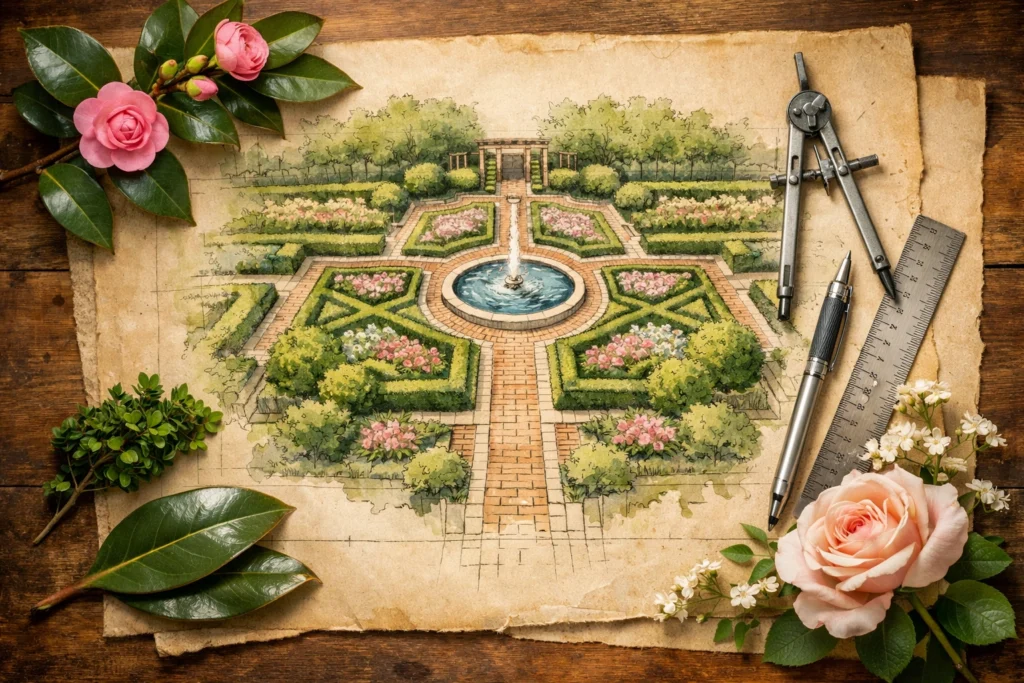
How to create a formal southern garden that achieves genuine period authenticity requires establishing a strong central axis as the foundational organizing principle around which every subsequent design decision gets made. This central axis — an imaginary line running through the garden’s heart — organizes all planting, hardscape, and structural elements into balanced symmetrical relationship on either side creating the formal geometry that distinguishes southern formal garden compositions from the relaxed informality of cottage and naturalistic garden styles. The axis typically runs from the home’s primary entrance toward a significant focal point — a tiered stone fountain, specimen magnolia, or ornamental garden pavilion — creating a processional experience that makes arriving in the garden feel genuinely ceremonial and deliberately designed with intention and historical awareness.
Southern garden layout for a formal design requires addressing the four foundational elements in a specific sequence that professional landscape architects follow consistently in their most successful formal southern garden projects. First establish the structural hedging framework using clipped boxwood, yaupon holly, or American holly to define garden rooms, border edges, and pathway enclosures that give the formal southern garden design its essential architectural skeleton. Second install all hardscape elements — brick pathways, stone terraces, cast iron edging, and water features — before any significant planting begins to avoid disrupting established plantings during later construction phases. Third position all major trees and specimen shrubs that will anchor the composition for decades creating its permanent structural presence. Fourth layer seasonal color through perennials, bulbs, and annual bedding plants within the established structural framework following a carefully planned seasonal succession that maintains the formal garden’s immaculate appearance throughout every month of the growing year.
How to Create a Southern Cottage Garden Full of Charm and Character
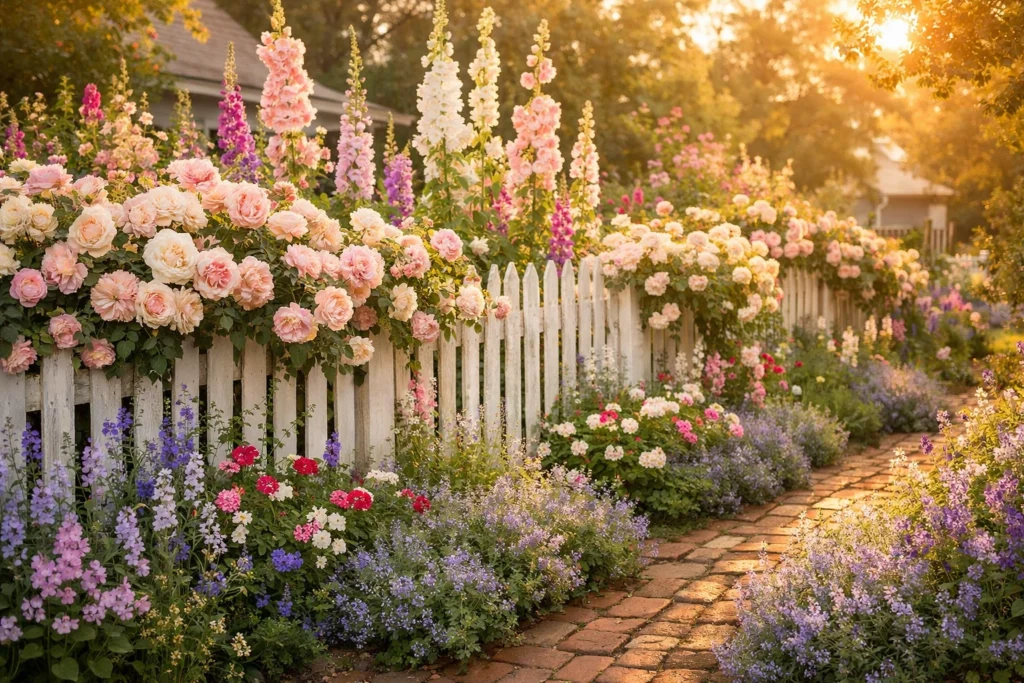
How to create a southern cottage garden that achieves genuine romantic charm rather than simply looking unkempt and accidentally chaotic requires understanding the crucial distinction between deliberate informality and actual neglect — a distinction that the most beautiful cottage gardens navigate with considerable design skill disguised as natural spontaneity. Southern cottage garden design uses specific plants chosen for their natural exuberance and self-seeding tendencies — old garden roses, foxgloves, hollyhocks, larkspur, and sweet William — that create the appearance of spontaneous abundance while actually following a loosely planned seasonal structure that prevents any single species from overwhelming its neighbors into decline or disappearance from the composition.
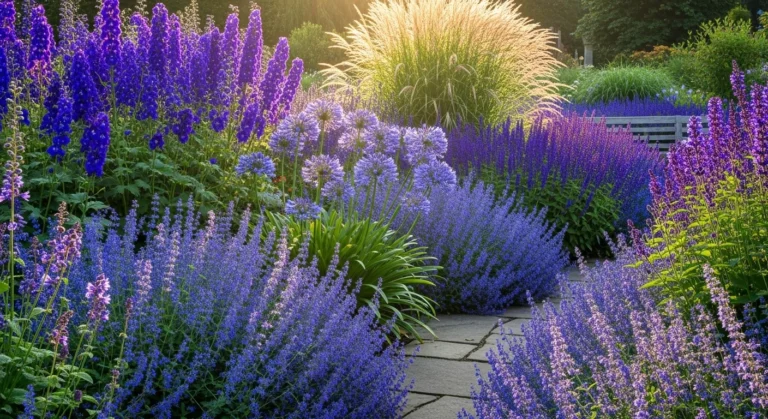
Southern garden beds in cottage style gardens benefit from a specific layering approach that creates depth, visual interest, and the lush generous abundance that defines cottage garden aesthetics at their most successful and most photographed. Tall background plants including hollyhocks, cleome, and tall salvias create the backdrop. Mid-height bloomers including roses, peonies, and heritage irises fill the generous middle layer. Low edging plants including catmint, sweet alyssum, and creeping phlox soften the border edge with cascading informal abundance. Southern heritage garden cottage planting plans always include several heirloom varieties passed down through southern gardening families for generations — these antique plants carry historical character and proven regional adaptability that modern hybrid varieties bred for northern growing conditions frequently lack when grown in the South’s demanding heat and humidity.
Best Ground Covers and Ornamental Grasses for Southern Style Gardens
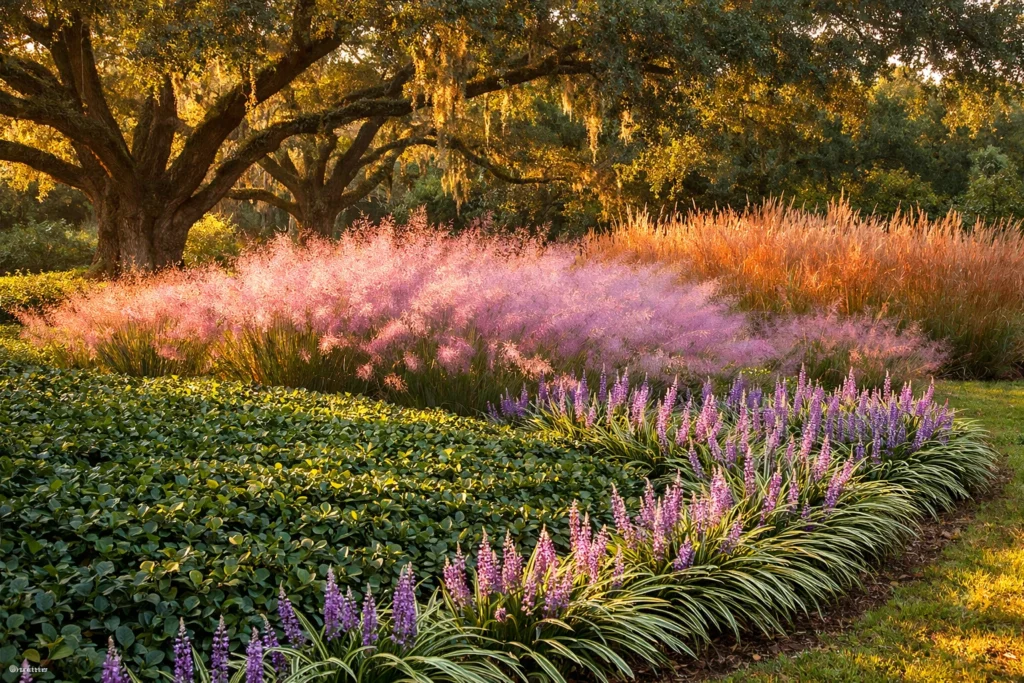
What ground cover is used in southern gardens to suppress weeds, prevent soil erosion on sloped sites, and create the lush green carpet effect that authentic southern landscapes require beneath their tree and shrub layers? Asiatic jasmine creates a tough dense evergreen ground cover that handles southern heat, drought, and shade with remarkable resilience once properly established through its critical first growing season. Liriope muscari — lily turf — provides striped or solid green grasslike foliage with purple flower spikes in late summer making it simultaneously functional as ground cover and attractive as a flowering garden element throughout the growing season.
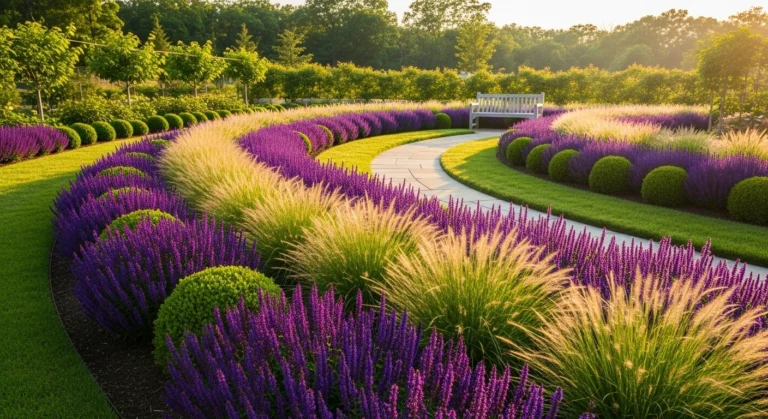
What ornamental grasses are used in southern gardens for adding movement, texture, and naturalistic character to southern style garden compositions that want to incorporate contemporary prairie-influenced planting alongside their more traditional formal and cottage elements? Gulf muhly grass creates spectacular clouds of pink-purple flowers in October that photograph magnificently and represent one of the most dramatic autumn garden displays available to southern homeowners anywhere in the region. Southern wildflower garden plantings using native grasses like switchgrass, little bluestem, and Eastern gamma grass create naturalistic meadow effects that provide wildlife habitat, drought resilience, and four-season visual interest while honoring the South’s native botanical heritage through intentional use of regionally appropriate plant species in residential landscape designs.
How to Add Water Features and Garden Paths to Your Southern Garden
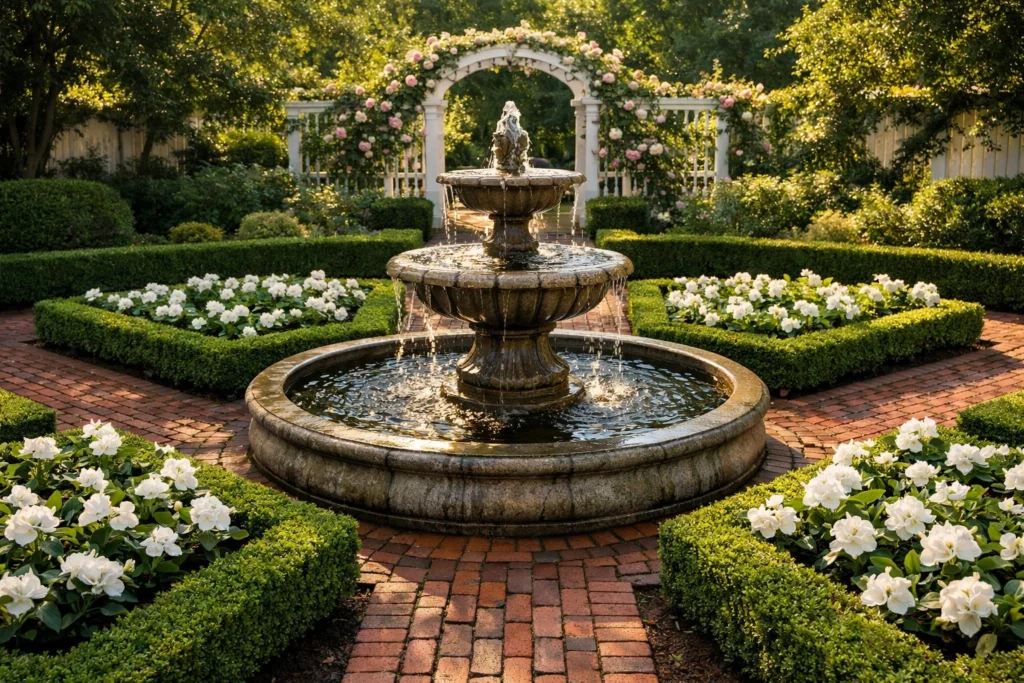
How to add a water feature to a southern garden in a way that feels authentically period-appropriate and genuinely beautiful rather than generically decorative requires understanding the specific water feature traditions that have defined southern garden design since its colonial origins. The tiered stone fountain positioned at the intersection of two formal garden axes is the most historically authentic southern water feature — its gentle splashing sound provides acoustic atmosphere, its stone basin reflects surrounding plantings, and its formal architectural presence anchors the entire garden composition with a gravitas that no other single garden element quite matches in terms of permanent visual authority and atmospheric power.
How to design a southern garden path that contributes genuine period character and practical functionality to the overall landscape composition? Brick remains the most authentically southern pathway material available — its warm terracotta color complements the red clay soils of the Piedmont South, its aged patina develops beautifully over decades of use and weathering, and its traditional association with southern architecture creates visual continuity between the home’s exterior materials and the surrounding garden surfaces. Southern garden path design options beyond brick include decomposed granite for informal cottage garden settings, flagstone for naturalistic woodland garden paths, and crushed oyster shell for coastal southern gardens that want to reference their specific regional maritime character and botanical heritage through every carefully chosen material detail throughout the landscape composition.
How to Create a Year Round Colorful Southern Style Garden at Home
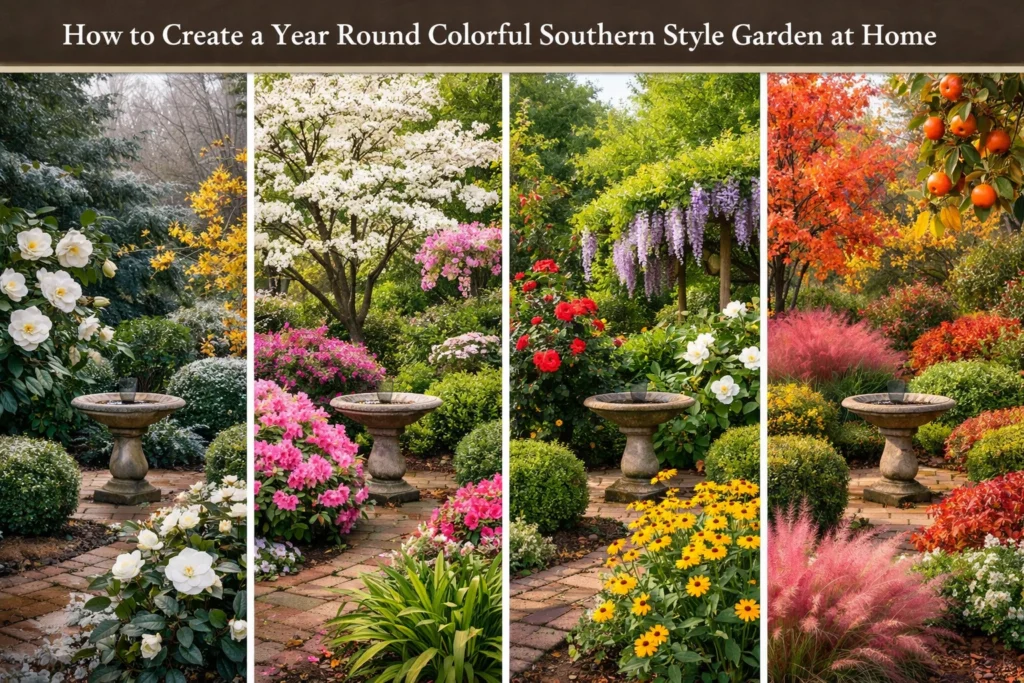
How to create a year round southern style garden that maintains genuine visual interest and seasonal color throughout every single month of the calendar year — not just during the spectacular spring azalea season — requires strategic succession planting that sequences different performers to carry the garden’s color story from January through December without significant gaps or boring lull periods. Southern garden color planning for year-round interest begins in winter with camellias blooming from October through March, witch hazel providing fragrant yellow flowers in January and February, and winter daphne perfuming the cold air with extraordinary sweet fragrance during the garden’s quietest and most overlooked seasonal period.
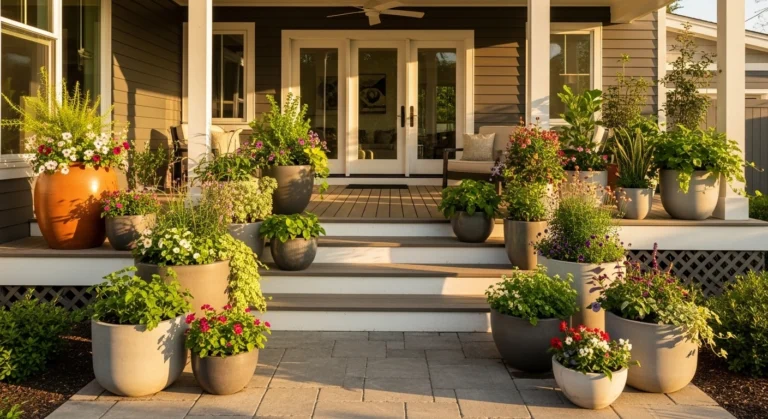
How to add southern style to a small garden that still achieves genuine year-round seasonal presence despite its limited physical dimensions? Small southern porch garden spaces — container gardens on covered porches and small courtyard gardens — achieve remarkable year-round color through carefully sequenced container plantings that rotate through seasonal performers. Winter containers featuring ornamental cabbage, pansies, and snapdragons transition into spring containers with azaleas, camellias, and paperwhite narcissus. Summer containers feature gardenias, caladiums, and trailing petunias. Autumn containers showcase ornamental pepper, chrysanthemums, and creeping Jenny. This four-season container rotation strategy maintains continuous southern garden color presence in even the smallest residential spaces throughout every month of the growing year without requiring the extensive ground-level planting beds that larger southern garden ideas demand for their year-round seasonal performance.
How Southern Style Garden Design Affects Curb Appeal and Home Value
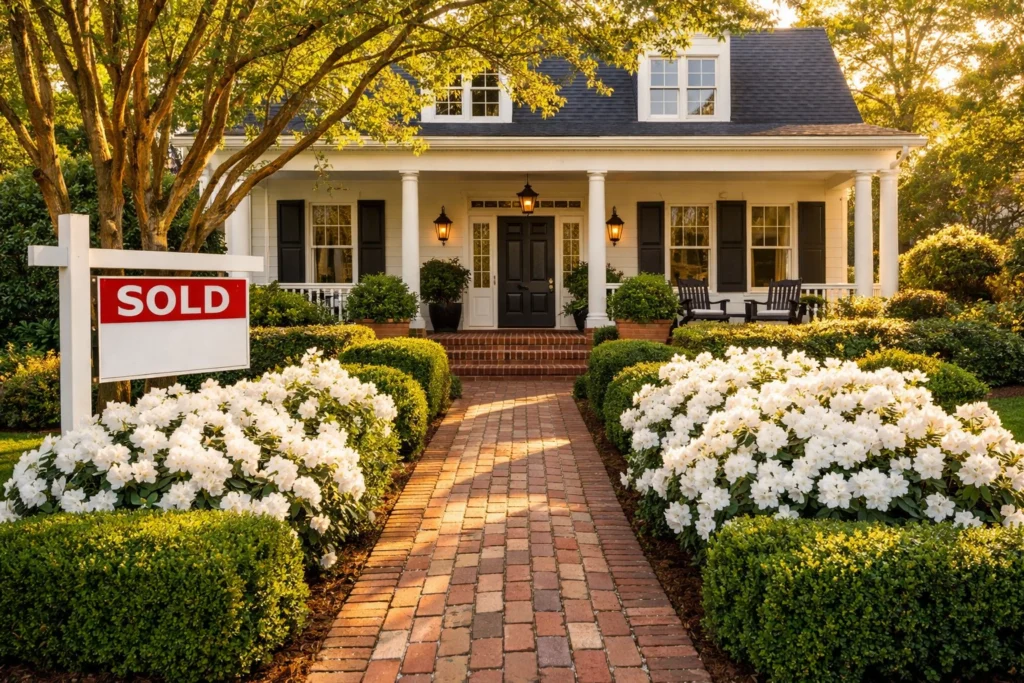
Southern style landscaping done well doesn’t just create a beautiful outdoor space — it creates measurable financial value that professional real estate appraisers and experienced agents consistently acknowledge when assessing residential property values across southern housing markets. A mature magnolia, a clipped boxwood hedge framing a brick pathway, a wisteria-draped pergola visible from the street — these southern garden design elements signal established quality, careful stewardship, and long-term investment in a property that appraisers and buyers both recognize and respond to with higher valuations and stronger purchase interest than comparable properties without equivalent landscape development and horticultural investment.
The financial return on southern garden investment is well documented in American real estate research. According to the American Society of Landscape Architects, professional quality landscaping consistently adds between 5% and 12% to residential property values depending on quality, maturity, and regional appropriateness of the planting design. What is the best soil for southern garden plants that creates the foundation for this value-adding landscape? Amended clay soil with generous organic matter additions — compost, aged pine bark, and slow-release fertilizer — creates the rich moisture-retentive yet well-drained growing medium that southern garden plants like azaleas, camellias, gardenias, and magnolias require for their healthiest most visually impressive long-term performance and property value contribution throughout their extended landscape lives.
Common Southern Style Garden Mistakes to Avoid When Landscaping
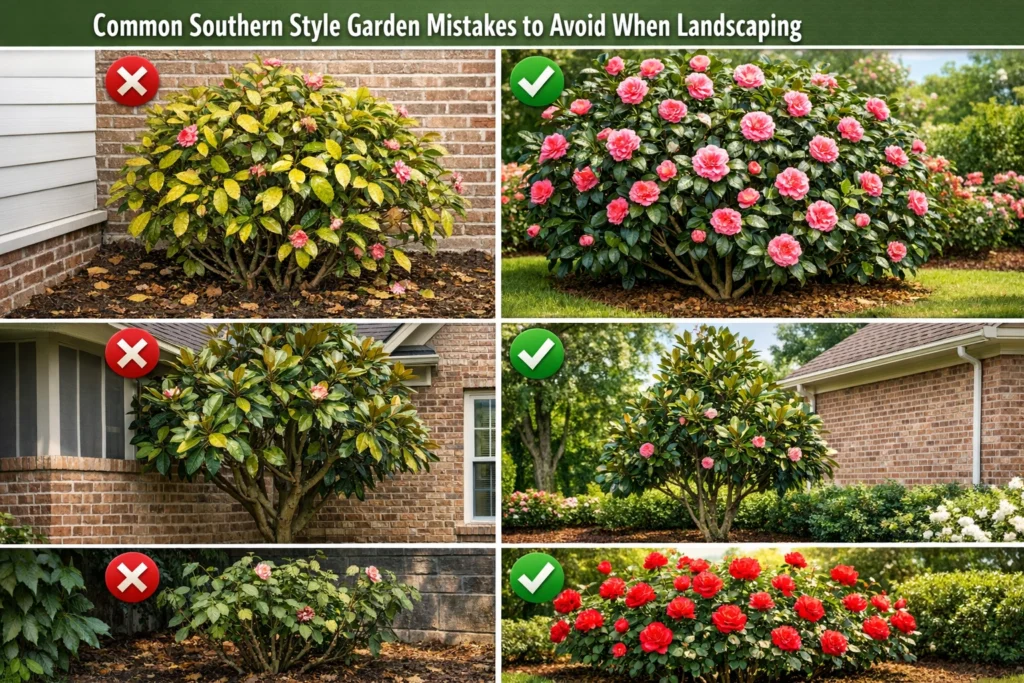
How to landscape in southern style without making the expensive and time-consuming mistakes that inexperienced gardeners repeatedly make when attempting to create authentic southern garden character requires understanding what actually defines the style versus what merely resembles it superficially. The most costly and most common mistake is planting without considering mature scale — buying a cute small camellia or magnolia without fully understanding that these plants will eventually occupy considerable vertical and horizontal space that significantly impacts surrounding plants, structures, and sightlines in ways that cannot easily be corrected once the plants reach their impressive mature dimensions many years into the future.
The second most damaging mistake is ignoring what is the best soil for southern garden plants specifically — attempting to grow acid-loving azaleas, gardenias, and camellias in alkaline soil without pH correction dooms these signature southern plants to chronic nutrient deficiency, poor flowering performance, and eventual decline regardless of how well everything else in the garden is managed. Test your soil pH before planting any southern garden plants — most authentic southern garden species prefer acidic soil between pH 5.0 and 6.5. Southern shade garden creation is the third common mistake area — many homeowners fail to account for the dense shade that mature southern magnolias, live oaks, and crepe myrtles eventually create beneath their canopies requiring thoughtful shade-tolerant underplanting planning that anticipates these future light conditions rather than discovering them unexpectedly after expensive sun-loving plants have already been planted and subsequently failed beneath developing tree canopies years later.